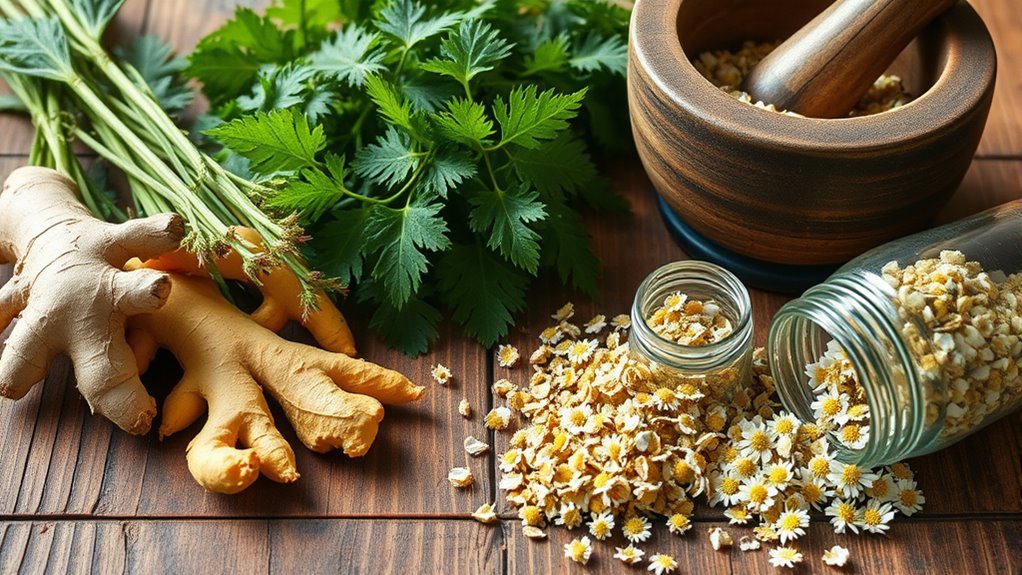

Beyond turmeric and capsaicin, you can explore herbs like ginger root, which fights inflammation and eases joint stiffness; boswellia serrata, known for reducing swelling and improving flexibility; devil’s claw, which alleviates pain without harsh chemicals; and willow bark, offering natural pain relief similar to aspirin. St. John’s Wort and cat’s claw also support immune health and reduce inflammation. For more options and how to use them safely, continue exploring these natural remedies.
Key Takeaways
- Ginger, Boswellia, Devil’s Claw, and Willow Bark are effective herbal alternatives that reduce inflammation and joint pain.
- Supportive herbs like St. John’s Wort, Cat’s Claw, and Licorice help modulate immune responses and protect joint health.
- Hormonal balance herbs aid in managing inflammation by regulating cortisol and adrenal function.
- Proper use and consultation are essential to avoid side effects, especially for those with health conditions or on medications.
- Integrating these herbs into a holistic arthritis approach can enhance pain relief and overall well-being.

New Chapter Zyflamend – Pain Relief, Inflammation & Joint Support Supplement* – Herbal Blend Includes Turmeric, Ginger & Rosemary – Contains No DLPA – Non-GMO, Vegetarian & Gluten Free – 60 Capsules
Herbal Pain Relief: Zyflamend by New Chapter provides herbal pain relief and supports a healthy inflammation response as…
As an affiliate, we earn on qualifying purchases.
As an affiliate, we earn on qualifying purchases.
The Healing Power of Ginger Root

Ginger root has long been valued for its natural ability to reduce inflammation and ease pain associated with arthritis. When you include ginger in your diet or take it as a supplement, compounds like gingerol work to inhibit inflammatory pathways in your body. This can lead to decreased joint swelling and less discomfort. Unlike some medications, ginger offers a gentle, natural approach without harsh side effects. You might notice improvements in mobility and less stiffness after consistent use. Incorporating fresh ginger into teas, smoothies, or meals is simple and effective. As a powerful anti-inflammatory, ginger not only helps manage symptoms but also supports overall joint health. Its long history of medicinal use underscores its potential as an accessible, natural remedy for arthritis pain.

Horbäach Ginger Root Extract Supplement | 150 Capsules | Traditional Herbal Formula | Non-GMO & Gluten Free
HIGH QUALITY BOTANICAL: Ginger Root is a traditional herb that has been widely used for centuries!
As an affiliate, we earn on qualifying purchases.
As an affiliate, we earn on qualifying purchases.
Boswellia Serrata: A Natural Anti-Inflammatory

Boswellia Serrata is known for its powerful anti-inflammatory properties that can help reduce joint swelling and pain. It also supports better joint mobility, making movement easier and less uncomfortable. By incorporating this natural remedy, you may find effective pain management without relying solely on medications.
Anti-Inflammatory Properties
Because inflammation plays a central role in arthritis pain, many people turn to natural remedies like Boswellia serrata to help reduce swelling and discomfort. Boswellia contains compounds called boswellic acids, which inhibit enzymes involved in inflammation. This action helps decrease joint swelling, redness, and pain. Unlike some medications, Boswellia offers anti-inflammatory benefits without harsh side effects. You might notice improvements within a few weeks of consistent use. It’s especially effective for those with osteoarthritis and rheumatoid arthritis. You can take Boswellia as a supplement or extract, often found in capsule form. Regular use supports your body’s natural ability to manage inflammation, making it a valuable addition to your arthritis relief routine. Remember to consult your healthcare provider before starting any new supplement.
Joint Mobility Support
Are you looking for a natural way to support your joint mobility? Boswellia serrata is a powerful herbal option that can help. Its anti-inflammatory properties reduce swelling and stiffness, making movement easier. Incorporating Boswellia into your routine may improve flexibility and preserve joint function over time. To maximize its benefits, consider these key points:
- Supports the body’s natural inflammation response
- Enhances joint flexibility and range of motion
- Helps prevent joint deterioration
- Works synergistically with other herbal remedies
- Offers a safer alternative to synthetic medications
Natural Pain Management
Looking for a natural way to manage arthritis pain? Boswellia Serrata, also known as Indian frankincense, offers powerful anti-inflammatory benefits. It works by blocking enzymes that contribute to inflammation, helping reduce swelling and pain. Unlike some medications, Boswellia is gentle on your stomach and has fewer side effects. You can take it as a supplement or find it in topical forms for targeted relief. Many users notice a decrease in joint discomfort within a few weeks of consistent use. It’s especially helpful if traditional treatments haven’t provided enough relief. Incorporating Boswellia Serrata into your routine could give you a natural, effective way to manage pain and improve your quality of life. Always consult your healthcare provider before starting any new supplement.

Boswellia Serrata – 240 Capsules (Max Strength 1,000mg of 65% Boswellic Acid Extract) Boswellia Extract Capsules (Joint Support Supplement for Joint Health) Third Party Tested by Double Wood
SUPPORTS HEALTHY JOINTS: Multiple studies show Boswellia Extract standardized to contain Boswellic acids may help support overall joint…
As an affiliate, we earn on qualifying purchases.
As an affiliate, we earn on qualifying purchases.
Devil’s Claw and Its Role in Pain Management

Devil’s Claw has gained recognition as a natural remedy for pain relief, especially in managing arthritis symptoms. Its roots contain compounds that reduce inflammation and alleviate discomfort. You might notice improvements in joint stiffness and mobility with consistent use. However, it’s important to consult your healthcare provider before adding it to your routine. The herb works by targeting pain at its source, providing a natural alternative to medications.
- Supports joint health without harsh chemicals
- Contains anti-inflammatory properties
- May reduce reliance on NSAIDs
- Has been used traditionally for centuries
- Works best as part of a holistic treatment plan

Anti-Inflammaheb Tea, 100% Natural Inflammation Tea from Premium Turmeric, Ginger, Cinnamon, Cardamom, Cumin, Coriander Seeds Herbal Ingredients, Supports Antioxidant, Boost Immunity (1 Pack/60 Bags)
【Natural Herbal Ingredients】Anti-Inflammaheb Tea contains turmeric, ginger, cinnamon, cardamom, cumin, coriander seeds premium herbal ingredients, no sugar &…
As an affiliate, we earn on qualifying purchases.
As an affiliate, we earn on qualifying purchases.
Willow Bark: Nature’s Aspirin

Willow bark has been used for centuries as a natural remedy for pain and inflammation, making it a popular choice for those seeking an alternative to conventional medications. Its active compound, salicin, works similarly to aspirin by reducing pain and lowering fever. When you take willow bark, you may experience relief from arthritis discomfort without the harsh side effects of synthetic drugs. It’s available in teas, capsules, and extracts, giving you flexible options for use. However, it’s important to use willow bark carefully, especially if you take blood thinners or have bleeding issues, as it can thin your blood. Always consult your healthcare provider before starting any herbal supplement. With consistent use, willow bark could help you manage your arthritis pain naturally and effectively.
St. John’s Wort and Its Anti-Inflammatory Benefits
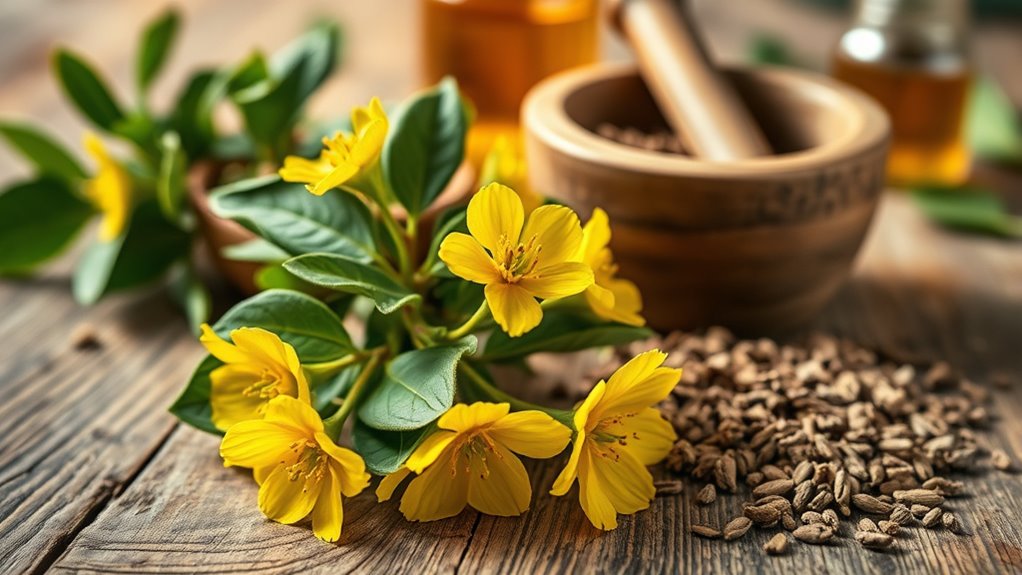
St. John’s Wort is best known for its mood-boosting effects, but it also offers notable anti-inflammatory benefits that can help with arthritis pain. Its active compounds, like hypericin and hyperforin, reduce inflammation by modulating immune responses and inhibiting inflammatory enzymes. When used correctly, it can complement other herbal remedies for joint health. However, always consult your healthcare provider because St. John’s Wort interacts with many medications, including antidepressants and blood thinners.
- Supports immune system regulation
- Reduces inflammatory enzyme activity
- Enhances mood and reduces stress
- May improve overall joint comfort
- Requires careful management due to drug interactions
Cat’s Claw for Joint Health
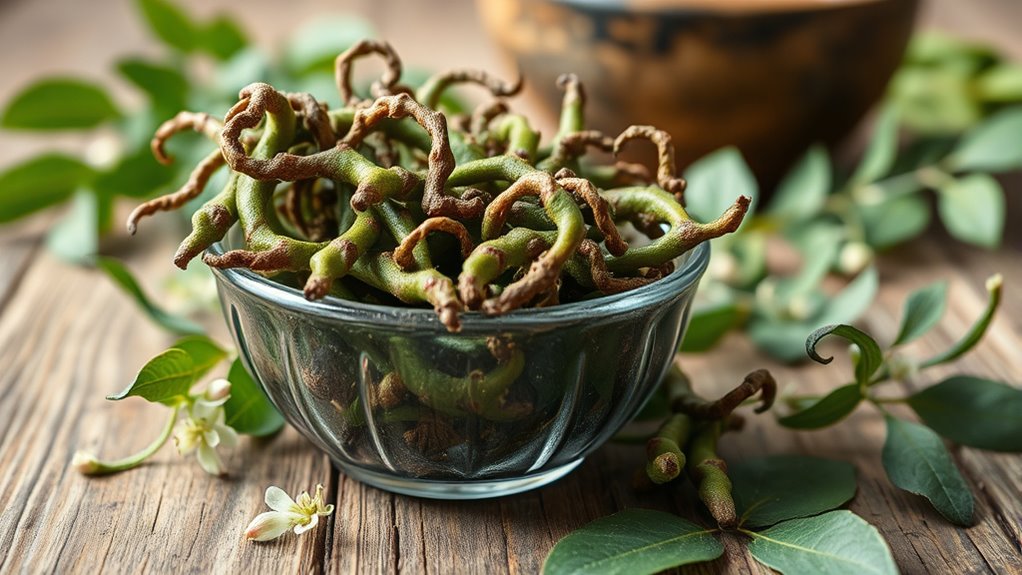
Cat’s Claw, a vine native to the Amazon rainforest, has gained recognition for its potential to support joint health and reduce arthritis symptoms. It contains compounds that may help modulate inflammation and boost your immune response. Many users report decreased joint pain and improved mobility after taking Cat’s Claw supplements regularly. You can find it in capsules, teas, or extracts, making it easy to incorporate into your routine. While research is ongoing, some studies suggest it may protect cartilage and combat oxidative stress, both key factors in arthritis progression. Keep in mind, though, that individual responses vary. Always consult your healthcare provider before starting any herbal supplement, especially if you’re on medication or have existing health conditions.
Comfrey: a Traditional Remedy With Modern Uses

Comfrey has been used for centuries as a natural remedy to soothe joint pain and promote healing. Its roots run deep in traditional medicine, especially for treating injuries and inflammation. Modern uses focus on topical applications, where comfrey’s compounds can support tissue repair and reduce swelling. However, caution is essential, as internal use can be risky due to toxic compounds. When used responsibly, comfrey offers a promising complementary approach for arthritis relief.
Comfrey supports healing and reduces swelling when used topically with caution.
- Supports skin and tissue regeneration
- Combines traditional wisdom with scientific understanding
- Offers a natural alternative for pain management
- Requires careful use to avoid potential side effects
- Enhances overall comfort and mobility when applied properly
Licorice Root and Its Potential Benefits

Licorice root has notable anti-inflammatory properties that may help ease arthritis pain. It also supports hormonal balance, which can influence inflammation and overall well-being. Considering these benefits, it’s worth exploring how licorice root might complement your pain management routine.
Anti-inflammatory Properties
Herbal remedies like licorice root are gaining attention for their natural anti-inflammatory effects, which may help ease arthritis symptoms. Licorice contains compounds that inhibit inflammation-causing enzymes, potentially reducing joint swelling and pain. Its active ingredients, such as glycyrrhizin, can modulate immune responses and decrease inflammatory signaling. Incorporating licorice into your routine might support overall joint health and improve mobility. However, it’s essential to use it responsibly, as excessive intake can lead to side effects like elevated blood pressure. Understanding its anti-inflammatory properties helps you make informed decisions about natural options. With proper use, licorice root may serve as a valuable tool in managing arthritis discomfort and promoting joint wellness.
- Targets inflammatory enzymes to reduce swelling
- Supports immune system regulation
- May alleviate pain associated with inflammation
- Offers a natural alternative to NSAIDs
- Should be used with caution to avoid side effects
Hormonal Balance Support
Because licorice root can influence inflammation, it also has notable effects on hormonal balance, which may benefit those with arthritis. It contains compounds that can support adrenal function and regulate cortisol levels, helping your body manage stress and inflammation more effectively. By balancing these hormones, licorice may reduce inflammatory responses that worsen arthritis symptoms. However, it’s important to use licorice cautiously, as excessive intake can lead to side effects like elevated blood pressure or fluid retention. Incorporating licorice root in moderation, through teas or supplements, might help improve your overall hormonal health. This, in turn, could contribute to decreased joint pain and stiffness. Always consult with a healthcare professional before adding licorice to your regimen, especially if you have underlying health conditions.
Frequently Asked Questions
Are Herbal Remedies Safe for Long-Term Arthritis Management?
Herbal remedies can be safe for long-term arthritis management if you choose carefully and consult your healthcare provider. You should research each herb’s safety profile, potential interactions with medications, and proper dosages. Regularly monitoring your symptoms and side effects is essential. Remember, natural doesn’t always mean risk-free. With proper guidance, herbal remedies can be a helpful part of your ongoing strategy to manage arthritis pain effectively.
Can Herbal Supplements Replace Conventional Arthritis Medications Entirely?
Herbal supplements can’t completely replace conventional arthritis medications, no matter how powerful they seem. While some herbs may ease symptoms and reduce reliance on pharmaceuticals, they aren’t a magic cure for everyone. You should always consult your doctor before making changes to your treatment plan. Combining herbal remedies with prescribed medications can provide a balanced approach, but don’t rely solely on herbs for managing a complex condition like arthritis.
Are There Any Known Interactions Between Herbal Remedies and Prescription Drugs?
Yes, herbal remedies can interact with prescription drugs. You might not realize it, but some herbs like garlic, ginseng, and St. John’s Wort can affect how your medications work. Always talk to your healthcare provider before adding herbal supplements to your routine. They can help you avoid potential interactions that could reduce medication effectiveness or cause unwanted side effects. Never assume herbal remedies are completely safe with your prescriptions.
How Do Herbal Treatments Compare in Effectiveness to Over-The-Counter Pain Relievers?
Herbal treatments can be effective for arthritis pain, but their results vary widely. You might find some relief with herbs like ginger or devil’s claw, yet they often work more slowly and less predictably than over-the-counter pain relievers. While herbal remedies can reduce inflammation and discomfort, it’s essential to discuss their use with your healthcare provider to guarantee safety and appropriate integration with your current treatments.
What Are the Best Herbal Options for Specific Types of Arthritis?
For osteoarthritis, try turmeric and ginger, which have anti-inflammatory properties that can ease joint pain. If you’re dealing with rheumatoid arthritis, consider boswellia and devil’s claw, as they may help reduce inflammation and swelling. For gout, cherry extract and turmeric can be beneficial in lowering uric acid levels. Always consult your healthcare provider before starting any herbal treatments to guarantee they’re safe and appropriate for your specific condition.
Conclusion
Exploring these herbal remedies is like discovering a garden of natural pain relief options beyond turmeric and capsaicin. Each herb offers unique benefits, helping you manage arthritis discomfort with fewer side effects. By trying these natural solutions, you’re opening a door to better joint health—like turning on a gentle light in a dark room. Remember to consult with your healthcare provider first, and embrace these plant-based allies on your journey to comfort.