Omega‑3 fatty acids, found in fish and plant sources, are essential for brain health and mood regulation. Research shows that increasing omega‑3 intake can improve depression symptoms, especially with EPA-rich supplements. While studies support their role in mood improvement, some results vary due to different methods and participant factors. Ongoing research aims to optimize dosage and personalize treatments, so if you want to understand how these nutrients might help you, more details are available.
Open a free Amazon Business account
Business pricing, bulk buying and tax-exempt orders.
As an affiliate, we earn on qualifying purchases.
Key Takeaways
- Clinical trials show omega-3s, especially EPA-rich formulations, can improve mood and reduce depression symptoms.
- Dietary sources like fatty fish and plant-based options provide essential omega-3s linked to mental health benefits.
- Research findings are mixed due to methodological challenges, small sample sizes, and variability in study designs.
- Omega-3 supplementation is considered a promising adjunct therapy but requires further large-scale, standardized studies.
- Advances in AI and biomarkers aim to personalize omega-3 treatments and improve understanding of their role in depression management.

THORNE Super EPA, Omega-3 Fish Oil Supplement with EPA & DHA, 90 Softgels
- High-Quality Fish Oil: Supports heart, brain, muscles, joints, skin
- Cardiovascular Support: Promotes healthy blood flow and lipid levels
- Brain and Cognitive Health: Supports neural development and cognition
As an affiliate, we earn on qualifying purchases.
As an affiliate, we earn on qualifying purchases.
Understanding Omega‑3 Fatty Acids and Their Role in Brain Health
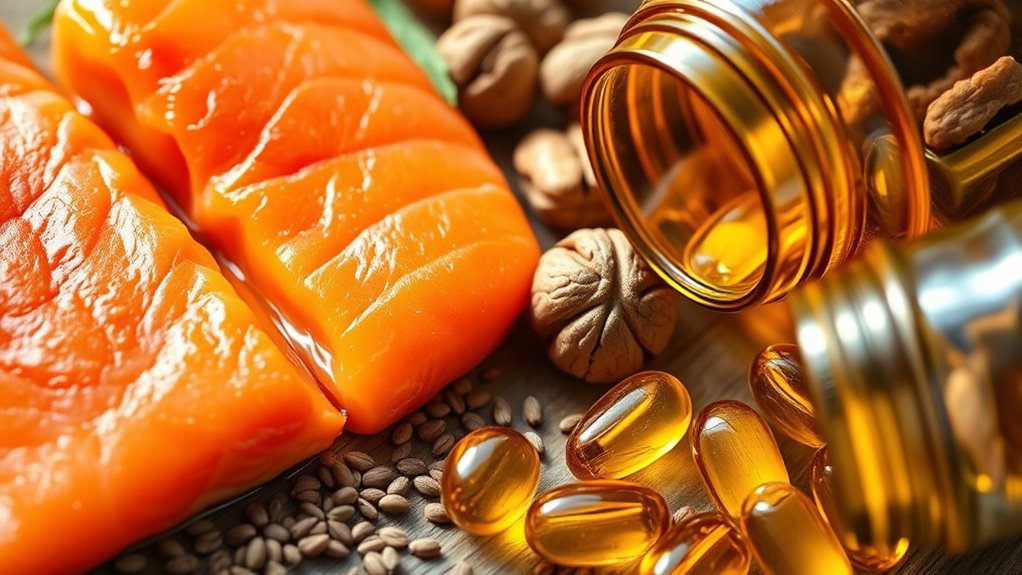
Omega-3 fatty acids are essential nutrients that play a critical role in maintaining brain health. They are indispensable for fatty acid metabolism, supporting cell membrane fluidity and communication within your brain. Your body can’t produce omega-3s on its own, so you need to get them from dietary sources. Fatty fish like salmon, mackerel, and sardines are rich in EPA and DHA, two key omega-3 types linked to brain function. Plant-based options such as walnuts, flaxseeds, and chia seeds provide ALA, which your body can convert into EPA and DHA, though less efficiently. Consuming enough omega-3s guarantees your brain maintains its structure and signaling pathways, essential for mood regulation, cognitive function, and overall mental health. How to Status To optimize your omega-3 intake, consider incorporating a variety of nutrient-rich foods into your diet regularly. Additionally, maintaining a balanced diet supports overall brain health and nutritional balance, which can influence mood and cognitive performance. Including dietary supplements when necessary can help meet your omega-3 needs if dietary sources are insufficient.
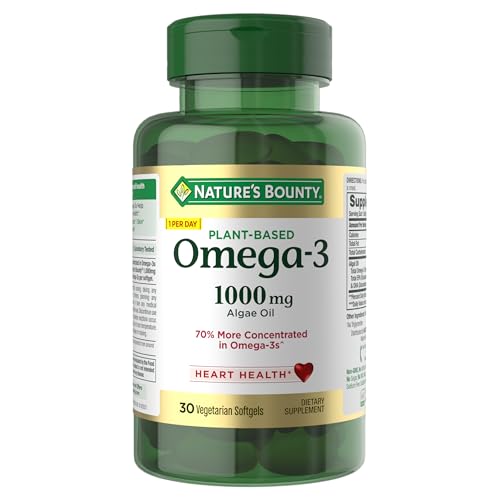
Nature's Bounty Omega 3, Plant-Based Omega 3 Fatty Acid Supplement, 30 Ct
- Concentrated Omega-3 Softgels: 520mg of omega-3 per softgel
- Easy Daily Supplement: One softgel per day
- Supports Heart and Whole Body: Promotes cardiovascular and overall health
As an affiliate, we earn on qualifying purchases.
As an affiliate, we earn on qualifying purchases.
Evidence Linking Omega‑3s to Mood Improvement and Depression Relief

Research shows that increasing your intake of omega-3 fatty acids can lead to significant improvements in mood and reductions in depressive symptoms. Dietary sources like fatty fish, flaxseeds, and walnuts are rich in these essential fats, making it easier for you to incorporate them into your diet. Studies suggest that consistent consumption of omega-3s from food can positively influence your mental health. Additionally, supplement efficacy has been examined, with many clinical trials showing that omega-3 supplements can help alleviate depression, especially when combined with traditional treatments. While dietary sources provide natural benefits, supplements offer a convenient way to ensure adequate intake, particularly if your diet lacks omega-3-rich foods. Incorporating nutritional strategies such as increasing omega-3 intake can further enhance mental health benefits. Understanding air purifier technologies can also be beneficial for creating a healthier environment that supports mental well-being. Furthermore, research indicates that proper installation and maintenance of dietary supplements can maximize their effectiveness. Advances in AI Entertainment are also contributing to mental health research by developing innovative tools for diagnosis and treatment. Overall, both sources demonstrate a promising link between omega-3s and mood improvement.
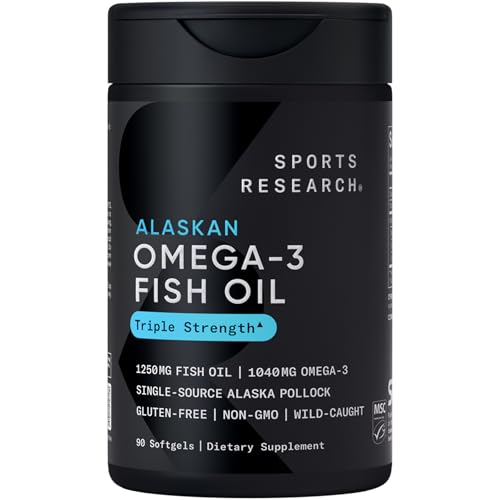
Sports Research® Omega-3 Fish Oil 1250mg from Wild Alaska Pollock, 90 Count
- Fresh and Fishy-Free: No fishy aftertaste or burps
- High Potency Omega-3: 1250mg fish oil per softgel
- Rich in EPA and DHA: 690mg EPA and 260mg DHA per capsule
As an affiliate, we earn on qualifying purchases.
As an affiliate, we earn on qualifying purchases.
Key Findings From Recent Clinical Trials and Meta-Analyses

Recent clinical trials and meta-analyses have provided robust evidence supporting the link between omega-3 fatty acids and mood improvement. These studies often compare omega-3 supplements to placebo effects, highlighting genuine benefits beyond psychological expectations. Results consistently show that individuals with depression experience mood enhancements when consuming omega-3s, especially EPA-rich formulations. You can obtain these fatty acids from dietary sources like fatty fish, flaxseeds, and walnuts, which have been associated with similar benefits observed in trials. While some research indicates modest effects, the overall evidence suggests omega-3s may serve as a complementary treatment. Additionally, ongoing research aims to address filter replacement indicators to ensure safe and effective health interventions. Factors such as bioavailability can also influence how effectively omega-3s are absorbed and utilized by the body. However, individual responses vary, and factors like baseline diet and supplementation duration influence outcomes. These findings reinforce the potential role of omega-3s in managing depression, emphasizing the importance of dietary sources in supporting mental health.

Triple Strength Omega 3 Fish Oil 3600 mg, EPA & DHA, Over 2100mg Omega-3
- High DHA Omega-3 Content: 860 mg DHA and 1300 mg EPA per serving
- Triple Strength Formula: 3600 mg total fish oil per serving
- Supports Eye, Brain, and Immune Health: Rich in essential fatty acids
As an affiliate, we earn on qualifying purchases.
As an affiliate, we earn on qualifying purchases.
Debates and Limitations in Current Research
Although studies suggest benefits, debates persist about the consistency and strength of the evidence linking omega-3s to depression improvement. Methodological challenges, such as small sample sizes, varied dosages, and differing study designs, make it hard to draw definitive conclusions. Additionally, publication bias skews the research landscape, as studies showing positive results are more likely to be published than those with null or negative findings. This bias can overstate the true effectiveness of omega-3s. Variability in participant characteristics and outcome measures further complicates interpretations. These limitations highlight the need for more rigorous, standardized research to clarify omega-3s’ role in treating depression and to guarantee findings are reliable and applicable across diverse populations. Emerging AI tools are increasingly being used to analyze complex data sets and improve research accuracy in this field.
Future Directions and Potential Implications for Mental Health Treatment

Given the current gaps and limitations in the evidence, future research should focus on conducting large-scale, standardized clinical trials to better understand omega-3s’ effectiveness in treating depression. This will help identify who benefits most through personalized supplementation strategies, tailoring doses and formulations to individual needs. Additionally, studies should emphasize long-term safety to ensure sustained use doesn’t cause adverse effects over time. Advancing our understanding of ideal dosages and combinations could lead to more targeted, effective interventions. Incorporating biomarkers and genetic profiles may further refine treatment approaches. Moreover, integrating cybersecurity measures into research data management can help protect sensitive information and ensure data integrity. Implementing regulatory standards will also be crucial for translating research findings into safe clinical applications. Strengthening research methodology and standardization across studies will facilitate more reliable comparisons and meta-analyses. Addressing regulatory compliance challenges in research protocols can streamline the translation from studies to clinical practice. Furthermore, understanding the home improvement context may provide insights into how environmental factors influence mental health and treatment outcomes. Ultimately, these efforts could transform mental health care by integrating omega-3s into personalized, safe, and evidence-based treatment plans for depression.
Frequently Asked Questions
Are There Specific Types of Omega-3s More Effective for Depression?
You should focus on EPA for depression, as research shows it has higher efficacy in improving mood. While DHA offers benefits for brain health, EPA’s anti-inflammatory properties make it more effective for alleviating depressive symptoms. Incorporate omega-3 supplements with a higher EPA to DHA ratio, and you’ll likely notice better mood support. Prioritizing EPA can make a meaningful difference in managing depression symptoms.
How Do Omega-3 Supplements Compare to Traditional Antidepressants?
You might notice that omega-3 supplements often have mixed results compared to traditional antidepressants, partly due to placebo effects and dosage variations. While some people find omega-3s helpful, they generally aren’t as effective as prescription medications for depression. It’s important to contemplate that proper dosage matters, and consulting your healthcare provider can help determine if omega-3s can complement your treatment plan or if you should stick with conventional antidepressants.
Can Omega-3 Intake Prevent the Onset of Depression?
Eating enough dietary sources of omega-3s, like fatty fish, might help lower your risk of developing depression, especially when combined with healthy lifestyle factors like regular exercise and good sleep. While omega-3 intake alone can’t guarantee prevention, maintaining a balanced diet and active lifestyle can support your mental health and potentially reduce the likelihood of depression onset. It’s a proactive way to care for your well-being.
What Are the Recommended Daily Dosages of Omega-3 for Mental Health?
You should aim for about 250-500 mg of combined EPA and DHA daily, depending on your health needs. Dietary sources like fatty fish—salmon, mackerel, sardines—are excellent, but if you prefer supplements, follow the dosage guidelines on the label or consult your healthcare provider. These recommendations support mental health and overall well-being, making it easier to incorporate omega-3s into your daily routine.
Are There Any Side Effects Associated With High Doses of Omega-3s?
Taking high doses of omega-3s can cause potential gastrointestinal issues like nausea or diarrhea and may increase bleeding risk, especially if you’re on blood-thinning medications. You should be cautious and consult your healthcare provider before exceeding recommended amounts. Monitoring for side effects is essential to avoid complications, particularly if you notice symptoms such as easy bruising or bleeding gums.
Conclusion
As you explore the link between omega‑3s and depression, remember it’s a promising piece of the puzzle, but not the complete picture. Think of omega‑3s as a gentle tide gradually nurturing your brain’s health. While current research shines a hopeful light, more studies are needed to fully understand their role. Embracing a balanced diet rich in these fats could be a step toward brighter mental well-being—like tending a garden that blooms with care.
Baby shower & registry season Picks
baby registry must-haves
As an affiliate, we earn on qualifying purchases.