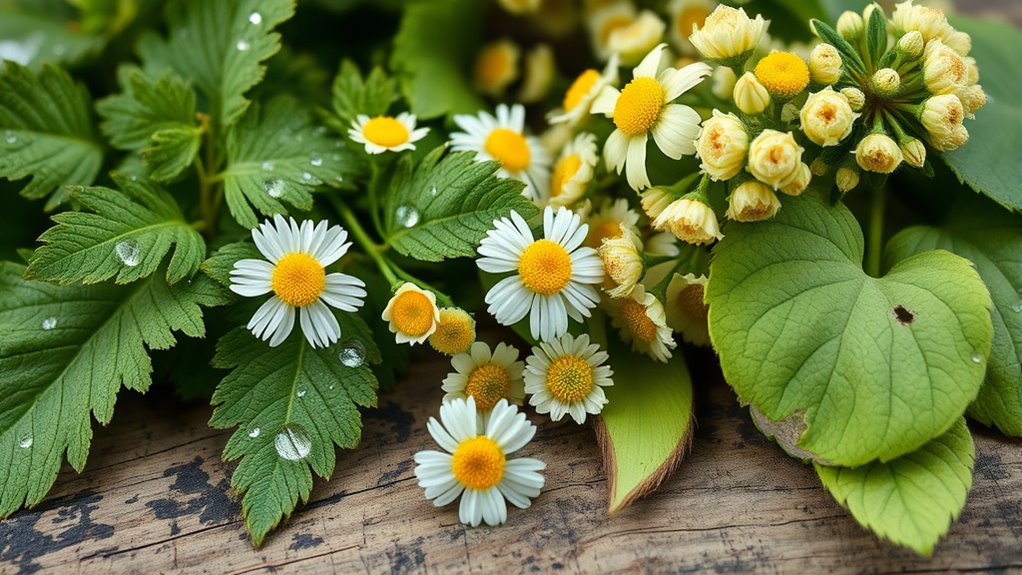

Feverfew and butterbur are popular herbal remedies for migraine relief. Feverfew works by reducing inflammation with active ingredients like parthenolide and flavonoids, preventing headache episodes. Butterbur helps by relaxing blood vessels thanks to compounds like petasin, often lowering migraine frequency. Both can be effective, but proper quality and dosage are key to safety. To understand how to choose and use them safely, consider exploring these herbal options further.
Listen free for 30 days with Audible
Thousands of audiobooks and originals — cancel anytime.
As an affiliate, we earn on qualifying purchases.
Key Takeaways
- Feverfew contains parthenolide and flavonoids that reduce inflammation and help prevent migraines.
- Butterbur’s active compounds, like petasin, effectively decrease migraine frequency when properly processed.
- Both herbs require quality control to ensure safety, minimizing risks like liver toxicity and allergic reactions.
- Dosage varies; typically, 50-100 mg daily for feverfew and 75-150 mg for butterbur, with medical consultation advised.
- Individuals with allergies, pregnancy, or on blood thinners should consult healthcare providers before use.
Feverfew supplement for migraines
As an affiliate, we earn on qualifying purchases.
As an affiliate, we earn on qualifying purchases.
How Feverfew Has Been Used Throughout History
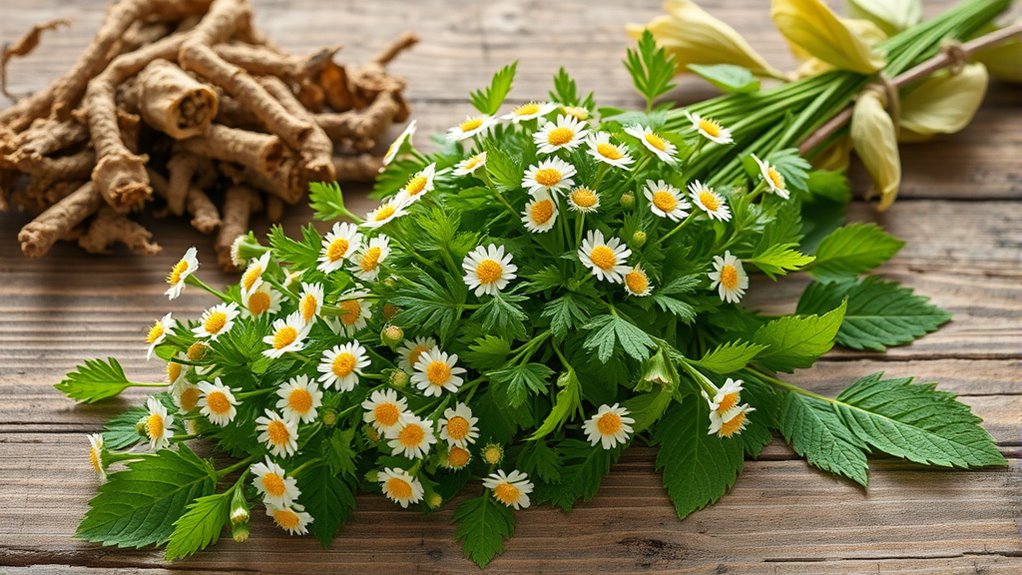
Throughout history, feverfew has been valued as a natural remedy for headaches and migraines. Ancient civilizations, including the Greeks and Romans, documented its use for pain relief. Traditional preparations involved crushing fresh leaves or making infusions to apply directly or drink as tea. In medieval Europe, feverfew was popular in herbal remedies, often brewed into tinctures or poultices. Its long-standing reputation comes from its perceived ability to reduce inflammation and soothe head pain. People relied on these traditional preparations for centuries, passing down knowledge through generations. Additionally, scientific research explores its active components, which may contribute to its efficacy. The historical significance of feverfew highlights its importance as a natural treatment for headaches, establishing it as a staple in herbal medicine for migraine relief. Moreover, understanding its traditional uses offers insights into how herbal remedies have shaped modern approaches to headache management. This enduring use underscores the importance of herbal medicine in managing common ailments naturally. For example, the reliance on natural remedies reflects a broader tradition of utilizing readily available plants for health purposes.
As an affiliate, we earn on qualifying purchases.
The Active Components in Feverfew and Their Effects

You’ll want to understand how parthenolide helps reduce migraine symptoms by calming inflammation and preventing blood vessel constriction. Additionally, flavonoids in feverfew contribute by fighting inflammation and supporting overall nerve health. Recognizing these components can help you appreciate how feverfew may ease your migraines naturally. Incorporating latest breakthroughs in machine learning tech can also enhance research methods for understanding herbal medicine effectiveness.
Parthenolide’s Role in Relief
Parthenolide, the key active compound in feverfew, plays a crucial role in alleviating migraines by targeting inflammatory processes. Its mechanism involves inhibiting the release of inflammatory mediators, which helps reduce migraine severity and frequency. This herbal compound interacts with various biological pathways, enhancing its effectiveness. Understanding these interactions can improve your approach to herbal migraine relief. Additionally, research supports that core personality traits can influence individual responses to herbal treatments, emphasizing the importance of a personalized approach. Recognizing the causes of narcissism can also help tailor management strategies for those affected. Exploring herbal mechanisms further reveals how natural compounds like parthenolide can modulate pain pathways beyond inflammation, including biological pathways involved in pain modulation. Moreover, recent studies highlight the significance of immune response modulation in the overall effectiveness of herbal remedies for migraines.
Flavonoids’ Anti-inflammatory Effects
Have you ever wondered how flavonoids contribute to feverfew’s migraine-relieving effects? These plant compounds are known for their powerful anti-inflammatory effects, which help reduce the inflammation linked to migraines. Flavonoids work by inhibiting enzymes involved in inflammatory processes, calming blood vessels, and lowering pain signals. This action showcases herbal compound synergy, where flavonoids complement other active components like parthenolide, enhancing feverfew’s overall effectiveness. Additionally, flavonoids possess antioxidant properties, which further support their role in protecting cells from oxidative stress associated with migraines. By targeting inflammation at its source, flavonoids help prevent the onset of migraine symptoms and alleviate existing pain. Their anti-inflammatory effects are a key reason why feverfew has been used traditionally for migraine relief, making it a valuable natural option for those seeking herbal remedies. Furthermore, research into the Best Rated Pinball Machines of 2024 highlights how advanced technology can similarly target specific issues, emphasizing the importance of innovative solutions. A deeper understanding of biological pathways involved in inflammation can also enhance the development of more effective herbal and pharmaceutical treatments.
As an affiliate, we earn on qualifying purchases.
Understanding How Butterbur May Help Prevent Migraines
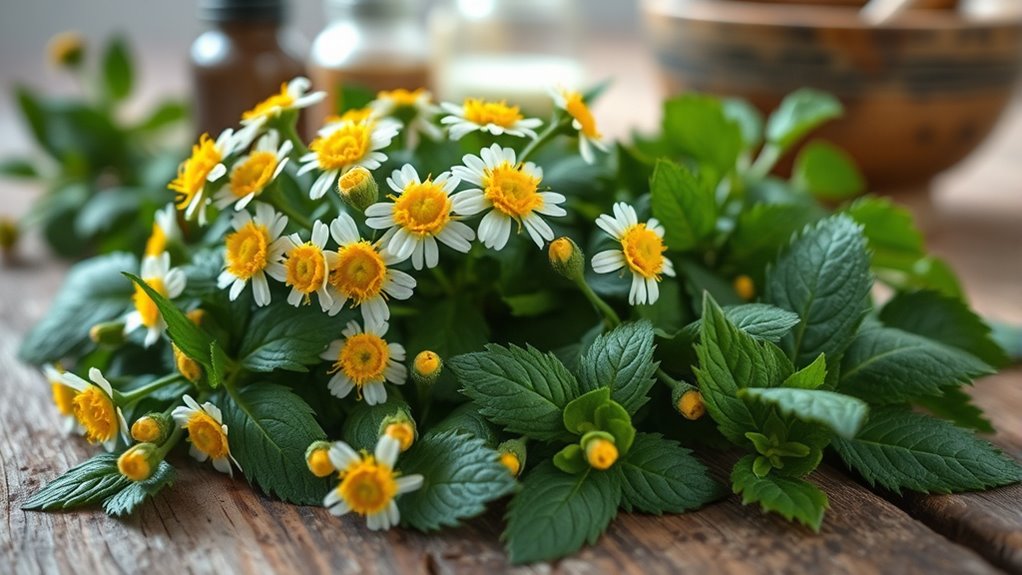
Butterbur contains active compounds that may help reduce migraine frequency, but it’s important to understand how these work. Research shows promising evidence supporting its preventive effects, yet safety and proper usage are key. Let’s explore the components, evidence, and tips for using butterbur safely. Emerging trends in nanotechnology could further enhance delivery methods for herbal compounds like butterbur, improving their effectiveness and safety profiles.
Active Components in Butterbur
The effectiveness of butterbur in preventing migraines largely hinges on its active components, which work to reduce inflammation and relax blood vessels. These components include petasin, isopetasin, and farnesol, which are key to its therapeutic effects. When using dried herb preparation, ensuring high herbal supplement quality is essential to retain these active compounds. Proper processing minimizes harmful substances like pyrrolizidine alkaloids, making the supplement safer. Understanding these components helps you choose effective products for migraine prevention. Look for supplements standardized to contain specific amounts of petasin and isopetasin for consistency. Herbal supplement quality is a critical factor in ensuring safety and efficacy. Additionally, selecting products tested for pyrrolizidine alkaloids can further ensure consumer safety and product reliability. This focus on active components is vital for making informed decisions about butterbur’s role in your migraine management.
Evidence Supporting Prevention
Numerous studies have shown that butterbur can effectively reduce the frequency and intensity of migraine attacks. Its benefits are linked to its active compounds, which have been validated through clinical research. In traditional preparations, butterbur has long been used as an herbal remedy, and modern herbal cultivation guarantees quality and consistency. Scientific evidence supports its role in migraine prevention by demonstrating how these compounds may inhibit inflammatory pathways and promote vascular health. This research underscores butterbur’s potential as a natural preventive option for migraine sufferers. While traditional preparations often involve extracts from the root or leaves, controlled cultivation helps maintain the herb’s potency and safety. Overall, this body of evidence highlights butterbur’s capacity to serve as a preventive herbal therapy for migraines. Additionally, ensuring proper quality control during cultivation and extraction processes is essential to maximize safety and effectiveness.
Usage and Safety Tips
To effectively incorporate butterbur into your migraine prevention routine, it’s important to understand proper usage and safety considerations. Start with high-quality supplements derived from herbal cultivation, ensuring they’re free of harmful pyrrolizidine alkaloids. Always choose products labeled for medicinal use, especially those made through traditional preparations that preserve active compounds. Be cautious if you have allergies or liver issues, and consult your healthcare provider before starting. Remember, consistent dosing is key to seeing benefits. Automation technologies enable scalability and flexibility in manufacturing, which can impact supplement quality control. Check for third-party testing for purity. Follow dosage instructions carefully. Discontinue if you experience side effects or allergic reactions, and consider consulting a healthcare professional regarding high-risk industries or underlying health conditions. Additionally, selecting products made with natural finishes and dyes can help reduce exposure to potentially harmful chemicals.
As an affiliate, we earn on qualifying purchases.
Comparing the Efficacy of Feverfew and Butterbur
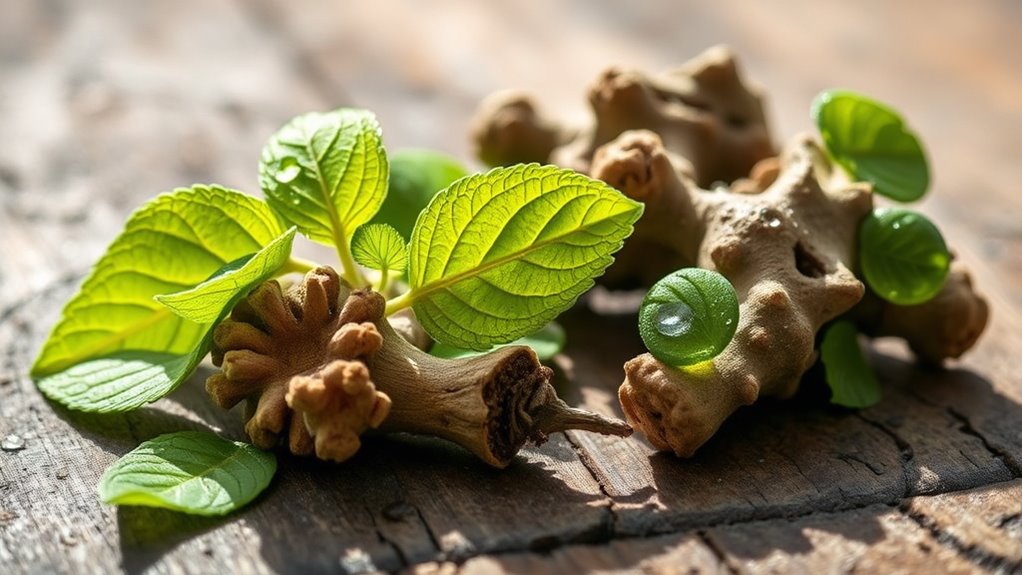
While both feverfew and butterbur are popular herbal remedies for migraines, their effectiveness varies based on individual response and the quality of the extracts used. Feverfew is often praised for its herbal synergy with other traditional applications, providing relief through anti-inflammatory properties. Some users report noticeable improvements, especially when taken consistently. Butterbur, on the other hand, has shown promise in reducing migraine frequency by acting on blood vessel constriction. Clinical studies suggest butterbur may be more effective for some, thanks to its standardized extracts. However, results depend heavily on the quality of the preparation. Ultimately, you might find one works better for you, or a combination provides ideal relief. Personal response and extract quality play key roles in determining efficacy.
Potential Side Effects and Risks of Herbal Treatments

Although herbal remedies like feverfew and butterbur can offer migraine relief, they also carry potential side effects and risks that shouldn’t be overlooked. You might experience possible allergic reactions, such as skin rashes or swelling, especially if you’re sensitive to plants in the Asteraceae family. Liver toxicity concerns are also significant, particularly with butterbur extracts that aren’t properly processed. Some individuals report gastrointestinal issues, like nausea or stomach upset. Feverfew may cause mouth ulcers or increased bleeding risk, especially if you’re on blood thinners. Additionally, herbal treatments can interact with medications, reducing their effectiveness or causing adverse effects. Be cautious and consult a healthcare professional before starting any herbal regimen to guarantee safety and minimize potential risks.
Recommended Dosages and Usage Guidelines

Following recommended dosages is essential to guarantee safe and effective use of herbal remedies for migraines. Adhering to proper dosage guidelines helps prevent potential side effects and ensures you get the benefits without risking overuse. For feverfew, typical dosage ranges from 50 to 100 mg daily, taken in divided doses, while butterbur extract is often recommended at 75 to 150 mg per day. Always start with the lowest effective dose and monitor how your body responds. Usage safety depends on following these guidelines consistently and avoiding exceeding recommended amounts. Keep in mind that individual needs may vary, so consulting a healthcare professional for personalized advice is wise. Proper dosage guidelines help maximize relief and minimize risks, making herbal treatments a safer option for migraine management.
Precautions and Who Should Avoid These Remedies
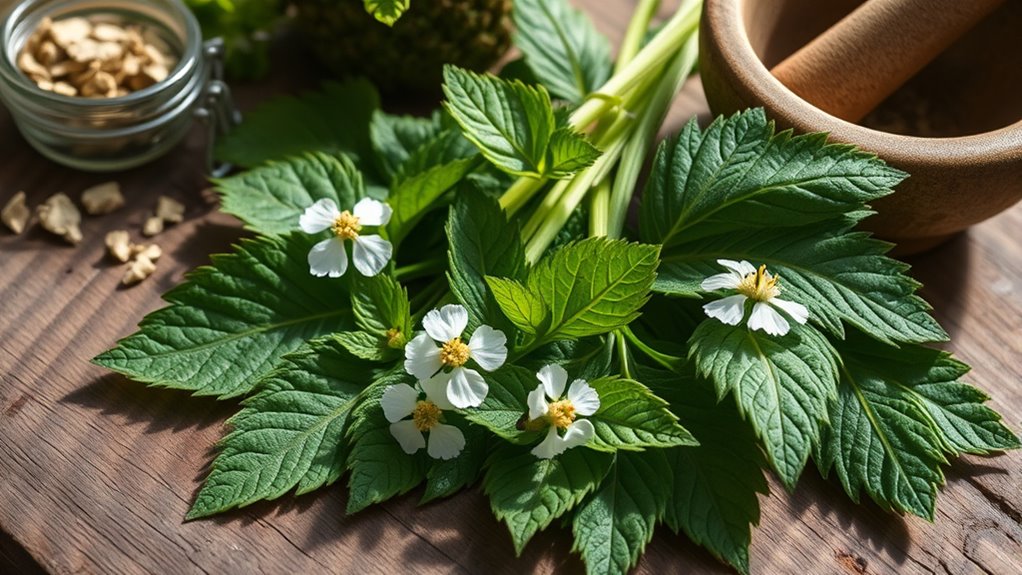
Certain individuals should exercise caution or avoid herbal migraine remedies altogether due to potential risks. If you have allergy concerns, especially with plants like feverfew or butterbur, these remedies might trigger allergic reactions. Pregnant or breastfeeding women should be particularly cautious, as the safety of these herbs isn’t fully established. People on blood-thinning medications should avoid feverfew, which can increase bleeding risk. Those with liver issues should steer clear of butterbur, as it may cause liver damage. Always consult your healthcare provider before starting any herbal supplement, especially if you’re unsure about potential interactions or risks. Remember, herbal remedies aren’t risk-free and may pose health concerns for specific groups. Your safety comes first when considering alternative migraine treatments.
Integrating Herbal Remedies With Conventional Migraine Treatments
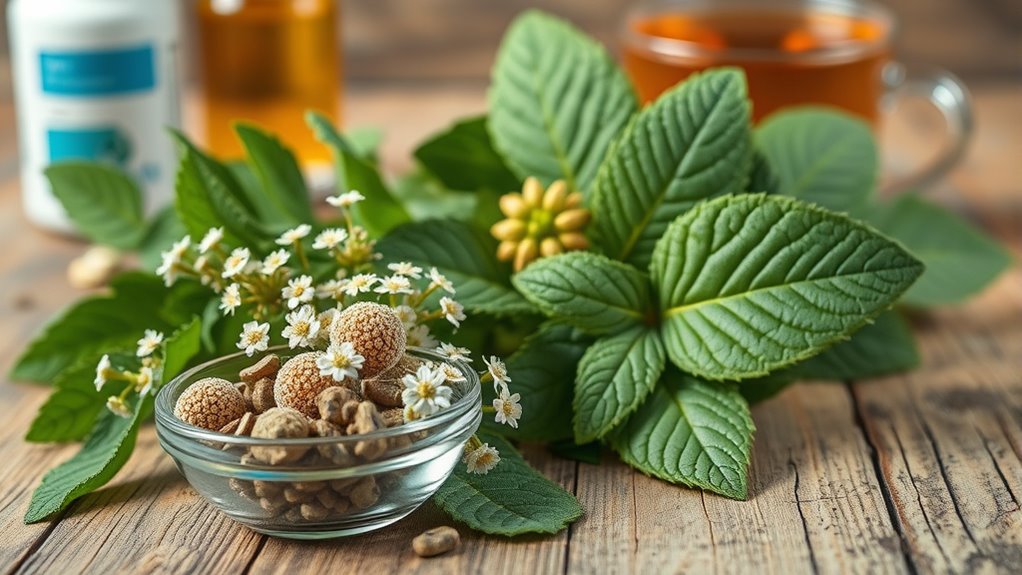
Integrating herbal remedies with conventional migraine treatments can provide a more extensive approach to managing your symptoms. To do this safely, understand herbal extraction methods, as they influence potency and purity. Proper extraction techniques ensure you receive effective doses without contaminants. When combining herbal remedies with medications, be aware of potential interactions. Some herbs, like feverfew or butterbur, may interact with blood thinners or other drugs, increasing the risk of side effects. Always consult your healthcare provider before mixing herbal supplements with your prescribed treatments. Monitoring for adverse reactions is vital, especially during initial use. By understanding herbal extraction methods and potential medication interactions, you can better tailor a holistic migraine management plan that complements your conventional treatment.
Frequently Asked Questions
Are There Any Known Drug Interactions With Feverfew or Butterbur?
You should be aware that feverfew and butterbur can have drug interactions and herbal contraindications. Feverfew may increase bleeding risk if you’re on blood thinners or anti-inflammatory medications. Butterbur can cause liver issues or interact with medications processed by the liver. Always consult your healthcare provider before combining these herbs with other drugs, as they can have adverse effects or reduce medication effectiveness. Stay cautious and informed about potential interactions.
Can Herbal Remedies Effectively Replace Prescription Migraine Medications?
Imagine trading stormy skies for clear blue—herbal remedies can sometimes serve as effective alternative treatment options, but their efficacy comparisons to prescription medications vary. You might find relief with herbs like feverfew or butterbur, yet they often lack the consistent strength of prescribed drugs. While some experience benefits, it is crucial to consult your healthcare provider to determine if these natural options can truly replace your current migraine treatment plan.
How Long Does It Take to Notice Improvements Using These Herbs?
You might notice herbal effectiveness within a few weeks, but the onset timeline varies based on the individual. Some people experience relief in as little as two weeks, while others may need up to two months. Consistency is key, so take the herbs regularly and monitor your response. Remember, patience is essential; give your body time to adjust before judging their full effectiveness for migraine relief.
Are There Specific Types of Migraines That Respond Better to Herbal Treatments?
Certain migraine types, like episodic migraines, tend to respond better to herbal treatment efficacy. You might find that herbal remedies such as feverfew and butterbur are more effective for these, especially if your migraines are less frequent and less severe. However, chronic migraines or those with aura may require additional medical approaches. Always consult your healthcare provider to determine the best treatment plan for your specific migraine type.
What Are the Long-Term Safety Considerations for Using Feverfew and Butterbur?
Using feverfew and butterbur is like walking a tightrope—you need to be cautious. Chronic use considerations include potential liver issues with butterbur and mouth ulcers from feverfew. Long-term safety data is limited, so consult your healthcare provider regularly. Keep an eye on any side effects and avoid high doses. Staying informed helps you manage risks while benefiting from these herbal remedies.
Conclusion
Did you know that studies show herbal remedies like feverfew and butterbur can reduce migraine frequency by up to 50%? By exploring these natural options, you can find relief without relying solely on medications. Just remember to follow recommended dosages and consult with your healthcare provider. Incorporating these herbs into your routine may offer a safer, effective way to manage migraines and improve your quality of life naturally.
Fall Picks
fall essentials
As an affiliate, we earn on qualifying purchases.