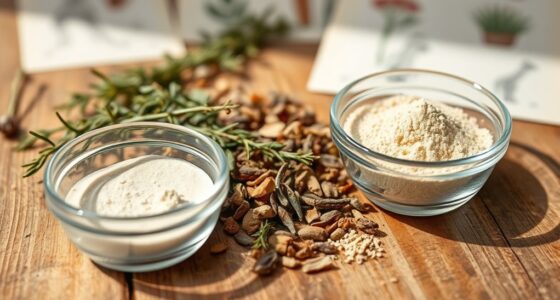

Comfrey has a longstanding reputation for helping bones and tissues heal faster, thanks to compounds like allantoin that promote cell growth. While some studies suggest it might speed up healing, concerns about liver toxicity from alkaloids make its safety controversial. You should be cautious, especially with internal use, and consider safer alternatives. To understand whether comfrey’s benefits outweigh the risks for you, explore the details below.
Key Takeaways
- Historically used to promote wound and bone healing, earning the nickname “knitbone.”
- Contains beneficial compounds like allantoin that stimulate tissue regeneration and reduce inflammation.
- Scientific studies suggest it can aid skin and bone repair when applied topically.
- Contains pyrrolizidine alkaloids that pose serious liver toxicity risks, especially with internal use.
- Safety concerns lead many experts to recommend limited, short-term topical use only, with professional guidance.
The History and Traditional Uses of Comfrey
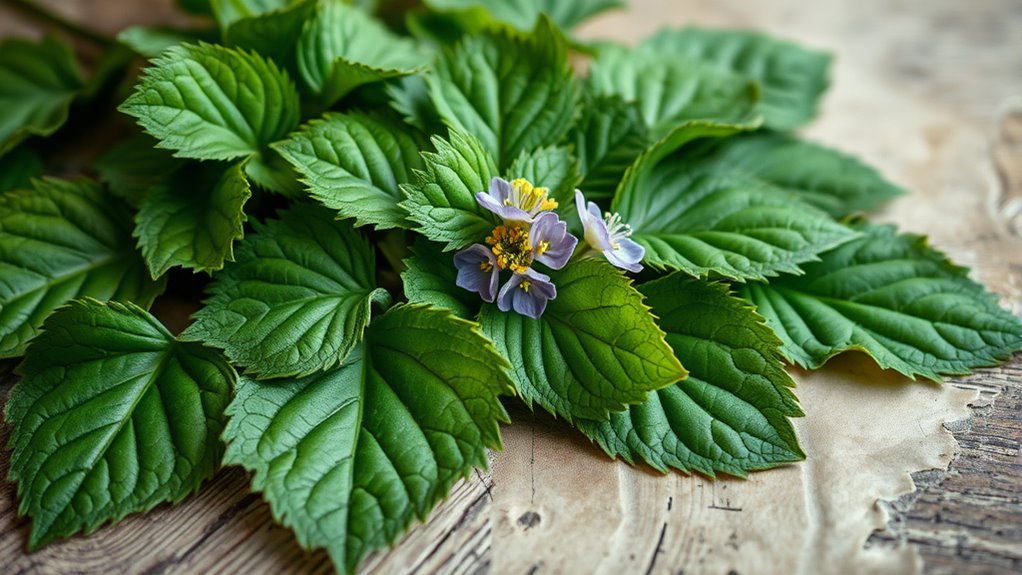
Comfrey has been valued for centuries as a medicinal herb, dating back to ancient Greece and Rome. People used it to treat wounds, fractures, and inflammation, believing it could accelerate healing. Its nickname, “knitbone,” reflects its reputation for helping bones and tissues mend faster. Historically, herbalists applied comfrey poultices directly to injuries or brewed teas to soothe internal ailments. In medieval Europe, it was a common remedy for skin ulcers and broken bones. Indigenous cultures in North America also recognized its healing properties. Though its uses have persisted, traditional knowledge highlights comfrey’s importance in folk medicine. Its long history underscores its perceived ability to promote recovery and provide relief, shaping its reputation as a potent healing herb across centuries.
How Comfrey Is Believed to Promote Healing

You might notice that comfrey helps speed up healing by encouraging cell regeneration. It also reduces inflammation naturally, easing discomfort and swelling. Plus, it stimulates tissue repair, supporting your body’s efforts to recover.
Accelerates Cell Regeneration
Although scientific evidence remains limited, many believe that comfrey can speed up healing by promoting cell regeneration. When you apply it to a wound or injury, comfrey’s compounds, like allantoin, are thought to stimulate the growth of new tissue. This process helps replace damaged cells more quickly, potentially reducing healing time. Supporters claim that by encouraging rapid cell turnover, comfrey helps your skin and tissues rebuild faster, leading to more efficient recovery. Some traditional uses suggest that the herb’s unique properties may also enhance the formation of healthy new cells, providing a supportive environment for healing. While research is ongoing, many who use comfrey report feeling that it accelerates their body’s natural regenerative processes.
Reduces Inflammation Naturally
Many believe that comfrey can help reduce inflammation naturally, supporting the body’s healing process. Its traditional use in herbal medicine suggests that compounds in comfrey may calm swelling and soothe irritated tissues. When applied topically as a poultice or ointment, it’s thought to lessen redness and pain associated with injuries. Some studies indicate that certain bioactive components in comfrey might inhibit inflammatory pathways, promoting faster recovery. However, these effects are primarily anecdotal, and scientific evidence remains limited. It’s important to remember that while comfrey may offer anti-inflammatory benefits, using it improperly or in large amounts can pose health risks. Always consult a healthcare professional before incorporating comfrey into your treatment routine to ensure safe and effective use.
Stimulates Tissue Repair
Comfrey is believed to promote healing by stimulating tissue repair, a property that has made it a popular remedy in traditional medicine. It contains compounds like allantoin, which encourages cell growth and accelerates the regeneration of damaged tissues. When you apply comfrey topically, these compounds work directly on your skin, helping to close wounds faster and reduce recovery time. Many herbalists have used comfrey for injuries, cuts, and bruises because it is thought to enhance the body’s natural healing process. The plant’s ability to boost cell proliferation makes it especially appealing for those seeking a natural way to support tissue regeneration. However, it’s important to remember that scientific evidence is limited, and safety concerns should be considered before use.
The Chemical Composition of Comfrey and Its Effects
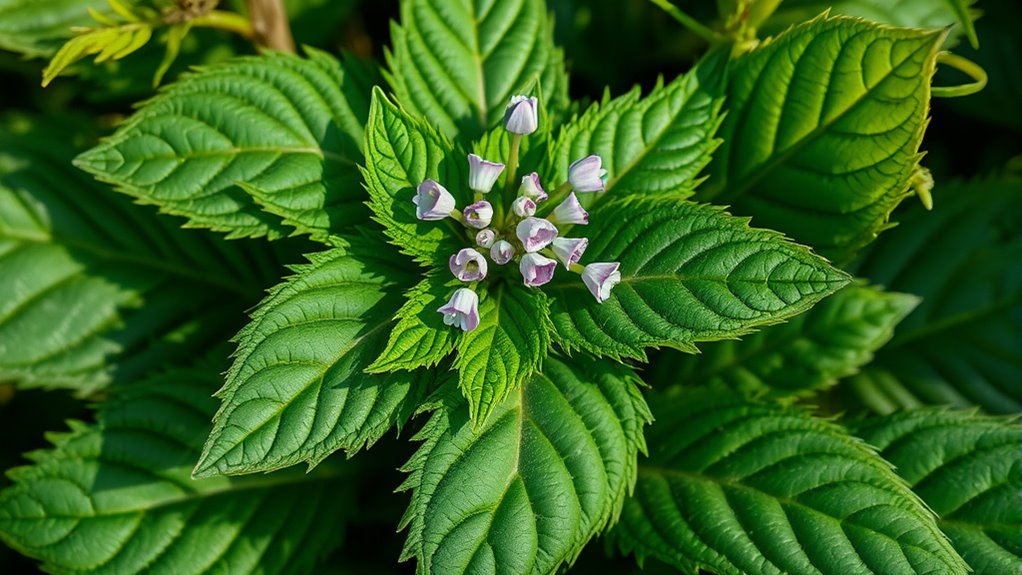
The chemical makeup of comfrey includes a variety of compounds that can impact your health, both positively and negatively. Key components include allantoin, mucilage, and rosmarinic acid, which aid tissue healing and reduce inflammation. However, comfrey also contains pyrrolizidine alkaloids, which can be toxic to your liver if ingested or absorbed through the skin in large amounts. These compounds can cause serious health issues over time.
Knowing what’s inside helps you weigh the benefits against the risks. For example, allantoin promotes cell growth, mucilage soothes tissues, and rosmarinic acid provides antioxidant effects. But, the presence of harmful alkaloids warns against internal use or prolonged topical application without proper processing.
Scientific Studies and Evidence Supporting Comfrey’s Benefits

Numerous scientific studies have explored comfrey’s healing properties, providing evidence that supports its traditional use in treating skin and musculoskeletal conditions. Research shows that compounds in comfrey, like allantoin and rosmarinic acid, promote cell growth and reduce inflammation, aiding wound healing and tissue repair. Laboratory tests demonstrate its ability to accelerate skin regeneration and decrease infection risk. Clinical studies also suggest that topical comfrey preparations can effectively reduce pain and improve function in conditions like arthritis and sports injuries. While these findings are promising, most research emphasizes short-term applications and localized treatment. You should recognize that, although scientific evidence highlights potential benefits, it’s important to contemplate individual responses and consult healthcare professionals before using comfrey for medicinal purposes.
Safety Concerns and Potential Health Risks

While comfrey offers potential health benefits, it’s important to be aware of its safety concerns and possible risks. The herb contains compounds called pyrrolizidine alkaloids, which can cause liver damage if ingested or used improperly. When applied topically, there’s still a risk of skin irritation or allergic reactions, especially if you have sensitive skin. Long-term or excessive use may increase the chance of serious health issues, including liver toxicity and even cancer. To stay safe, consider these points:
Comfrey may cause liver damage and skin reactions; use cautiously and avoid internal consumption.
- Avoid internal use unless supervised by a healthcare professional
- Limit topical application duration and frequency
- Check for signs of allergic reactions or skin irritation
Being cautious helps minimize health risks while exploring comfrey’s potential benefits.
Legal Status and Regulations Surrounding Comfrey
Because of the health risks associated with comfrey, many countries have implemented strict regulations or outright bans on its use and sale. In the United States, the FDA prohibits the sale of internal comfrey products due to liver toxicity concerns, although topical use remains less restricted. The European Union classifies comfrey as a herbal substance with potential health risks and has limited its availability. Canada bans the sale of comfrey for internal use, citing safety issues. Several countries, such as Australia and New Zealand, also restrict or regulate its sale and distribution. These regulations reflect ongoing concerns about pyrrolizidine alkaloids in comfrey, which can cause serious health problems. As a result, if you’re considering using comfrey, you must check local laws and regulations carefully.
Alternatives to Comfrey for Bone and Tissue Repair

If you’re seeking alternatives to comfrey for bone and tissue repair, several herbal and natural options can support healing without the associated health risks. You can explore herbs known for their regenerative properties, such as:
- Arnica: Traditionally used to reduce inflammation and promote tissue healing.
- Turmeric: Contains curcumin, which has anti-inflammatory effects that may aid recovery.
- Calendula: Known for its wound-healing and tissue-regenerating capabilities.
These herbs can be applied topically or taken as supplements, depending on your needs. While they may not have the same reputation as comfrey, they offer safer options for supporting bone and tissue repair. Always consult with a healthcare professional before starting any new herbal regimen to ensure safety and proper use.
Making an Informed Decision: Should You Use Comfrey?

Before deciding to use comfrey, you need to contemplate safety concerns and whether the benefits outweigh the risks. Look at the evidence for its effectiveness and make sure you understand proper usage guidelines. Being informed helps you make the best choice for your health and well-being.
Safety Considerations
While comfrey offers potential benefits for healing and skin applications, safety concerns require careful consideration. Its use has been linked to liver toxicity and other health risks, especially when ingested or used improperly. You should be aware of these risks before applying or consuming comfrey products.
Consider these safety points:
- Avoid internal use unless prescribed by a healthcare professional, as it contains pyrrolizidine alkaloids linked to liver damage.
- Use topically only on intact skin; do not apply to broken or irritated skin.
- Pregnant or breastfeeding individuals should steer clear, as safety data is limited and risks may be higher.
Being informed helps you weigh benefits against risks and decide whether comfrey is suitable for your needs.
Effectiveness Evidence
Research on comfrey’s effectiveness shows mixed results, making it important to contemplate the available evidence carefully. Some studies suggest it may promote bone and tissue healing, while others find limited or inconclusive benefits. Here’s a quick overview:
| Study Type | Findings | Limitations |
|---|---|---|
| Clinical Trials | Slight improvements in wound healing | Small sample sizes |
| Animal Research | Accelerated bone repair | Not directly applicable to humans |
| User Reports | Pain relief and faster recovery | Subjective, unverified |
| Systematic Reviews | Insufficient evidence for conclusive claims | Need for more rigorous studies |
While promising reports exist, the lack of definitive, large-scale research makes it hard to fully endorse comfrey’s effectiveness.
Proper Usage Guidelines
To use comfrey safely, it’s essential to follow established guidelines and be well-informed about its potential risks. First, only apply topically and avoid ingesting it, as internal use can cause liver damage. Always test a small patch of skin first to check for allergies or irritation. Second, limit use to short periods—no more than two weeks—and avoid covering treated areas tightly. Third, consult a healthcare professional before using comfrey, especially if you’re pregnant, nursing, or have existing health conditions. Remember, even natural remedies require caution. Keep comfrey out of reach of children, and never apply it to broken or irritated skin. Being cautious helps you minimize risks while exploring whether this herb suits your needs.
Frequently Asked Questions
Are There Any Known Cases of Comfrey Causing Liver Damage?
Yes, there are known cases of comfrey causing liver damage. When ingested, especially over long periods or in large amounts, it can lead to severe liver toxicity and even liver failure. The alkaloids in comfrey are responsible for this risk, which is why many health authorities advise against internal use. If you’re considering using comfrey, it’s essential to consult a healthcare professional to understand the potential dangers.
Can Topical Comfrey Be Safely Used on Open Wounds?
Hold your horses, modern medicine aside, using topical comfrey on open wounds isn’t entirely safe. You might think it’s a quick fix, but it could cause skin irritation or infection, especially if the plant contains harmful alkaloids. It’s best to consult a healthcare professional before applying comfrey to open cuts. Stick to proven wound care methods to avoid any unintended side effects. Better safe than sorry, as they say.
What Are the Differences Between Comfrey Varieties in Healing Effectiveness?
You’ll find that common comfrey varieties, like Symphytum officinale, are generally more effective for healing due to higher levels of allantoin, which promotes cell growth. Russian comfrey (Symphytum x uplandicum) tends to have fewer toxic alkaloids, making it safer for topical use. However, always choose reputable sources and avoid internal use unless advised by a healthcare professional, as some varieties pose health risks.
How Do Regulatory Agencies Currently Regulate Comfrey Products?
Imagine regulators as gatekeepers standing guard over your safety. They currently restrict comfrey products due to potential liver toxicity, often banning internal use and limiting external applications. In some countries, they require clear labeling and safety warnings. You should always check local regulations before purchasing or using comfrey, because these agencies aim to protect you from harm while allowing its traditional benefits to be explored responsibly.
Are There Any Natural Alternatives With Fewer Health Risks Than Comfrey?
Yes, you can consider alternatives like arnica, which is often used topically for bruises and muscle pain with fewer risks. Ginger and turmeric also offer anti-inflammatory benefits when taken orally, supporting healing without the liver toxicity concerns linked to comfrey. Always consult with a healthcare professional before trying new remedies, especially if you have existing health conditions or are on medication.
Conclusion
Like a skilled builder, you want the best tools for your body’s repairs. Comfrey has a long history as a “bone-knit” herb, but recent research raises questions about its safety. Think of it as a delicate scaffolding—supportive yet potentially risky if unstable. Before using it, weigh the tradition against the science. When in doubt, explore safer alternatives and consult a healthcare professional—because your health deserves a sturdy, well-informed foundation.