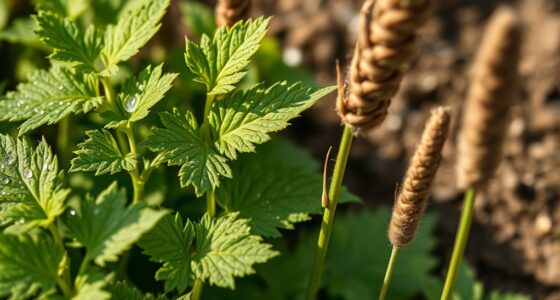
You can use traditional herbs like comfrey, horsetail, and arnica to support fracture healing. Comfrey, known as “knitbone,” promotes tissue growth with compounds like allantoin. Horsetail provides silica to strengthen bones and tissues, while arnica helps reduce swelling and pain with its anti-inflammatory properties. These herbs have been used for centuries in natural healing practices, and exploring how they can complement your recovery might offer additional benefits as you continue your healing journey.
Key Takeaways
- Historically, comfrey, horsetail, and arnica have been used in traditional medicine to support bone repair, reduce swelling, and relieve pain during fracture recovery.
- Comfrey contains allantoin and rosmarinic acid, promoting cell growth and reducing inflammation, making it valuable for bone healing.
- Horsetail, rich in silica, strengthens bones and tissues, accelerating tissue regeneration and overall fracture healing.
- Arnica is applied topically to decrease swelling, alleviate pain, and promote tissue repair in injured areas.
- Proper herbal preparation and integration with conventional medicine are essential for safe, effective fracture treatment.
The Historical Use of Comfrey, Horsetail, and Arnica in Bone Healing
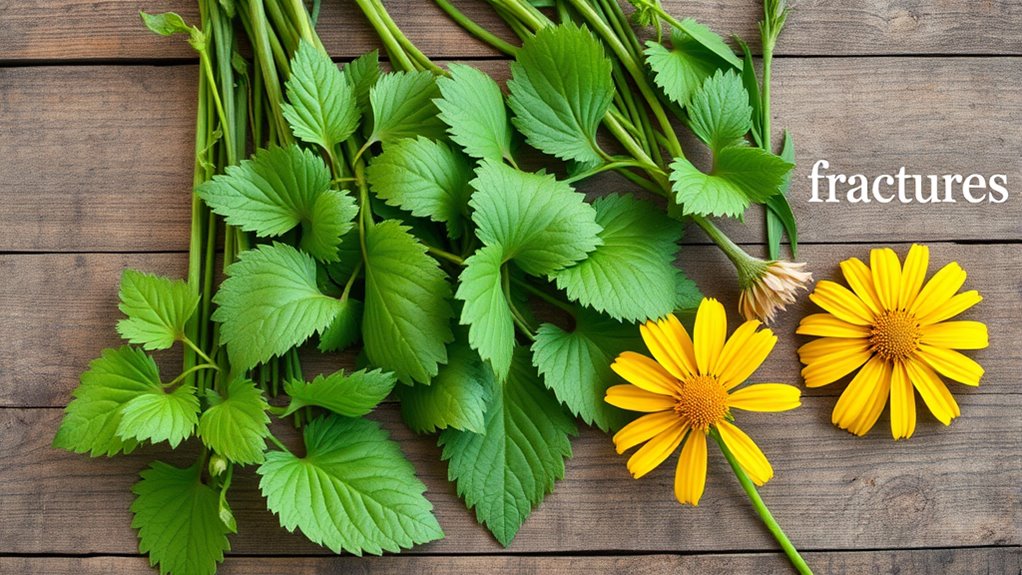
Have you ever wondered how ancient cultures healed broken bones without modern medicine? They relied on herbal cultivation and traditional preparations involving plants like comfrey, horsetail, and arnica. These herbs were carefully grown and harvested for their healing properties. Comfrey, known as “knitbone,” was used in poultices and ointments to promote bone repair. Horsetail, rich in silica, was prepared as infusions or decoctions to strengthen bones and tissues. Arnica, applied topically as a salve or compress, alleviated pain and swelling. These traditional preparations were passed down through generations, often combining herbs in specific ways to enhance healing. Their widespread use highlights how ancient healers harnessed natural resources, emphasizing the importance of herbal cultivation in bone-healing traditions.
Active Compounds and Pharmacological Properties of Comfrey, Horsetail, and Arnica
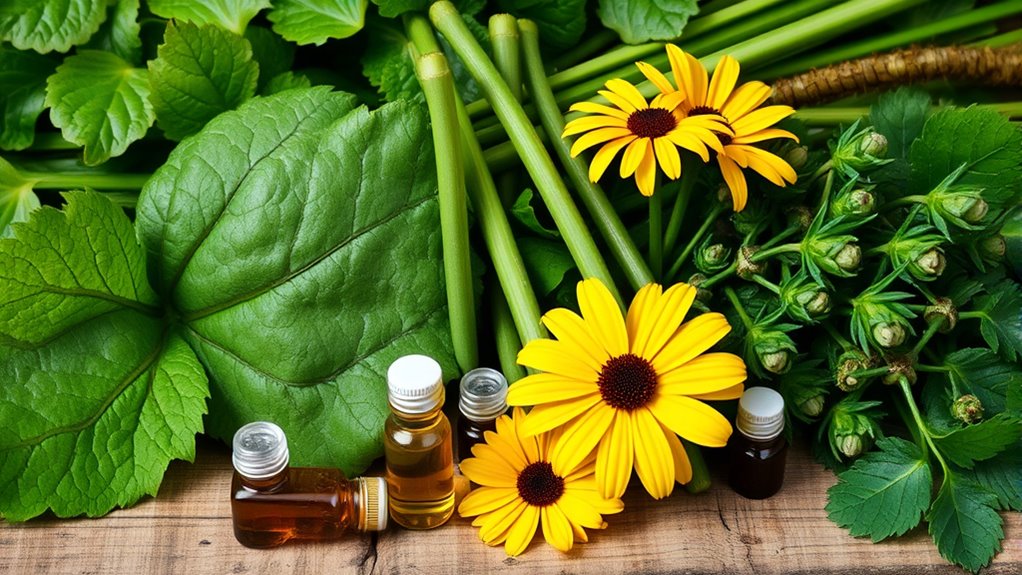
Comfrey, horsetail, and arnica contain powerful active compounds that contribute to their healing effects. Through herbal extraction methods, these plants release phytochemicals responsible for their medicinal properties. Comfrey is rich in allantoin, which promotes cell growth, and rosmarinic acid, known for anti-inflammatory effects. Horsetail contains silica and flavonoids that support tissue regeneration. Arnica harbors sesquiterpene lactones like helenalin, which reduce swelling and pain. To understand these compounds, phytochemical analysis is essential, revealing the specific bioactive molecules responsible for the herbs’ pharmacological actions. These compounds work synergistically to accelerate healing, reduce inflammation, and improve tissue repair, making these herbs valuable in traditional fracture treatment. Their pharmacological properties are rooted in their unique phytochemical profiles uncovered through rigorous extraction and analysis. Additionally, modern research often focuses on herbal extraction methods to optimize the potency and efficacy of these medicinal herbs. Phytochemical analysis plays a crucial role in identifying and isolating the bioactive constituents that underpin their therapeutic effects. A detailed understanding of bioactive compounds enhances the development of effective herbal remedies. Moreover, advances in analytical techniques are facilitating more precise identification of active constituents in these herbs.
Traditional Applications of Comfrey for Fracture Recovery
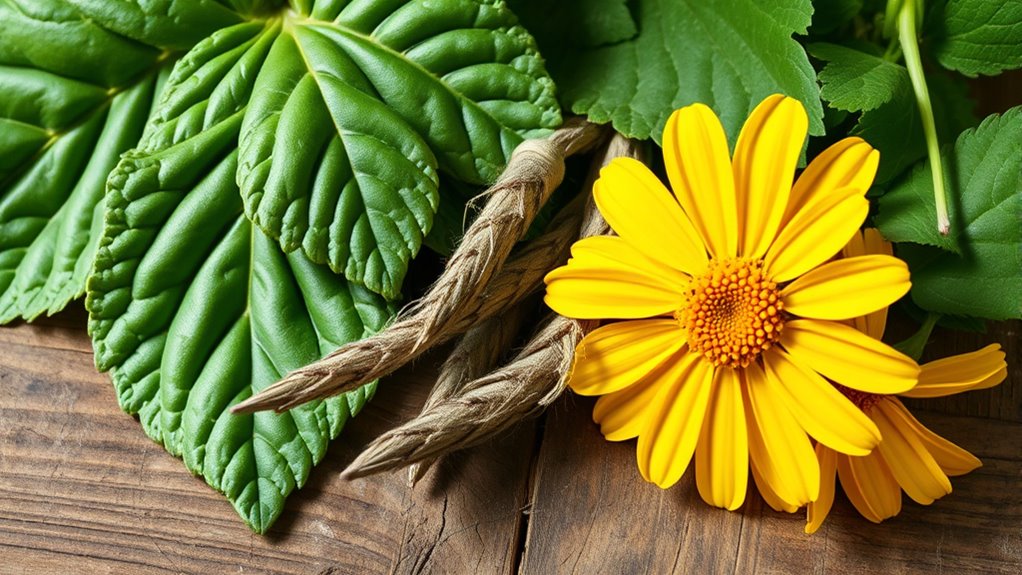
You may have heard that comfrey has been used for centuries to support bone healing. Traditionally, people applied it topically to injured areas to promote recovery. Its historical use highlights its significance in natural fracture treatment. Incorporating herbal remedies like comfrey aligns with traditional applications that emphasize natural healing methods.
Historical Use in Bone Healing
Historically, comfrey has been valued for its remarkable ability to promote bone healing. In ancient remedies, herbal symbolism linked comfrey to strength and recovery, making it a popular choice for fracture treatments. People believed that its leaves and roots contained healing energies that could mend bones quickly. This traditional use spanned cultures, from European herbalists to Asian healers, emphasizing its role in restoring health. The plant’s reputation as a “knitbone” herb highlights its significance in folk medicine. Its application was often symbolic, representing renewal and resilience. These historical practices reflect a deep-rooted trust in comfrey’s healing powers, which still influence herbal medicine today.
| Cultural Practice | Symbolism | Main Use |
|---|---|---|
| European remedies | Strength | Bone fractures |
| Asian herbal medicine | Renewal | Tissue repair |
| Folk traditions | Resilience | Rapid healing |
Topical Comfrey Applications
Applying comfrey directly to the skin has been a traditional remedy for supporting fracture recovery. Its herbal potency lies in its ability to promote tissue regeneration and reduce inflammation. Traditional preparations often involve making poultices or salves from fresh or dried comfrey leaves, which you can apply gently over the affected area. These preparations are designed to maximize herbal potency while minimizing potential irritation. When used topically, comfrey’s mucilage and allantoin work together to stimulate cell growth and accelerate healing. Incorporating herbal medicine practices can enhance overall recovery outcomes. You should verify the preparation is clean and free from contaminants. Regular application can help soothe pain, support new tissue formation, and enhance the body’s natural healing processes. Monitoring your treatment outcomes and adjusting as needed can improve recovery. Always follow traditional guidelines and consult with a healthcare professional for proper use. Additionally, understanding the medicinal properties of comfrey can help optimize its use in fracture healing. Considering the local availability of medicinal herbs can also be beneficial in ensuring effective treatment options.
Horsetail’s Role in Supporting Bone Strength and Regeneration

Horsetail is renowned for its high silica content, which plays a essential role in supporting bone strength and promoting regeneration. This herb enhances bone regeneration mechanisms by supplying essential minerals that strengthen the skeletal system. The silica in horsetail helps rebuild damaged tissues and supports collagen formation, indispensable for fracture healing. Incorporating horsetail into your recovery can accelerate bone repair and improve overall strength. Additionally, the nutritional benefits of horsetail contribute to overall healing and tissue repair. The presence of silica also enhances connective tissue health, making it a valuable addition to healing protocols. Understanding the herbal properties that support recovery can optimize healing strategies. Here’s a quick overview of key benefits:
| Benefit | How It Works | Result |
|---|---|---|
| Strengthening Bones | Supplies silica for collagen synthesis | Increased bone density |
| Promoting Regeneration | Enhances mineralization process | Faster healing |
| Supporting Connective Tissues | Boosts tissue resilience | Reduced recovery time |
Using herbs like horsetail can be a natural way to support recovery, emphasizing the importance of traditional remedies in modern healing processes.
Arnica’s Anti-Inflammatory and Pain-Relieving Effects in Injury Treatment

Arnica is well-known for reducing swelling and easing pain naturally, making it a valuable remedy after injury. Its anti-inflammatory properties help calm inflammation quickly, so you experience less discomfort. Plus, arnica can speed up your healing process, getting you back on your feet sooner. Incorporating natural remedies into your recovery can also support your emotional well-being during this time. Using arnica alongside other dog breeds known for their resilience can further enhance your recovery process.
Reduces Swelling Effectively
When you experience swelling after a fracture, the anti-inflammatory properties of arnica can help reduce it quickly and effectively. Using arnica in an herbal infusion can boost your swelling management efforts, providing a natural remedy that targets inflammation at its source. Applying arnica topically or as a compress can help lessen swelling and promote faster recovery. Its compounds work to decrease fluid buildup, easing pressure and discomfort. Additionally, arnica’s anti-inflammatory effects support the body’s natural response to injury, accelerating healing. Incorporating arnica into your healing routine offers a gentle, yet powerful way to reduce swelling without harsh chemicals. Remember, consistent use is key for maximum benefit. Inflammation management can be further supported by understanding how herbal remedies like arnica interact with your body’s healing processes. Recognizing the importance of natural healing approaches can enhance recovery outcomes. By choosing arnica, you support your body’s natural healing process and keep swelling under control, helping you move forward in your recovery more comfortably. Healing processes are enhanced when inflammation is effectively managed, leading to improved recovery outcomes. Furthermore, understanding the role of herbal remedies in healing can empower you to make informed choices for your recovery.
Eases Pain Naturally
Are you looking for a natural way to ease pain after a fracture? Arnica is known for its powerful anti-inflammatory and pain-relieving effects. When used topically, arnica reduces soreness, bruising, and swelling, helping you feel more comfortable. To get the best results, follow proper herbal dosage guidelines, ensuring you don’t overuse or misuse the herb. Growing arnica requires specific herbal cultivation techniques, including well-drained soil and partial shade, to produce potent flowers for topical applications. Remember, arnica shouldn’t be ingested without professional guidance, as it can be toxic in high doses. By incorporating arnica into your recovery routine, you harness a traditional remedy that offers natural relief from pain and inflammation.
Accelerates Healing Process
Because of its potent anti-inflammatory properties, arnica can substantially speed up the healing process after a fracture or injury. Its traditional knowledge as a natural remedy highlights its ability to reduce swelling, promote blood flow, and minimize pain. When used correctly, arnica enhances tissue repair and shortens recovery time. However, herbal safety is essential; avoid applying arnica to broken skin or ingesting it without professional guidance. To visualize its benefits, consider this:
| Effect | How It Helps | Traditional Use |
|---|---|---|
| Reduces inflammation | Less swelling, faster healing | Topical ointments |
| Pain relief | Eases discomfort during recovery | Herbal compresses |
| Speeds tissue repair | Promotes quicker fracture healing | Herbal traditions worldwide |
Use arnica wisely, respecting its traditional knowledge for safe, effective healing.
Safety Considerations and Potential Risks of Using Herbal Remedies

While herbal remedies can support fracture healing, they also carry potential risks that shouldn’t be overlooked. It’s crucial to follow proper dosage guidelines to prevent adverse effects, as taking too much of herbs like comfrey or horsetail can cause toxicity or liver issues. Always start with the lowest effective dose and consult a healthcare professional if unsure. Additionally, allergy considerations are critical; some people may develop skin irritation or allergic reactions to certain herbs. For example, arnica applied topically can cause irritation in sensitive individuals. Never apply herbs internally or externally without proper guidance. Be aware of possible interactions with medications or pre-existing conditions. Prioritize safety by researching herbs thoroughly and listening to your body’s responses during use.
Combining Herbal Treatments With Conventional Medicine for Optimal Recovery
Combining herbal treatments with conventional medicine can enhance fracture recovery when done thoughtfully. To maximize benefits, consider these key points:
- Herbal dosage is vital; follow recommended amounts to avoid adverse effects and ensure effective healing.
- Use herbal remedies as alternative therapies alongside prescribed medications, not as replacements, to support the healing process.
- Consult your healthcare provider to coordinate treatments, guaranteeing herbal supplements don’t interfere with prescribed drugs or recovery plans.
Modern Research and Scientific Perspectives on These Herbal Remedies

Recent scientific studies have begun to validate the healing properties attributed to traditional herbs used for fracture recovery. Researchers are exploring herbal extraction methods to isolate active compounds responsible for bone regeneration and anti-inflammatory effects. Clinical trials involving herbs like comfrey, horsetail, and arnica have shown promising results, demonstrating improved healing times and reduced pain. These studies help bridge traditional knowledge with modern science, providing a clearer understanding of how these herbs support the body’s natural repair processes. While further research is needed to confirm ideal dosages and safety, current evidence suggests that integrating herbal remedies into fracture treatment could enhance recovery. Staying informed about ongoing scientific developments allows you to make evidence-based decisions about incorporating these herbal options into your healing plan.
Practical Tips for Incorporating Comfrey, Horsetail, and Arnica Into Healing Practices
Incorporating comfrey, horsetail, and arnica into your fracture healing routine can be straightforward when you follow some practical tips. First, always choose high-quality herbal preparations, such as tinctures, ointments, or teas, from reputable sources. Second, adhere to dosage guidelines carefully; overuse can cause adverse effects. Third, combine herbal applications with professional medical advice to ensure safety and effectiveness. For topical use, apply comfrey or arnica ointments directly to the affected area, following recommended frequencies. When using horsetail internally, prepare teas or capsules according to dosage instructions. Remember, consistency is key—regular use enhances healing. By respecting herbal preparation standards and dosage guidelines, you can effectively integrate these herbs into your fracture recovery process.
Frequently Asked Questions
Are There Any Known Allergic Reactions to Comfrey, Horsetail, or Arnica?
Yes, you can experience herb allergy risks with comfrey, horsetail, or arnica. Some people develop allergic reactions like skin rashes, itching, or swelling from these herbs. It’s important to be aware of herbal contraindications, especially if you’re sensitive or have a history of allergies. Always test a small area first and consult a healthcare professional before using these herbs topically or internally to avoid potential allergic responses.
Can Herbal Remedies Replace Conventional Fracture Treatments Entirely?
Imagine you’re in a medieval apothecary—herbal remedies aren’t enough to substitute modern care. You can’t rely solely on herbal efficacy for fracture healing protocols, as conventional treatments ensure proper stabilization and prevent complications. While herbs like comfrey, horsetail, and arnica support healing, they shouldn’t replace professional medical attention. Always follow your healthcare provider’s advice for safe, effective fracture recovery, blending traditional herbs with modern medicine.
How Long Should Herbal Treatments Be Used During Fracture Healing?
You should use herbal treatments for fracture healing during the early to mid-stages of your healing timeline, typically for about 4 to 6 weeks. The duration of herbal use depends on how your fracture progresses and your body’s response. It is crucial to monitor your healing and consult with a healthcare professional to determine the appropriate length of herbal remedies, ensuring they support your recovery without interfering with conventional treatments.
Are There Specific Dosages Recommended for These Herbs?
Think of herb dosage guidelines as your map to safe healing. For comfrey, stick to recommended intake amounts like 2-4 grams daily, either as a tea or topical application. Horsetail usually requires about 300-500 mg of silica daily, while arnica is best used in homeopathic doses or as directed. Always follow label instructions or consult a healthcare professional to avoid overdoing it and guarantee effective healing.
Do Herbal Remedies Interact With Common Medications for Fractures?
Herbal remedies can interact with common fracture medications, so you should always check for herbal interactions and medication compatibility before combining them. Some herbs may enhance or reduce medication effects, increasing risks or decreasing effectiveness. Always consult your healthcare provider to verify your herbal use doesn’t interfere with prescribed treatments. Being cautious helps you safely benefit from both herbal remedies and conventional medications without unintended side effects.
Conclusion
By embracing the traditional wisdom of comfrey, horsetail, and arnica, you support healing, reduce inflammation, and strengthen bones. You honor centuries of herbal knowledge, complement modern medicine, and empower your recovery journey. You nurture your body with natural remedies, trust their healing power, and embrace a holistic approach. You heal faster, feel more balanced, and regain your strength—guided by nature’s gentle yet potent touch.