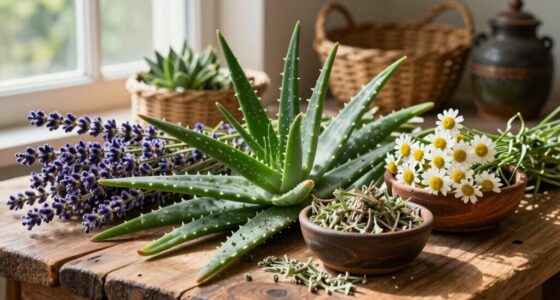

Herbalists are trained experts in plant-based therapies, providing personalized treatment plans that focus on preventive care, holistic symptom management, and wellness promotion. They leverage expertise in pharmacology and therapeutic properties, recommending dietary changes and lifestyle modifications to promote wellness and prevent illness. With formal education, apprenticeships, or self-study, herbalists acquire expertise in botanical medicine, phytotherapy, and naturopathic medicine. As the World Health Organization recognizes traditional medicine, including herbal medicine, as essential in healthcare systems, herbalists play an important role in shaping the future of healthcare, and exploring their role further can reveal the vast potential of herbal medicine.

Get oils, diffusers and self-care delivered free with Prime
- Fast, free delivery on millions of items
- Prime Video, Amazon Music and more included
- Member-only deals all year
Key Takeaways
• Herbalists create personalized treatment plans, focusing on natural remedies and lifestyle modifications to promote wellness and prevent illness.
• They acquire expertise in plant-based therapies through formal education, apprenticeships, or self-study, and may opt for certification programs.
• Herbal medicine offers a holistic approach to healthcare, empowering individuals to take control of their well-being through natural remedies and lifestyle changes.
• Herbalists must navigate licensure, certification, and regulatory compliance, adhering to ethical and legal standards in their practice.
• The future of herbal healthcare lies in personalized, collaborative, and evidence-based approaches, with herbalists playing a crucial role in shaping the future of healthcare.
Understanding Herbalism in Healthcare
How do herbalists, with their unique blend of traditional knowledge and modern understanding of plant-based therapies, contribute to the healthcare landscape, and what role do they play in promoting wellness and preventing illness?
By leveraging their expertise in pharmacology and therapeutic properties of herbs, herbalists create personalized treatment plans tailored to specific health concerns. They focus on supporting and improving health through natural remedies, often recommending dietary changes, herbal remedies, and lifestyle modifications.
The Making of an Herbalist

Herbalists typically undertake a unique educational journey, combining formal education, apprenticeships, or self-study to acquire the expertise needed to create personalized treatment plans and recommend effective plant-based therapies.
This diverse educational path allows them to develop a deep understanding of pharmacology, therapeutic properties, and the nuances of herbal remedies. Many herbalists opt for certification programs, such as those offered by the American Herbalists Guild, to demonstrate their expertise and commitment to the field.
Practical training involves clinical practice, where they hone their skills in formulating herbal remedies and creating individualized treatment plans. By combining theoretical knowledge with hands-on experience, herbalists become equipped to provide high-quality care to their patients.
Scope of Herbal Medicine

Within the domain of alternative healthcare, herbal medicine plays an essential role in promoting wellness and preventing illness by leveraging the therapeutic properties of plants. Herbalists create individualized treatment plans, incorporating dietary changes, herbal remedies, and lifestyle modifications to support and improve health. The scope of herbal medicine is vast, encompassing various treatment modalities and areas of focus.
| Modality | Focus | Example |
|---|---|---|
| Botanical Medicine | Preventive care, chronic conditions | Tinctures for anxiety |
| Phytotherapy | Holistic approach, symptom management | Herbal teas for digestive issues |
| Naturopathic Medicine | Whole-person approach, wellness promotion | Customized herbal blends for stress relief |
Herbal medicine offers a natural, holistic approach to healthcare, empowering individuals to take control of their well-being. By understanding the scope of herbal medicine, individuals can make informed decisions about their health and collaborate with herbalists to achieve peak wellness.
Legal and Ethical Considerations

Three key aspects of herbal medicine greatly impact the practice of herbalism: licensure, certification, and regulatory compliance. Herbalists must navigate complex legal and ethical considerations to guarantee the safe and effective delivery of their services.
Herbalists must adhere to ethical and legal standards in their practice, ensuring certification processes through organizations like the American Herbalists Guild enhance credibility. Legal considerations include regulatory compliance, patient privacy, and informed consent.
Certification processes and adherence to ethical standards also build trust with patients and other healthcare professionals. By prioritizing quality, safety, and patient education, herbalists can integrate their practice with conventional healthcare, ultimately providing all-encompassing care for patients.
The Future of Herbal Healthcare

As herbal medicine continues to gain recognition and integration within conventional healthcare systems, it's becoming increasingly clear that the future of herbal healthcare lies in personalized, collaborative, and evidence-based approaches. This shift is driven by the growing demand for holistic, patient-centered care. According to the World Health Organization, 'traditional medicine, of which herbal medicine is a part, is an essential component of healthcare systems in many countries.'
| Trend | Description |
|---|---|
| Personalized Medicine | Tailored treatment plans based on individual needs and genetic profiles |
| Integrative Research | Collaborative studies between herbalists and conventional healthcare professionals |
| Digital Health | Online platforms and telemedicine services for accessible herbal consultations |
As the industry moves forward, herbalists will play a crucial role in shaping the future of healthcare.
Frequently Asked Questions
Can Herbalists Prescribe Medications or Pharmaceuticals?
Herbalists aren't licensed to prescribe medications or pharmaceuticals. Their scope of practice focuses on recommending natural remedies, such as herbal supplements, teas, and tinctures, to support the body's natural healing processes.
Herbalists work within their defined scope, avoiding pharmaceutical prescriptions, which are the exclusive domain of licensed medical professionals. This distinction is vital in maintaining the integrity of both conventional and alternative healthcare practices.
Do Herbal Remedies Interact With Prescription Medications?
Herbal remedies can interact with prescription medications, potentially leading to adverse effects. According to the National Institutes of Health, 'herbal supplements can interact with medications and may alter their efficacy or increase the risk of side effects.'
Herbalists must consider potential interactions when recommending remedies, especially for patients taking medications for chronic conditions. Consulting with a healthcare professional before combining herbal remedies with prescription medications is crucial to guarantee safe and effective treatment.
Are Herbalists Qualified to Diagnose Medical Conditions?
According to a 2020 survey, 77% of Americans use herbal supplements, highlighting the growing demand for herbalists.
However, are herbalists qualified to diagnose medical conditions? Typically, herbalists aren't licensed to diagnose medical conditions, as this falls under the scope of medical doctors and other licensed healthcare professionals.
Herbalists focus on creating individualized treatment plans using natural remedies, often in collaboration with conventional healthcare providers.
Can Herbal Medicine Be Used to Treat Chronic Illnesses?
In addition, herbal medicine can be used to treat chronic illnesses, as evidenced by its application in managing symptoms of conditions like diabetes, hypertension, and arthritis.
Herbal remedies, such as turmeric and ginger, have anti-inflammatory properties, which can help alleviate chronic pain.
Additionally, herbalists create individualized treatment plans, incorporating dietary changes and lifestyle modifications, to support the body's natural healing processes.
Are Herbal Remedies Suitable for Pregnant or Breastfeeding Women?
When it comes to pregnant or breastfeeding women, herbal remedies should be approached with caution. While some herbs can be beneficial, others can stimulate the uterus, induce labor, or affect milk production. According to the American Pregnancy Association, 'some herbal teas, such as peppermint, raspberry leaf, and ginger, are considered safe during pregnancy.'
However, it's vital for pregnant or breastfeeding women to consult with a qualified healthcare provider or registered herbalist to guarantee safe and effective use of herbal remedies.
Conclusion
As the healthcare landscape continues to evolve, herbalists stand at the forefront of alternative medicine, bridging the gap between traditional knowledge and modern science. With their unique blend of expertise and holistic approach, they empower individuals to take control of their well-being.
As the demand for natural remedies grows, the importance of these unsung heroes can't be overemphasized. According to the American Herbalists Guild, 'herbalism is a crucial part of the healthcare system, providing a safe and effective way to promote health and wellness.'
As the future of healthcare unfolds, one thing is clear: herbalists are here to stay.
Columbus Day / Indigenous Peoples' Day Picks
long weekend sales
As an affiliate, we earn on qualifying purchases.