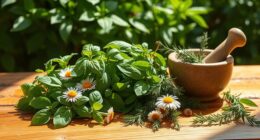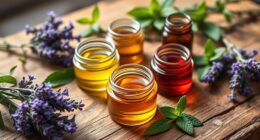
Many plants from Hogwarts’ herbology class are real and scientifically fascinating. For example, the Venus Flytrap snaps shut to trap insects, while belladonna looks beautiful but is highly toxic. Mandrake roots resemble human figures and carry powerful mythic stories. Foxglove is both stunning and deadly, and lavender offers calming, healing benefits. Rare plants like the ghost orchid show nature’s resilience. Continue exploring, and you’ll discover how these magical-looking plants have real-world magic and uses.
Key Takeaways
- Several plants from Harry Potter, like belladonna and foxglove, are real, toxic, and have medicinal uses in modern herbalism.
- The Venus flytrap is a real carnivorous plant that captures insects using rapid leaf movement.
- Mandrake roots resemble human figures and have psychoactive properties historically used in herbal magic.
- Lavender is a fragrant, medicinal plant valued for its calming, antiseptic, and insect-repelling properties.
- Rare plants like the ghost orchid demonstrate resilience and mystical beauty, inspiring real-world botanical fascination.
The Enchanting Venus Flytrap and Its Carnivorous Capabilities
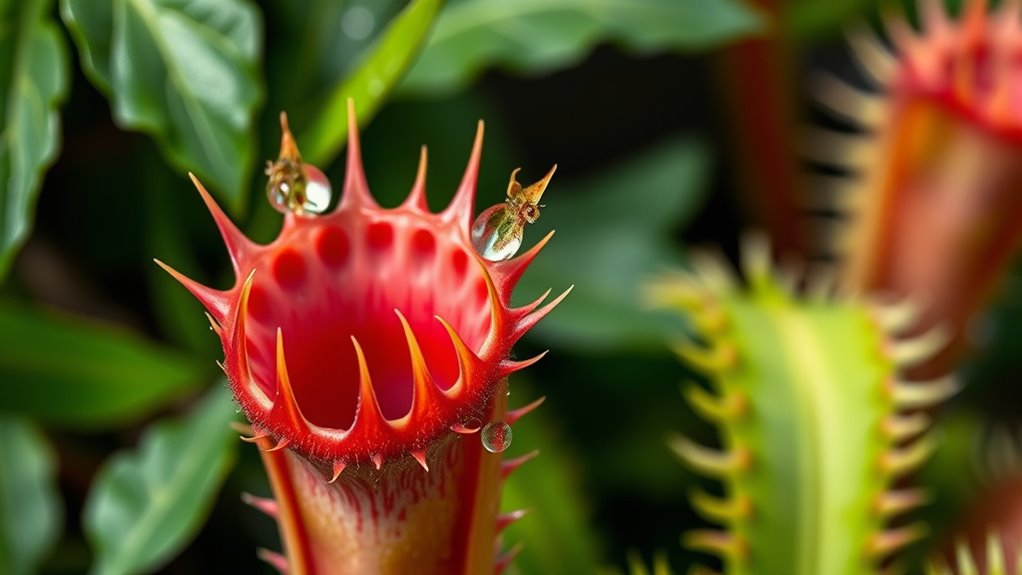
While the Venus flytrap may seem like a plant straight out of a fantasy novel, it’s a real-life marvel with impressive carnivorous abilities. You’ll notice its distinctive hinged leaves with tiny, hair-like triggers on the inner surfaces. When an unsuspecting insect touches these triggers twice within about 20 seconds, the trap snaps shut in less than a second. This rapid movement is thanks to specialized cells that generate hydraulic pressure, making the plant an efficient predator. Once trapped, the Venus flytrap secretes digestive enzymes to break down its prey, absorbing essential nutrients like nitrogen and phosphorus. This extraordinary adaptation allows it to thrive in nutrient-poor soils where other plants struggle. Its combination of striking appearance and hunting prowess makes the Venus flytrap a mesmerizing example of plant carnivory.
Belladonna: The Beautiful but Dangerous Plant
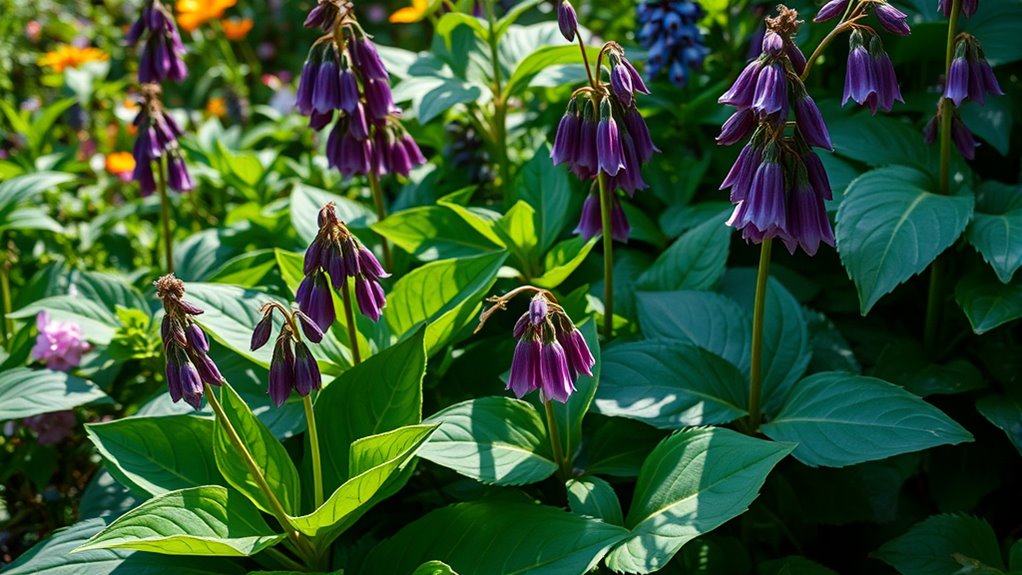
Belladonna, often called deadly nightshade, captivates with its striking appearance but hides a dangerous secret. Its glossy, dark berries and star-shaped purple flowers seem enchanting, yet they contain potent toxins. The plant produces alkaloids like atropine, scopolamine, and hyoscyamine, which can cause hallucinations, paralysis, or even death if ingested. Historically, it was used in small doses for medicinal purposes, but misuse proved deadly. You should handle belladonna with extreme caution, wearing gloves and avoiding contact with skin or eyes. Despite its beauty, it’s a reminder that appearances can be deceiving. This plant’s dangerous nature makes it a perfect example of how some of nature’s most alluring plants harbor deadly secrets beneath their stunning exterior.
Mandrakes: Mythical Roots With Real-Life Similarities

Mandrakes have fascinated people for centuries, blending myth with real-world plants. Their striking appearance and historical stories highlight their cultural significance and uses. Exploring their origins reveals both legendary tales and genuine botanical similarities.
Mythical Origins of Mandrakes
Have you ever wondered where the myth of the mandrake’s screaming origins comes from? It’s believed that ancient people associated the root’s human-like shape with supernatural powers and danger. The terrifying scream of the mandrake was thought to kill anyone who heard it, leading to many legends. Historically, these stories might have stemmed from three key ideas:
- The root’s appearance resembles a human figure, fueling superstitions.
- The plant’s strong, pungent odor was mistaken for a warning signal.
- Early harvesting methods involved pulling the root out quickly to avoid the supposed deadly scream.
These beliefs helped create a myth that has persisted through centuries, blending real observations with imagination.
Actual Plant Similarities
While the myth surrounding mandrakes is steeped in superstition, the plant itself shares notable features with real-world roots. Mandrake roots often resemble human figures, a trait that has fascinated people for centuries. This anthropomorphic shape isn’t unique—many plants develop root structures that look like limbs or faces, inspiring legends and folklore. Additionally, mandrakes contain alkaloids with strong psychoactive properties, similar to certain medicinal or toxic roots used historically across cultures. The plant’s thick, tuberous roots also resemble large, fleshy bulbs found in nature. While the myth exaggerates its magical powers, the mandrake’s unique appearance and chemical composition make it stand out among real plants, bridging the gap between myth and botanical reality.
Cultural Significance and Uses
Throughout history, the striking resemblance of mandrake roots to human figures has fueled their reputation as powerful and mysterious plants in various cultures. You’ll find that their mythic status is reflected in many uses today. First, in folklore, mandrakes were believed to possess magical properties, such as warding off evil spirits or bringing good luck. Second, traditional medicine used parts of the plant for remedies—though often with caution due to its toxic properties. Third, their cultural symbolism persists in art and literature, representing fertility, mystery, and danger. These connections highlight how mandrakes have captivated human imagination for centuries. While modern science recognizes their toxicity, their historical and cultural significance remains a testament to their enduring mystique.
The Vibrant and Venomous Beauty of Foxglove
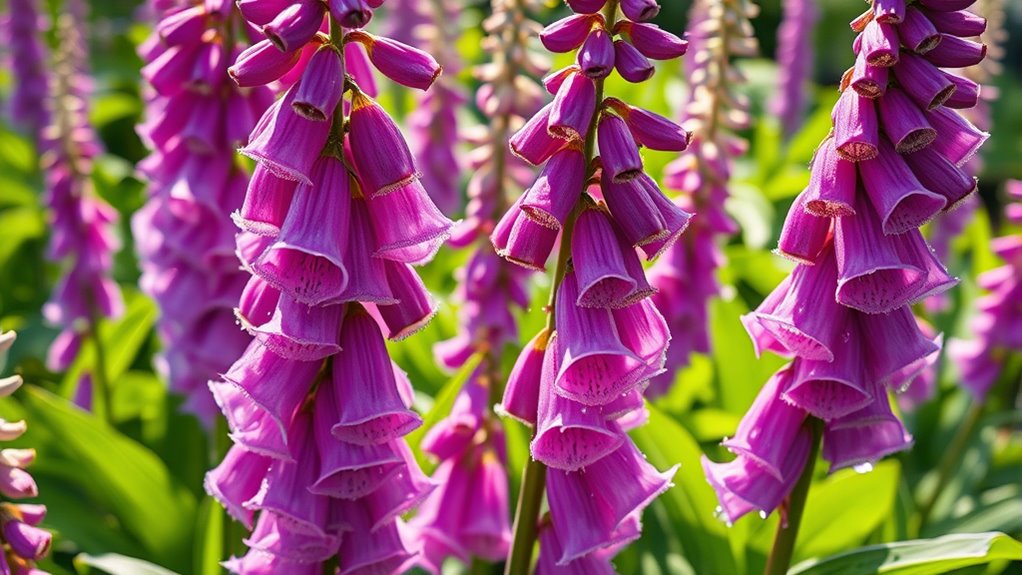
You can’t ignore the striking, bright blooms of foxglove, but they hide a dangerous side. These flowers are toxic if touched or ingested, yet they’ve been used in heart medicines for centuries. Plus, their natural pest-repelling properties make them a fascinating plant to explore.
Bright, Poisonous Blooms
Have you ever marveled at the striking beauty of foxglove, even as you recognize its deadly potential? This vibrant flower isn’t just eye-catching; it’s packed with powerful toxins. Here’s what makes it fascinating:
- Its tall spikes are covered in tubular blooms, ranging from purple to pink.
- The plant contains digitalis, a compound used in heart medications—dangerous if misused.
- Despite its toxicity, foxglove has inspired both beauty and caution in herbal practices.
While its bright colors draw you in, remember that touching or ingesting any part of it can cause serious health issues. Its allure lies in its vivid appearance, but its venomous nature demands respect.
Medicinal Uses and Risks
Did you know that foxglove has been valued for its medicinal properties for centuries, despite its dangerous reputation? Its leaves contain compounds called cardiac glycosides, which can strengthen heart contractions and regulate rhythm when used properly. However, improper use leads to poisoning, with symptoms like nausea, heart issues, and even death. To highlight its dual nature, here’s a quick comparison:
| Benefit | Risk |
|---|---|
| Used in prescribed doses for heart conditions | Toxic if ingested in large amounts |
| Contains digitalis, a life-saving drug | Can cause arrhythmias or death |
| Historically used in herbal remedies | Accidental poisoning common |
Always consult a healthcare professional before considering foxglove for medicinal purposes.
Natural Pest Repellent
Foxglove’s striking, tall spikes of vibrant flowers are not just beautiful—they also serve as natural pest repellents. When planted strategically, they can deter insects and pests from your garden. Here’s how foxglove helps keep your plants safe:
- The toxic leaves and flowers repel many herbivorous insects, reducing damage.
- The plant’s strong scent discourages pests like aphids and beetles.
- Its presence can attract beneficial insects, like pollinators, that outcompete harmful pests.
Keep in mind, though, that foxglove is highly toxic to humans and pets. Use it wisely in your garden, ensuring it’s out of reach, and enjoy its pest-repelling benefits safely. Its vibrant appearance adds both beauty and practicality to your outdoor space.
The Mystical Properties of Lavender and Its Uses
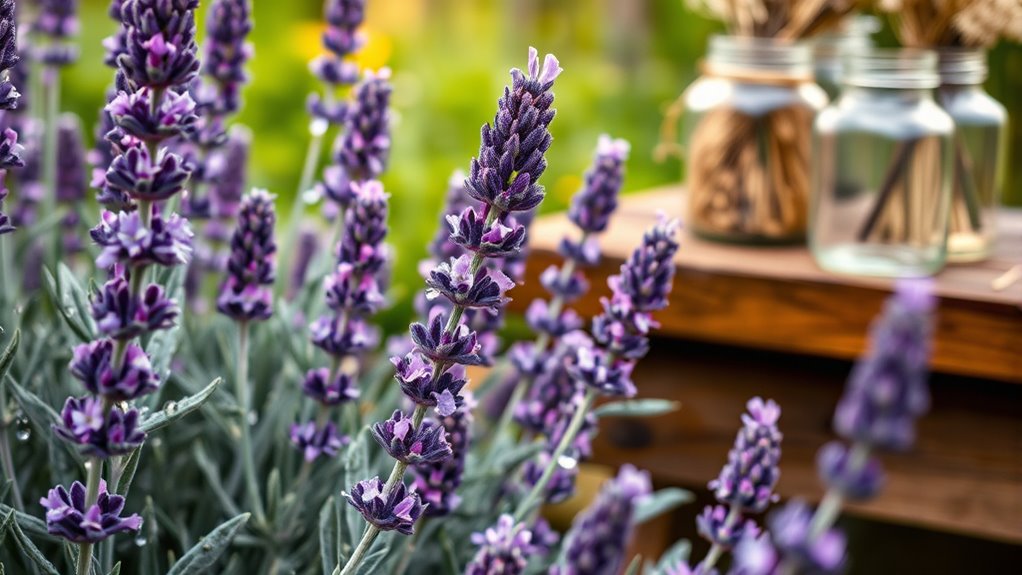
Ever wondered why lavender has been prized for centuries across cultures? Its calming scent has made it a favorite for relaxation and stress relief. You can use lavender to create soothing teas, which may help reduce anxiety and improve sleep quality. The essential oil, extracted from its flowers, is popular in aromatherapy for its calming effects. Lavender also has antiseptic properties, making it useful in natural skincare to heal minor cuts and burns. Its antimicrobial qualities help keep your environment fresh by repelling insects naturally. You might even add dried lavender to your laundry or drawers to keep moths away. Overall, lavender’s mystical reputation stems from its ability to promote tranquility, heal minor ailments, and enhance your daily environment with its gentle aroma.
The Resilient and Rare Ghost Orchid
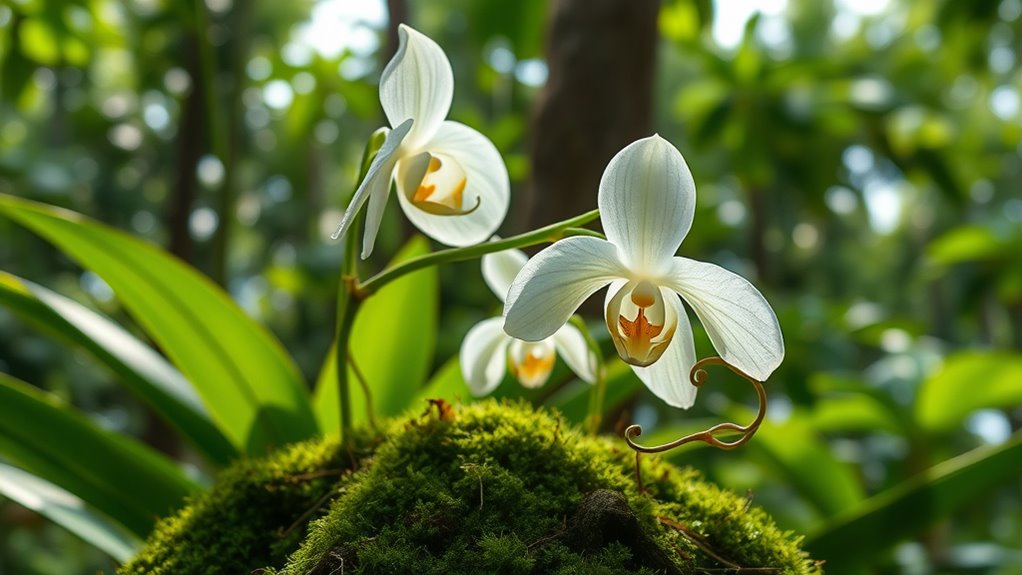
Have you heard of the ghost orchid, one of the most elusive and enchanting plants in the world? This rare flower is known for its ghostly white blooms that seem to float in the air, making it a mesmerizing sight. Its resilience is remarkable, thriving in challenging environments like swampy forests. Here are three fascinating facts about it:
- It lacks leaves, relying solely on underground fungi for nutrients.
- Blooming is unpredictable, sometimes taking years between flowers.
- Its ethereal beauty makes it highly sought after by collectors and conservationists.
Despite its rarity, the ghost orchid’s delicate appearance hides a tough survival instinct, making it a true botanical marvel. Its mystique echoes the magical allure of plants in the wizarding world.
Alchemic Plants: From Muggle to Magical Applications
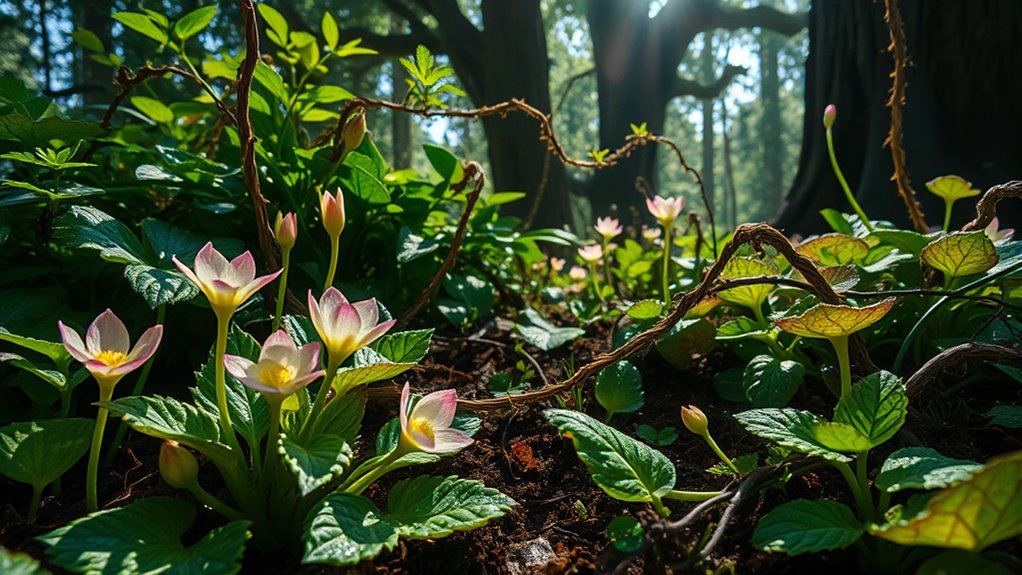
Did you know that many common plants once used by alchemists continue to inspire modern magical practices? For example, alchemists prized mandrake root for its potent properties, and today, it influences potion-making in herbal magic. Dandelions, once seen as weeds, hold alchemical significance for their ability to purify and renew, making them useful in spells and rituals. Mugwort, historically used to enhance clairvoyance, still appears in modern charms and divination practices. These plants shifted from mystical symbols to tangible ingredients, bridging the gap between ancient alchemy and contemporary magic. Their historical uses reveal a deep connection between everyday flora and the mystical arts, reminding us that nature often holds the keys to both ancient and modern enchantments.
Frequently Asked Questions
Are There Any Plants Similar to Mandrakes in Modern Medicine?
Yes, there are plants similar to mandrakes in modern medicine. You might think of atropa belladonna, or deadly nightshade, which contains potent alkaloids used in pharmaceuticals. While not magical, these plants have powerful properties that can be harnessed for medical purposes, like anesthesia or pain relief. However, they’re dangerous if misused, so always follow medical guidance when dealing with such potent botanicals.
Can Foxglove Be Safely Cultivated at Home?
You can safely cultivate foxglove at home if you handle it with care, as it’s highly toxic. Interestingly, foxglove contains digitalis, a compound used in heart medication. Always wear gloves when planting or pruning, keep it out of reach of children and pets, and make certain of proper identification before handling. With proper precautions, you can enjoy its beautiful flowers while avoiding poisoning risks.
What Are the Legal Restrictions on Growing Belladonna?
You can’t grow belladonna legally without proper authorization because it’s a highly toxic, controlled substance in many regions. Laws restrict cultivating or possessing this plant due to its dangerous properties, mainly for safety reasons. If you’re interested, check local regulations first, and consider obtaining permits if necessary. Always handle belladonna with extreme caution, and avoid growing it unless you’re trained and authorized, to prevent accidents or legal issues.
Are Ghost Orchids Used in Herbal Remedies?
You might think ghost orchids are used in herbal remedies, but they’re actually not. These rare, visually stunning orchids grow in the wild and aren’t part of traditional medicine. Due to their delicate nature and protected status, harvesting or using ghost orchids is illegal in many places. So, while they look magical, they aren’t a practical or legal option for herbal remedies. Instead, enjoy their beauty in the wild or through photographs.
How Do Alchemic Plants Influence Contemporary Pharmaceuticals?
Alchemic plants influence contemporary pharmaceuticals by providing essential compounds for drug development. You’ll find that many medicines derive from plant extracts, like morphine from poppies or digitalis from foxglove. Researchers study these plants to isolate active ingredients, improve efficacy, and develop new treatments. Your understanding of these plants helps in advancing medicine, ensuring you benefit from natural sources that have shaped modern healthcare practices.
Conclusion
So, next time you wander through a garden or visit a nursery, remember that these plants have a touch of magic in them. From the Venus Flytrap’s clever trap to Belladonna’s dangerous allure, real-life plants mirror Hogwarts’ enchanting world. Who knows? Maybe, with a bit of botanical curiosity, you’ll channel your inner wizard and find a little magic right outside your door—just don’t forget your herbology manual, and maybe a little potion, just in case.