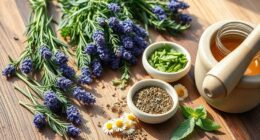

Chronic inflammation is a long-lasting, often hidden condition that can damage your tissues and lead to health issues like heart disease, diabetes, and arthritis. Unlike acute inflammation, which helps your body heal quickly, chronic inflammation persists over time, often caused by poor lifestyle choices or persistent stress. Herbs like turmeric, ginger, and green tea contain compounds that support your body’s natural anti-inflammatory responses. Keep exploring to discover how herbal support can help you maintain better balance and health.
Key Takeaways
- Acute inflammation is short-term and helps healing, while chronic inflammation persists, causing tissue damage and disease.
- Natural herbs like turmeric and ginger contain bioactive compounds that support reducing long-term inflammation.
- Proper herbal preparation and consistent use enhance their ability to modulate inflammatory processes effectively.
- Herbs can complement lifestyle changes and medical treatment but should not replace professional healthcare.
- Monitoring your body’s response and consulting healthcare providers ensures safe herbal use for managing chronic inflammation.
Understanding the Basics of Inflammation

Inflammation is your body’s natural response to injury or infection, aiming to protect and heal affected tissues. When your body detects damage or harmful pathogens, it releases chemicals that increase blood flow and send immune cells to the site. This process causes redness, swelling, heat, and pain—classic signs of inflammation. It’s a crucial defense mechanism, helping to isolate threats and promote tissue repair. However, inflammation isn’t always harmful; it’s essential for healing. The key is balance. When inflammation persists or becomes uncontrolled, it can turn chronic, damaging tissues and contributing to various health issues. Understanding how inflammation works helps you recognize when it’s beneficial and when it might need attention, especially since chronic inflammation plays a significant role in many diseases.
Key Differences Between Acute and Chronic Inflammation

While both acute and chronic inflammation involve your immune response, they differ markedly in duration and impact. Acute inflammation is immediate, localized, and short-lived, helping your body heal quickly. Chronic inflammation persists over time, often becoming widespread and damaging tissues. It can last months or years, increasing your risk of disease. The table below highlights key differences:
| Feature | Acute Inflammation | Chronic Inflammation |
|---|---|---|
| Duration | Days to weeks | Months to years |
| Purpose | Healing and defense | Tissue damage and disease |
| Symptoms | Redness, swelling, pain | Fatigue, ongoing discomfort |
| Impact | Usually beneficial if resolved | Can cause long-term health issues |
Causes and Risk Factors for Chronic Inflammation
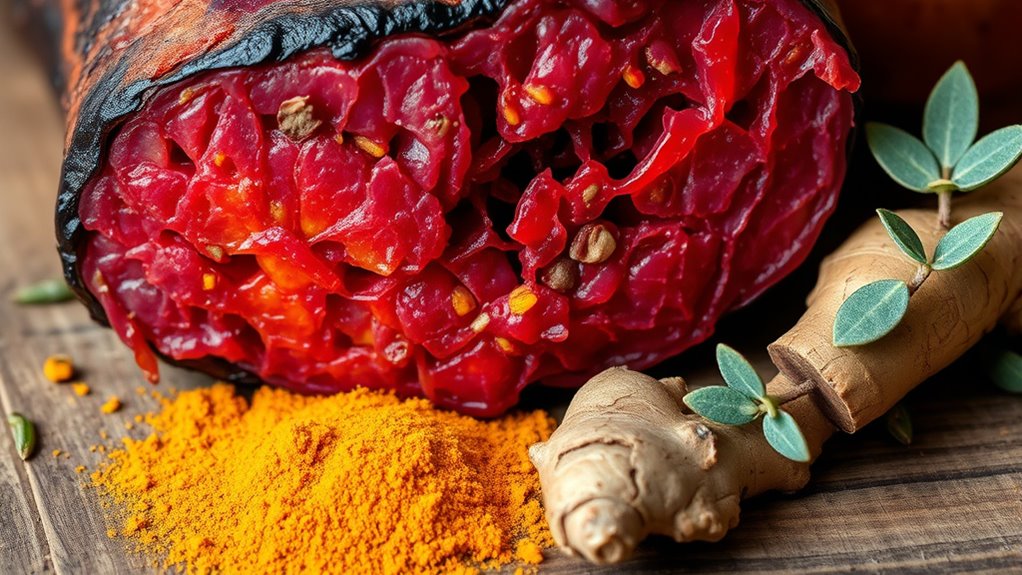
Chronic inflammation often develops when your body encounters persistent triggers or fails to resolve an initial immune response. Factors like ongoing infections, exposure to pollutants, or repeated injuries can keep your immune system activated long-term. Lifestyle choices such as poor diet, lack of exercise, smoking, and excessive alcohol consumption also increase your risk. Chronic stress and inadequate sleep further weaken your immune regulation, making it harder for your body to shut down inflammation. Genetic predispositions may make some individuals more susceptible. Additionally, obesity is a significant risk factor because excess fat tissue produces inflammatory chemicals. Recognizing these causes helps you understand how certain habits and environments contribute to ongoing inflammation, emphasizing the importance of lifestyle modifications to reduce your risk.
Common Health Conditions Linked to Chronic Inflammation

Many common health conditions are directly linked to persistent inflammation in the body. When inflammation becomes chronic, it can damage tissues and organs, leading to various health issues. For example, arthritis results from ongoing joint inflammation, causing pain and stiffness. Heart disease often involves inflammation of blood vessels, increasing the risk of blockages. Diabetes is also associated with chronic low-grade inflammation, which impairs insulin function. Additionally, conditions like asthma, inflammatory bowel disease, and certain neurodegenerative diseases such as Alzheimer’s are connected to prolonged inflammatory responses. Recognizing these links helps you understand the importance of managing inflammation. While inflammation is a natural defense, persistent inflammation can have serious health consequences that require attention and appropriate intervention.
How Herbs Naturally Combat Inflammation

Herbs contain powerful anti-inflammatory plant compounds that can help reduce swelling and pain. You can also support your body’s response with specific herbal techniques that boost your overall health. Incorporating these natural remedies may offer a gentle yet effective way to combat chronic inflammation.
Anti-Inflammatory Plant Compounds
Plants contain powerful compounds that naturally fight inflammation, making them valuable allies in managing chronic health issues. These bioactive substances, like flavonoids and polyphenols, target inflammatory pathways directly, reducing pain and swelling. When you include herbs like turmeric, ginger, and rosemary in your diet, you’re harnessing nature’s medicine. These compounds help calm overactive immune responses, giving your body a chance to heal. Imagine feeling more energized, less discomfort, and regaining control over your health. Here’s a glimpse into how these plant compounds evoke emotion and hope:
| Compound | Emotional Impact |
|---|---|
| Curcumin (Turmeric) | Restores hope and vigor |
| Gingerol (Ginger) | Eases pain, brings comfort |
| Rosmarinic Acid | Calms inflammation, peace |
| Quercetin | Uplifts mood, resilience |
Herbal Support Techniques
Building on the natural anti-inflammatory properties of plant compounds, incorporating specific herbs into your routine can enhance your body’s ability to fight inflammation. Herbs like turmeric, ginger, and boswellia have potent compounds that reduce inflammatory responses. You can add turmeric to your meals or take it as a supplement, while fresh ginger can be brewed into teas or added to salads. Boswellia, available as capsules or extracts, supports joint health and reduces swelling. Consuming these herbs regularly helps modulate inflammation at its source, supporting your body’s healing processes. Additionally, herbs like green tea and holy basil offer antioxidant effects that further combat inflammatory damage. Using herbs as part of your daily routine provides a natural, effective way to manage inflammation and improve overall well-being.
Top Herbs for Supporting Inflammatory Balance

You can incorporate herbs with strong anti-inflammatory properties to support your body’s natural healing process. These herbs not only help reduce inflammation but also promote overall balance and wellness. Learning how to prepare and use them effectively guarantees you get the most benefit from their healing potential.
Anti-Inflammatory Properties
Many herbs have potent anti-inflammatory properties that can help support your body’s natural balance. These herbs contain compounds that target inflammation pathways, reducing swelling and discomfort. Turmeric, for example, contains curcumin, known for its strong anti-inflammatory effects. Ginger contains gingerol, which helps inhibit inflammatory responses. Boswellia, or frankincense, is effective in decreasing joint inflammation and pain. Green tea offers polyphenols that combat inflammatory markers. Devil’s claw has been traditionally used to ease inflammation and pain, especially in joints. Incorporating these herbs into your routine can provide natural relief and help regulate chronic inflammation. Always consult a healthcare professional before starting any herbal regimen, especially if you’re on medication or have underlying health conditions. These herbs can be powerful allies in managing inflammation naturally.
Natural Healing Support
Incorporating certain herbs into your routine can effectively support your body’s natural ability to maintain inflammatory balance. For example, turmeric contains curcumin, a powerful compound known for its anti-inflammatory effects. Ginger is another herb that can help reduce inflammation and soothe joint pain. Boswellia, also called frankincense, supports healthy immune responses and decreases swelling. Green tea offers antioxidants that combat inflammatory processes at the cellular level. Additionally, licorice root can help modulate immune activity and reduce inflammation-related discomfort. Including these herbs in your daily regimen—whether as teas, supplements, or culinary additions—can enhance your body’s natural healing capacity. Remember, consistent use and proper dosage are key to maximizing their benefits and supporting long-term inflammatory balance.
Herbal Preparation Tips
To maximize the anti-inflammatory benefits of herbs, proper preparation methods are essential. Start by choosing fresh or dried herbs, and always use clean utensils to prevent contamination. For teas, steep herbs in hot water for 10-15 minutes to extract their active compounds. When making tinctures, use high-proof alcohol and let the herbs soak for several weeks, shaking occasionally. For decoctions, simmer tougher herbs like roots or bark for at least 30 minutes to release their properties. If you’re using powders or capsules, ensure they’re sourced from reputable suppliers to guarantee quality. Proper storage in airtight containers away from light and heat preserves potency. Tailoring your preparation method based on the herb’s type maximizes its effectiveness in supporting your inflammatory balance.
Incorporating Herbal Remedies Into Your Wellness Routine

Herbal remedies have gained popularity as natural ways to support your health and reduce inflammation. To incorporate them into your routine, start small—add herbal teas or supplements gradually. Consistency is key, so make herbal remedies a daily habit to see benefits. You can also experiment with different herbs to find what works best for you. Remember, herbs can complement a healthy lifestyle, not replace medical treatment. Keep track of your progress and notice how your body responds. Here are some simple ways to get started:
- Incorporate herbal teas like turmeric or ginger into your mornings.
- Use herbal supplements or tinctures as part of your daily routine.
- Add fresh herbs like basil or parsley to your meals for ongoing support.
Precautions and When to Seek Medical Advice

While herbal remedies can support your efforts to reduce inflammation, it’s important to recognize that they are not a substitute for professional medical care. If you experience persistent or worsening symptoms, such as severe pain, swelling, fever, or fatigue, you should seek medical advice promptly. Don’t ignore signs of infection or if inflammation seems to spread or become chronic. Certain herbs can interact with medications or cause side effects, so consult your healthcare provider before starting any new herbal supplements, especially if you have underlying health conditions or are pregnant. Trust your body’s signals—if something feels off or doesn’t improve despite herbal use, prioritize professional evaluation to ensure proper diagnosis and treatment. Early medical intervention can prevent complications and ensure your inflammation is effectively managed.
Frequently Asked Questions
Can Diet Alone Fully Eliminate Chronic Inflammation?
No, diet alone can’t fully eliminate chronic inflammation, but it plays a vital role. You should combine an anti-inflammatory diet with other lifestyle changes like regular exercise, stress management, and adequate sleep. Herbs and supplements can also support your efforts. By taking a thorough approach, you’ll give your body the best chance to reduce inflammation and improve overall health effectively.
Are There Any Side Effects From Using Herbal Anti-Inflammatories?
Herbal anti-inflammatories are like a double-edged sword; they can heal but might also cause side effects. You could experience allergic reactions, digestive upset, or interact with medications. It is crucial to consult with a healthcare professional before starting any herbal remedy. While herbs can be gentle warriors against inflammation, they aren’t risk-free and should be used with care to avoid unintended consequences.
How Long Does It Take to See Herbal Treatment Results?
You might start noticing herbal treatment results within a few days to a few weeks, depending on your condition and the herbs used. Consistency is key, so take them as directed and give your body time to respond. Some people feel relief sooner, while others may need longer. Keep track of your symptoms and consult with a healthcare provider to adjust your regimen if needed.
Can Herbal Remedies Replace Conventional Anti-Inflammatory Medications?
Herbal remedies can complement conventional anti-inflammatory medications, but they shouldn’t replace them without your healthcare provider’s guidance. You might notice some benefits from herbs like turmeric or ginger, but their effects vary. Always consult your doctor before making changes to your treatment plan, especially if you have serious or chronic inflammation. Combining herbs with medication under professional supervision can support your inflammation management safely and effectively.
Are Certain Herbs More Effective for Specific Health Conditions?
Absolutely, some herbs are like superheroes for specific health conditions! Turmeric is renowned for fighting inflammation and joint pain, while ginger can soothe digestion and reduce nausea. Echinacea boosts your immune system, and peppermint eases headaches. You’ll find that choosing the right herb can feel like revealing a secret weapon tailored just for your health needs. Don’t underestimate nature’s power—it might just be your most effective remedy yet!
Conclusion
By understanding the differences between acute and chronic inflammation, you can better support your health naturally. Herbs like turmeric and ginger have proven anti-inflammatory properties, making them valuable allies in your wellness routine. While some believe herbs can fully replace medical treatment, it’s important to remember they work best alongside professional advice. Incorporate these natural remedies mindfully, and stay attentive to your body’s signals—your health journey is about balance and informed choices.