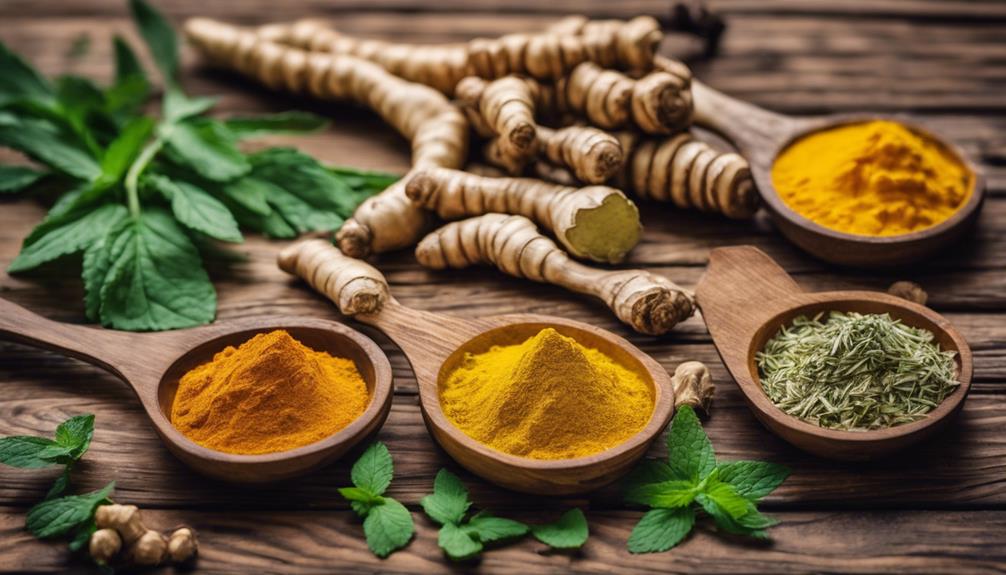

Herbs like raspberry leaf, chamomile, and lavender are often used to support labor and may help ease discomfort during childbirth. Some studies suggest they can promote relaxation or shorten certain labor stages, but the evidence isn’t consistent, and safety varies depending on the herb and dose. It’s essential to talk to your healthcare provider before using any herbal remedies, as they can advise you on safe options. If you want to discover more about how herbs can aid your childbirth experience, keep exploring.
Key Takeaways
- Some herbs like chamomile and lavender may promote relaxation and reduce anxiety during labor.
- Raspberry leaf is believed to tone the uterus and potentially support more efficient contractions.
- Scientific evidence on herbal pain relief is mixed, with limited conclusive proof of effectiveness.
- Safety concerns include allergic reactions, drug interactions, and risk of premature contractions.
- Always consult healthcare providers before using herbs for pain management in childbirth.
Commonly Recommended Herbs for Labor Pain Relief

Many women seeking natural childbirth turn to herbs to help ease labor pain. Some commonly recommended herbs include raspberry leaf, which is believed to tone the uterus and improve contractions. It’s often used in the later stages of pregnancy to prepare the uterus for labor. Another herb, chamomile, can promote relaxation and reduce anxiety, helping you feel calmer during labor. Lavender, with its soothing scent, may ease discomfort and promote a sense of calm. Red raspberry leaf, in particular, is popular among expectant mothers for its potential to strengthen uterine muscles. While these herbs are widely used, it is crucial to consult with your healthcare provider before using them, as dosages and safety can vary.
Scientific Evidence Supporting Herbal Remedies During Birth

Clinical trials have tested herbal remedies to see how well they work during labor, giving us valuable insights. You’ll want to contemplate both the effectiveness and safety of these remedies based on current research. Understanding this evidence helps you make informed choices for a natural childbirth experience.
Clinical Trial Results
Recent clinical trials have begun to shed light on the safety and effectiveness of herbal remedies during childbirth. These studies explore how herbs may influence labor progress and pain relief. Some trials report promising results, while others highlight inconsistencies and the need for more research. You should consider that current evidence is mixed, and individual responses vary. Key findings include:
- Certain herbs may reduce labor duration
- Some remedies show potential for easing discomfort
- Safety profiles differ depending on the herb and dosage
- More rigorous, large-scale studies are needed to confirm benefits
While these results are encouraging, they aren’t conclusive. It’s essential to consult healthcare providers before incorporating herbs into your birth plan. Ongoing research aims to clarify which herbal options are both safe and effective for childbirth.
Efficacy and Safety
While some herbal remedies show promise for improving labor experiences, scientific evidence supporting their safety and effectiveness remains limited and mixed. You might find testimonials claiming herbs like raspberry leaf or ginger ease labor pain, but rigorous research often lacks consistent results. Safety is a critical concern; some herbs can cause allergic reactions, interact with medications, or induce contractions prematurely. Without strong clinical trials, it’s difficult to determine proper dosages or identify potential risks. Healthcare providers generally advise caution, especially during labor, when your body is vulnerable. If you’re considering herbal remedies, consult your doctor or midwife first. Relying on unproven herbs could do more harm than good, so prioritize evidence-based methods for a safe and healthy childbirth.
Potential Risks and Side Effects of Using Herbs in Labor

Using herbs during labor can sometimes cause allergic reactions or sensitivities you might not expect. These natural remedies can also interact with medications you’re taking, leading to unintended effects. It is crucial to understand these risks before incorporating herbs into your childbirth plan.
Allergic Reactions and Sensitivities
Have you considered that herbs used during labor can sometimes trigger allergic reactions or sensitivities? While herbs may seem natural and safe, they can cause unexpected issues. You might experience symptoms like skin rashes, swelling, or difficulty breathing after using certain herbs. Some people are more prone to sensitivities, especially if they have allergies to plants or pollen. It’s important to be cautious and test herbs beforehand.
Be aware that:
- Allergic reactions can develop suddenly and become severe
- Cross-reactivity with other plants is possible
- Sensitivities may worsen with repeated exposure
- Not all reactions are immediately obvious
Always consult with a healthcare provider before using herbs to reduce the risk of adverse effects during labor.
Interactions With Medications
Are you aware that herbs used during labor can interact with medications you may be taking? Some herbs can alter how medications work, either amplifying their effects or reducing their effectiveness. For example, certain herbs like ginseng or St. John’s Wort may interfere with blood pressure medications or antidepressants. Others, such as red clover or dong quai, can increase bleeding risks by affecting blood clotting, which is dangerous during labor. Combining herbs with medications without medical guidance can lead to unexpected side effects, complications, or reduced medication efficacy. Always tell your healthcare provider about any herbs you’re considering or using. Proper communication helps prevent adverse interactions and ensures your safety and that of your baby during labor.
Integrating Herbs Safely With Conventional Medical Care

Integrating herbs into your childbirth journey can enhance comfort and support, but it is vital to do so safely and under medical guidance. Always consult your healthcare provider before adding any herbal remedies to your routine. This helps prevent interactions with medications or underlying conditions. To guarantee safety, consider these tips:
Always consult your healthcare provider before using herbs during pregnancy for safe support.
- Share all herbs you’re considering with your medical team
- Use reputable sources to confirm herb safety in pregnancy
- Start with small doses to monitor effects
- Avoid herbs known to cause uterine contractions or bleeding risks
Personal Experiences and Anecdotal Reports From Mothers

Many mothers find that sharing their personal childbirth stories and herbal experiences offers valuable insight and reassurance. You hear how some felt calmer or more in control after using certain herbs, like raspberry leaf or chamomile tea. Others describe how herbal remedies helped reduce anxiety or eased discomfort during labor. These stories highlight that individual responses vary—what worked for one mom may not for another. Many women appreciate hearing real-life accounts because they make herbal options seem more approachable and less intimidating. However, keep in mind that personal experiences are anecdotal; they don’t guarantee results. Listening to these stories can inspire you to explore herbal options, but always remember to discuss any herbal use with your healthcare provider to ensure safety during your pregnancy and labor.
Guidelines for Consulting With Healthcare Providers About Herbal Use

Consulting with your healthcare provider before using any herbal remedies during pregnancy or labor is crucial to guarantee safety. Your provider can help assess potential risks, interactions with medications, and appropriate dosages. Be proactive by sharing all herbs or supplements you’re considering, even if they seem harmless. Make sure to ask about possible side effects and contraindications specific to your pregnancy. Remember, not all herbs are safe or effective, and some may interfere with medical procedures or labor. To facilitate a productive discussion, consider:
- Listing all herbs or supplements you’re interested in
- Asking about proven safety and efficacy
- Clarifying any potential interactions with medications
- Discussing alternative pain management options
Always follow your provider’s guidance to ensure a safe and healthy childbirth experience.
Future Directions in Herbal Research for Childbirth Comfort

Advancements in herbal research hold promising potential to enhance childbirth comfort, as scientists explore how natural remedies can safely support labor and postpartum recovery. Future studies may identify herbs that effectively reduce pain, shorten labor, or promote healing without adverse effects. Researchers are focusing on understanding the active compounds in traditional herbs, ensuring safety and efficacy through rigorous clinical trials. Personalized approaches could emerge, tailoring herbal remedies to individual needs and labor stages. Additionally, innovations in delivery methods—like teas, tinctures, or topical applications—might improve ease of use and absorption. As research progresses, healthcare providers could incorporate evidence-based herbal options into childbirth plans, giving you more natural, holistic ways to manage discomfort while prioritizing safety.
Frequently Asked Questions
Are There Specific Herbs Recommended for Different Stages of Labor?
Yes, certain herbs are recommended for different labor stages. For early labor, you might try raspberry leaf tea to tone your uterus. During active labor, herbs like ginger and red raspberry leaf can boost energy and ease contractions. As you approach shift, some women find that evening primrose oil helps soften the cervix. Always consult your healthcare provider before using herbs, to make certain of safety and proper timing for your unique labor.
How Do Herbal Remedies Compare to Pharmaceutical Pain Management Options?
Herbal remedies generally offer milder pain relief compared to pharmaceuticals. You might find herbs like chamomile or raspberry leaf helpful, but they often don’t provide the same level of relief as medications like epidurals or opioids. While herbs can support relaxation and comfort, it’s important to discuss with your healthcare provider to guarantee they’re safe for your specific situation and won’t interfere with medical pain management options.
Can Herbal Remedies Interfere With Epidurals or Other Medical Interventions?
Herbal remedies can interfere with epidurals or other medical interventions if taken close to or during labor. They might affect blood pressure or blood clotting, which could complicate anesthesia or surgical procedures. To stay safe, you should discuss any herbs you’re considering with your healthcare provider well before labor. This ensures your medical team can plan and prevent potential interactions, keeping both you and your baby safe.
What Credentials Should I Look for in a Herbal Practitioner for Childbirth?
When choosing a herbal practitioner for childbirth, look for credentials like certification from reputable organizations such as the American Herbalists Guild or the National Certification Commission for Acupuncture and Oriental Medicine. Studies show that only about 20% of herbalists have formal training, so verifying their education and experience guarantees safety. You want someone knowledgeable who can guide you safely through herbal options, especially during pregnancy, to support your comfort and health.
Are There Cultural Traditions Involving Herbs That Influence Modern Childbirth Practices?
Yes, cultural traditions involving herbs often influence modern childbirth practices. You might find that certain herbs are used to ease labor, boost energy, or promote relaxation, rooted in cultural beliefs passed down through generations. These practices can vary widely across different communities. If you’re interested, explore your cultural heritage or talk with knowledgeable herbal practitioners to learn how these traditions could complement your childbirth experience safely.
Conclusion
While herbs may seem like a natural way to ease labor pain, always approach them with caution. Research, consult, and communicate—these steps help you make informed choices. Remember, safety comes first—safety for you and your baby. Trust your healthcare team, consider your options, and prioritize your well-being. With knowledge, care, and support, you can navigate labor confidently—embracing comfort, safety, and empowerment every step of the way.