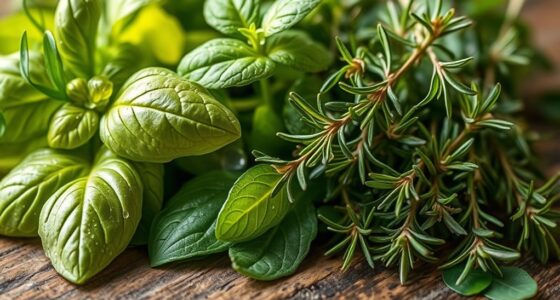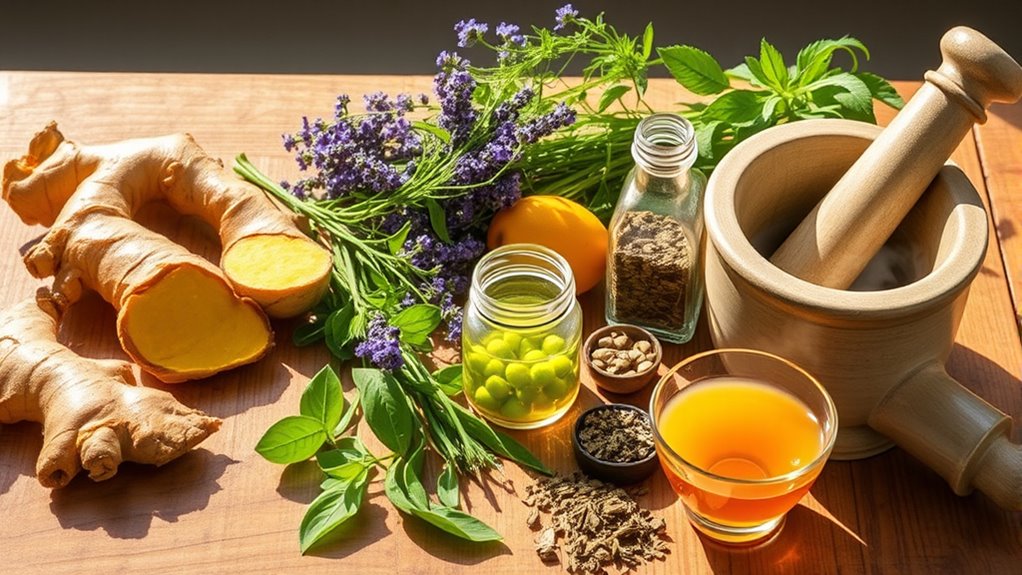

If you’re looking for herbal alternatives to NSAIDs, options like turmeric, ginger, willow bark, boswellia, devil’s claw, and arnica can help reduce inflammation and pain naturally. These herbs offer effective relief with fewer side effects and can be incorporated into your diet, supplements, or topical treatments. They’re safe choices for long-term use if used properly. To discover how each herb can benefit your specific needs, continue exploring these natural options.
Key Takeaways
- Herbs like turmeric, ginger, willow bark, boswellia, and devil’s claw offer natural anti-inflammatory and pain-relief benefits.
- These herbal options typically have fewer side effects compared to synthetic NSAIDs.
- Incorporating herbs through diet, supplements, or topical applications can support joint and muscle health.
- Proper dosage and consulting healthcare providers ensure safety and effectiveness of herbal remedies.
- Herbal alternatives promote long-term inflammation management with traditional and scientific backing.

Quercetin with Bromelain Turmeric Curcumin Supplement – Triple Action: Allergy Relief, Inflammation and Joint Support with Organic Tumeric + Bioperine for Max Absorption – 60 Quercetin 500mg Capsules
HIGH POTENCY FORMULA – Powerful blend with Quercetin 500mg, Organic Turmeric 700mg, and Bromelain. A strong immune support...
As an affiliate, we earn on qualifying purchases.
Turmeric and Curcumin: Nature’s Anti-Inflammatory Powerhouses

If you’re looking for natural ways to reduce inflammation, turmeric and its active compound, curcumin, are excellent options. Curcumin has potent anti-inflammatory properties that can help alleviate joint pain, stiffness, and swelling. It works by blocking certain molecules in your body responsible for inflammation, similar to how some NSAIDs function but without the harsh side effects. Incorporating turmeric into your diet is simple—you can add it to soups, smoothies, or teas. For better absorption, pair it with black pepper or a small amount of fat. While turmeric is generally safe, supplements containing concentrated curcumin can be more effective for targeted relief. Always consult with a healthcare professional before starting new supplements, especially if you’re on medication or have underlying health conditions.

Herbs Etc. Allergy ReLeaf System - Natural Allergy Support for Overall Seasonal Comfort - Non-Drowsy Formula - Fresh Mullein & Organic Eyebright - 60 Count (60 Servings)
Non-Drowsy Allergy Supplement: Herbs, Etc. Allergy ReLeaf System is a plant-based herbal supplement kit with two products that...
As an affiliate, we earn on qualifying purchases.
Ginger: a Spicy Root With Soothing Benefits

Ginger is well-known for its potent anti-inflammatory properties that can help ease pain and swelling. It works by blocking certain enzymes that promote inflammation in your body. You can easily incorporate ginger into your daily routine through teas, smoothies, or cooking to enjoy its soothing benefits.
Anti-inflammatory Properties
Because of its potent anti-inflammatory compounds, ginger has long been recognized for its ability to reduce swelling and pain. These compounds, like gingerol and shogaol, help inhibit inflammatory pathways in your body. This makes ginger effective for managing conditions such as arthritis and muscle soreness. When you include ginger in your diet or supplement routine, you’re supporting your body’s natural ability to fight inflammation. Its benefits extend beyond pain relief, contributing to overall joint health and mobility. To maximize its effects, you can:
- Brew ginger tea or add fresh ginger to meals
- Take ginger supplements or capsules
- Use ginger extracts in topical applications
Consistent use may help decrease inflammation levels, providing a natural alternative to over-the-counter options.
How Ginger Works
Have you ever wondered how a simple root like ginger can have such powerful soothing effects? It all comes down to its active compounds, mainly gingerol. Gingerol acts as a natural anti-inflammatory agent, blocking enzymes that promote inflammation and pain. When you consume ginger, these compounds help reduce swelling and discomfort, especially in joints and muscles. Ginger also influences your body’s pain pathways by lowering cytokine production, which further decreases inflammation. Additionally, ginger’s antioxidants protect your cells from damage caused by oxidative stress, supporting overall tissue health. This combination of anti-inflammatory and antioxidant properties makes ginger an effective natural remedy for easing pain without the side effects often associated with pharmaceuticals. Its soothing effects are a result of these powerful biochemical actions working in harmony.
Incorporating Ginger Daily
Ever consider how easy it is to make ginger a regular part of your diet? Adding fresh or powdered ginger can boost your daily intake effortlessly. You might try:
- Stirring grated ginger into teas or smoothies for a spicy kick
- Sprinkling ground ginger on oatmeal or yogurt for flavor and health benefits
- Incorporating ginger into stir-fries or soups for a warming, soothing touch
Consistency is key, so aim to include it daily to experience its full benefits. Start with small amounts to see how your body reacts, then gradually increase. Fresh ginger has a more potent flavor, but powdered works well if you’re short on time. Making ginger a routine part of your meals can help reduce inflammation and support joint health naturally.

Breathe-X - Allergy & Sinus Relief Supplement - Supports Sinuses & Nasal Discomfort - Non-Drowsy & Fast-Acting - Quercetin, Bromelain, Citrus Bioflavonoids, Nettle Leaf & Vitamin C - 90 Capsules
Health Benefits - Breathe-X supports sinuses and soothes nasal passages. It also helps maintain strong tissues in the...
As an affiliate, we earn on qualifying purchases.
Willow Bark: The Original Plant-Based Pain Reliever
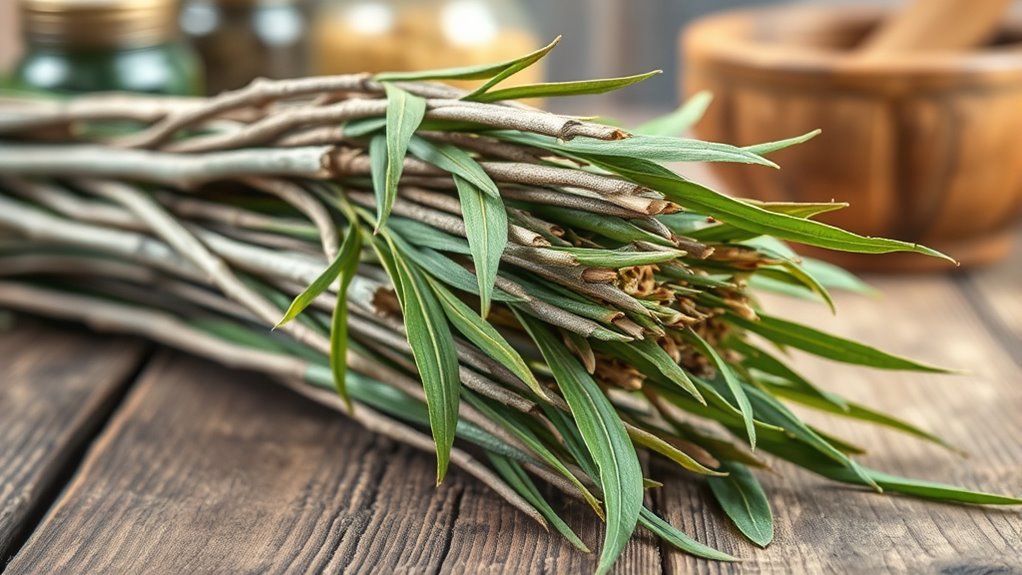
Willow bark has been used for centuries as a natural remedy for pain, highlighting its historical significance. Its active compound, salicin, paved the way for modern pain medications. Today, many turn to willow bark as an effective plant-based alternative for managing discomfort.
Historical Use Significance
Long before modern pharmaceuticals, indigenous peoples recognized the powerful pain-relieving properties of willow bark. They used it in traditional medicine to treat aches, fever, and inflammation. Cultures like Native Americans and ancient Europeans valued this plant for its natural benefits. Its use spread across civilizations, laying the groundwork for modern pain relief. Willow bark’s significance goes beyond its medicinal role; it reflects early understanding of plant-based healing. People brewed teas, ground the bark into powders, or chewed it directly. These practices highlight its importance in early medicine. Today, its historical use reminds us that nature provided effective remedies long before synthetic drugs. The tradition of using willow bark demonstrates humanity’s enduring relationship with plants for health and healing.
Active Compound Salicin
The active compound responsible for willow bark’s pain-relieving effects is salicin, a naturally occurring chemical that the plant produces to protect itself against pests and injury. When you consume willow bark, your body converts salicin into salicylic acid, which helps reduce inflammation and alleviate pain. This natural process makes salicin a precursor to aspirin, providing similar relief without some of the harsh side effects associated with synthetic drugs. Salicin works by inhibiting certain enzymes involved in the production of prostaglandins—compounds that promote pain, fever, and inflammation. Because of its natural origin, salicin offers a gentler option for pain relief, especially if you’re seeking a plant-based alternative to NSAIDs. Its long history of use highlights its effectiveness and safety for many people.
Modern Pain Management
Modern pain management has increasingly turned to plant-based remedies like willow bark, which has been used for centuries to relieve aches and inflammation. This natural approach offers a safer alternative to synthetic drugs, focusing on herbs with proven effectiveness. Willow bark contains salicin, a compound that your body converts into salicylic acid, providing pain relief and reducing inflammation. You might consider it for conditions like arthritis, muscle pain, or headaches.
Key benefits include:
- Reduced risk of side effects common with NSAIDs
- Natural anti-inflammatory properties
- Long history of traditional use

ForestLeaf Quercetin with Bromelain 1350mg - Blend with Vitamin C & Stinging Nettle Supplement, Quercetin 500mg Capsules, Non-GMO Gluten Free, Natural Function, 90 Veggie Caps
IMMUNE SUPPORT - Boost your immunity with quercetin 500mg supplements. Using a complex blend of quercetin and bromelain...
As an affiliate, we earn on qualifying purchases.
Boswellia Serrata: An Ancient Remedy for Joint Health
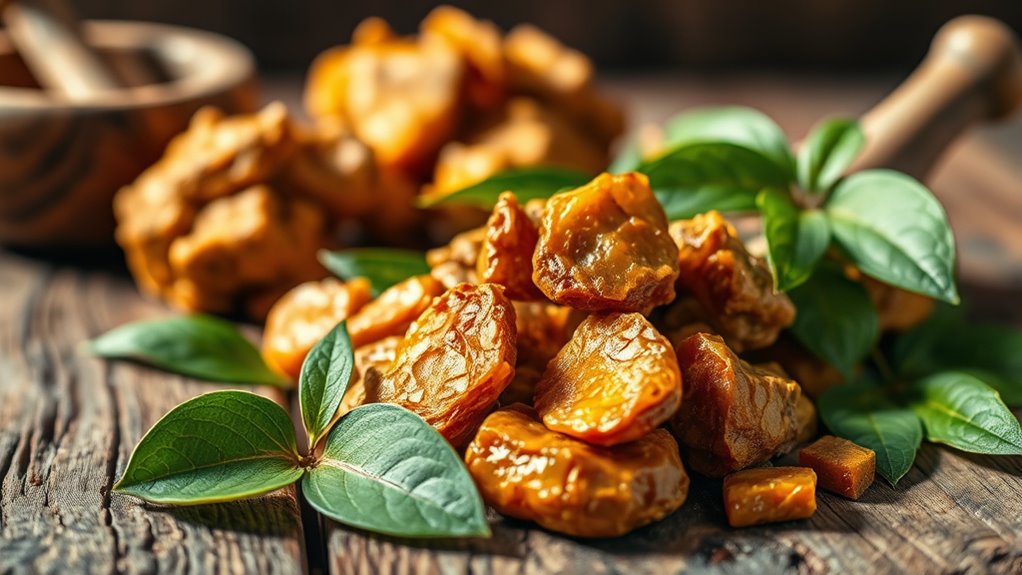
Boswellia Serrata, often called Indian frankincense, has been used for centuries as a natural remedy to support joint health and reduce inflammation. Its active compounds, boswellic acids, help inhibit enzymes that contribute to inflammation and pain. When you incorporate Boswellia into your routine, you may experience improved mobility and less stiffness, especially if you suffer from arthritis or joint discomfort. This herbal remedy is available in capsules, powders, and extracts, making it easy to add to your daily regimen. Unlike synthetic drugs, Boswellia typically causes fewer side effects, making it a safer option for long-term use. Its traditional use and growing scientific support make Boswellia Serrata a compelling choice for natural joint support.
Devil’s Claw: A Root Known for Its Pain-Relieving Properties

If you’re exploring herbal options to manage joint pain and inflammation, you’ll find Devil’s Claw to be a compelling choice. This root has a long history of traditional use for reducing pain, especially in conditions like arthritis and back pain. Its active compounds, primarily iridoid glycosides, help decrease inflammation and alleviate discomfort. When considering Devil’s Claw, keep in mind that it may:
- Improve joint mobility and flexibility
- Reduce swelling and stiffness
- Support overall joint health
You can find Devil’s Claw in capsule, tincture, or extract form. However, consult your healthcare provider before use, especially if you’re pregnant, nursing, or taking other medications. Its natural pain-relieving properties make it an appealing alternative to NSAIDs, with fewer side effects.
Arnica: Topical Relief for Bruises and Muscle Soreness

Arnica is a popular herbal remedy known for providing effective topical relief from bruises, muscle soreness, and minor injuries. When you apply arnica gel or cream, it works by reducing inflammation, swelling, and pain directly at the site of injury. Its anti-inflammatory compounds help speed up the healing process and decrease discomfort without the side effects associated with NSAIDs. You can use arnica shortly after an injury or intense workout to alleviate soreness and prevent bruising from worsening. Make sure to follow the instructions on the product label and avoid applying it to broken skin. Arnica is a natural option that offers quick, targeted relief, making it a valuable addition to your pain management routine.
Frequently Asked Questions
Are Herbal Remedies Safe for Long-Term Use?
Herbal remedies can be safe for long-term use if you choose quality products and follow recommended dosages. However, you should always consult your healthcare provider before regular use, especially if you’re taking other medications or have underlying health conditions. Some herbs may cause side effects or interact with medications over time. Stay informed, monitor your body’s response, and prioritize professional guidance to guarantee safe, effective long-term use.
Can Herbal Supplements Interact With Prescription Medications?
Yes, herbal supplements can interact with prescription medications, so you should always check with your healthcare provider before combining them. Some herbs, like ginseng or St. John’s Wort, can alter how your medications work or increase side effects. Being cautious helps prevent unwanted interactions, ensuring your treatment remains safe and effective. Always inform your doctor about any herbal supplements you’re taking to avoid potential risks.
What Are the Recommended Dosages for These Herbal Alternatives?
Think of herbal remedies as delicate notes in a symphony—each has a perfect pitch. For turmeric, aim for 500-2,000 mg daily; ginger suggests 1-3 grams, and willow bark around 60-120 mg of salicin. Always start low and listen to your body’s response. Consult your healthcare provider to fine-tune doses safely, ensuring these natural melodies harmonize with your medications and health needs.
Are There Any Side Effects Associated With Herbal Pain Relievers?
Herbal pain relievers can cause side effects, so you should be cautious. You might experience allergic reactions, digestive issues, or interactions with medications you’re already taking. Always start with the recommended dosage and monitor how your body responds. It’s best to consult a healthcare professional before using herbal remedies, especially if you’re pregnant, nursing, or have underlying health conditions. Staying informed helps you enjoy natural relief safely.
How Quickly Do Herbal Remedies Typically Provide Pain Relief?
Herbal remedies can start providing pain relief within 30 minutes to a few hours, depending on the herb and your body’s response. For example, some people feel relief quickly with turmeric or ginger, while others may need consistent use over days. To see the best results, follow dosing instructions carefully, and give your body time to adjust. Remember, individual responses vary, so patience is key when trying herbal treatments.
Conclusion
Sure, because who needs modern medicine with all these ‘miracle’ herbal remedies? Just ditch the NSAIDs and embrace nature’s “gentle” solutions—until you realize they don’t work and you’re left with bruises, joint pain, and maybe a bit of herbal regret. But hey, at least you’ll be pain-free in spirit, right? So go ahead, choose your herbal hero—just don’t say we didn’t warn you about that tiny chance of disappointment!