
Herbal estrogens, like those found in soy, flaxseed, and herbs, can support hormonal balance and may help reduce menopausal symptoms such as hot flashes and mood swings. They work by mimicking estrogen, offering a gentle, natural approach to aging gracefully. While they might not replace traditional hormone therapy for severe symptoms, incorporating these foods into your routine could benefit your overall well-being. If you want to explore how to use them safely, keep going for more insights.
Key Takeaways
- Phytoestrogens mimic estrogen, potentially easing menopausal symptoms and supporting hormonal balance during aging.
- Dietary sources like soy, flaxseed, and legumes provide natural phytoestrogens that may promote healthy aging.
- They can help reduce hot flashes, improve bone health, and enhance mood stability in menopausal and aging women.
- Using phytoestrogen-rich foods or supplements offers a gentle, natural approach with fewer risks compared to hormone therapy.
- Proper intake and quality control are essential to safely incorporate phytoestrogens into an aging wellness routine.
What Are Phytoestrogens and How Do They Work in the Body
Phytoestrogens are naturally occurring plant compounds that mimic the effects of estrogen in the body. When you consume foods rich in these compounds, they bind to estrogen receptors, influencing hormonal balance. Because they can act like weak estrogens, they help support hormonal activity, especially during menopause when natural estrogen levels decline. Phytoestrogens don’t replace your body’s estrogen but instead modulate its effects, offering mild estrogenic activity. This can help reduce symptoms like hot flashes, irritability, and bone loss. Your body recognizes these plant compounds as similar to estrogen, so they activate or block receptors depending on your hormonal needs. Overall, phytoestrogens work subtly to support your hormonal health without the risks associated with synthetic hormones.
Common Sources of Herbal Estrogens
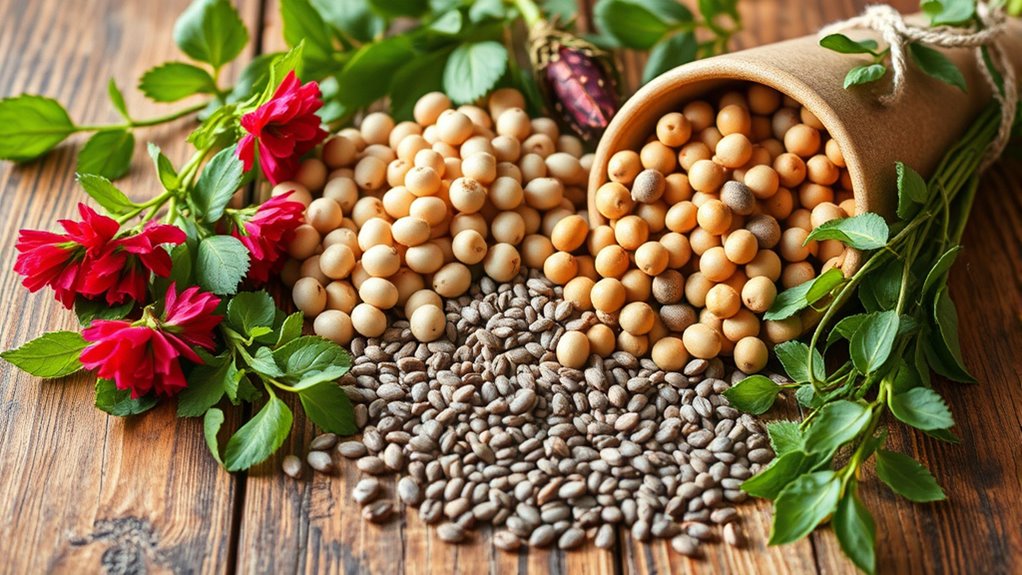
Many herbal estrogens come from everyday foods like legumes and soy, which are rich in phytoestrogens. You can also find them in flaxseed and other seeds, as well as in a variety of fruits and vegetables. Incorporating these into your diet may boost your body’s natural estrogen levels naturally.
Legumes and Soy
Have you ever wondered which foods naturally contain plant-based estrogens? Legumes and soy are among the top sources. Soy products like tofu, tempeh, and soy milk are rich in isoflavones, a type of phytoestrogen that mimics estrogen in your body. These compounds can help balance hormone levels and may ease menopausal symptoms. Legumes such as chickpeas, lentils, and beans also contain phytoestrogens, though in smaller amounts compared to soy. Incorporating these foods into your diet can support hormonal health and provide additional benefits like fiber and protein. Keep in mind, though, that moderation is key, and it’s best to include a variety of phytoestrogen-rich foods for balanced benefits.
Flaxseed and Seeds
Beyond legumes and soy, flaxseed and other seeds stand out as rich sources of herbal estrogens. Flaxseed, in particular, is packed with lignans—plant compounds that act like weak estrogens in your body. Adding ground flaxseed to your diet can help support hormonal balance and may ease menopausal symptoms. Other seeds, like sesame and pumpkin seeds, also contain phytoestrogens, though in smaller amounts. Incorporating these seeds into your meals is simple—sprinkle them on yogurt, oatmeal, or salads. Keep in mind, while seeds are a natural way to boost herbal estrogen intake, moderation is key. Consistent consumption can contribute to your overall hormonal health, helping you age gracefully with balanced estrogen levels.
Fruits and Vegetables
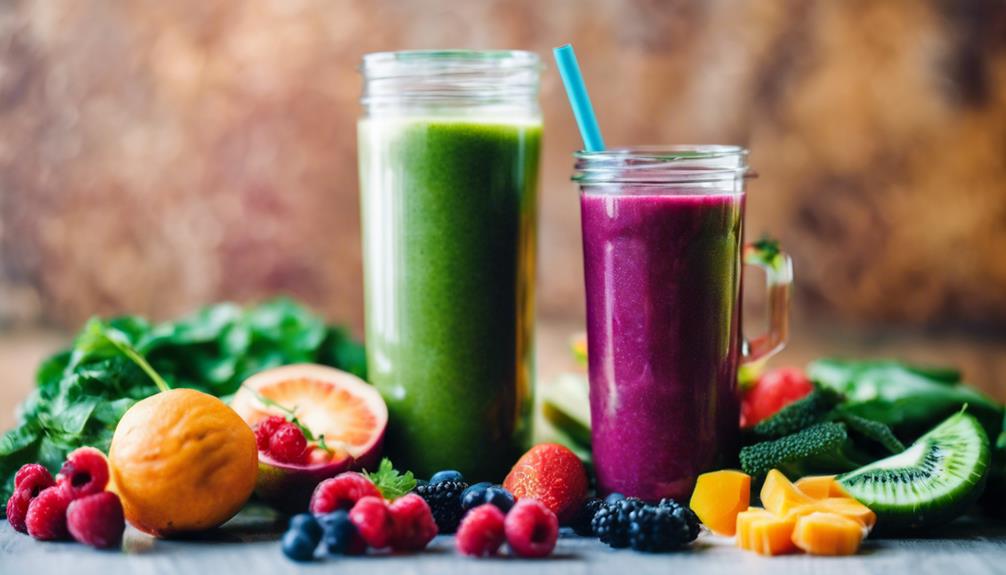
Fruits and vegetables are excellent natural sources of herbal estrogens, offering a colorful and nutritious way to support hormonal balance. Berries, apples, carrots, and cruciferous vegetables contain plant compounds that mimic estrogen, helping you manage menopausal symptoms and maintain vitality. Including a variety of these in your diet ensures you get a mix of beneficial phytoestrogens. For example:
| Fruit/Vegetable | Key Phytoestrogens | Benefits |
|---|---|---|
| Berries | Flavonoids | Antioxidant support |
| Apples | Phytoestrogenic compounds | Hormonal balance |
| Carrots | Lignans | Menopausal symptom relief |
Potential Benefits of Phytoestrogens During Menopause
Could phytoestrogens offer a natural way to ease some symptoms of menopause? Many women find relief from hot flashes, night sweats, and mood swings by including these plant compounds in their diet. Phytoestrogens mimic estrogen in your body, helping to balance hormonal fluctuations that occur during menopause. They may also support bone health by reducing the risk of osteoporosis, which becomes more common after menopause. Additionally, some women experience improved sleep and mood stability. Because these natural compounds are found in foods like soy, flaxseed, and legumes, incorporating them into your daily routine could provide gentle, supportive benefits. While not a cure, phytoestrogens offer a promising, natural option to help navigate menopause more comfortably.
Scientific Evidence Supporting Their Use
Scientific studies have shown that phytoestrogens can modestly reduce menopausal symptoms such as hot flashes and night sweats. Multiple clinical trials suggest that foods rich in soy isoflavones, like tofu and soy milk, may help ease these discomforts. Research also indicates that phytoestrogens might support bone health, potentially lowering osteoporosis risk in postmenopausal women. However, results are mixed; some studies show significant benefits, while others find minimal effects. Meta-analyses highlight that individual responses vary based on genetics, diet, and hormone levels. While scientific evidence points to some positive outcomes, it remains inconclusive whether phytoestrogens are a reliable alternative to hormone therapy. Overall, current research supports their potential, but further investigation is necessary to fully understand their effectiveness.
Risks and Side Effects to Consider
While herbal estrogens are often considered natural alternatives, they can still carry risks and side effects that you should be aware of. Some people may experience allergic reactions, such as skin rashes or breathing difficulties, after taking phytoestrogens. Others might encounter gastrointestinal issues like nausea, bloating, or stomach upset. In certain cases, herbal estrogens can interfere with medications or worsen existing health conditions, such as hormone-sensitive cancers or clotting disorders. High doses may lead to hormonal imbalances, potentially causing mood swings or menstrual irregularities. It’s essential to consult your healthcare provider before starting any herbal supplement. While generally considered safe, herbal estrogens aren’t risk-free, and understanding their side effects helps you make informed choices for your health.
Comparing Phytoestrogens to Conventional Hormone Therapy
When comparing phytoestrogens to conventional hormone therapy, you’ll notice that plant-based options are natural, while synthetic hormones are lab-made. Effectiveness varies, with some finding herbal estrogens helpful and others needing stronger treatment. Additionally, their side effect profiles differ, often making herbal options more tolerable for many users.
Natural vs. Synthetic
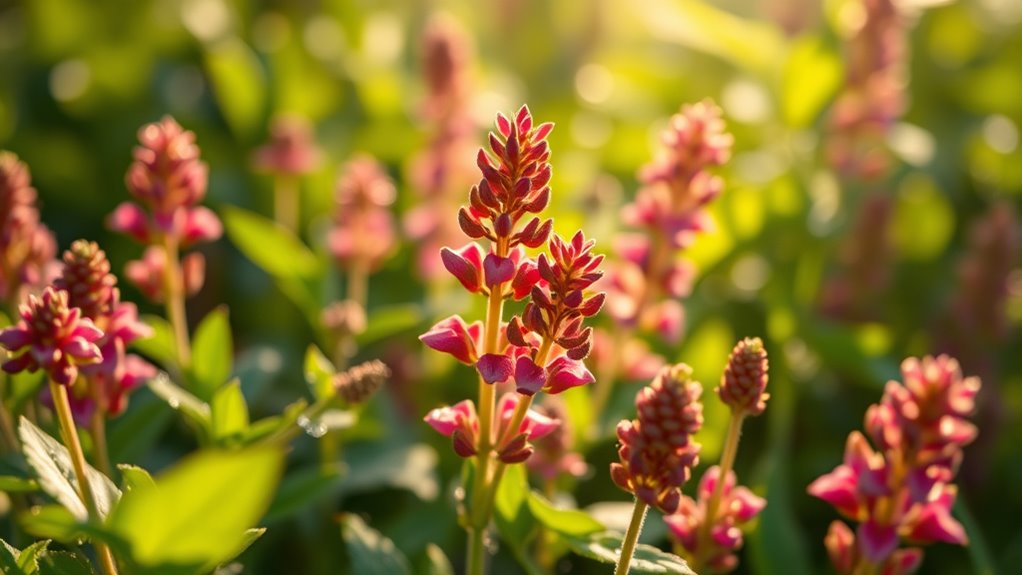
Herbal estrogens, or phytoestrogens, are plant-based compounds that mimic the effects of estrogen in the body, offering a natural alternative to conventional hormone therapy. Unlike synthetic hormones, which are chemically manufactured and often derived from pharmaceutical processes, phytoestrogens come directly from plants like soy, flaxseed, and red clover. These compounds tend to be milder and less potent, which appeals to those seeking a more natural approach. Synthetic hormones are designed to closely match human estrogen, but they may carry higher risks of side effects and health concerns. In contrast, phytoestrogens are generally considered safer, with fewer adverse effects, because they are processed through your digestive system and act more subtly. Ultimately, the choice depends on your health goals and personal preferences.
Effectiveness Comparison
Are phytoestrogens an effective alternative to conventional hormone therapy? The answer depends on your specific needs and health goals. Studies show that phytoestrogens, found in foods like soy and flaxseed, can modestly alleviate menopausal symptoms such as hot flashes and night sweats. However, their estrogenic effects are weaker than those of pharmaceutical hormone treatments. Conventional hormone therapy tends to provide faster and more pronounced relief but carries higher risks, including blood clots and certain cancers. Phytoestrogens may offer a gentler, more natural option with fewer side effects, but their effectiveness varies among individuals. If you’re seeking a less invasive approach, they could help, but for significant symptom relief, traditional hormone therapy might be more reliable.
Side Effect Profiles
Phytoestrogens generally have milder side effects compared to conventional hormone therapy, making them a safer option for many. You’re less likely to experience issues like bloating, headaches, or mood swings often associated with synthetic hormones. Unlike hormone therapy, which can increase the risk of blood clots, stroke, or certain cancers, phytoestrogens tend to be gentler on your body. However, they’re not completely free of side effects; some may notice digestive discomfort or allergic reactions. It’s important to remember that individual responses vary, and long-term safety data is still limited. If you’re considering phytoestrogens, consult your healthcare provider to ensure they’re appropriate for your health profile and to discuss potential interactions with medications.
How to Incorporate Herbal Estrogens Into Your Routine
To seamlessly incorporate herbal estrogens into your daily routine, start by choosing high-quality supplements or foods rich in phytoestrogens, such as soy products, flaxseeds, or red clover. Incorporate these into meals or snacks—add ground flaxseeds to smoothies, enjoy soy yogurt, or brew red clover tea. Aim for consistency, but consult labels for appropriate servings to avoid excess. You can also consider supplement capsules, but select reputable brands and follow recommended dosages. Keep a balanced diet overall, integrating phytoestrogen-rich foods alongside other nutrient-dense options. Remember, gradual incorporation allows your body to adjust. Staying mindful of your body’s response will help you determine what works best for your routine and ensure you enjoy the potential benefits safely.
Who Should Be Cautious About Using Phytoestrogens

While incorporating herbal estrogens into your routine can offer benefits, certain groups should exercise caution. If you’re pregnant, breastfeeding, or have hormone-sensitive conditions like breast or uterine cancer, consult your healthcare provider before using phytoestrogens. People on hormone therapy or blood-thinning medications should also be cautious, as herbal estrogens can interact with these treatments. Understanding your health background is vital to avoid unintended effects. Here’s a quick overview:
| Group | Potential Risk | Recommendation |
|---|---|---|
| Pregnant/Breastfeeding | Hormonal imbalance | Seek medical advice |
| Hormone-sensitive conditions | Worsening symptoms or cancer risk | Consult your doctor |
| Medication users | Drug interactions | Discuss with healthcare provider |
Awareness helps you make informed decisions about phytoestrogen use.
Navigating Quality and Dosage in Supplements
Choosing high-quality herbal supplement products is essential to guarantee safety and effectiveness. Look for reputable brands that provide transparent sourcing and rigorous testing. Check labels for standardized extracts to ensure consistent potency, especially for key phytoestrogens like isoflavones and lignans. Be cautious of products with fillers or artificial additives, which can dilute effectiveness or cause adverse reactions. When it comes to dosage, follow the recommended guidelines on the label or consult a healthcare professional. Avoid exceeding advised amounts, as higher doses don’t necessarily mean better results and may increase risks. Consistency is key—taking supplements regularly at the right dose helps your body absorb and benefit from the plant compounds. Proper quality and dosing help you safely incorporate phytoestrogens into your aging wellness routine.
Making an Informed Decision for Healthy Aging
How can you make informed decisions about herbal estrogens to support healthy aging? First, research reputable sources and consult healthcare professionals before starting any supplement. Understand that herbal estrogens, like phytoestrogens, can affect hormone levels differently for each person. Pay attention to dosage recommendations and quality standards to ensure safety. Be aware of potential interactions with medications or health conditions you have. Listen to your body and monitor how you feel as you incorporate these supplements into your routine. Avoid jumping to conclusions based on marketing claims; instead, rely on scientific evidence and expert advice. Making educated choices helps you maximize benefits while minimizing risks, empowering you to age gracefully with confidence and control over your health.
Frequently Asked Questions
Can Phytoestrogens Replace Traditional Hormone Therapy?
Phytoestrogens can’t fully replace traditional hormone therapy, but they can help manage some menopausal symptoms naturally. You might find relief from hot flashes, night sweats, or mood swings by incorporating foods rich in phytoestrogens, like soy and flaxseeds, into your diet. However, it is crucial to consult your healthcare provider before making any changes, as they can advise whether these plant compounds suit your individual health needs.
Are Herbal Estrogens Effective for Men as Well?
Herbal estrogens can offer some benefits for men, but they’re not a silver bullet. Think of them as a gentle breeze, providing subtle support rather than a storm of change. They may help balance hormones and reduce symptoms like hot flashes or bone loss. However, you should approach them with caution and consult a healthcare professional to guarantee they’re right for your unique needs, avoiding unintended side effects.
How Long Does It Take to Notice Benefits From Herbal Estrogens?
You might start noticing benefits from herbal estrogens within a few weeks, but it can vary based on your body’s response and the specific supplement. Some people see improvements in skin elasticity, mood, or hot flashes in as little as 2-4 weeks, while others may take up to 8-12 weeks. Be patient, and keep track of your changes to determine what works best for you.
Are There Any Interactions Between Herbal Estrogens and Medications?
Like two puzzle pieces fitting together, herbal estrogens can interact with medications you take. You should check with your healthcare provider before combining them, especially if you’re on blood thinners, hormone therapies, or antidepressants. These interactions might alter medication effectiveness or increase side effects. Stay cautious and keep your provider informed to avoid unexpected issues, ensuring you safely enjoy the potential benefits of herbal estrogens.
Can Herbal Estrogens Prevent Osteoporosis or Other Age-Related Conditions?
Herbal estrogens may help prevent osteoporosis by mimicking estrogen’s effects on bone density, which declines with age. You might notice improved bone strength and reduced fracture risk if you include phytoestrogen-rich foods or supplements in your diet. However, it is crucial to consult your healthcare provider first, especially if you’re on medications or have health conditions, to ensure safe and effective use.
Conclusion
So, if you’re ready to uncover the secret weapon against aging’s sneakiest tricks, herbal estrogens might just be your superhero sidekick. With the power to ease menopause woes and help you age gracefully, they could transform your routine into a fountain of youth—minus the magic potions. Just remember, do your homework, choose quality, and listen to your body. Because with the right approach, you’ll be thriving and feeling fabulous at any age—like a true age-defying legend!