
Plant folklore still shapes your herbal practices today by blending ancient myths with respectful harvesting rituals. Stories of herbs growing from divine tears or heroic blood inspire reverence and a spiritual connection with plants. Many follow traditions like harvesting during specific moon phases or reciting prayers, preserving cultural identity. These rituals remind you that herbs are sacred beings, blending myth and medicine. To discover how these timeless beliefs continue to influence herbal culture, explore further.
Key Takeaways
- Folklore legends about divine or supernatural origins elevate certain herbs’ cultural and spiritual significance.
- Traditional harvesting rituals, such as moon-phase collection, are rooted in myth to enhance plant potency.
- Stories and rituals preserve cultural identity and ensure respectful, mindful use of herbs across generations.
- Herbs are regarded as living beings, with practices that honor their sacred and mystical qualities.
- Myths and ancient traditions foster a spiritual connection between humans and plants, sustaining herbal culture today.
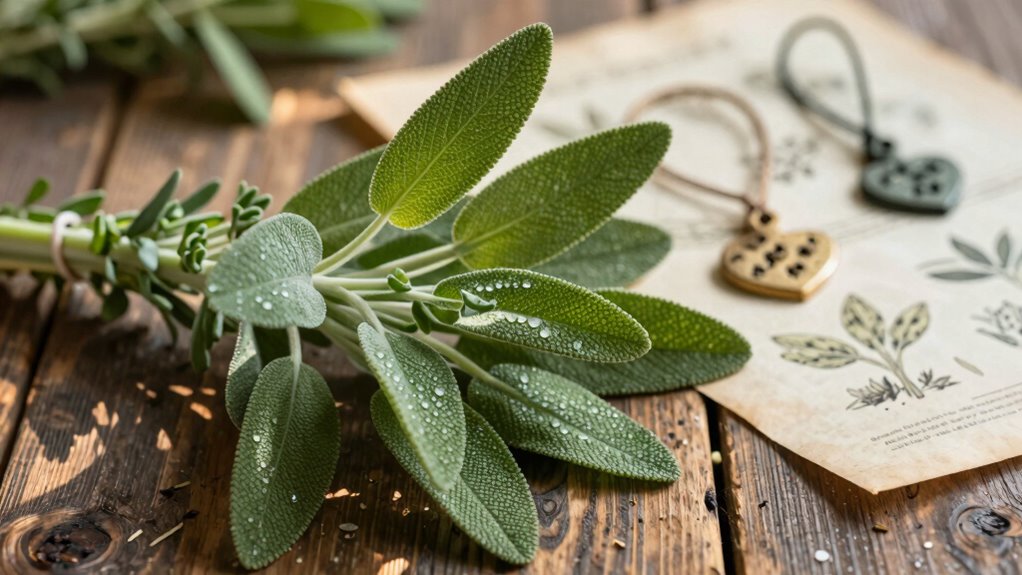
Throughout history, plant folklore has shaped how we perceive and use herbs, and these traditions still influence herbal culture today. Many stories and beliefs about plants have been passed down through generations, often blending myth with practical knowledge. These tales of mythical plant origins, for example, suggest that some herbs possess powers or qualities granted by divine or supernatural forces. You might have heard that certain herbs grew from the tears of gods or sprouted from the blood of legendary heroes. Such stories aren’t just stories—they serve to elevate the importance of these plants and foster a sense of reverence. When you pick herbs like sage or thyme, you’re partaking in centuries-old traditions that ascribe special significance to their origins, whether real or mythic.
These myths influence not just the stories we tell but also the way herbs are harvested and used. Traditional harvesting practices, often rooted in folklore, emphasize respect for the plant’s natural cycle and spiritual significance. For instance, some cultures believe that gathering herbs during specific moon phases or at dawn enhances their potency or aligns with divine forces. You might be advised to harvest certain plants with reverence, using specific tools or rituals to honor their sacred origins. These practices aren’t arbitrary—they’re based on a deep understanding that the timing and manner of harvesting can affect the plant’s healing properties or spiritual energy. Such traditions foster a mindful approach to herbal gathering, connecting you to a lineage of herbalists who saw their work as more than just gathering plants; it was a sacred act.
Moreover, these stories and practices help preserve the cultural identity associated with herbal traditions, passing down herbal knowledge through generations. This blend of myth and practice has helped preserve a sense of continuity and respect in herbal culture. Even today, many herbalists and enthusiasts follow these traditional harvesting practices, believing they reveal the true potential of the herbs. The stories behind the plants serve as a reminder of their ancient significance and the careful way they should be handled. Whether it’s harvesting at a specific moon phase or reciting a prayer, these rituals reinforce the idea that herbs aren’t merely ingredients—they are living beings with spiritual and cultural histories. The myths surrounding plant origins, combined with these time-honored practices, keep the connection between humans and herbs alive. They remind you that herbal medicine isn’t just about physical healing but also about honoring the centuries of tradition that have shaped this enduring, mystical relationship.

NewPath Phases of The Moon 3D Paper Model Making Kit – Individual Student Edition (17-7821)
Assemble & Explore 3-D Paper Models to Investigate Key Science Concepts
As an affiliate, we earn on qualifying purchases.
As an affiliate, we earn on qualifying purchases.
Frequently Asked Questions
How Have Plant Folklore Beliefs Evolved Over Centuries?
Over centuries, plant folklore beliefs have evolved from superstitious rituals and mythical plant origins into more scientific understandings, yet many traditions remain. You might still see people performing rituals for protection or health, rooted in old superstitions. While modern herbal practices rely on research, they often honor traditional stories about mythical plant origins. This blend of old beliefs and new knowledge keeps the cultural significance of plants alive today.
Are There Any Plants With Disputed Folkloric Origins?
You’ll find that many plants have disputed plant histories, especially when it comes to their mythical origins. For instance, garlic’s folklore varies widely across cultures, with some believing it wards off evil, while others see it as a symbol of healing or danger. These conflicting stories reveal how myth and tradition shape herbal culture, often making it difficult to pinpoint the true origins of certain plants, which remain steeped in myth and mystery.
How Does Folklore Influence Modern Herbal Medicine Practices?
Folklore influences modern herbal medicine through medicinal symbolism and mythic plant associations, shaping how you view and use herbs. These stories give plants cultural significance, guiding your choices and boosting confidence in their healing powers. Mythic associations, like lavender for relaxation or garlic for protection, persist in herbal practices today. They connect tradition with contemporary healing, making herbal medicine more meaningful and rooted in cultural stories that continue to inspire your health routines.
What Are the Ethical Considerations in Using Folklore for Herbal Remedies?
You should consider ethical issues like cultural appropriation and authenticity verification when using folklore for herbal remedies. Respect the origins of traditional knowledge, ensuring you’re not exploiting or misrepresenting cultural practices. Verify the authenticity of herbal uses through research and collaboration with knowledgeable communities. By doing so, you honor the cultural significance and promote responsible, respectful practices that preserve the integrity of traditional herbal medicine.
Do Different Cultures Share Similar Plant Folklore Traditions?
Did you know over 80% of traditional healing rituals involve cultural plant symbolism? Different cultures do share similar plant folklore traditions, especially with herbs like sage or aloe, valued across continents for healing or protection. You’ll find that many societies attribute special meanings to plants, creating a rich tapestry of shared symbolism. This commonality shows how plants serve as universal symbols in traditional healing, bridging diverse cultural beliefs and practices.

30 Jars Witchcraft Supplies Herbs & Flowers Kit with Crystal Spoon, Spell Parchments, Book of Herbs, and Feather – Natural Dried Herbal Set for Wicca, Altar Decor, Rituals, Spellcasting, and Beginners
Enchanting All-Floral Witchcraft Collection:This beautifully curated set includes 15 mystical dried flowers—including Rose, Lavender, Jasmine, Peony, and Carnation—each…
As an affiliate, we earn on qualifying purchases.
As an affiliate, we earn on qualifying purchases.
Conclusion
As you explore herbal culture, remember that these ancient beliefs still hold sway, quietly shaping how you perceive and use plants today. The stories, superstitions, and traditions are more than mere history—they’re living echoes influencing your choices in unexpected ways. But what secrets do these plants still hide, waiting to be uncovered? Keep your curiosity alive, because the deeper you investigate, the more you’ll realize that plant folklore’s true power might be just beginning to reveal itself.

45PCS Herbs for Witchcraft – Wiccan Supplies and Tools – Witchcraft Supplies Dried Flowers Kit for Witch Beginner, Wicca Altar Supplies, Magic Spell, with Witchy Spoon, Witchy Gifts for Women
Premium Witchcraft Supplies Set: The witchy stuff kit includes 45 herbs & flowers with 1 crystal spoon. Each…
As an affiliate, we earn on qualifying purchases.
As an affiliate, we earn on qualifying purchases.

Tribal Crohn's Herbal Extract Alcohol-Free, Tincture, Glycerite Slippery Elm, Parsley, Marshmallow, Turmeric, Frankincense, Green Tea. Gut and Bowel Formula 2 oz
3rd Party Lab Tested: No Foreign Substances, No Fillers, Herb ID Confirmed for Your Safety, Micro test
As an affiliate, we earn on qualifying purchases.
As an affiliate, we earn on qualifying purchases.