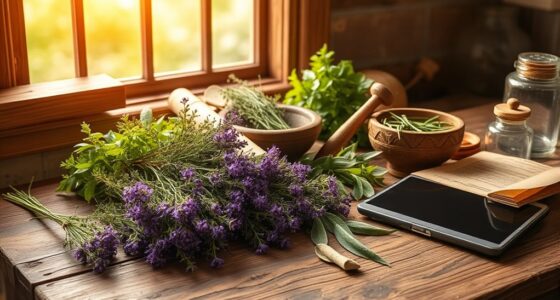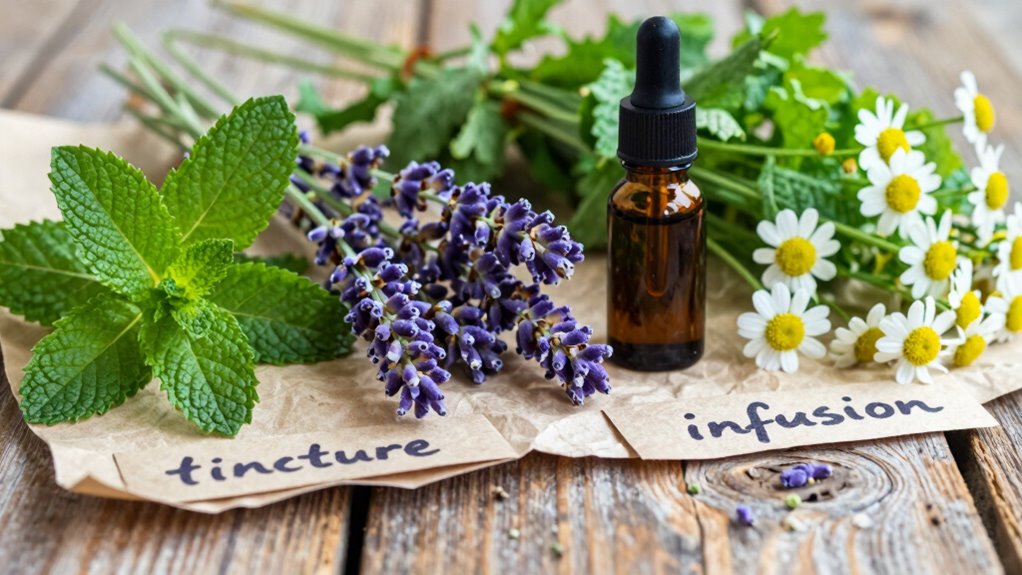
Many herbalism terms sound fancy but are simple once you know them. For example, “tinctures” are just herbs soaked in alcohol, and “infusions” are herbs steeped in hot water like tea. “Decoctions” involve boiling tougher plant parts, like roots or bark. “Salves” are topical ointments made from infused oils and beeswax. Understanding these basic words helps you confidently explore herbal remedies—if you’re curious, you’ll discover even more straightforward techniques as you continue to explore.
Open a free Amazon Business account
Business pricing, bulk buying and tax-exempt orders.
As an affiliate, we earn on qualifying purchases.
Key Takeaways
- Terms like “infusion” and “decoction” simply mean steeping herbs in hot water or boiling tougher parts.
- “Tincture” is just herbal soaking in alcohol for easy preservation and dosing.
- “Salve” refers to a topical ointment made by infusing herbs into oil and adding beeswax.
- “Poultice” is a crushed herbal mixture applied directly to the skin for healing.
- These fancy-sounding words are straightforward methods of preparing herbal remedies.
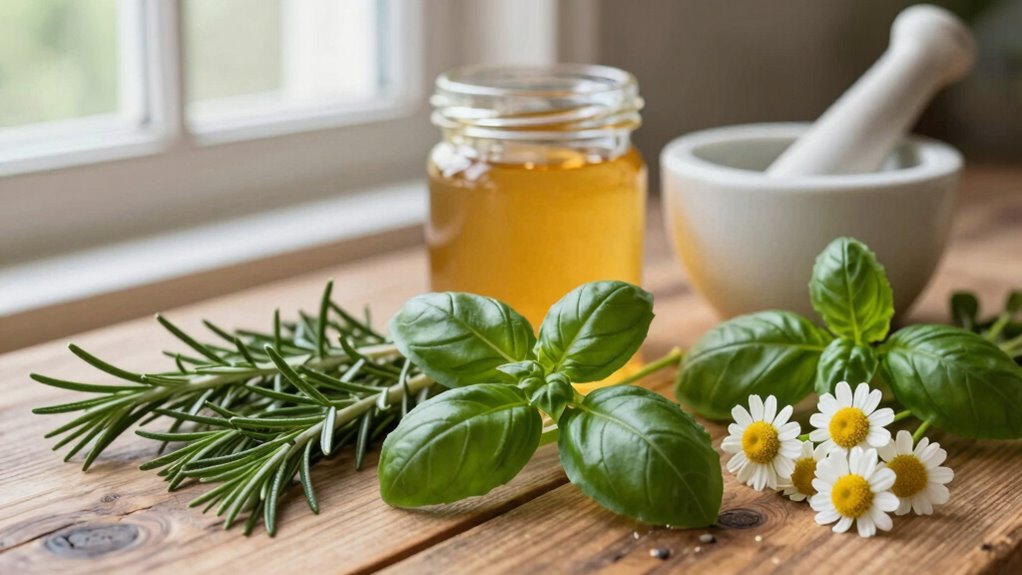
Herbalism often comes with a vocabulary that sounds more complicated than it really is. When you hear terms like “herbal extraction methods,” it might seem intimidating at first, but they’re actually straightforward processes used to get the beneficial compounds from plants. Herbal extraction methods include simple techniques like soaking herbs in alcohol or water, which draws out the active ingredients. For example, making a tincture involves soaking herbs in alcohol, which preserves the extract and makes it easy to take in small doses. You might also hear about infusions or decoctions—both are just ways to steep herbs in hot water. Infusions are like making tea, while decoctions involve boiling tougher plant parts like roots or bark for a longer period. These methods help you access the plant’s healing properties, making it easier to incorporate common herbal remedies into your routine. Understanding these extraction techniques can help you better appreciate how herbal remedies are prepared and used. Recognizing the different preparation methods can also deepen your appreciation for the versatility of herbal medicine. Additionally, knowing these basic processes allows you to experiment safely and effectively at home.
When you explore herbal remedies, you’ll find that many are surprisingly simple. Common herbal remedies like chamomile tea for relaxation or peppermint for digestion don’t require fancy equipment or complicated steps. They’re usually just steeped in hot water or prepared as extracts. Using basic herbal preparation techniques, even beginners can confidently create effective remedies. Understanding these preparation techniques can help demystify the process and encourage more confident experimentation. What’s important is understanding the basic process—whether it’s brewing a tea, making a tincture, or applying a poultice—so you can confidently use herbs for everyday health. You don’t need to be a professional herbalist to benefit from these remedies; knowing the simple techniques makes herbalism accessible to everyone.
Many of these common herbal remedies have been used for centuries, passed down through generations, and the names you hear—like salves, infusions, or decoctions—are just descriptions of how you prepare them. They sound fancy, but they’re just different ways of extracting and using herbs. For example, a herbal salve is a topical ointment made by infusing herbs into oils, then combining it with beeswax. It’s a natural way to soothe skin irritations. These processes are easy to learn, and once you get the hang of them, you’ll see that herbalism isn’t complicated at all. The key is understanding that these terms describe simple, effective methods that help you make the most of the plants’ healing qualities. So, don’t let the fancy-sounding words scare you—herbalism is all about practical, accessible techniques that you can incorporate into your daily health habits.
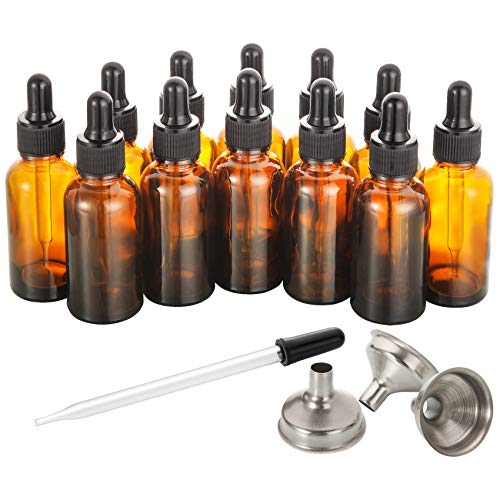
12 pcs, 1 oz Amber Dropper Bottles w/ 3 Stainless Steel Funnels & 1 Long Glass Dropper – 30ml Glass Bottles with Eye Droppers, Leakproof Essential Oils Bottle for Health, Personal Care & Beauty
- Package Includes: 12 amber glass bottles with accessories
- Durable Material: Amber glass with corrosion-resistant lids
- Versatile Use: Suitable for essential oils and cosmetics
As an affiliate, we earn on qualifying purchases.
As an affiliate, we earn on qualifying purchases.
Frequently Asked Questions
Are Herbalism Terms Universally the Same Worldwide?
Herbalism terms aren’t universally the same worldwide. Cultural variations and linguistic differences influence how herbs and practices are named and understood. You might find that the same herb has different names in different countries, or that similar terms sound fancy but mean simple concepts. These differences can sometimes cause confusion, so it’s helpful to learn local names and descriptions when exploring herbal remedies across cultures.
Can Beginners Easily Apply These Herbal Remedies?
Sure, beginners can definitely dip their toes into herbal remedies, despite the fancy-sounding terminology. Just remember, mastering herbal preparation methods and avoiding common herbal misconceptions is key. It’s not rocket science—more like brewing tea with a dash of patience and curiosity. While some terms might sound intimidating, with a little guidance, you’ll soon be confidently applying simple herbal remedies and enjoying their benefits without overcomplicating things.
Do All Herbal Terms Have Scientific Equivalents?
Not all herbal terms have strict scientific equivalents, but many do. Herbal jargon and botanical terminology often include common names, Latin names, or descriptions that help identify plants accurately. While some terms sound fancy, they’re usually straightforward once you understand the basics. You might find some botanical terminology more technical, but in general, these terms aim to make herbalism more accessible and precise, not confusing.
How Long Does It Take to See Herbal Benefits?
You can start noticing herbal benefits within a few days to a few weeks, depending on the herbal preparation methods and the common herbal remedies you use. For example, teas or tinctures may work faster than topical applications. Consistency is key, so stick with your routine. Keep in mind that everyone’s body reacts differently, so patience is essential for seeing the full benefits of herbal remedies.
Are Herbalism Terms Regulated or Standardized?
Herbalism terms may seem like a secret code, but they’re not strictly regulated or standardized. You can think of herbal terminology as a patchwork quilt—some pieces are consistent, but others vary widely. Certification standards help bring order, ensuring herbal products meet safety and quality benchmarks. Still, always check sources carefully, because the language can be as fluid as a flowing river, shifting with new discoveries and traditions.
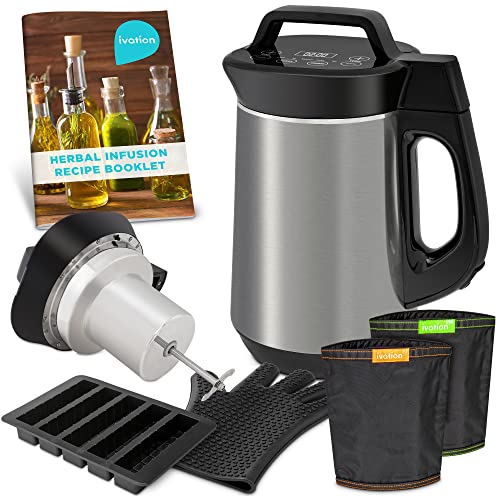
Ivation Herbal Infusion Machine, Botanical Extractor Infuser for making Butters, Oils & Tinctures, Chocolate & Gummies, Makes 1 -4 cups (2 to 8 sticks) of Butter, 2 Mesh Filters
- Versatile Herb Extraction: Extract flavors, fragrances, and medicinal benefits
- Quick 30-Minute Operation: Grind, blend, heat, and steep easily
- Preset Infusion Programs: Butter, oil, and tincture with timers
As an affiliate, we earn on qualifying purchases.
As an affiliate, we earn on qualifying purchases.
Conclusion
So, next time you hear terms like “apothecary” or “phytotherapy,” you’ll know they’re simply fancy words for everyday herbal practices. Remember, herbalism is accessible, and you don’t need a degree to get started. Notably, the global herbal supplement market is projected to reach over $10 billion by 2027, showing how popular and trusted these natural remedies have become. Embrace the knowledge and enjoy exploring herbalism’s simple, yet sophisticated, world.
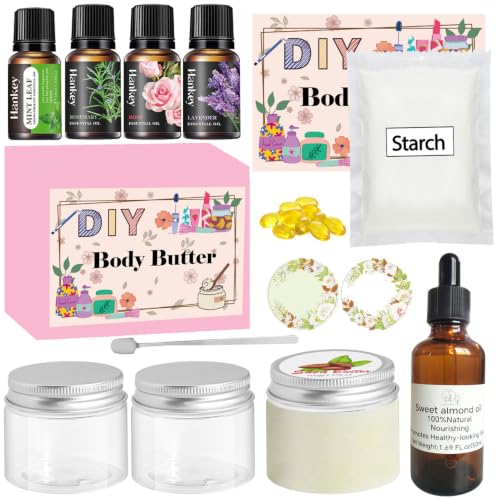
DINGTU Body Butter Making Kit- Shea Butter Lotion Making Kit, DIY Crafts for Adults, Organic Shea Butter Natural Whipped Body Butter Maker Skin Care Gifts for Women
- DIY Body Butter Kit: Make your own whipped body butter
- Natural Ingredients: Includes shea butter and sweet almond oil
- Moisturizes and Nourishes: Replenishes, soothes, and softens skin
As an affiliate, we earn on qualifying purchases.
As an affiliate, we earn on qualifying purchases.

Joydeem 3L Electric Herbal Medicine Pot, Ceramic Chinese Medicine Cooker with Smart Timer & Keep Warm, 500W Auto Decoction Herbal Tea Maker, Detachable Base for Herbal Soup, TCM, Tea & Tonic
- Smart Auto-Decoction System: Mimics traditional herbal decoction process
- Double-Decoction Function: Allows two brewing cycles for stronger extraction
- Large 3L Capacity: Suitable for multiple servings and family use
As an affiliate, we earn on qualifying purchases.
As an affiliate, we earn on qualifying purchases.
Back to school Picks
back to school
As an affiliate, we earn on qualifying purchases.