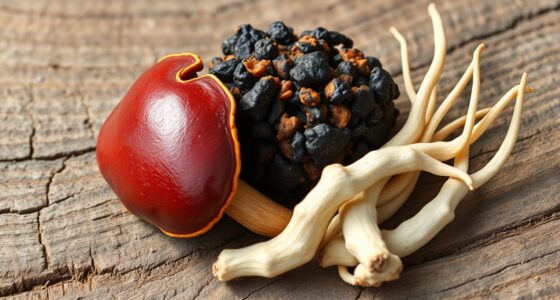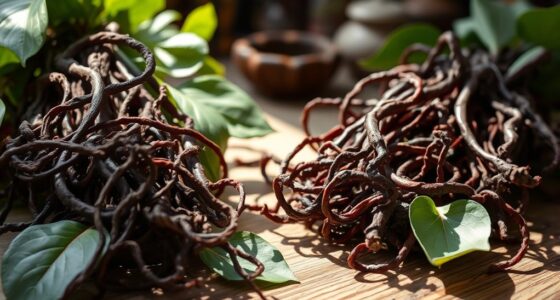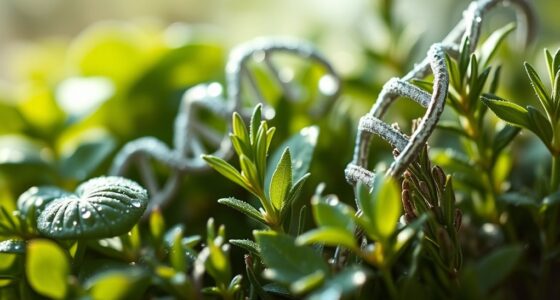

To support healthy aging and maintain a wellness-first lifestyle, incorporate herbs like turmeric, ginseng, ashwagandha, and milk thistle into your routine. Turmeric fights inflammation and boosts immunity, while ginseng enhances energy and mental clarity. Ashwagandha helps manage stress and increases vigor, and milk thistle supports liver health and detoxification. Using these herbs regularly can promote overall wellness and resilience. Keep exploring to discover how to make these powerful herbs a natural part of your daily life.

Get oils, diffusers and self-care delivered free — and shop member deals
- Fast, free delivery on millions of items
- Access to Prime Big Deal Days deals on October 6–7
- Prime Video, Amazon Music and more included
Key Takeaways
- Incorporate turmeric to reduce inflammation and support joint and brain health through its potent antioxidant properties.
- Use ginseng to boost energy, mental clarity, and immune function, promoting overall vitality with traditional and modern benefits.
- Include ashwagandha to manage stress, improve sleep, and increase endurance, enhancing resilience and emotional balance.
- Add milk thistle to support liver detoxification, digestion, and overall metabolic health for holistic wellness.
- Embrace herbs rooted in traditional medicine to foster aging gracefully with natural, health-boosting properties.

As you age, incorporating certain herbs into your diet can support overall health and well-being. These herbs aren’t just about flavor; they’re powerful tools that can enhance your vigor and help you maintain a wellness-first lifestyle. Many herbs have been used for centuries in traditional medicine, and modern science continues to uncover their impressive benefits. Understanding the herbal supplement benefits and traditional medicine uses of these herbs can help you make informed choices on your health journey.
One such herb is turmeric, renowned for its anti-inflammatory and antioxidant properties. Traditionally, it’s been used in Ayurveda and Chinese medicine to support joint health and boost immunity. Today, turmeric supplements are popular for reducing inflammation and potentially lowering the risk of chronic diseases. Its active compound, curcumin, has been studied extensively, revealing its ability to combat oxidative stress and support brain health, making it an excellent addition for aging gracefully. Recognizing the traditional medicine uses of herbs like turmeric can deepen your understanding of their holistic benefits. Additionally, modern research has shown that turmeric’s bioavailability can be enhanced through various formulations, increasing its effectiveness.
Turmeric’s curcumin fights inflammation, supports brain health, and boosts immunity for graceful aging.
Ginseng is another herb with a long history in traditional medicine, especially in Asia. It’s celebrated for its energy-boosting effects and its ability to improve mental function. The herbal supplement benefits of ginseng include enhanced stamina, reduced fatigue, and better cognitive clarity—crucial factors as you age. Traditional medicine uses also highlight its role in balancing the body’s systems and supporting immune function, which can be particularly beneficial when your resilience wanes with age. The rich cultural history of ginseng underscores its significance in promoting overall vitality.
Ashwagandha, often called the “adaptogen,” is valued in Ayurvedic practices for helping the body manage stress. Its adaptogenic properties help balance cortisol levels, promoting mental clarity and emotional stability. The herbal supplement benefits include reduced anxiety, improved sleep, and increased physical endurance. Traditionally, it’s been used to boost vitality and longevity, making it a staple for those seeking to age well physically and mentally. The adaptogenic properties of ashwagandha exemplify how traditional herbs can support stress resilience in modern wellness routines. Recognizing its adaptogenic effects can help integrate it effectively into holistic health practices.
Another herb, milk thistle, is revered for its liver-detoxifying effects. In traditional medicine, it’s used to support liver health and aid in digestion. Modern research supports its role in protecting liver cells and promoting detoxification, which is essential as your body’s ability to process toxins can decline with age. Incorporating milk thistle can help maintain your body’s natural detox pathways, contributing to overall wellness. Additionally, scientific studies have shown that herbal medicine uses are expanding as researchers explore its potential beyond liver health, emphasizing its versatility in supporting overall health. This growing body of research highlights its potential benefits for other organ systems as well.
Incorporating these herbs into your routine, whether through supplements or culinary use, taps into centuries-old wisdom while leveraging scientific insights. Their herbal supplement benefits and traditional medicine uses can complement a balanced diet and lifestyle, helping you age with vitality, resilience, and health.
turmeric curcumin supplement for inflammation
As an affiliate, we earn on qualifying purchases.
As an affiliate, we earn on qualifying purchases.
Frequently Asked Questions
Are These Herbs Suitable for All Age Groups?
These herbs aren’t suitable for all age groups because herb compatibility and age-specific effects vary. Younger individuals might experience different reactions compared to older adults. It’s crucial to take into account your age, health status, and consult a healthcare professional before incorporating new herbs into your routine. Certain herbs may support aging gracefully but could cause adverse effects if not tailored to your specific age and needs.
How Long Does It Take to See Health Benefits?
You might wonder how long it takes to notice health benefits. Timing expectations vary, but with consistent use, you’ll start noticing improvements within a few weeks. Some herbs may show noticeable improvements sooner, while others take longer to build up in your system. Patience is key—stay committed, and you’ll soon experience the positive effects these herbs can bring to your wellness journey.
Can These Herbs Replace Traditional Medical Treatments?
Herbal efficacy varies, so these herbs can’t fully substitute traditional medical treatments. While they can complement your healthcare routine and offer medical alternatives for some issues, they should never replace professional advice or prescribed medications. Always consult your healthcare provider before making changes. These herbs support overall wellness, but your doctor’s guidance ensures safe, effective care tailored to your needs.
Are There Any Side Effects From Long-Term Use?
Herbal hiccups can happen with long-term use, so you should stay cautious. While herbs generally promote wellness, herbal interactions may pose problems, especially if combined with medications. Long-term safety varies by herb, so it’s wise to consult your healthcare provider regularly. Monitoring for side effects helps prevent potential problems, ensuring your herbal journey remains healthy, harmonious, and hassle-free over time.
How Should These Herbs Be Stored for Maximum Potency?
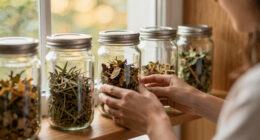
To maximize potency, store your herbs in airtight containers away from direct sunlight, heat, and moisture. Use dark glass jars or airtight tins to prevent light exposure that can degrade active compounds. Keep herbs in a cool, dry place, like a pantry or cupboard. Proper herb storage guarantees potency preservation, so your herbs remain effective and fresh over time. Regularly check containers for moisture or damage to maintain their quality.
ginseng extract capsules for energy and mental clarity
As an affiliate, we earn on qualifying purchases.
As an affiliate, we earn on qualifying purchases.
Conclusion
Embrace these herbs as part of your wellness journey, and you’ll find that aging gracefully is within your reach. Remember, “A journey of a thousand miles begins with a single step,” so start incorporating these natural allies today. By nurturing your body with these herbal allies, you’re investing in vibrant health and energy for years to come. Stay consistent, stay mindful, and watch as your wellness-first lifestyle blossoms with each passing day.
ashwagandha root powder for stress relief
As an affiliate, we earn on qualifying purchases.
As an affiliate, we earn on qualifying purchases.
milk thistle liver detox supplement
As an affiliate, we earn on qualifying purchases.
As an affiliate, we earn on qualifying purchases.
Fall Picks
fall essentials
As an affiliate, we earn on qualifying purchases.