
TL;DR
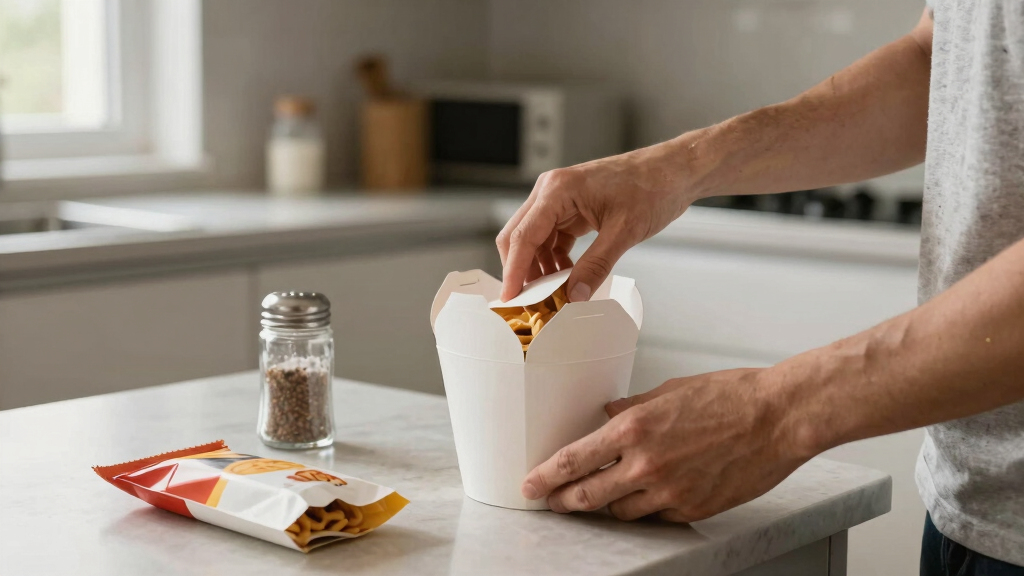
A recent study shows that many takeaway meals contain significantly more salt than their labels indicate. This discrepancy could impact consumers’ health, prompting calls for better regulation and transparency.
A recent study has revealed that a significant number of takeaway meals contain more salt than their labels claim. This discrepancy raises concerns about consumer health and food labeling accuracy, prompting calls for increased regulation and transparency from food providers.
The study, conducted by researchers at the National Food Safety Institute, analyzed 50 popular takeaway dishes across multiple outlets. It found that over 70% of sampled meals had salt levels exceeding the amounts listed on their packaging or menus. In some cases, the salt content was more than double the advertised amount.
According to the report, the average discrepancy was approximately 1.5 grams of salt per meal. This finding suggests that consumers may unknowingly consume higher levels of sodium, which is linked to increased risk of hypertension and cardiovascular disease. The researchers emphasized that the study focused on meals from various cuisines, including fast food, Asian, and European offerings, indicating a widespread issue.
Potential Impact on Consumer Health and Food Labeling Standards
This discovery matters because excessive salt intake is associated with health risks such as high blood pressure and heart disease. Consumers rely on accurate labeling to manage their intake, and discrepancies undermine trust in food providers and regulatory systems. The findings could lead to increased scrutiny of food labeling practices and calls for stricter enforcement by health authorities.
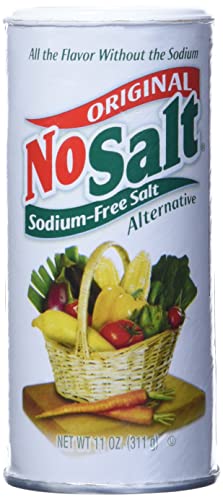
NoSalt Original Sodium-Free Salt Alternative, 11 oz
Convenient substitute for table salt
As an affiliate, we earn on qualifying purchases.
As an affiliate, we earn on qualifying purchases.
Background on Salt Content in Takeaway Foods
Previous research has shown that processed and restaurant foods often contain high levels of salt, but regulatory oversight varies by region. In recent years, some countries have implemented guidelines to limit salt in prepared foods, but enforcement remains inconsistent. This study adds to growing concerns about transparency in the food industry, especially as takeaway meals become a significant part of many people’s diets.
While some outlets voluntarily disclose salt content, many do not, leading to potential underreporting. The discrepancy identified in this study suggests that current labeling practices may not accurately reflect actual salt levels, possibly due to variations in preparation or intentional underreporting.
“Our findings indicate a significant gap between the salt content reported and what is actually present in these meals. Consumers need more accurate information to make informed choices.”
— Dr. Sarah Mitchell, lead researcher

Pool Salt Tester ORAPXI pH and Salt Meter for Saltwater Pool pH and Salinity Digital Tester 5 in 1 Salt Meter for Swimming Pools Hot Tubs and Swim Spas
Test pool salt level- Salt range:0~9990ppm/10~100ppt; Essential for keeping your pool salt water concentrate at the correct level…
As an affiliate, we earn on qualifying purchases.
As an affiliate, we earn on qualifying purchases.
Extent of Discrepancies Across Different Outlets
It is not yet clear whether the observed salt discrepancies are uniform across all takeaway providers or limited to certain chains or regions. The study sampled a limited number of outlets, and further research is needed to determine the full scope of the issue.
Bentgo Prep – 20-Piece 1-Compartment Reusable Meal Prep Containers with Lids, PFAS & BPA Free Materials, Durable, Microwave, Freezer, & Dishwasher Safe To Go Food Storage (Mint)
#1 Brand Pick for Meal Prep Containers: Bentgo is the top pick for meal prep containers!* This lightweight,…
As an affiliate, we earn on qualifying purchases.
As an affiliate, we earn on qualifying purchases.
Regulatory Review and Industry Response Expected Soon
Authorities are likely to review current labeling standards and may introduce stricter regulations. Food outlets may also face increased scrutiny, with some possibly adjusting their practices to improve transparency. Consumers are advised to be cautious and consider moderating intake of high-salt takeaway meals until further clarity is provided.
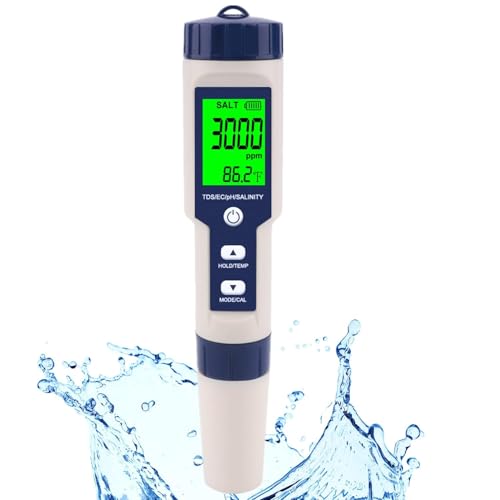
Pool Salt Tester & PH Meter, Hofun Digital Salinity Meter and PH Tester for Aquarium and Pool Saltwater Water, 5 in 1 Salinity PH Temp EC and TDS Meter, Aquarium Swimming Pool Hot Tub, High Accuracy
Wide Usage PH Meter : Hofun ph meter is an essential tool to improve your life quality. This…
As an affiliate, we earn on qualifying purchases.
As an affiliate, we earn on qualifying purchases.
Key Questions
How much more salt did the meals contain compared to labels?
The study found that in some cases, meals contained more than double the salt listed on their labels, averaging about 1.5 grams extra per meal.
Why is excess salt in takeaway meals a health concern?
High salt intake is linked to increased risks of high blood pressure, heart disease, and stroke. Unintentional overconsumption can negatively impact health over time.
Are all takeaway outlets affected by this issue?
The extent of the discrepancy across different outlets remains unclear. Further research is needed to determine whether this is a widespread problem or limited to specific chains or regions.
What actions might regulators take following this study?
Regulators could review and tighten food labeling standards, enforce stricter compliance checks, and require more transparent disclosure of salt content in prepared foods.
What should consumers do in the meantime?
Consumers are advised to be cautious about the salt content of takeaway meals and consider moderating their intake, especially if they have health conditions affected by sodium consumption.
Source: rss