
TL;DR
Emerging research indicates that extended use of melatonin supplements could significantly raise the risk of heart failure. The findings, based on observational data, have sparked debate among medical professionals. Further studies are needed to confirm causality and understand mechanisms.
Recent research suggests that **long-term use of melatonin supplements** may be associated with a **90% higher risk of heart failure**, according to preliminary observational data. This finding has raised concerns among healthcare professionals and consumers, given melatonin’s widespread use for sleep issues.
The study, conducted by researchers analyzing health data from thousands of individuals, observed that those who used melatonin supplements consistently over several years had a significantly increased incidence of heart failure. The data indicates a correlation, but causality has not yet been established. For more on health risks, see cannabis users face higher risk of heart attack. Experts caution that the findings are preliminary and require further investigation, especially considering how cannabis use may impact heart health. Melatonin, a hormone naturally produced by the pineal gland, is commonly used as an over-the-counter sleep aid, with millions of users worldwide. The recent report has sparked discussions about the safety of prolonged supplementation, especially among populations with existing cardiovascular risk factors. The research team emphasized that their findings do not prove melatonin causes heart failure but highlight a potential association deserving of more rigorous study. Health authorities and clinicians are now reviewing the data to determine if current guidelines need adjustment or if additional warnings are warranted for long-term users.Potential Impact on Melatonin Usage and Public Health
This development is significant because **melatonin is widely used** without strong regulatory oversight or long-term safety data. If confirmed, the link to increased heart failure risk could lead to **revised recommendations** for duration and dosage of melatonin supplements. For consumers, especially those with pre-existing heart conditions or risk factors, this raises questions about the safety of continued use. Healthcare providers may need to reassess advice given to patients using melatonin regularly. The findings also underscore the importance of conducting controlled clinical trials to establish causality, as current evidence is observational and cannot definitively prove that melatonin causes heart failure. The potential public health implications include increased caution among users and possibly regulatory review of over-the-counter sleep aids containing melatonin.
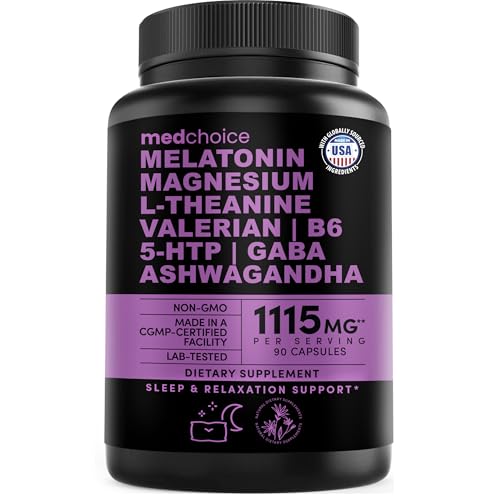
MEDCHOICE 12-in-1 Melatonin 5mg Sleep Capsules with Magnesium, 90ct
- Improved Non-Habit Forming Formula: Supports restful sleep naturally
- Powerful Ingredient Blend: Includes melatonin, magnesium, and herbs
- Promotes Calm and Relaxation: L-Theanine and magnesium support relaxation
As an affiliate, we earn on qualifying purchases.
As an affiliate, we earn on qualifying purchases.
Background on Melatonin Supplement Safety and Usage Trends
Melatonin is a naturally occurring hormone that regulates sleep-wake cycles, and synthetic supplements are popular for managing sleep disorders and jet lag. Over the past decade, usage has surged, partly driven by increased awareness of sleep health and the availability of over-the-counter products. Despite its widespread use, long-term safety data remain limited, and regulatory agencies have issued few warnings beyond general advice to consult healthcare providers for prolonged use. Previous studies have primarily focused on short-term effects, with little evidence of adverse outcomes. The recent observational data highlighting a potential link to heart failure mark a notable shift in concern, though experts emphasize that more rigorous research is needed to confirm these findings. The trigger for current interest appears to be increased media and public attention following the publication of the recent study, which has led to heightened scrutiny of melatonin’s safety profile.
As an affiliate, we earn on qualifying purchases.
Causality and Mechanisms Still Unclear
It is not yet confirmed whether melatonin directly causes increased heart failure risk or if the association is influenced by confounding factors such as underlying health conditions or concurrent medication use. The observational nature of the study limits the ability to establish causality. Researchers are calling for controlled clinical trials to clarify whether melatonin itself is responsible for the increased risk or if other variables are involved. Additionally, the biological mechanisms behind such a potential link remain speculative, with some hypotheses suggesting effects on cardiovascular regulation or blood pressure, but no definitive evidence has been published to date. The scope of the risk—whether it applies to all users or only specific subgroups—also remains to be determined.
As an affiliate, we earn on qualifying purchases.
Further Research and Regulatory Review Pending
Researchers plan to conduct more rigorous, controlled studies to verify the association and explore causative mechanisms. Health authorities are reviewing the current data to determine if safety warnings or usage guidelines need updating. Clinicians are advised to monitor patients using melatonin long-term, especially those with cardiovascular risk factors, and to discuss potential risks. Public health agencies may issue advisories once more definitive evidence is available. Meanwhile, consumers are encouraged to consult healthcare professionals before making changes to their supplement routines and to avoid high-dose or prolonged use without medical guidance.
As an affiliate, we earn on qualifying purchases.
Key Questions
Does this mean I should stop taking melatonin?
Not necessarily. The current findings are preliminary and do not prove causation. Consult your healthcare provider before making any changes to your supplement routine, especially if you have existing health conditions.
How strong is the evidence linking melatonin to heart failure?
The evidence is observational and shows a correlation, but causality has not been established. More controlled studies are needed to confirm any direct link.
Are certain groups more at risk?
It is too early to specify which populations might be more vulnerable. Researchers are investigating whether factors like age, existing heart disease, or dosage influence the risk.
What should health authorities do now?
They are reviewing the current data and may issue guidance or warnings once more definitive evidence is available. In the meantime, caution is advised for long-term users.
Can this finding be ignored?
Given the potential implications, the findings should be taken seriously, but they require confirmation through further research before definitive conclusions or policy changes are made.
Source: rss