
TL;DR

Get oils, diffusers and self-care delivered free with Prime
- Fast, free delivery on millions of items
- Prime Video, Amazon Music and more included
- Member-only deals all year
Physiologist and wellbeing expert Oli Patrick shared a five-point sleep checklist in an interview with Fit&Well: allow seven hours for sleep, keep a regular schedule, get morning light, darken the bedroom and cool down before bed. The suggestions are expert advice, not evidence from a reported clinical trial, and the article does not establish that they will resolve persistent sleep problems.
Physiologist and wellbeing expert Oli Patrick has outlined five habits intended to support sleep, including allowing seven hours for rest, keeping consistent bed and wake times, and seeking morning light. The checklist was published by Fit&Well after Patrick spoke at an event for the launch of Eight Sleep’s Pod 6 mattress cover; the advice is his professional guidance, not a set of results from a clinical study.
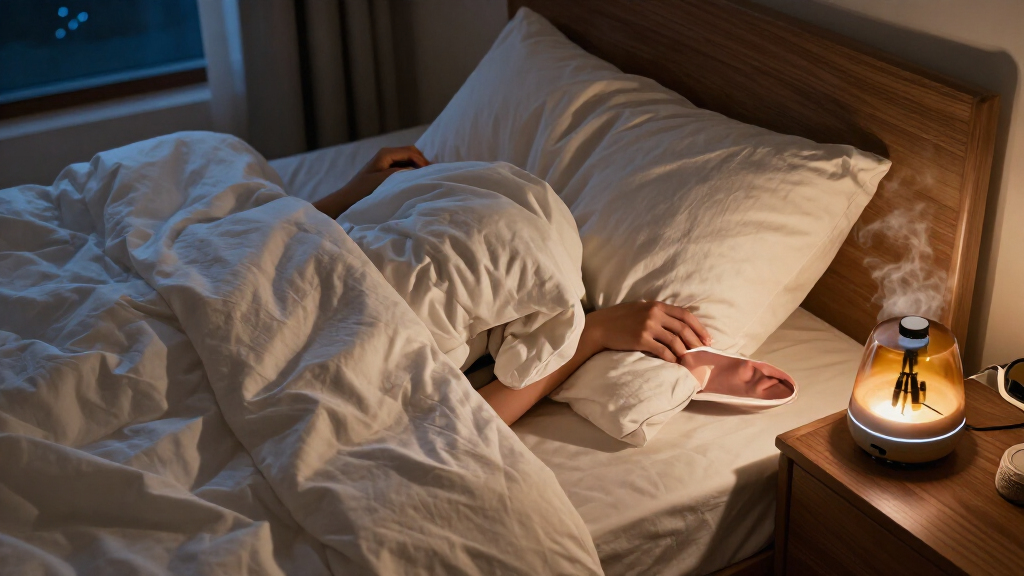
Patrick’s five suggestions focus on regularity and environmental cues. He advises giving yourself the opportunity to sleep for at least seven hours, keeping sleep and wake times similar each day, and getting 10 to 15 minutes of daylight within the first hour after waking. If outdoor sunlight is not practical, he says bright artificial light, including a light therapy box, may provide a morning cue.
For the evening, Patrick recommends making the bedroom as dark as you can tolerate, including limiting phone use in bed and reducing exposure to televisions and laptops. He also advises cooling the body before sleep. In his account, avoiding late meals, exercise or work may help; a quick shower is another option he suggests. He says a cooler bed may be helpful for some people, while the article notes that temperature-adjusting sleep systems are available.
If sleep remains difficult, Patrick says to review caffeine and alcohol habits and consider calming activities such as journaling, breathwork or yoga. He recommends avoiding caffeine after lunch and describes alcohol as a major sleep disruptor. These are Patrick’s recommendations as reported by Fit&Well; the article provides no trial data measuring how well the checklist works or evidence that it can treat a sleep disorder.
Daily Cues That Shape Sleep
The checklist matters because it turns broad sleep advice into five practical habits readers can review without buying equipment. Regular timing, light exposure and bedroom conditions are the central themes in Patrick’s suggestions, and they may help readers identify routine factors they can adjust.
At the same time, the framing should be kept in perspective. Fit&Well does not report a controlled test of the checklist, and Patrick’s view that people who follow the habits are unlikely to keep struggling is his assessment, not a demonstrated outcome for every reader. Persistent or severe sleep difficulties can have causes that are not addressed by these steps, so the checklist should not be treated as a diagnosis or substitute for medical advice.
light therapy box for morning light
As an affiliate, we earn on qualifying purchases.
As an affiliate, we earn on qualifying purchases.
Patrick gave the advice while speaking at an Eight Sleep event marking the launch of Pod 6, a smart mattress cover that the source says can track measures such as heart rate and adjust its temperature. Patrick advocates for the device, but told Fit&Well that people can work on their sleep without sleep technology.
Fit&Well describes Patrick as a physiologist and wellbeing expert with a degree in Exercise Sciences from Birmingham University. It reports that he created a UK level-7 diploma in health and wellbeing physiology in 2004 and has held professional roles in physiology, nutrition and corporate wellbeing. The source does not identify the checklist as official clinical guidance or cite a study that tested all five points together.
“Everything is now anti-sleep. The modern world—from light to temperature, to noise and stimulus—has made it the most difficult time in lived history to sleep well.”
— Oli Patrick, physiologist and wellbeing expert, speaking to Fit&Well
As an affiliate, we earn on qualifying purchases.
Evidence and Individual Results
The report does not provide a publication date, clinical study, sample size or measured outcomes for the five recommendations. It is therefore unclear how much each habit helps, whether the full checklist has been tested as a package, or how results may vary between people.
Patrick’s suggestions also do not establish why any individual is sleeping poorly. The source does not discuss assessment for ongoing sleep problems or specify when readers should seek care. Its account of Pod 6 does not include independent testing of the device or evidence that temperature adjustment improves sleep for all users.
As an affiliate, we earn on qualifying purchases.
What Readers Can Track
Patrick’s checklist gives readers habits they can try and observe over time: sleep opportunity, schedule consistency, morning light, evening darkness and pre-bed temperature. The source does not announce a follow-up study or further evaluation of the advice. Readers who choose to make changes can note whether their sleep or daytime alertness shifts, while recognizing that an individual response does not establish clinical effectiveness.
If sleep problems continue or affect daily functioning, readers can discuss them with a qualified health professional rather than relying on the checklist alone. No further findings or product-performance data were included in the Fit&Well report.
As an affiliate, we earn on qualifying purchases.
Key Questions
What are the five sleep habits Oli Patrick recommends?
He recommends allowing seven hours for sleep, keeping bed and wake times consistent, getting 10 to 15 minutes of light in the first hour after waking, keeping the bedroom dark, and cooling down before bed.
Does the report show that the checklist works?
No. Fit&Well reports Patrick’s advice but does not cite a clinical trial or provide measured results showing that the five steps improve sleep.
What does Patrick suggest if sleep remains difficult?
He advises reviewing caffeine after lunch and alcohol use, and mentions journaling, breathwork or yoga as practices to try. These suggestions are not presented as a treatment for a diagnosed sleep condition.
Do you need a smart mattress cover to follow the advice?
No. Patrick told Fit&Well that people can work on sleep without technology. The Pod 6 cover was the subject of the event where he spoke, but the checklist also includes routine and bedroom changes.
What is not known about the recommendations?
The report does not say how the advice performs in a formal study, how much each habit contributes, or whether the steps address the cause of an individual’s sleep difficulty.
Source: rss
Columbus Day / Indigenous Peoples' Day Picks
long weekend sales
As an affiliate, we earn on qualifying purchases.