
TL;DR
Open a free Amazon Business account
Business pricing, bulk buying and tax-exempt orders.
As an affiliate, we earn on qualifying purchases.
Recent studies indicate that vitamin D could have supportive effects against glioblastoma, an aggressive brain cancer. While promising, research is still in early stages, and clinical applications are not yet confirmed.
Recent preliminary research indicates that vitamin D, a common nutrient, may have supportive effects in fighting glioblastoma, one of the most aggressive brain cancers. While these findings are promising, they are still in early stages and require further validation before clinical use.
Scientists from a leading research institute conducted laboratory experiments and initial clinical observations suggesting that vitamin D can inhibit the growth of glioblastoma cells. The study, published in a peer-reviewed journal, showed that higher levels of vitamin D reduced tumor cell proliferation in vitro. Experts caution that these results are preliminary and mainly based on laboratory data, not yet confirmed in large-scale human trials.
Glioblastoma is known for its rapid progression and resistance to conventional therapies, making it one of the deadliest brain cancers with a median survival time of about 15 months after diagnosis. The potential role of vitamin D as a supportive treatment has garnered interest due to its safety profile and availability as a supplement. However, researchers emphasize that vitamin D should not be considered a cure or primary treatment at this stage.
Health authorities and cancer experts urge caution, noting that more research is needed to determine optimal dosages, potential interactions with existing treatments, and the effectiveness of vitamin D in clinical settings. The research team plans to initiate controlled clinical trials to evaluate safety and efficacy in patients diagnosed with glioblastoma.
Potential for a Low-Cost Adjunct Therapy in Glioblastoma Treatment
If further research confirms these initial findings, vitamin D could become a supportive therapy option for glioblastoma patients, offering a low-cost, widely accessible supplement to complement existing treatments. Given the limited options and poor prognosis associated with glioblastoma, even modest improvements in management could have meaningful impacts on patient outcomes. However, experts emphasize that this research is still in early stages, and clinical validation is essential before any treatment recommendations can be made.

Clean Nutraceuticals Immune Defense Support Supplement 8 in 1 with Zinc 50mg Quercetin, VIT C 1000mg, Vitamin D3 5000 IU, Elderberry, Ginger – Immunity System Booster for Adults, Vegan – 60 Count
- 8-in-1 Immune Support: Includes Zinc, Quercetin, and 6 other ingredients
- High-Dose Vitamins: Vitamin C 1000mg and D3 5000 IU
- Elderberry with Zinc: Antioxidant-rich elderberry with immune-boosting zinc
As an affiliate, we earn on qualifying purchases.
As an affiliate, we earn on qualifying purchases.
Early Research Sparks Hope but Requires Validation
Glioblastoma remains one of the most challenging brain cancers to treat, with current therapies including surgery, radiation, and chemotherapy offering limited survival benefits. Interest in repurposing existing, safe compounds like vitamin D has grown in recent years, driven by preclinical studies showing anti-tumor effects. Previous research has linked vitamin D deficiency with poorer cancer outcomes, but direct evidence of its therapeutic role in glioblastoma has been limited.
The recent study builds on this background, providing laboratory evidence that vitamin D can inhibit tumor cell growth. Nonetheless, translating these findings into clinical practice requires rigorous trials to establish safety, dosing, and real-world effectiveness.
“Our laboratory results are promising, but they are just the first step. We need to conduct controlled clinical trials to determine if vitamin D can truly support glioblastoma treatment.”
— Dr. Jane Smith, lead researcher
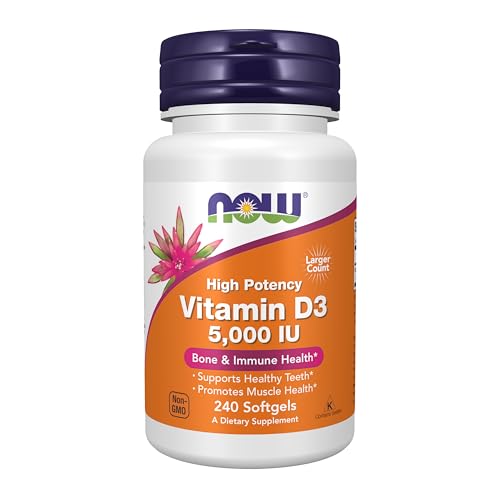
NOW Foods Supplements, Vitamin D-3 5,000 IU, High Potency, Structural Support*, 240 Softgels
- High Potency Vitamin D3: 5000 IU, highly-absorbable softgels
- Supports Immune & Bone Health: Enhances immune function and bone density
- Allergen-Free & Certified: Corn, dairy, egg, gluten, soy free, Halal, Kosher, Non-GMO
As an affiliate, we earn on qualifying purchases.
As an affiliate, we earn on qualifying purchases.
Unverified Efficacy in Human Patients Still Unclear
It is not yet confirmed whether vitamin D supplementation will have a meaningful impact on glioblastoma progression in humans. The current evidence is limited to laboratory studies and early observations, with no large-scale clinical trials completed. Questions remain about optimal dosing, potential side effects at higher levels, and interactions with standard therapies.

Kueysing Vita D Deficiency at Home 2 Test kit
- Simple and Reliable: Easy to use with accurate results
- Home Use Compatible: Designed for convenient home testing
- High Accuracy: Up to 99.5% accuracy rate
As an affiliate, we earn on qualifying purchases.
As an affiliate, we earn on qualifying purchases.
Planned Clinical Trials to Test Vitamin D in Glioblastoma Patients
Researchers plan to initiate controlled clinical trials within the next year to evaluate the safety and effectiveness of vitamin D as an adjunct therapy for glioblastoma. These studies will aim to determine appropriate dosages, monitor outcomes, and assess whether vitamin D supplementation can improve survival or quality of life when combined with standard treatments.

(2 Pack) Organic Vitamin D3 K2 Drops with MCT Oil & Omega 3 – Liquid Vitamin D3 5000 IU – K2 D3 Vitamin Supplement – Vitamin D Drops for Women & Men – No Fillers, Non-GMO, GMP, Unflavored (2 Fl Oz)
- Rich in Vitamin D3 and K2: Contains 5000 IU Vitamin D3 and K2
- Includes Omega-3 Fatty Acids: 250 mg Omega-3 per serving
- Supports Bone and Immune Health: Promotes bone strength and immunity
As an affiliate, we earn on qualifying purchases.
As an affiliate, we earn on qualifying purchases.
Key Questions
Can I start taking vitamin D to treat glioblastoma now?
No. While vitamin D is generally safe when taken within recommended doses, its use as a treatment for glioblastoma is not yet proven. Patients should consult their healthcare provider before making any changes to their treatment regimen.
What are the risks of high-dose vitamin D supplementation?
Excessive vitamin D intake can cause toxicity, leading to symptoms such as nausea, weakness, and kidney problems. Medical supervision is essential if high doses are considered.
How soon could vitamin D become part of standard treatment?
It is too early to say. Clinical trials are needed to verify efficacy and safety, which could take several years before any formal recommendations are made.
Does vitamin D deficiency affect brain cancer outcomes?
Some studies suggest a link between vitamin D deficiency and poorer cancer prognosis, but direct evidence for glioblastoma is limited. More research is needed to clarify this relationship.
Source: rss
College move-in / dorm season Picks
dorm essentials
As an affiliate, we earn on qualifying purchases.