As you go through hormonal changes like menopause, it’s crucial to support your bone health actively. Focus on eating calcium-rich foods, maintaining adequate vitamin D levels, and engaging in weight-bearing exercises to strengthen your bones. Avoid smoking and excess alcohol, which can worsen bone loss. Regular check-ups and bone density scans help monitor your progress. Incorporate these strategies to protect your bones and stay strong—more helpful tips are waiting to be uncovered if you keep exploring.

Get oils, diffusers and self-care delivered free with Prime
- Fast, free delivery on millions of items
- Prime Video, Amazon Music and more included
- Member-only deals all year
Key Takeaways
- Ensure adequate calcium and vitamin D intake through diet or supplements to support bone strength during hormonal fluctuations.
- Engage in weight-bearing and resistance exercises to stimulate bone formation and maintain density.
- Avoid smoking and excessive alcohol, which impair calcium absorption and accelerate bone loss.
- Regularly monitor bone density to detect early signs of decline and guide interventions.
- Consult healthcare providers for personalized strategies, including medications if necessary, to protect bone health.
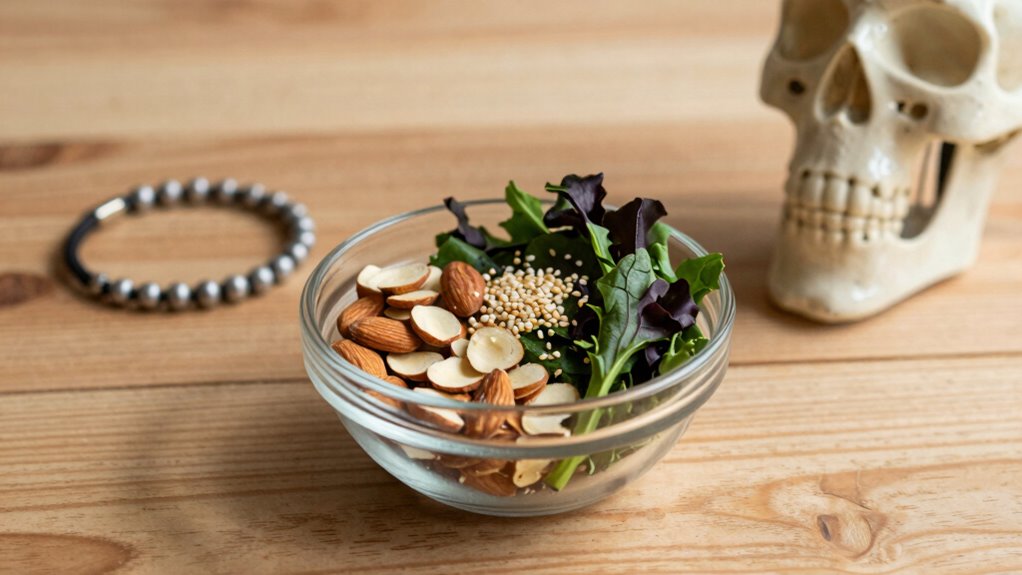
Hormone changes, such as those during menopause or aging, can considerably impact your bone health by accelerating bone loss. When estrogen levels drop, your body’s ability to maintain strong bones diminishes, leading to decreased bone density over time. This decline makes bones more fragile and increases the risk of fractures. One essential factor in maintaining bone strength during these changes is guaranteeing sufficient calcium absorption. As hormone levels fluctuate, your body becomes less efficient at absorbing calcium from food, which is necessary for building and preserving bone tissue. To counteract this, you should focus on consuming enough calcium-rich foods and possibly supplementing if needed, especially if your diet falls short.
Hormonal changes decrease calcium absorption, increasing fracture risk—focus on calcium-rich foods and supplementation to support bone health.
Your bone density, or the amount of mineral matter per square centimeter of bone, is directly affected by these hormonal shifts. When calcium absorption decreases, your bones lose minerals faster than they can be replaced, leading to thinning and weakening of the bone structure. This process is especially concerning during menopause, as the sudden drop in estrogen accelerates bone loss. To support your bone density, it’s essential to incorporate weight-bearing and resistance exercises into your routine. These activities stimulate bone formation and help counteract the natural decline caused by hormonal changes. Additionally, understanding bone mineral density can help you better assess your risk and take targeted actions.
In addition to exercise and diet, consider lifestyle factors that influence bone health. Smoking and excessive alcohol consumption can further impair calcium absorption and accelerate bone loss. Conversely, maintaining a balanced diet rich in vitamin D is equally important because vitamin D enhances calcium absorption in your intestines. Without sufficient vitamin D, even a high-calcium diet won’t be as effective. Sun exposure and supplements can help you maintain healthy vitamin D levels, especially if you spend little time outdoors or live in areas with limited sunlight. Biodiversity also plays a role, as diverse ecosystems support the availability of nutrients essential for overall health. A well-rounded approach that includes nutrient diversity can further promote optimal bone health. Furthermore, staying informed about nutritional needs helps you adapt your diet to changing requirements during hormonal shifts. Maintaining overall lifestyle habits that support bone health can also make a significant difference in your long-term well-being.
Monitoring your bone health through regular check-ups and bone density scans provides insight into your progress and helps guide your strategy. If your bone density begins to decline, your healthcare provider might recommend medications or other interventions to slow down bone loss. Ultimately, supporting your bone health during hormone changes requires a proactive approach: prioritize calcium intake, stay active, avoid harmful habits, and guarantee adequate vitamin D levels. Doing so helps preserve your bone density and reduces the risk of fractures, empowering you to maintain mobility and quality of life during these years.
calcium supplements for bone health
As an affiliate, we earn on qualifying purchases.
As an affiliate, we earn on qualifying purchases.
Frequently Asked Questions
Can Diet Alone Prevent Osteoporosis During Menopause?
Diet alone can help prevent osteoporosis during menopause if you focus on increasing your calcium intake and consuming bone-strengthening foods like dairy, leafy greens, and fortified products. However, relying solely on diet may not be enough for everyone. You should also consider other factors like exercise, lifestyle changes, and medical advice to effectively maintain your bone health and reduce osteoporosis risk during this stage.
Are Supplements Necessary for Maintaining Bone Density?
Think of your bones as a sturdy bridge needing constant reinforcement. Supplements can help maintain your bone density, especially if your diet isn’t enough. To optimize calcium absorption, take supplements with meals or as directed, considering supplement timing. While not always necessary, they can provide essential nutrients your body struggles to absorb during hormonal shifts. Consult your healthcare provider to tailor a plan that keeps your bones strong and resilient.
How Does Exercise Specifically Impact Bone Health?
Exercise, especially weight-bearing exercises and resistance training, directly impacts your bone health by stimulating bone growth and increasing bone density. When you engage in weight-bearing activities like walking or jogging, and resistance training such as lifting weights, you create stress on your bones. This stress signals your body to strengthen and rebuild bone tissue, helping to maintain or improve bone strength and reducing the risk of osteoporosis over time.
What Are the Signs of Declining Bone Density?
You might notice signs of declining bone density like frequent fractures, back pain, or a loss of height over time. As calcium absorption decreases and bone remodeling slows, your bones become weaker and more fragile. You may also feel more joint stiffness or experience a hunched posture. Monitoring these signs helps you take early steps to support bone strength through diet, exercise, and medical advice before more serious issues develop.
Do Hormonal Therapies Improve Long-Term Bone Health?
Think of hormonal therapy as a skilled architect guiding your bone remodeling process. It can improve long-term bone health by balancing hormones that influence bone density, especially during menopause or other hormonal shifts. By supporting proper bone remodeling, hormonal therapy helps prevent deterioration and promotes stronger bones over time. While not a guaranteed fix, it’s a proactive step to maintain your skeletal foundation for years to come.
vitamin D3 supplements for osteoporosis
As an affiliate, we earn on qualifying purchases.
As an affiliate, we earn on qualifying purchases.
Conclusion
Taking care of your bones during hormone changes is like tending a delicate garden—you need consistent attention and the right nutrients. By staying active, eating calcium-rich foods, and consulting your healthcare provider, you’re building a sturdy foundation that supports your health through every phase. Remember, just as a strong tree withstands storms, a resilient skeleton helps you face life’s challenges with confidence and grace. Prioritize your bone health—you’re worth it.
weight-bearing exercise equipment
As an affiliate, we earn on qualifying purchases.
As an affiliate, we earn on qualifying purchases.
As an affiliate, we earn on qualifying purchases.
Halloween Picks
halloween
As an affiliate, we earn on qualifying purchases.