
To maintain strong bones over 50, focus on eating calcium-rich foods like dairy, leafy greens, and fortified foods, and make sure you’re getting enough vitamin D through sunlight, fish, or supplements. Incorporate weight-bearing and strength exercises weekly to boost bone density and improve balance. Avoid smoking and limit alcohol, while keeping a healthy weight. Regular health checkups and bone scans help catch issues early. Keep these habits steady, and you’ll discover more ways to keep your bones strong.

Get oils, diffusers and self-care delivered free with Prime
- Fast, free delivery on millions of items
- Prime Video, Amazon Music and more included
- Member-only deals all year
Key Takeaways
- Incorporate calcium-rich foods and ensure adequate vitamin D intake for strong bones.
- Engage in weight-bearing and strength-training exercises to stimulate bone growth.
- Avoid smoking and limit alcohol to support optimal bone health.
- Schedule regular bone density scans to detect early signs of osteoporosis.
- Maintain a balanced diet, healthy weight, and include balance exercises to prevent falls.

As you age beyond 50, maintaining strong bones becomes essential to prevent fractures and osteoporosis. Your bones naturally lose density over time, but you can take proactive steps to keep them healthy. One of the most effective ways is through your diet. Incorporate calcium-rich foods like dairy products, leafy greens, almonds, and fortified foods into your daily meals. Calcium acts as the foundation of bones, and ensuring adequate intake helps slow down bone loss. Pair this with vitamin D, which enhances calcium absorption, to maximize your bone health. Sun exposure and foods like fatty fish or supplements can help you meet your vitamin D needs.
Prioritize calcium and vitamin D through diet and sun exposure to strengthen bones after 50.
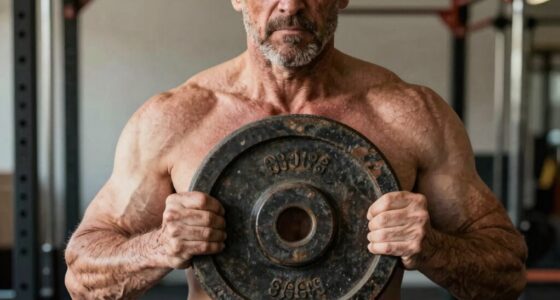
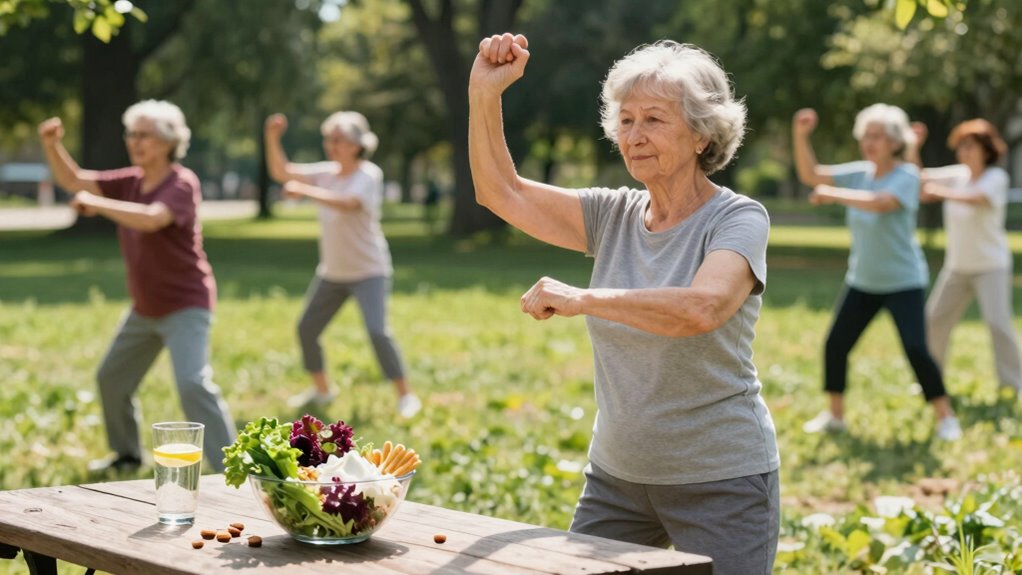
In addition to diet, engaging in regular weight-bearing exercises is fundamental. Activities like walking, jogging, dancing, or stair climbing put stress on your bones, stimulating bone formation and maintaining density. Consistency is key, so aim for at least 150 minutes of moderate exercise each week. These exercises not only strengthen your bones but also improve your balance and coordination, reducing the risk of falls—one of the leading causes of fractures in older adults. Incorporate strength training with weights or resistance bands to further support your skeletal structure. Building muscle around your bones offers added protection and stability.
Beyond diet and exercise, pay attention to lifestyle choices that impact bone health. Avoid smoking and limit alcohol consumption, as both can accelerate bone loss. Smoking interferes with the bone-building process, while excessive alcohol impairs calcium absorption and hormonal balance. Maintaining a healthy weight is also essential; being underweight increases fracture risk, whereas obesity can place extra stress on your bones and joints. Focus on a balanced diet and regular activity to keep your weight in a healthy range.
Regular health check-ups are important, especially as you age. Bone density scans can identify early signs of osteoporosis, allowing you to take action before fractures occur. Bone density testing can help assess your risk and guide your treatment plan. Discuss with your healthcare provider about supplements if your dietary intake isn’t enough or if you have other risk factors. Medication may be necessary in some cases, but lifestyle habits remain the foundation of strong bones. By consistently practicing these habits—eating calcium-rich foods, engaging in weight-bearing exercises, avoiding harmful substances, and monitoring your health—you empower yourself to preserve bone strength and enjoy greater mobility well into your later years.
calcium supplements for bone health
As an affiliate, we earn on qualifying purchases.
As an affiliate, we earn on qualifying purchases.
Frequently Asked Questions
Can Supplements Replace a Balanced Diet for Bone Health?
Supplements can’t replace a balanced diet for bone health because they have limitations and can’t provide all the nutrients your bones need. You should focus on maintaining dietary balance by eating foods rich in calcium, vitamin D, and other essential nutrients. Supplements can support your bone health, but they work best when combined with a nutritious diet. Relying solely on supplements might leave gaps in your nutrition, which could affect your bones long-term.
How Often Should I Get a Bone Density Test?
You should get a bone density test every 1 to 2 years if you’re at higher risk for osteoporosis or have already experienced fractures. Otherwise, scheduling a test every 2 to 3 years is generally sufficient. Regular testing helps monitor your bone density and assess the effectiveness of your dietary calcium intake and other bone health habits. Consult your healthcare provider to determine the best frequency based on your individual risk factors.
Are There Specific Exercises to Avoid After 50?
After 50, you should avoid high-impact exercises and heavy weightlifting, especially if you have osteoporosis or bone fragility. These activities can increase the risk of fractures or joint injuries. Instead, focus on low-impact exercises like swimming, walking, or gentle strength training. Always consult your doctor or a physical therapist to tailor a safe workout plan that strengthens your bones without risking injury.
What Are Early Signs of Osteoporosis?
Early signs of osteoporosis can be subtle, but you might notice a loss of height or a stooped posture. You may also experience back pain or fractures from minor falls. These signs happen because calcium absorption decreases with age, weakening your bones. To catch osteoporosis early, bone density tests are essential; they reveal bone strength and help you take action before fractures occur. Regular check-ups make a big difference.
How Does Alcohol Consumption Affect Bone Strength?
Alcohol impact on your bones can be profound, potentially weakening bone density. When you indulge excessively, it disrupts calcium absorption, hampers bone formation, and accelerates bone breakdown. This diminishes your bone strength, making fractures more likely. To protect your health, moderate your alcohol intake, prioritize proper nutrition, and stay active. These habits help bolster your bones, boosting your balance and bravery for everyday activities.
vitamin D3 supplements for seniors
As an affiliate, we earn on qualifying purchases.
As an affiliate, we earn on qualifying purchases.
Conclusion
As you embrace these bone-boosting habits, imagine the quiet strength building within you, making every step steadier and every movement more confident. But remember, the journey’s just beginning. The choices you make today could shape your future, quietly guarding your bones against the unseen threats ahead. Stay committed, stay vigilant—because the secret to lasting strength isn’t just in habits, but in the promise you keep to yourself. Your strongest years lie ahead—are you ready to claim them?
resistance bands for strength training
As an affiliate, we earn on qualifying purchases.
As an affiliate, we earn on qualifying purchases.
As an affiliate, we earn on qualifying purchases.
Fall Picks
fall essentials
As an affiliate, we earn on qualifying purchases.