

Many myths about bone health, like thinking you only need to care for your bones in old age or relying solely on calcium supplements, are false. Building strong bones starts early and requires a balanced diet, weight-bearing exercises, and healthy habits throughout life. You can improve bone strength at any age if you stay active and maintain good nutrition. Keep exploring to discover proven ways to protect and strengthen your bones for the long term.
Key Takeaways
- Bone health begins early; neglecting it in youth increases osteoporosis risk later.
- Calcium supplements are not enough; a balanced diet and nutrients are essential for strong bones.
- Weight-bearing exercises benefit all ages; they are crucial for maintaining and improving bone density.
- Bone strength can be improved in older adults through consistent activity, nutrition, and lifestyle management.
- Myths about bones only needing care in old age or through supplements can lead to neglecting comprehensive strategies.
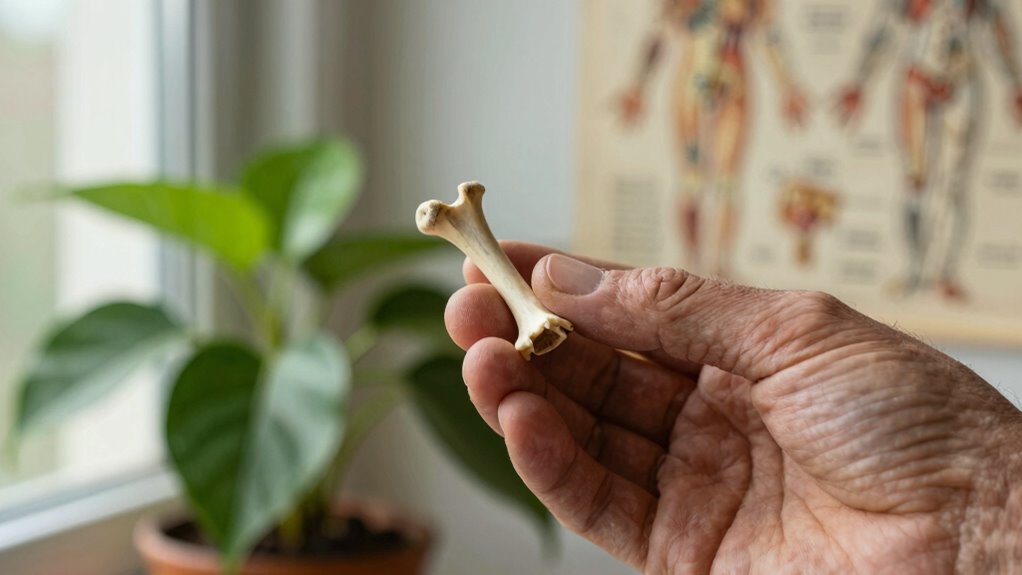
Many common beliefs about bone health are actually myths that can lead people astray. You might think that taking calcium supplements is the best way to strengthen your bones, but that’s not always true. While calcium is essential, relying solely on supplements isn’t a magic bullet. Your body absorbs calcium better when it comes from natural food sources like dairy, leafy greens, and fortified products. Excessive supplement intake can even cause health issues like kidney stones or interfere with other minerals. It’s more effective to focus on a balanced diet rich in calcium and other bone-friendly nutrients such as vitamin D and magnesium.
Rely on natural foods for calcium and nutrients instead of supplements to support long-term bone health.
Another widespread misconception is that you only need to worry about bones as you age. In reality, building strong bones is a lifelong process. The habits you develop early in life set the foundation for your bone health later on. If you neglect weight-bearing exercises during your youth, you might miss out on the benefits that help maintain bone density over time. These exercises—like walking, jogging, or strength training—stimulate your bones, encouraging them to grow stronger and more resilient. People often think that osteoporosis only affects older adults, but starting these exercises early can considerably reduce your risk. Doing weight-bearing activities regularly, especially as you get older, can slow down bone loss and keep you active and independent longer.
Some believe that once you’re older, there’s nothing you can do to improve bone health. That’s false. It’s never too late to start incorporating weight-bearing exercises into your routine. Even gentle activities, like tai chi or brisk walking, can have a positive impact on your bones. Pairing physical activity with adequate nutrition and proper sunlight exposure for vitamin D synthesis creates a powerful strategy to combat bone loss. You don’t need to become a gym enthusiast overnight, but small, consistent efforts make a difference. Additionally, lifestyle factors like smoking and alcohol consumption play a significant role in bone health and should be managed accordingly. Maintaining a healthy lifestyle overall, including avoiding harmful habits, significantly supports bone strength and density. Incorporating regular health assessments can help identify and address potential issues early, further safeguarding your bone health. Remember that nutrient absorption from food sources is crucial, as it impacts how well your body utilizes minerals essential for bone maintenance. Ensuring proper calcium and vitamin D intake from a variety of sources can optimize your bone health efforts.

Caltrate 600 Plus D3 Calcium and Vitamin D Supplement Tablets, Bone Health Supplements for Adults – 200 Count
200 count bottle of Caltrate 600 Plus D3 600 mg Calcium and Vitamin D Supplement Tablets
As an affiliate, we earn on qualifying purchases.
As an affiliate, we earn on qualifying purchases.
Frequently Asked Questions
Can Bone Health Be Improved Without Medication?
Yes, you can improve bone health without medication by focusing on lifestyle choices. Regular weight-bearing exercises, like walking or strength training, boost bone density. Adequate calcium and vitamin D intake also help, along with avoiding smoking and excessive alcohol. While genetic factors influence your bone health, making positive lifestyle choices can considerably strengthen your bones and reduce fracture risk, proving that you don’t always need medication to maintain healthy bones.
Is Dairy the Only Source of Calcium for Bones?
No, dairy isn’t the only source of calcium for your bones. While dairy provides easily absorbable calcium, many dairy alternatives like fortified plant-based milks, leafy greens, nuts, and seeds also supply this essential mineral. Calcium absorption varies depending on the source, so including a variety of calcium-rich foods helps support bone health. Balancing your diet with these options can effectively meet your calcium needs without relying solely on dairy.
Do Women Need More Calcium Than Men?
Yes, women generally need more calcium than men, especially during and after menopause when hormone changes impact bone density. To stay ahead, you should consider bone density testing, which helps assess your risk of osteoporosis. Adequate calcium intake supports bone strength, but don’t forget other factors like vitamin D and weight-bearing exercise. Prioritize your bone health now to prevent fractures later.
Can Exercise Actually Harm My Bones?
Ever wondered if your workout could hurt your bones? Exercise, especially muscle strengthening and impact resistance activities, generally boosts bone health. However, overdoing high-impact sports or improper techniques can cause stress fractures or injuries. To protect your bones, balance intense workouts with rest, proper form, and gradual progression. So, exercise doesn’t harm your bones—in fact, it strengthens them—if done wisely and safely.
Are Bone Health Supplements Necessary for Everyone?
Bone health supplements aren’t necessary for everyone, especially if you already maintain good nutrition and active lifestyle. Your bone density can be supported through calcium, vitamin D, and balanced diet, but supplement effectiveness varies from person to person. Before taking any supplements, it’s best to consult your healthcare provider, who can assess your individual needs and determine if supplements are right for you to optimize your bone health.

Weight bearing exercise for seniors with osteoporosis: The Essential Guide to Safe and Effective Strength Training for Osteoporosis Using Low-Impact Weight Bearing Workouts to Reduce Fracture Risk
As an affiliate, we earn on qualifying purchases.
As an affiliate, we earn on qualifying purchases.
Conclusion
Don’t let these myths hold you back from taking care of your bones. Remember, eating a balanced diet, staying active, and getting regular check-ups are what truly matter. Are you ready to ditch the misconceptions and give your bones the care they deserve? By staying informed and making smart choices, you can build stronger bones and enjoy a healthier, more confident life. So, why wait to start prioritizing your bone health today?

Nature Made Calcium Magnesium Zinc with Vitamin D3, Dietary Calcium Supplement for Bone Support, 300 Tablets
These Magnesium Calcium Zinc supplement tablets support strong bones and include Vitamin D, which helps improve Calcium absorption…
As an affiliate, we earn on qualifying purchases.
As an affiliate, we earn on qualifying purchases.

Best Naturals Calcium Lactate Pure Powder 1 Pound
Pure Calcium Lactate Powder – Clean and unflavored, ideal for flexible daily use.
As an affiliate, we earn on qualifying purchases.
As an affiliate, we earn on qualifying purchases.