To support bone strength daily, include calcium-rich foods like dairy, leafy greens, and fortified plant milks in your meals. Enhance calcium absorption with vitamin D from fatty fish, egg yolks, or by spending time in sunlight. Add magnesium and vitamin K through nuts, seeds, and vegetables like kale. Incorporate healthy fats and hydration to help minerals reach your bones effectively. Keep building these habits, and you’ll discover simple ways to boost your bone health even further.
Open a free Amazon Business account
Business pricing, bulk buying and tax-exempt orders.
As an affiliate, we earn on qualifying purchases.
Key Takeaways
- Incorporate calcium-rich foods like dairy, leafy greens, and fortified plant milks into daily meals.
- Add vitamin D sources such as fatty fish, egg yolks, or fortified foods to enhance calcium absorption.
- Include magnesium, phosphorus, and vitamin K through nuts, seeds, and green vegetables for comprehensive bone support.
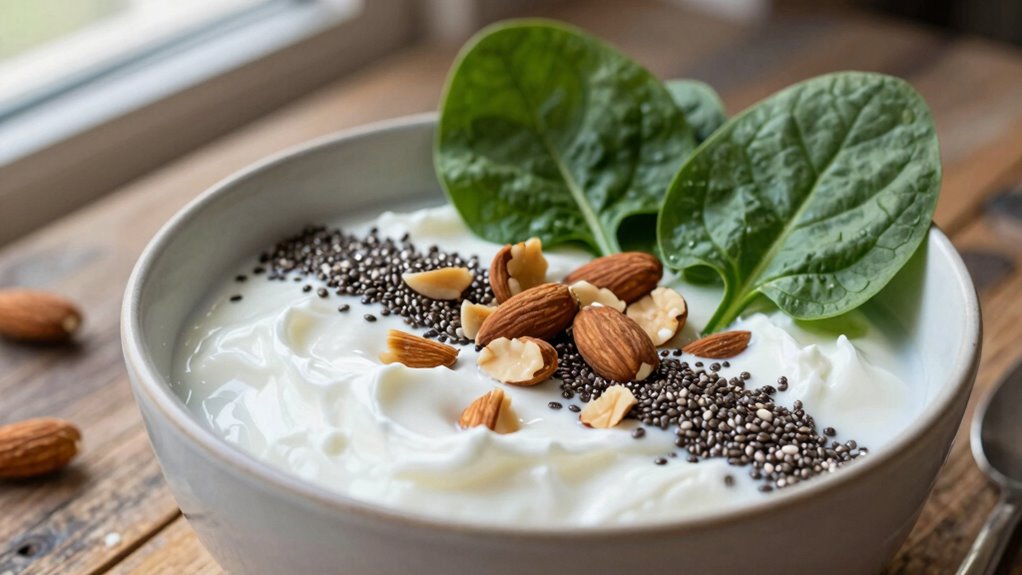
- Enhance meals with bone-healthy ingredients like almonds, chia seeds, and leafy greens regularly.
- Maintain proper hydration to facilitate nutrient transport and optimize mineral absorption for stronger bones.
Maintaining strong bones is essential for overall health and mobility, especially as you age. Your daily habits directly influence your bone strength, and small changes in your meals can make a significant difference. One of the most critical factors in supporting bone health is calcium absorption. Without proper absorption, your body can’t effectively utilize the calcium you consume, which is crucial for maintaining bone density. To optimize calcium absorption, you should pair calcium-rich foods with vitamin D sources, as vitamin D helps your body absorb calcium more efficiently. Sunlight is a natural source of vitamin D, so spending a few minutes outside each day can boost your levels. Additionally, include foods like fatty fish, egg yolks, and fortified dairy products to support this process.
Incorporating calcium-rich foods into your meals is a practical way to promote osteoporosis prevention. Dairy products such as milk, yogurt, and cheese are well-known sources of calcium, but if you’re lactose intolerant or prefer plant-based options, options like fortified plant milks, leafy greens, almonds, and tahini can also supply the calcium you need. Remember, consistency matters—regular intake helps maintain steady calcium levels, which are essential for preventing osteoporosis, a condition characterized by fragile bones. Besides calcium, other nutrients like magnesium, phosphorus, and vitamin K also contribute to bone health, so aim for a balanced diet that includes nuts, seeds, whole grains, and green vegetables. A balanced diet incorporating these nutrients can significantly improve your bone resilience over time. Paying attention to nutrient absorption is crucial because even the healthiest foods are ineffective if your body cannot absorb the nutrients properly. Ensuring adequate intake of vitamin D through diet and sunlight can further enhance your body’s ability to utilize these nutrients efficiently. Incorporating nutrient-rich foods into your daily meals can support optimal bone health and prevent deficiencies.
You can further enhance your bone strength by making simple adjustments to your daily meals. For example, add sliced almonds or chia seeds to your morning oatmeal or include leafy greens like kale and collard greens in your lunch salads. Snack on a handful of almonds or walnuts to provide additional magnesium and healthy fats that support bone density. Incorporate fish like salmon or mackerel into your dinner a couple of times a week—these are excellent sources of both vitamin D and omega-3 fatty acids, which have been linked to better bone health. Staying hydrated with plenty of water also helps your body’s nutrient transport systems, ensuring your bones get the minerals they need to stay strong.

Nature's Bounty Calcium 1200mg with 1000 IU Vitamin D3, 120 Count
- Supports Bone and Neuromuscular Health: Provides 1200 mg Calcium per serving
- Enhances Calcium Absorption: Includes 1000 IU Vitamin D3
- Gluten, Dairy, and Wheat Free: Suitable for various dietary needs
As an affiliate, we earn on qualifying purchases.
As an affiliate, we earn on qualifying purchases.
Frequently Asked Questions
Can Plant-Based Foods Improve Bone Strength Effectively?
Yes, plant-based foods can improve your bone strength effectively. Incorporate plant-based protein sources like beans, lentils, and tofu to guarantee adequate calcium and protein intake, essential for bone health. Additionally, enjoy foods rich in phytoestrogen benefits, such as flaxseeds and soy, which may help maintain bone density. By including these in your daily meals, you support your bones naturally and sustainably.
How Much Calcium Do I Need Daily for Optimal Bone Health?
You need about 1,000 mg of calcium daily for strong bones, but don’t forget—calcium absorption isn’t a given. It’s easy to assume your dietary calcium sources are enough, yet factors like age and vitamin D levels affect absorption. Ironically, consuming enough calcium isn’t just about quantity; it’s about how well your body absorbs it. So, prioritize foods rich in calcium and support absorption with vitamin D for ideal bone health.
Are There Specific Vitamins That Enhance Calcium Absorption?
Yes, certain vitamins help boost calcium absorption. Vitamin D is essential because it enhances your body’s ability to absorb calcium from your meals. Magnesium also plays a key role, supporting overall bone health and aiding in calcium utilization. To maximize calcium absorption, make sure you’re getting enough vitamin D through sunlight, foods, or supplements, and include magnesium-rich foods like nuts, seeds, and leafy greens in your diet.
Does Exercise Impact Bone Strength Alongside Diet?
Yes, exercise considerably impacts bone strength alongside diet. Weight-bearing activities like walking, jogging, and strength training stimulate bone density, making your bones stronger and less prone to fractures. Exercise benefits include improved bone mass and overall skeletal health. When combined with a balanced diet rich in calcium and vitamin D, your bones become more resilient. Keep active regularly to support your bone health and maximize the benefits of your nutritional efforts.
Can Supplements Replace Nutrient-Rich Meals for Bone Health?
Supplements can’t replace nutrient-rich meals for bone health—they’re like a band-aid over a deeper issue. While they can boost nutrients, supplement safety and proper nutrient timing are vital to avoid imbalances or deficiencies. You need a balanced diet rich in calcium, vitamin D, and other essentials, complemented by supplements if needed. Relying solely on supplements is like trying to fix a boat with only a patch—better to address the root with whole foods.
As an affiliate, we earn on qualifying purchases.
Conclusion
By incorporating these bone-strengthening foods into your daily meals, you’re laying a solid foundation for lifelong health. Think of your bones as the sturdy roots of a mighty tree—nourish them well, and they’ll support you through every season of life. With each mindful choice, you’re cultivating resilience from the inside out. So, keep building those nutritional layers, and watch your strength grow stronger, like the unyielding trunk of a resilient oak standing tall against the wind.
As an affiliate, we earn on qualifying purchases.
As an affiliate, we earn on qualifying purchases.
Back to school Picks
back to school
As an affiliate, we earn on qualifying purchases.