Shilajit and fulvic acid may help strengthen your bones by providing essential minerals, improving nutrient absorption, and supporting collagen production. These natural supplements have shown promise in promoting bone formation, increasing mineral density, and reducing inflammation linked to bone loss. However, quality and safety vary, so it’s important to choose reputable products and consult a healthcare professional. If you want to discover how these substances could benefit your bone health, keep exploring the details.
Key Takeaways
- Shilajit and fulvic acid contain minerals and bioactive compounds that may support bone mineralization and repair.
- Fulvic acid enhances nutrient absorption, potentially improving calcium and magnesium uptake essential for bones.
- Scientific studies suggest they promote collagen synthesis and osteoblast activity, aiding bone formation.
- Both substances have antioxidant properties that may reduce inflammation and oxidative stress linked to bone loss.
- Proper sourcing and professional guidance are important to avoid contamination and ensure safe, effective use.
What Are Shilajit and Fulvic Acid?

Shilajit and fulvic acid are natural substances known for their health benefits, but they differ in composition and origin. Shilajit is a sticky, tar-like substance found in the rocky mountains, formed over centuries from plant matter decomposing under high pressure. It’s rich in minerals, humic substances, and fulvic acid. Fulvic acid, on the other hand, is a natural organic compound resulting from the microbial breakdown of plant material in soil and water. It’s a smaller molecule that helps transport nutrients and minerals into cells. While shilajit acts as a mineral-rich supplement, fulvic acid primarily functions as a bioavailable carrier of nutrients. Understanding these differences helps you appreciate their unique roles in supporting your health naturally.
How Do These Supplements Impact Bone Health?
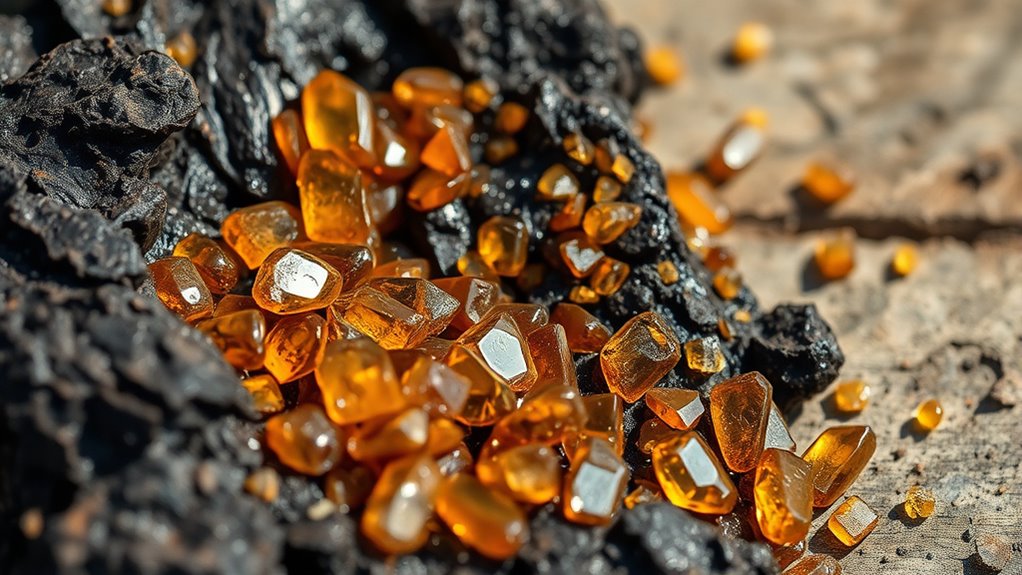
Because both shilajit and fulvic acid contain essential minerals and bioactive compounds, they can positively influence bone health. These substances supply nutrients like calcium, magnesium, and trace elements indispensable for bone formation and maintenance. Fulvic acid enhances nutrient absorption, ensuring your body effectively utilizes these minerals. Shilajit, rich in humic acids, may support mineral balance and stimulate cellular activity involved in bone repair. Additionally, their antioxidant properties can reduce inflammation and oxidative stress, which are linked to bone degradation. Regular intake might help preserve bone density and strength over time. While these supplements don’t replace a balanced diet or medical treatment, they can complement your efforts to maintain healthy bones by providing crucial nutrients and supporting overall skeletal integrity.
Scientific Evidence Supporting Bone Strength Benefits
Numerous studies have explored how shilajit and fulvic acid influence bone strength, providing some promising evidence. Research indicates that these substances may promote bone formation, enhance mineral density, and support collagen synthesis. For example, some animal studies show increased calcium deposits and improved bone microarchitecture after supplementing with shilajit or fulvic acid. You might also find that these compounds stimulate osteoblast activity, which builds new bone tissue. Additionally, they could reduce markers of bone resorption, helping to prevent bone loss. Here’s what the current evidence suggests:
- They may boost calcium absorption and retention
- Support collagen and protein synthesis
- Improve bone mineral density in animal models
- Potentially decrease bone breakdown markers
This research is encouraging but needs further validation in humans.
Potential Risks and Considerations
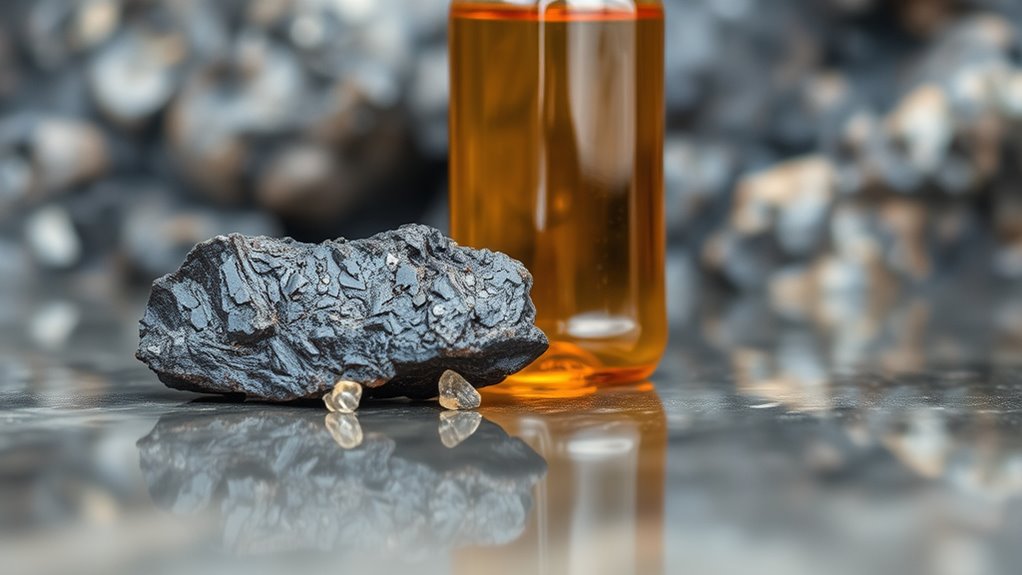
While shilajit and fulvic acid offer potential health benefits, they also carry certain risks that you should consider before use. These substances may contain contaminants like heavy metals, which can pose health hazards if not properly purified. Overuse or high doses might lead to digestive issues, allergic reactions, or toxicity. Shilajit, in particular, has been linked to potential heavy metal exposure if sourced improperly. Fulvic acid supplements can interact with medications, altering their effectiveness or increasing side effects. Additionally, limited research on long-term safety means you should approach these supplements cautiously. Always verify the quality and purity of products, and consult with a healthcare professional before incorporating them into your routine, especially if you have existing health conditions or are taking medications.
Making an Informed Choice for Your Bones

Understanding the potential risks associated with shilajit and fulvic acid highlights the importance of making informed choices about your supplement use. Before adding these to your routine, consider how they fit into your overall health plan. Research reputable sources and consult with a healthcare professional to guarantee safety. Keep in mind that supplements aren’t a quick fix; they work best when combined with a balanced diet and regular exercise. Be cautious of products with unclear origins or unverified claims. Remember, your bones deserve careful attention and personalized care.
Make informed supplement choices; prioritize quality, professional advice, and a balanced lifestyle for healthy bones.
- Verify product quality and sourcing
- Talk to your healthcare provider
- Don’t rely solely on supplements
- Balance your diet and activity levels
Frequently Asked Questions
Can Shilajit and Fulvic Acid Replace Osteoporosis Medications?
No, shilajit and fulvic acid can’t replace osteoporosis medications. These supplements may support your bone health, but they haven’t been proven to treat or prevent osteoporosis effectively. You should follow your healthcare provider’s advice and stick to prescribed medications for managing osteoporosis. Supplements might complement your treatment, but they shouldn’t be relied upon as a substitute for scientifically backed medications. Always consult your doctor before making changes.
Are There Any Specific Age Groups That Benefit Most From These Supplements?
You’re more likely to benefit from shilajit and fulvic acid if you’re middle-aged or older, as these supplements may support bone health and reduce age-related decline. Younger individuals typically don’t need them as much unless they have specific deficiencies. Always consult your healthcare provider before adding new supplements, especially if you’re in a higher-risk age group, to guarantee they fit your health needs and won’t interfere with medications.
How Long Does It Take to Notice Bone Health Improvements?
You might notice improvements in your bone health after a few months, but patience isn’t exactly your strong suit, is it? Typically, it takes about 3 to 6 months of consistent supplement use to see meaningful changes. Think of it like planting a seed—you won’t see the tree overnight. Keep at it, and eventually, your bones will thank you, even if your impatience doesn’t.
Do These Supplements Interact With Common Medications?
Yes, shilajit and fulvic acid can interact with common medications. Shilajit may enhance the absorption of certain drugs, potentially increasing side effects, while fulvic acid could alter how your body processes medications by affecting absorption and metabolism. Always talk to your healthcare provider before adding these supplements to your routine, especially if you’re on medications for chronic conditions, to avoid any adverse interactions.
Are There Natural Food Sources Rich in Shilajit or Fulvic Acid?
You won’t find natural foods that are directly rich in shilajit or fulvic acid, as these are primarily mineral and organic compounds found in specific environments. However, you can boost their levels in your diet by consuming mineral-rich foods like dark leafy greens, blackstrap molasses, and composted soils, which naturally contain trace minerals and organic acids. Supplements are often the most effective way to get concentrated amounts of shilajit and fulvic acid.
Conclusion
If you’re considering shilajit and fulvic acid for stronger bones, know that some studies show these supplements may boost bone density. For example, research suggests that supplementing with fulvic acid can improve mineral absorption, potentially reducing osteoporosis risk. However, always consult your healthcare provider first. While promising, more research is needed to confirm their effectiveness. Making an informed choice now can help you maintain healthier bones and prevent future issues.