TL;DR
Essential oil diffusers disperse aromatic compounds into the air and may help some people create a relaxing atmosphere, though evidence that they treat anxiety or insomnia is limited. The type of diffuser affects scent strength, oil use, and upkeep, so choose one that suits your room and preferences. Follow its instructions, ventilate the space, and stop if anyone feels unwell.
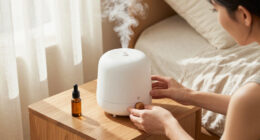
A quiet room can change character with just a little scent: lavender in the air, a soft lamp glowing, and the day finally slowing down. Essential oil diffusers disperse aromatic compounds into the air, and people often use them to make a room smell pleasant or to mark the start of a bedtime routine.

Get oils, diffusers and self-care delivered free with Prime
- Fast, free delivery on millions of items
- Prime Video, Amazon Music and more included
- Member-only deals all year
That comforting feeling can be real, but a diffuser is not a treatment for anxiety, insomnia, or another health condition. Research on aromatherapy suggests that some scents, especially lavender, may help some people feel calmer in certain settings, yet study methods and results vary. Your preferences matter, too: a scent you find soothing may bother someone else.
This guide explains how diffuser types differ, what evidence can and cannot tell you, and how to build a simple routine that fits your room. You’ll also find practical safety points for households with children, pets, or scent sensitivities. Think of the diffuser as one small part of a relaxing evening, like lowering the lights or putting your phone away.
Treat a diffuser as a way to create a pleasant atmosphere, not as treatment for anxiety or insomnia.
Ultrasonic diffusers use water and make a light mist; nebulizing models use no water and can produce a stronger aroma.
Use only the amount and run time listed for your diffuser, and ventilate the room.
Stop use if anyone develops irritation, coughing, headache, nausea, or breathing difficulty.
Ask a healthcare professional or veterinarian about diffuser use when health conditions, pregnancy, young children, or pets are involved.
A diffuser may make your room feel calmer, but results vary
Essential oil diffusers may support relaxation by adding a scent you enjoy to a familiar setting, but they do not reliably treat anxiety or insomnia. The fragrance, your expectations, and the routine around it can all shape how you feel. In plain terms, a diffuser can help set a mood; it cannot promise a medical result.
Research on aromatherapy suggests that lavender may help some people feel calmer or sleep better in particular settings. Studies differ in their methods and quality, so results do not establish that every person will respond the same way. Your own experience may depend on whether you like the scent, how strong it is, and what else is happening in the room.
For example, imagine you switch on a quiet ultrasonic diffuser while reading before bed. The soft mist and familiar lavender aroma might become a cue to put work aside. Someone else sharing the room could find the same fragrance cloying or develop a headache. Comfort is personal, and a pleasant routine may be part of what makes the experience relaxing.
A diffuser can set the scene for rest, like a small lamp beside your favorite chair; it cannot guarantee what happens next.
If you have ongoing sleep or anxiety concerns, talk with a healthcare professional rather than relying on scent alone. You can still enjoy an aroma as part of a routine, as long as it feels comfortable and does not replace care you need.
Products Worth Considering

Therabody SmartGoggles 2nd Gen Heated Eye and Temple Massager

Oura Ring 5 Smart Ring, Silver, Size 7

Bowflex SelectTech 840 Adjustable Kettlebell
As an affiliate, we earn on qualifying purchases.
Choose a diffuser that suits your room and scent preferences
The best diffuser for relaxation is the one that fits your room, preferred scent strength, and tolerance for cleaning or noise. Those factors connect: a device that fills a large room may overwhelm a small bedroom, while a water-based unit needs regular reservoir care. Ultrasonic models mix oil with water to make a light mist; nebulizing models disperse oil without water and can create a stronger aroma. Evaporative and heat models spread scent in different ways, with their own tradeoffs.
If you want a gentle scent in a bedroom, an ultrasonic model may suit you. It is common and relatively quiet, and the mist adds some moisture to the air, though it is not a substitute for a humidifier. You’ll need to empty and clean its water reservoir as directed. A nebulizer may appeal if you prefer water-free operation or a more noticeable aroma, but the greater intensity can be too much in a small or shared room, and it may use oil more quickly. Evaporative devices are often simple, but scent strength can fade as lighter components evaporate. Heat models can spread aroma without a water reservoir, but warmth may change the scent and creates a hot-surface consideration.
| Type | How it spreads aroma | Tradeoff to consider |
|---|---|---|
| Ultrasonic | Water and vibration create mist | Often a gentler scent, with regular reservoir cleaning |
| Nebulizing | Disperses oil without water | Can provide a stronger aroma, but may use oil faster |
| Evaporative | Airflow or porous material spreads scent | Simple operation, though scent can fade as lighter components evaporate |
| Heat | Warmth encourages evaporation | No water mist, but heat may change aroma and surfaces can become hot |
Picture a compact bedroom with a sleeping child and a light sleeper: a strong nebulizer may be too much, while a mild scent—or no diffuser—may suit everyone better. This is why room size and the people using the space matter as much as device features. Check whether the device has a timer or intermittent setting, and read its instructions before buying. A timer can limit exposure and oil use, but it does not make an unsuitable scent comfortable. Room size and scent strength matter more than a long feature list.
Build a gentle diffuser routine in four simple steps
You can use a diffuser as part of a calming routine by choosing a mild scent, following your device’s instructions, and paying attention to how the room feels. Short or intermittent use may be preferable to continuous exposure, especially in a small or poorly ventilated space. The maker’s guidance should set the amount of oil and run time for your model; these vary because devices disperse aroma differently, and adding more can make the air uncomfortable without adding any proven benefit.
- Pick a scent you already enjoy. Lavender is commonly used and studied, while chamomile and bergamot are also popular. None is guaranteed to help everyone. Starting with a familiar scent makes it easier to tell whether the diffuser itself feels pleasant or whether the aroma is becoming too strong.
- Set up the room. Place the diffuser on a stable surface, away from electronics, delicate furniture, open flames, and spots where mist could make surfaces damp. Placement also affects who is exposed: avoid putting it right beside someone’s bed, desk, or pet’s resting place.
- Use the instructed amount and setting. More drops do not necessarily mean more benefit; they can simply increase the concentration in the room. If your diffuser has an intermittent mode or timer, use it as the manual directs. A pause gives the aroma time to disperse and lets you notice how the space feels before adding more.
- Check in with yourself and others. Ventilate the room and stop the diffuser if anyone develops coughing, headache, eye or skin irritation, nausea, or breathing difficulty. Symptoms are a reason to turn it off and get fresh air, not to try to cover the smell with another oil.
For example, you might run a diffuser in the living room while you read, then turn it off before heading to a smaller bedroom. If the scent lingers strongly or feels stuffy, open a window and use less next time. Let comfort guide the routine; a relaxing setup should not leave you holding your breath or wondering whether the smell is too intense.
Keep the oil bottle and device out of children’s reach. Do not swallow essential oils or apply them undiluted to skin. If you have asthma, allergies, migraines, are pregnant, or have another health concern, ask a healthcare professional whether diffuser use makes sense for you. Individual sensitivities and medical circumstances can change the balance between enjoying a scent and experiencing irritation.
Protect children, pets, and anyone sensitive to strong smells
Diffuser safety depends on the oil, the people and animals in the room, and how the product is used. Diffusion puts aromatic compounds into shared air, so exposure can affect someone who did not choose the scent. Some oils can be harmful if swallowed or absorbed, and certain oils may pose risks to cats, dogs, birds, or other animals. “Natural” on a label does not mean harmless, so use extra care in shared spaces.
Keep oils and diffusers out of reach of children, and don’t assume a product that suits you is suitable for a baby or pet. If you have an animal at home, ask a veterinarian about the specific oil and your pet; species and individual health can affect what is appropriate. For questions about a baby or young child, consult a pediatrician before diffusing; you can always choose fresh air and a scent-free room while you check.
Consider a household where one person loves eucalyptus while another has scent-triggered headaches. Diffusing it in a shared bedroom could turn a relaxing idea into an uncomfortable evening. Ask everyone in the space how they feel, keep the room ventilated, and stop use at the first sign of irritation or breathing difficulty. The person most sensitive to the scent may have the least say over its strength unless you check in, so shared consent matters as much as device settings.
If the scent bothers someone sharing your room, pause the diffuser. A calm space should feel comfortable to everyone in it.
Water-based models need regular care, too. Empty leftover water and clean the reservoir as the manufacturer directs; don’t leave standing water inside. Water and oil residue can build up, so routine cleaning helps keep the device working as intended and limits contamination. Follow the manual for cleaning, since harsh cleaners or the wrong technique could damage the device.
Read diffuser and oil labels before following the marketing
Product labels and features can tell you more about a diffuser’s practical use than broad claims about wellness. App-connected controls, timers, intermittent-mist settings, and portable waterless designs can make devices easier to fit into a routine, but they do not prove that a scent will improve sleep or relieve stress. A feature is useful when it solves a real fit or convenience problem; it does not change the limits of the evidence for aromatherapy.
Words such as “natural” or “therapeutic grade” do not by themselves guarantee purity, safety, or effectiveness. Look for clear ingredient and use information, and follow the device maker’s guidance about suitable products. Essential oils and fragrance oils are not interchangeable; only use products intended for your diffuser. Clear labeling matters because it helps you identify what you are exposing household members to and gives a professional something specific to assess if you have a safety question.
For example, a shopper comparing two sleep blends might find that one lists its ingredients clearly while the other leans on a vague promise. The clearer label gives you more information to discuss with a healthcare professional or veterinarian if you have a concern. If you cannot tell what a product contains or how to use it, choose a better-labeled option or skip it.
New controls can still be useful. A timer may help you avoid running a device all night, and an intermittent setting may let you use less scent. But convenience is not a reason to ignore irritation, ventilation, or the needs of someone else in the home. Choose clear instructions over grand promises, then judge the product by how comfortably it fits your space.
Frequently Asked Questions
Do essential oil diffusers actually help you relax?
They may help some people create a calming atmosphere, especially when paired with a familiar routine. Effects vary, and evidence that diffusers treat anxiety or insomnia is limited.
Which oils are popular for relaxation or sleep?
Lavender is commonly studied and used, while chamomile and bergamot are also popular. No oil is guaranteed to work for everyone, and suitability depends on the person, product, and setting.
How long should I run a diffuser?
Follow the instructions for your specific device, since models differ. Short or intermittent use may be preferable to continuous exposure, particularly in a small or poorly ventilated room.
Is it safe to use a diffuser every night?
Not for everyone. Think about ventilation, scent sensitivities, household members, pets, and the manufacturer’s guidance; stop if anyone develops symptoms.
Are diffusers safe around children and pets?
Safety varies by oil and exposure, and some oils can harm animals if swallowed or absorbed. Keep products out of reach, ask a veterinarian about a specific oil, and check with a pediatrician when considering use around a baby or young child.
What is the difference between ultrasonic and nebulizing diffusers?
Ultrasonic models mix oil with water and use vibration to make a light mist. Nebulizing models disperse oil without water and can make a stronger aroma, sometimes using oil more quickly.
Conclusion
Use a diffuser only if the scent makes your space feel more comfortable, and follow the device instructions from the first drop to the final clean. Keep the aroma gentle, ventilate the room, and listen when someone—or your own body—says it is too much.
A quiet routine can be as simple as a favorite book, a lower lamp, and a scent you enjoy. Let the diffuser be one soft note in that evening, not the whole song.