
Start by choosing one or two herbs that match your health goals, like chamomile for relaxation or ginger for digestion. Focus on sourcing high-quality, organic herbs from reputable sources to guarantee safety and potency. Incorporate them into your daily routine through teas, smoothies, or meals, and start with small doses to see how your body reacts. Stay consistent and patient, and you’ll build a lasting, beneficial herbal habit. Keep exploring to learn more about strengthening your routine.

Get oils, diffusers and self-care delivered free with Prime
- Fast, free delivery on millions of items
- Prime Video, Amazon Music and more included
- Member-only deals all year
Key Takeaways
- Start with one or two herbs aligned with your health goals and incorporate them into daily routines.
- Prioritize sourcing high-quality, organic herbs from reputable suppliers to ensure safety and efficacy.
- Research each herb’s uses, potential interactions, and proper dosages before use.
- Use various preparations like teas, infusions, or capsules to diversify your herbal intake.
- Maintain consistency and patience, tracking your responses to build a sustainable, long-term routine.
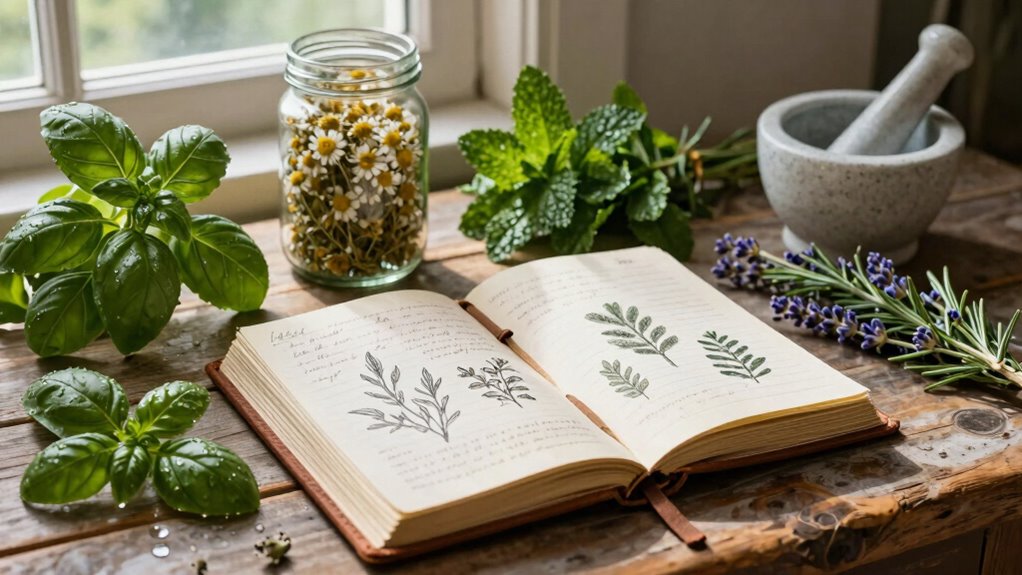
Starting an herbal routine can seem overwhelming at first, but with a clear plan, you can easily incorporate herbs into your daily life. The key is to prioritize herbal safety and sourcing quality herbs from reputable sources. When you’re just starting out, it’s tempting to grab herbs from any store, but not all herbs are created equal. To assure your safety and the effectiveness of your routine, you need to understand the importance of sourcing quality herbs. Look for suppliers who provide transparency about their growing and harvesting practices. Organic herbs are often the best choice because they’re cultivated without harmful pesticides or chemicals, which can compromise safety. Reading reviews and asking for recommendations from trusted herbalists or health professionals can help you find reputable sources. When you have high-quality herbs, you reduce the risk of contamination and guarantee you’re getting the true medicinal properties of the plant.
As you begin, it’s crucial to research each herb you plan to incorporate. Not all herbs are suitable for everyone, especially if you’re pregnant, nursing, or on medication. Herbal safety isn’t just about avoiding contaminants; it’s also about understanding potential interactions and side effects. Start with small doses and observe how your body responds. Keeping a journal can help you track your progress and any reactions you experience. Consulting a healthcare professional or a trained herbalist is a smart move before you start using herbs regularly. They can advise you on safe dosages and help you avoid adverse effects. It’s also helpful to understand the benefits of biodiversity, as it ensures a sustainable and diverse supply of medicinal herbs. Additionally, choosing herbs from reliable sources can greatly impact the quality and safety of your routine. Incorporating herbal safety practices into your routine helps ensure you’re making well-informed choices that support your health. Developing an understanding of herbal sustainability can also contribute to more ethical and environmentally conscious choices in your herbal journey. Being aware of herbal conservation efforts can further help you make choices that support the preservation of medicinal plant populations.
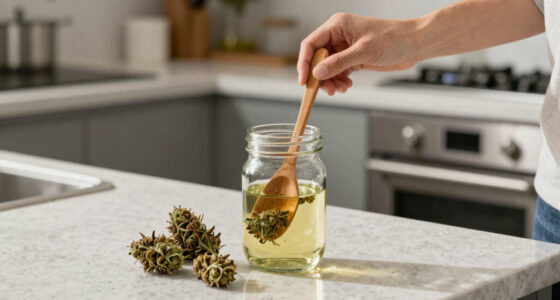
Creating a routine doesn’t mean you have to overhaul your entire lifestyle overnight. Begin with one or two herbs that support your specific health goals, whether it’s chamomile for relaxation or ginger for digestion. Incorporate these herbs into your tea, smoothies, or meals. Consistency is key, so try to use them daily or several times a week. As you grow more comfortable, expand your collection and experiment with different preparations like tinctures, infusions, or capsules. Remember, patience is crucial—herbal routines often take time to show benefits. Stay committed, keep learning, and always prioritize herbal safety and sourcing quality. By doing so, you’re building a sustainable routine that can support your health for years to come.
Products Worth Considering

Philips Sonicare 5950 Rechargeable Electric Toothbrush with 2 Brush Heads, Navy

Hyperice Normatec Elite Wireless Compression Boots Recovery – Standard Size

Levoit Eleva 300X HEPA Air Purifier for Home and Bedroom
As an affiliate, we earn on qualifying purchases.
Frequently Asked Questions
Can Beginners Safely Start Herbal Routines Without Medical Advice?
You can start herbal routines safely as a beginner, but it is crucial to prioritize herbal safety. Use reputable sources for natural remedies, and research each herb thoroughly. Consult with a healthcare professional, especially if you have existing health conditions or take medications. Start with small doses and monitor your body’s response. By being cautious and informed, you can enjoy the benefits of herbal remedies while minimizing risks.
How Long Does It Typically Take to See Results From Herbal Remedies?
You might start seeing results from herbal remedies within a few days to a few weeks, depending on the herbal potency and your body’s response. Traditional uses of herbs often guide their expected effects, but individual results vary. Be patient and consistent, as herbs generally work gradually. Keep track of your progress, and remember that some remedies may take longer to show benefits, especially if your body needs time to adapt.
Are There Any Herbs That Should Be Avoided During Pregnancy?
During pregnancy, you should avoid herbs like sage, parsley, and certain herbs known for herb interactions, as they may pose risks. For pregnancy safety, it is crucial to consult with a healthcare provider before adding any herbs to your routine. Some herbs can stimulate contractions or interfere with medications. Always prioritize professional guidance to ensure both your safety and your baby’s health when considering herbal remedies.
How Do I Know if I’M Allergic to a Specific Herb?
Think of herbal allergy detection as playing detective with your own body. To find out if you’re sensitive, start with a small amount of the herb and watch for reactions like itching, swelling, or difficulty breathing. Sensitivity testing under the guidance of a healthcare professional is the safest way. If you experience any symptoms, stop immediately and consult your doctor to confirm an herbal allergy before continuing.
Can Herbal Routines Replace Conventional Medical Treatments?
Herbal routines can complement, but not fully replace, conventional treatments, especially for serious conditions. You should consider herbal potency and traditional uses to guarantee safe, effective use. Always consult your healthcare provider before making changes, as herbs may interact with medications or not address underlying issues. While herbs offer natural support, they’re best used alongside, not instead of, professional medical advice for thorough care.
Conclusion
Starting your herbal routine is like planting the seeds for a lifelong wellness garden. Stick with it consistently, and soon you’ll notice your energy soaring and stress melting away faster than you can say “herbal miracle.” Remember, patience is key—your body needs time to embrace these natural remedies. Stay committed, and you’ll reveal nature’s secret weapon for vibrant health, turning your daily routine into a powerhouse of vitality that’s truly unstoppable.