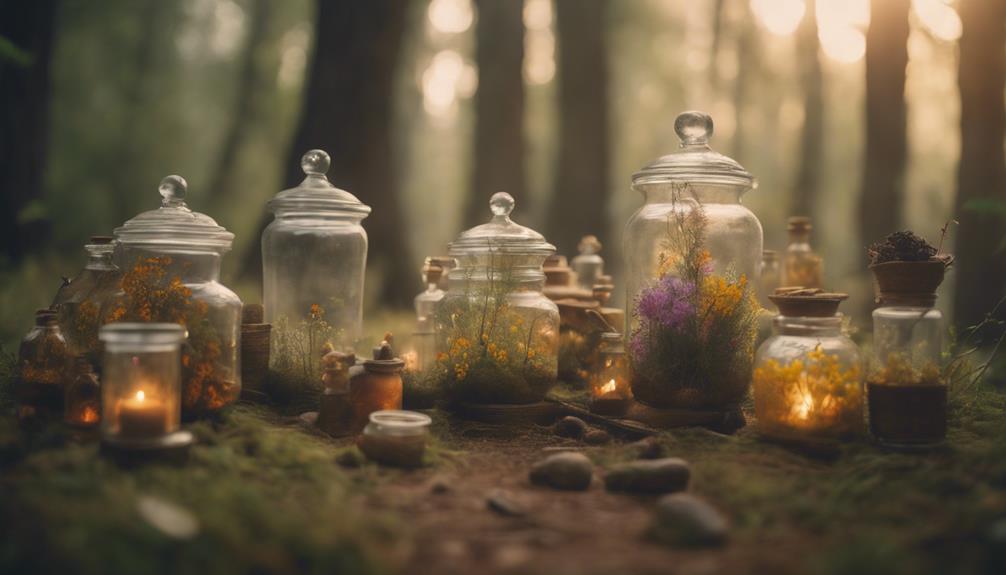
To build herbal confidence, start by learning basic plant identification skills, focusing on leaf shapes, flowers, and habitats. Always double-check your finds with trusted guides or experts, and keep detailed records of your observations. Harvest responsibly, respecting sustainability, and gradually expand your knowledge through guided walks and hands-on experience. Be patient and thorough, trusting that with practice, your confidence will grow. Stick with it, and you’ll discover more ways to safely and effectively work with herbs.

Get oils, diffusers and self-care delivered free — and shop member deals
- Fast, free delivery on millions of items
- Access to Prime Big Deal Days deals on October 6–7
- Prime Video, Amazon Music and more included
Key Takeaways
- Start with guided walks and hands-on practice to improve plant identification skills safely.
- Keep detailed records of plant features, habitats, and preparations to reinforce learning.
- Research herbs thoroughly and consult experts before using new plants.
- Practice responsible harvesting to build confidence without harming plant populations.
- Be patient and consistent, allowing herbal knowledge and trust to develop gradually.

Starting your journey into herbalism can feel overwhelming, but building confidence is just a matter of taking small, informed steps. The first thing to focus on is understanding herbal safety. You need to be cautious and respectful of the plants you work with, knowing that not all herbs are safe for everyone or every use. Always research thoroughly before trying a new herb, and consult trusted sources or professionals when in doubt. Remember, misidentifying a plant or using an unsafe herb can have serious health consequences. It’s essential to learn how to recognize the plants accurately, which brings us to plant identification. Correct plant identification is the foundation of herbal safety. Before harvesting any herb, you should double-check its appearance, smell, and habitat. Use multiple identification methods—such as leaf shape, flower color, and growth patterns—and compare them against reliable field guides or plant identification apps. Developing this skill takes patience, but it’s crucial for your confidence and safety. As you become more familiar with the plants in your environment, you’ll start noticing subtle differences that help distinguish safe herbs from look-alikes. Practice makes perfect, so consider taking guided walks with experienced herbalists or botanists who can teach you how to identify local plants correctly. Never rely solely on pictures or descriptions; hands-on experience is key. When harvesting, do so responsibly, ensuring you’re collecting sustainable amounts without damaging the plant populations. Proper plant identification not only keeps you safe but also deepens your connection with nature and the plants you’re learning to use. As you continue, keep a journal of your observations, noting the plant’s features, habitat, and any preparations you make. This record-keeping boosts your confidence and helps reinforce your learning. Additionally, understanding herbal safety is vital to ensure you’re using herbs appropriately and avoiding potential risks. To further enhance your skills, learning about plant ecology can provide valuable context for how herbs grow and interact within their environments. Recognizing the importance of correct plant identification is essential for avoiding dangerous misidentifications and ensuring successful herbal use. Remember, herbal safety isn’t just about avoiding harm; it’s about respecting the plants and understanding their roles in nature and healing. The more you learn about plant identification, the more confident you’ll feel in your herbal practice. Take your time, be thorough, and don’t rush the process. Building herbal confidence is a gradual process—each successful identification and safe use adds to your trust in your skills. With consistent effort and curiosity, you’ll find yourself more comfortable steering through the world of herbs, making informed choices, and enjoying the natural remedies that herbalism offers. Patience and practice are your best tools on this journey, and soon you’ll see your confidence grow alongside your knowledge.
herbal plant identification guide
As an affiliate, we earn on qualifying purchases.
As an affiliate, we earn on qualifying purchases.
Frequently Asked Questions
How Long Does It Take to See Results From Herbal Remedies?
You might start noticing results from herbal remedies within a few days to several weeks, depending on the herb and your body’s response. Be sure to follow the recommended herbal dosage and store your herbs properly using storage tips like keeping them in airtight containers away from sunlight. Consistency is key, so take your herbs regularly and track your progress to see how your body responds over time.
Can I Combine Different Herbs Safely?
Yes, you can combine different herbs, but you need to ensure herb compatibility and follow herbal dosage guidelines carefully. Research how herbs interact and start with small amounts to gauge your body’s response. Always consult reputable sources or a healthcare professional before combining herbs, especially if you’re taking medications or have health conditions. This approach helps ensure safe, effective herbal use and minimizes potential adverse effects.
Are There Any Herbs I Should Avoid During Pregnancy?
During pregnancy, you should avoid herbs like pennyroyal, mugwort, and blue cohosh, as they can pose risks to you and your baby. For herbal safety, always consult your healthcare provider before using any herbs during pregnancy. Pregnancy precautions are essential—some herbs may stimulate contractions or affect hormone levels. Stick to safe, pregnancy-approved herbs and never self-prescribe, ensuring both your health and your baby’s well-being.
How Do I Identify High-Quality Herbs?
Like a seasoned alchemist, you can identify high-quality herbs by examining their appearance, scent, and freshness. During herb harvesting, select vibrant, aromatic leaves or roots free of discoloration or mold. Proper herbal storage—airtight containers in a cool, dark place—preserves potency. Trust your senses; fresh herbs should smell lively and look healthy. Prioritize organic sources and reputable suppliers to guarantee you’re working with the best, most effective herbs.
What Should I Do if I Experience an Allergic Reaction?
If you experience allergic symptoms like itching, swelling, or difficulty breathing, stop using the herb immediately. Seek medical attention if symptoms worsen or don’t improve. Always follow herbal precautions, such as doing a patch test before trying new herbs. Keep note of the herb you reacted to and inform your healthcare provider. Remember, knowing your allergies and respecting herbal precautions helps you enjoy herbs safely.
As an affiliate, we earn on qualifying purchases.
Conclusion
Now that you’ve started your herbal journey, think of confidence as a garden—you’ll nurture it day by day, tending to each plant with patience and curiosity. Remember, every misstep is a rain shower helping your herbs grow stronger. With time and care, your herbal confidence will bloom into a vibrant, fragrant landscape. Keep exploring, stay curious, and watch your herbal knowledge flourish like a lush, unstoppable forest. Your green thumb is just beginning to wake up!
plant identification app for herbs
As an affiliate, we earn on qualifying purchases.
As an affiliate, we earn on qualifying purchases.
sustainable herb harvesting tools
As an affiliate, we earn on qualifying purchases.
As an affiliate, we earn on qualifying purchases.
Halloween Picks
halloween
As an affiliate, we earn on qualifying purchases.