
Herbalism fits easily into your busy lifestyle by offering quick, natural solutions like teas, tinctures, and infusions that support your health on hectic days. Growing herbs at home guarantees they’re fresh, organic, and sustainable, helping you connect with nature and cut down on store-bought products. Practice simple routines, such as brewing herbal teas or making tinctures, to boost well-being without extra time. Keep exploring to discover more ways to incorporate herbal remedies seamlessly into your modern routine.

Get oils, diffusers and self-care delivered free with Prime
- Fast, free delivery on millions of items
- Prime Video, Amazon Music and more included
- Member-only deals all year
Key Takeaways
- Integrate quick and easy herbal remedies like teas and tinctures into daily routines for busy lifestyles.
- Grow herbs at home to ensure freshness, control ingredients, and connect with nature effortlessly.
- Practice sustainable gardening techniques to support environmental health while reducing maintenance time.
- Use herbal remedies to manage minor health issues naturally, minimizing the need for pharmaceuticals.
- Establish simple routines, such as herbal teas, to promote relaxation and wellness after hectic days.
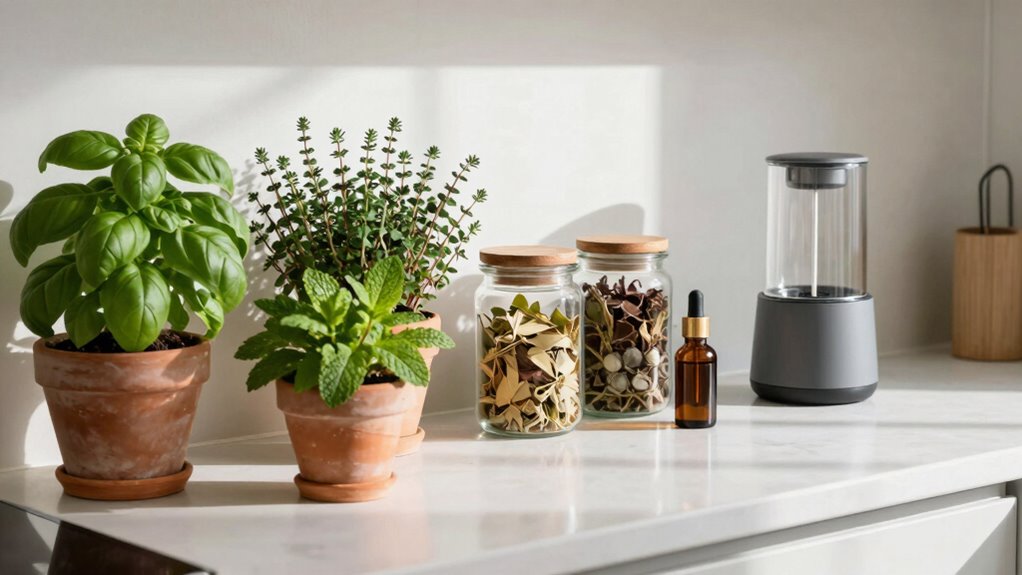
Have you ever wondered how herbalism can fit into your busy, modern lifestyle? The good news is that incorporating herbal remedies into your daily routine doesn’t require hours of dedicated time or a sprawling garden. Instead, you can start small, using herbs that are easy to grow and versatile enough to support your health on hectic days. Many herbal remedies are straightforward to prepare—think infusions, tinctures, or simple teas—that can be made quickly and stored for future use. This makes herbalism a practical choice for anyone juggling work, family, and personal commitments. Plus, engaging in sustainable gardening allows you to cultivate your herbs in an eco-friendly way, reducing reliance on store-bought products that often come with unnecessary packaging or additives. Growing your own herbs at home means you control what goes into your remedies, guaranteeing they’re fresh, organic, and free of harmful chemicals.
Sustainable gardening is a crucial part of integrating herbalism into your modern life. It encourages you to grow herbs in a way that preserves the environment, using methods like composting, rainwater collection, and natural pest control. You don’t need a large yard; even a small balcony or windowsill can host pots of basil, mint, thyme, or chamomile. As you tend to your plants, you develop a mindful routine that connects you to nature, offering a calming break from the digital overload of everyday life. Harvesting herbs at their peak ensures maximum potency, so your herbal remedies are as effective as possible. It also reduces your carbon footprint, as you’re cutting down on transportation and packaging associated with store-bought herbs and remedies. Incorporating biodegradable gardening practices can further enhance the sustainability of your herbal setup. Additionally, understanding the principles of sustainable gardening can help you make more environmentally conscious choices that benefit both your health and the planet. Creating a herbal garden with environmentally friendly techniques can also help maintain the health of your soil and local ecosystem. Moreover, choosing native or well-adapted herbs can make your gardening efforts even more sustainable and resilient.
Incorporating herbal remedies into your life becomes even more seamless when you establish a simple routine. Prepare a batch of chamomile tea for relaxation after a busy day, or make a fresh herbal tincture for common ailments like colds or headaches. These quick, natural solutions can help you manage minor health issues without turning to pharmaceuticals. Over time, you’ll notice how your connection to your herbs deepens, and how sustainable gardening cultivates not just plants but a more mindful, eco-conscious approach to wellness. With just a little effort, herbalism becomes a sustainable, time-efficient way to support your health, fitting perfectly into your modern schedule.
Products Worth Considering

BowFlex Results Series SelectTech Adjustable Dumbbells, Pair

Garmin Forerunner 165 GPS Running Smartwatch, 43 mm, Black

Philips Sonicare 6700 Rechargeable Electric Toothbrush with 3 Brush Heads, Navy
As an affiliate, we earn on qualifying purchases.
Frequently Asked Questions
How Can I Start Herbalism With No Prior Experience?
You can start herbalism with no prior experience by exploring basic herbal preparation techniques and making simple DIY herbal remedies. Begin with beginner-friendly herbs like chamomile or mint, and learn how to infuse oils, create teas, or make tinctures. Read books, watch tutorials, and join local herbal groups to gain practical tips. Practice regularly, experiment safely, and keep notes to track what works best for you as you build confidence.
Are There Any Safety Concerns With Herbal Remedies?
You might find it surprising, but safety is essential when exploring herbal remedies. Always prioritize herbal safety by researching herbs thoroughly and following dosage guidelines carefully. Even natural remedies can cause adverse reactions if misused. Start with small doses, and consult reliable sources or professionals when possible. Being cautious helps you enjoy herbal benefits while avoiding potential side effects or interactions, making your herbal journey safe and enriching.
Can Herbalism Replace Conventional Medicine Entirely?
Herbalism can’t fully replace conventional medicine, especially for serious conditions. You should be aware of herbal medicine myths that suggest it’s a complete cure-all. Instead, consider herbal remedies as part of holistic health integration, complementing traditional treatments. Always consult healthcare professionals before making changes, as herbs can interact with medications or cause side effects. Combining both approaches guarantees you get safe, effective care tailored to your needs.
How Long Do Herbal Remedies Typically Take to Show Effects?
Herbal remedies usually take anywhere from a few days to several weeks to show effects, depending on the herbal preparation and the condition you’re treating. Your body’s response time varies, so patience is key. For minor issues, you might notice improvements quickly, but for chronic or deeper ailments, the time to heal can be longer. Consistency and proper herbal preparation are essential for ideal results.
What Are the Best Herbs for Busy, Modern Lifestyles?
Imagine a herbal preparation that fits seamlessly into your busy schedule—that’s where modern herb uses shine. You’ll want adaptogenic herbs like Ashwagandha for stress, Peppermint for energy, and Chamomile for relaxation. These herbs are quick to prepare and effective, making them perfect for your hectic lifestyle. Incorporate them into teas, tinctures, or capsules to boost your well-being without missing a beat. The secret to wellness is just a step away.
Conclusion
Incorporating herbalism into your busy life isn’t just a trend—it’s a practical way to boost your well-being. Did you know that the global herbal supplement market is projected to reach $9.6 billion by 2027? That’s a clear sign that more people are turning to nature’s remedies to manage stress, boost immunity, and stay balanced. So, embrace herbalism in your modern routine—you’ll be surprised how simple, effective, and rewarding it can be.