Herbalism is more practical than you might think because it’s simple, accessible, and customizable to your needs. You can easily grow herbs like chamomile or ginger at home or find them in local shops. Preparing remedies requires basic knowledge and minimal equipment, making it a convenient way to address common ailments naturally. Plus, understanding plants and safety helps you control your health better. Keep exploring, and you’ll discover how easy and effective herbalism truly is.

Get oils, diffusers and self-care delivered free with Prime
- Fast, free delivery on millions of items
- Prime Video, Amazon Music and more included
- Member-only deals all year
Key Takeaways
- Herbal remedies are simple to incorporate into daily routines without complex equipment or extensive training.
- Many medicinal plants can be grown at home or locally, ensuring easy access and sustainability.
- Personalizing herbal treatments allows for effective, natural solutions tailored to individual health needs.
- Preparing herbal remedies involves basic harvesting and processing, making self-care accessible and affordable.
- Knowledge of safe herb use enhances effectiveness and reduces reliance on synthetic medications.
Have you ever considered how herbalism can be a practical and accessible remedy in your daily life? It’s often misunderstood as something complicated or only for specialists, but in reality, herbal remedies are straightforward and easy to incorporate into your routine. At its core, herbalism involves using medicinal plants to support your health, whether through teas, tinctures, or simple infusions. You don’t need a pharmacy full of synthetic pills when a few well-chosen herbs can address common ailments like colds, digestion issues, or stress.
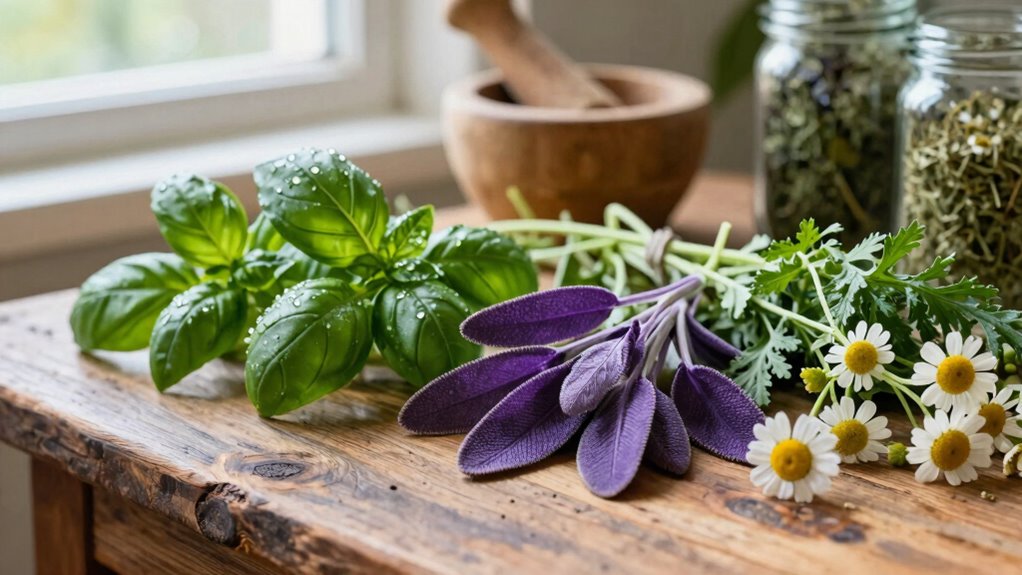
Many medicinal plants grow right in your garden or local area, making herbal remedies more accessible than you might think. For example, chamomile is known for calming nerves and aiding sleep, while ginger can help with nausea and inflammation. These plants have been used for centuries, and their benefits are backed by both tradition and modern research. You don’t have to be a professional herbalist to harness their power; basic knowledge can help you create effective remedies at home. The process is simple—harvest the plant, prepare it properly, and use it as needed. This DIY approach not only saves money but also puts control of your health back into your hands.
Many local herbs like chamomile and ginger are easy to grow and great for natural remedies at home.
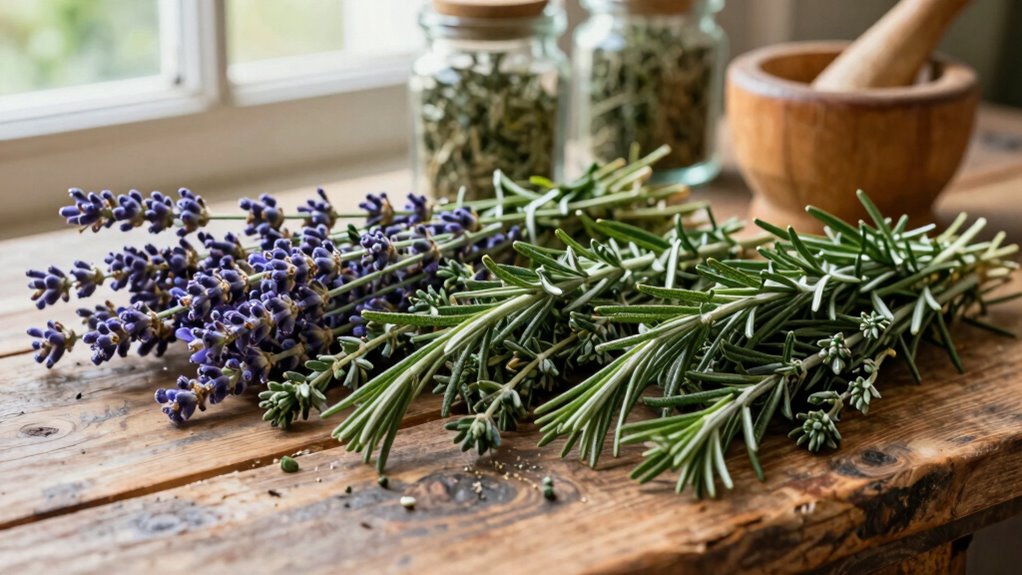
Moreover, herbalism’s practicality lies in its versatility. You can tailor herbal remedies to suit your specific needs and preferences. If you’re feeling under the weather, a soothing herbal tea made from peppermint or elderberry can boost your recovery. If anxiety is taking over, a simple infusion of lavender or lemon balm can help you relax. The beauty of herbal remedies is their gentle, natural nature—they often work with your body’s own systems rather than overwhelming them with chemicals. Plus, they’re generally safe when used properly, making them a reliable addition to your health toolkit. Understanding medicinal plants further enhances your ability to craft effective remedies and deepen your connection with natural healing. Growing medicinal plants at home or in your community garden can also foster a sustainable and eco-friendly approach to wellness. Incorporating knowledge about plant safety is essential to avoid any adverse effects and ensure your remedies are both effective and safe.
You might be surprised to learn how quickly you can incorporate herbalism into your routine. Growing your own medicinal plants or visiting a local herbal shop makes it easy to access the herbs you need. Learning a few simple recipes or preparation techniques empowers you to handle minor health issues without immediately reaching for over-the-counter options. This practicality extends beyond convenience; it fosters a deeper understanding of your body and its needs. Herbalism isn’t just about treating symptoms—it’s about building a more natural, sustainable approach to wellness that fits seamlessly into your everyday life.
As an affiliate, we earn on qualifying purchases.
Frequently Asked Questions
Can Herbal Remedies Replace Modern Medicine Entirely?
Herbal remedies can’t replace modern medicine entirely, especially for serious conditions. While traditional healing and herbal potency offer effective solutions for minor ailments, they lack the precision and scientific backing of pharmaceuticals. You should view herbalism as a complementary approach, using it to support overall health. For urgent or severe issues, always seek professional medical treatment. Combining both methods can lead to a balanced, holistic approach to wellness.
How Do I Identify Safe Herbs to Use?
To identify safe herbs, start with herb foraging by learning to recognize plants accurately through reputable guides or classes. Always prioritize plant safety by double-checking species against trusted resources, as many herbs have look-alikes. Test small amounts first, and avoid harvesting from polluted areas. When unsure, consult experienced herbalists or local experts. This cautious approach helps guarantee you’re using safe, effective herbs for your herbal remedies.
Are There Any Risks or Side Effects?
Risks and side effects are real, so you should proceed cautiously. Always follow dosage guidelines closely to prevent potential problems. Herb interactions can cause unexpected effects or reduce effectiveness, so research thoroughly or consult a professional. Don’t dismiss dangers—diligence and proper knowledge protect you. Staying safe means staying smart; herbal harm can happen if you ignore these important precautions.
How Long Does It Take to See Results?
You can often see results within a few days to a few weeks, depending on the herbal preparation and your condition. Traditional use guides many herbal remedies, but individual responses vary. Consistency is key, so follow recommended dosages and preparations carefully. Keep in mind, patience is essential, and some herbs may take longer to show benefits. Monitoring your progress helps you determine what works best for your body.
Do I Need Special Training to Practice Herbalism?
You don’t need special training to practice herbalism, but getting herbal certification can turn you into a true herbal hero. Think of DIY herbalism as wielding a magic wand—powerful but better with knowledge. While you can start learning on your own, formal courses boost your confidence and safety. So, jump in, explore, and consider certification to level up your herbal skills—your health adventures await!
As an affiliate, we earn on qualifying purchases.
Conclusion
You might think herbalism is outdated or impractical, but it’s more relevant than ever. With a little knowledge, you can harness nature’s remedies and become more self-sufficient. Remember, “A wise man learns more from his enemies than a fool from his friends.” Embracing herbalism isn’t just about healing — it’s about empowering yourself and respecting the wisdom nature offers. Give it a try, and you might find it’s more practical than you ever imagined.
As an affiliate, we earn on qualifying purchases.
As an affiliate, we earn on qualifying purchases.
Fall Picks
fall essentials
As an affiliate, we earn on qualifying purchases.