
TL;DR

Get oils, diffusers and self-care delivered free with Prime
- Fast, free delivery on millions of items
- Prime Video, Amazon Music and more included
- Member-only deals all year
Researchers have announced a new sustainable spirulina-based method to combat vitamin B12 deficiency. This development could provide a plant-derived, eco-friendly supplement option. Details are still emerging, and further testing is needed.
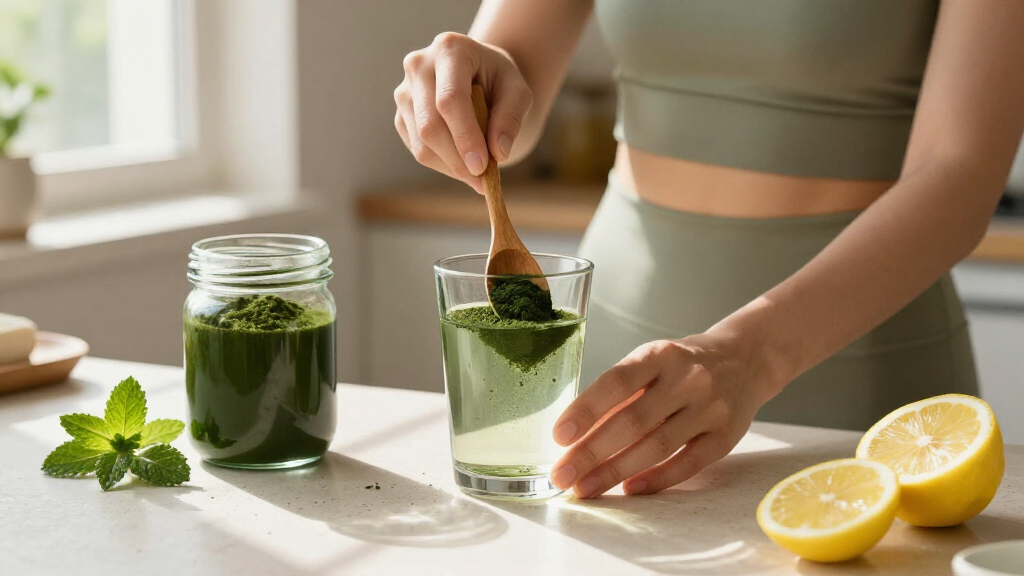
Researchers have introduced a sustainable method for cultivating spirulina that can produce vitamin B12, potentially offering a plant-based, eco-friendly alternative to traditional supplements. This breakthrough aims to address the widespread issue of vitamin B12 deficiency, which affects millions worldwide and is often linked to vegetarian and vegan diets.
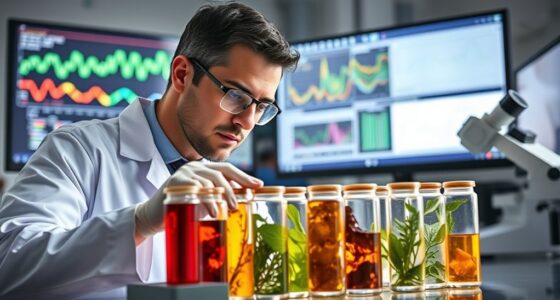
The new approach involves optimized cultivation techniques that enhance spirulina’s natural production of vitamin B12, according to the research team. While spirulina is already recognized as a nutritious supplement, its vitamin B12 content has historically been limited and variable. The researchers claim their method significantly increases B12 levels, making it a viable dietary source.
These findings were presented at a recent scientific conference, with the team emphasizing the sustainability aspects of their process. They highlight that spirulina can be grown using minimal land and water resources compared to animal-based B12 sources, aligning with broader environmental goals. The research is still in early stages, with ongoing trials to confirm the bioavailability and safety of the produced B12.
Experts in nutrition and sustainable agriculture have expressed cautious optimism. While initial results are promising, they note that independent verification and long-term studies are necessary before this solution can be widely recommended. No peer-reviewed publication of the full data has been released yet.
Potential Impact on Global B12 Deficiency Solutions
This development could significantly influence how vitamin B12 deficiency is addressed worldwide, especially in regions where access to animal products is limited or where plant-based diets are prevalent. A sustainable, plant-derived B12 source aligns with environmental and health goals, reducing reliance on animal farming and chemical supplements. If validated, this could lead to a shift in dietary recommendations and supplement manufacturing, supporting both individual health and ecological sustainability.
As an affiliate, we earn on qualifying purchases.
Rising Interest in Plant-Based B12 Alternatives
Vitamin B12 deficiency affects an estimated 10-15% of the global population, with higher prevalence in vegetarians and vegans due to limited natural dietary sources. Traditional supplementation relies on animal-derived B12 or synthetic forms, which have environmental and ethical considerations. Recent years have seen increased interest in plant-based and sustainable sources of essential nutrients, driven by consumer demand and ecological concerns.
The use of microalgae like spirulina as a B12 source has been explored before, but inconsistent B12 content and production challenges have limited its widespread adoption. The new cultivation approach aims to overcome these hurdles, potentially transforming spirulina into a reliable, scalable source of vitamin B12.
This trend is also fueled by broader shifts toward sustainable food systems and the growth of the plant-based market, which has seen exponential growth over the last decade.
As an affiliate, we earn on qualifying purchases.
Unverified Aspects and Ongoing Validation
It is not yet clear whether the increased B12 levels in spirulina produced through this method are bioavailable and effective in correcting deficiency in humans. The research is still in early stages, with no peer-reviewed publication available. Long-term safety and scalability of the cultivation process remain unconfirmed.
As an affiliate, we earn on qualifying purchases.
Next Steps for Validation and Commercialization
Researchers plan to conduct clinical trials to assess the bioavailability of the B12 produced via their method. Independent verification of the results is expected from other laboratories. If successful, the process could move toward commercial production, potentially influencing supplement markets and dietary guidelines within the next few years.
As an affiliate, we earn on qualifying purchases.
Key Questions
Can spirulina currently be used as a reliable source of vitamin B12?
While spirulina contains some vitamin B12, its levels are variable, and its bioavailability has been questioned. The new cultivation method aims to improve this, but further validation is needed before it can be considered a reliable source.
How does this new method compare to traditional B12 supplements?
This approach seeks to produce a plant-based, sustainable B12 source, potentially reducing reliance on animal-derived supplements. Its effectiveness and safety are still under investigation.
What are the environmental benefits of this spirulina-based B12 production?
Growing spirulina requires minimal land and water, and it can be cultivated using renewable energy sources, making it a more sustainable option compared to animal farming and synthetic production.
When might this technology become available for consumer use?
If clinical trials and independent validations are successful, commercial production could be feasible within the next 2-5 years, but regulatory approval processes will also influence timelines.
Are there any safety concerns with consuming B12 from spirulina?
As with any supplement, safety depends on purity and production standards. Further testing is needed to ensure the B12 produced is safe and effective for human consumption.
Source: rss
Columbus Day / Indigenous Peoples' Day Picks
long weekend sales
As an affiliate, we earn on qualifying purchases.