
By cultivating herbs indoors daily, you build a sustainable herbal practice that boosts your health and saves money. Simple habits like watering, pruning, and ensuring enough sunlight keep your plants thriving and potent. Making tinctures from your herbs becomes easy when you develop routines for harvest and preparation. Over time, these small steps deepen your connection to natural remedies and enhance your wellness journey. Keep exploring, and you’ll discover even more ways to turn small habits into big health benefits.

Get oils, diffusers and self-care delivered free with Prime
- Fast, free delivery on millions of items
- Prime Video, Amazon Music and more included
- Member-only deals all year
Key Takeaways
- Incorporate daily herb watering and sunlight exposure to promote healthy, potent plants.
- Regularly prune and harvest herbs to encourage continuous growth and maximize medicinal qualities.
- Make homemade herbal tinctures by soaking fresh herbs in alcohol for convenient, concentrated remedies.
- Develop routine plant care habits to deepen understanding of herb needs and boost success.
- Use harvested herbs in daily wellness routines, like teas or tinctures, to support health naturally.
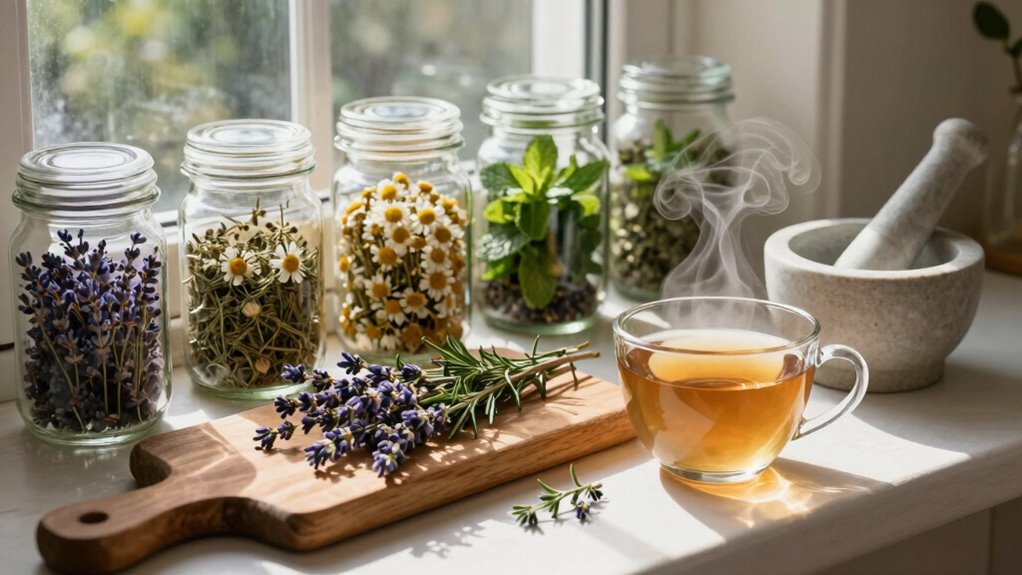
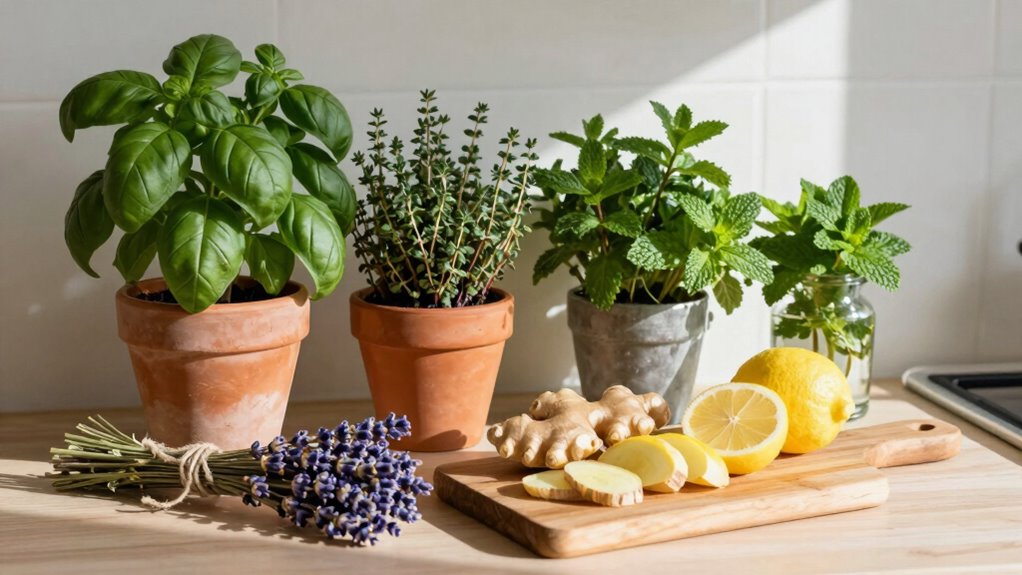
Have you ever considered growing your own herbs to boost your health and wellness? It’s a simple yet powerful way to incorporate natural remedies into your daily routine. When you start cultivating herbs at home, you gain more control over what you consume, and you can enjoy the process of connecting with nature. One of the easiest ways to harness the benefits of herbs is through herbal tinctures. These concentrated extracts are made by soaking herbs in alcohol or another solvent, capturing their medicinal properties in a small, potent form. Making herbal tinctures at home is straightforward, especially if you master indoor plant care. Proper care ensures your herbs stay healthy and potent, so your tinctures remain effective. Consistent watering, adequate sunlight, and careful pruning become essential parts of your routine, transforming your space into a mini herbal sanctuary.
As you develop your indoor plant care skills, you’ll notice your herbs thriving and becoming more resilient. When your plants are healthy, the herbal tinctures you create will be more potent, offering better support for your immune system, digestion, or relaxation. Growing herbs indoors also means you can harvest fresh leaves whenever you need them, ensuring maximum potency and flavor. Plus, caring for your plants regularly teaches patience and mindfulness, turning a simple hobby into a soothing daily ritual. As you get more comfortable with indoor plant care, you’ll find that your herbs flourish with minimal effort, and the sense of accomplishment grows each time you harvest and prepare herbal remedies. Developing indoor plant care skills can also help you better understand the needs of different herbs, leading to healthier plants and more effective tinctures. Additionally, understanding herb growth cycles** can enhance your ability to harvest at the optimal time for medicinal potency. Learning about plant health can help prevent common issues and ensure your herbs stay vigorous. Incorporating herbal cultivation practices into your routine can further improve your success and enjoyment. Furthermore, familiarizing yourself with medicinal herb properties** can deepen your knowledge and help you select the best herbs for your needs.
Small habits, like checking your plants daily or adjusting their lighting, add up over time. These routines become second nature and make herbalism at home more sustainable. Incorporating herbal tinctures into your wellness routine can be as simple as adding a dropperful to tea or water. The more you learn about your herbs—their growth cycles and medicinal qualities—the more confident you become in creating personalized herbal remedies. These small, consistent habits empower you to take charge of your health naturally, reducing reliance on store-bought supplements or medications. Plus, growing and making herbal tinctures at home often cost less in the long run and provide a sense of achievement that’s hard to match.
Ultimately, herbalism at home isn’t just about the end products; it’s about cultivating a mindful, health-conscious lifestyle. With a little effort, you turn a few pots of herbs into a daily source of wellness, connecting you with nature and your body’s needs. By mastering indoor plant care and making herbal tinctures, you develop habits that support your well-being, one small step at a time.
As an affiliate, we earn on qualifying purchases.
Frequently Asked Questions
What Are the Beginner-Friendly Herbs for Home Use?
Start with beginner-friendly herbs like chamomile, peppermint, and lemon balm. You can easily incorporate them into your daily routine by making herbal tea blends or DIY herbal remedies. These herbs are gentle, versatile, and widely available, making them perfect for beginners. By experimenting with simple infusions or tinctures, you’ll gradually build confidence in herbalism and enjoy the health benefits of your homemade remedies.
How Do I Store Herbs Properly?
Storing herbs properly is like giving them a cozy home. To keep them fresh, use herb drying techniques like air-drying or using a dehydrator. Store herbs in airtight containers away from sunlight and heat. Proper herb labeling helps you avoid confusion and keeps everything organized. By following these steps, your herbs will retain flavor and potency longer, making your herbal remedies more effective and enjoyable in the long run.
Are There Any Safety Concerns With Herbal Remedies?
Yes, there are safety concerns with herbal remedies. You should always follow toxicity precautions, like avoiding excessive doses and consulting reliable sources. Be aware of allergic reactions, as some herbs might cause sensitivities or skin irritation. Start with small amounts to test your response, and if you experience any adverse effects, discontinue use immediately. It’s wise to consult a healthcare professional before adding new herbs to your routine, especially if you’re pregnant or on medication.
Can I Grow Herbs Indoors Year-Round?
Imagine your home as a greenhouse sanctuary — yes, you can grow herbs indoors year-round. Focus on herb propagation and choose the right spot with ample sunlight. Use indoor lighting tips like grow lights or placing herbs near south-facing windows to mimic sunlight. With consistent watering, good soil, and proper light, your herbs will flourish, turning your space into a perpetual herbal oasis.
How Do I Identify Wild Herbs Safely?
To identify wild herbs safely, start with thorough research on common local plants through books or reputable online sources. Use identification techniques like examining leaf shapes, smells, and growth patterns. Always cross-reference multiple sources before foraging, and consider taking a guided foraging walk with an expert. Never consume a wild herb unless you’re 100% certain of its identification, as misidentification can be dangerous.
As an affiliate, we earn on qualifying purchases.
Conclusion
By embracing small herbal habits, you’re planting seeds that flourish over time. Imagine each sip of herbal tea or fresh poultice as watering your garden—tiny daily acts that grow into a lush, healing space. I once started with just a windowsill of basil, and now I’ve built a mini apothecary that supports my wellness. Remember, even the smallest herb can make a big difference—your journey to natural healing begins with a single, simple step.
herb gardening tools for indoor plants
As an affiliate, we earn on qualifying purchases.
As an affiliate, we earn on qualifying purchases.
As an affiliate, we earn on qualifying purchases.
Halloween Picks
halloween
As an affiliate, we earn on qualifying purchases.