To harvest herbs responsibly, you should always check local regulations and obtain necessary permits, especially on protected lands. Respect plant habitats by using established trails and avoiding overharvesting from a single area. Use sustainable techniques like selective cutting and only take mature parts, leaving enough plants to regrow. Be mindful of biodiversity by avoiding invasive species and rare plants. Keep learning about ethical wildcrafting to ensure your foraging benefits both you and the environment.
Listen free for 30 days with Audible
Thousands of audiobooks and originals — cancel anytime.
As an affiliate, we earn on qualifying purchases.
Key Takeaways
- Obtain necessary permits and follow local regulations before collecting herbs.
- Harvest only mature parts and avoid damaging roots or stems to promote plant health.
- Limit collection based on plant abundance, leaving enough to ensure future growth.
- Use clean tools and avoid invasive species to protect native ecosystems.
- Respect habitats by minimizing disturbance and sticking to established trails.
wildcrafting herb harvesting tools
As an affiliate, we earn on qualifying purchases.
As an affiliate, we earn on qualifying purchases.
Understanding Local Regulations and Permissions
Before you start wildcrafting, acquiring knowledge about the local regulations and permissions that govern the area is essential. Many regions have rules protecting native plants and natural habitats, and harvesting without permission can lead to fines or legal trouble. Check with local authorities, land management agencies, or conservation groups to understand what’s allowed. Some areas require permits for foraging, especially on public lands or protected sites. Restrictions may specify which plants can be collected, how much you can take, and seasonal limitations. Respecting these rules ensures you avoid damaging ecosystems and helps preserve the environment for future foragers. Being informed and compliant demonstrates responsible wildcrafting, supports conservation efforts, and fosters good relationships with land managers and local communities.
sustainable wild herb harvesting guidebook
As an affiliate, we earn on qualifying purchases.
As an affiliate, we earn on qualifying purchases.
Identifying and Respecting Plant Habitats
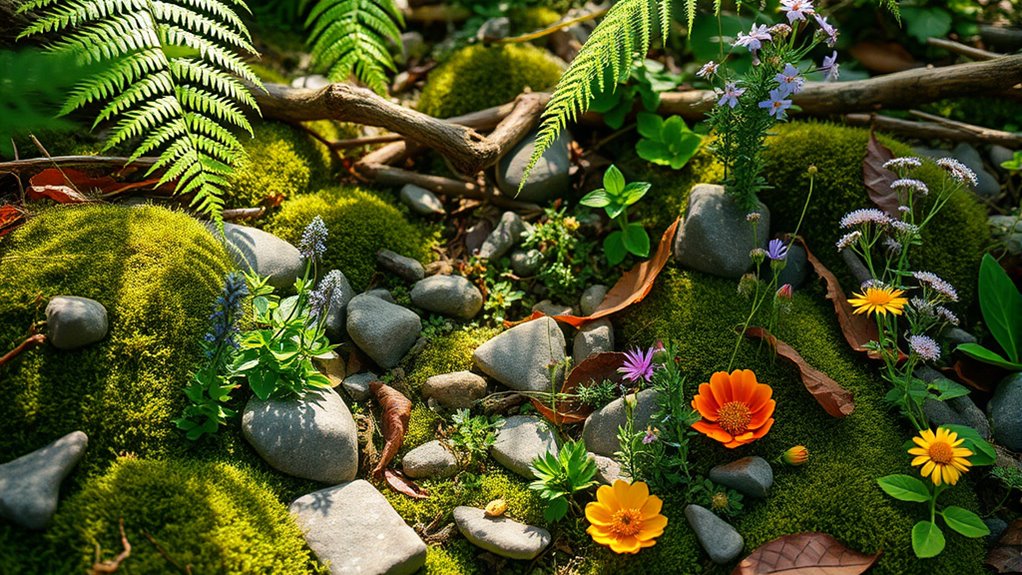
Understanding and respecting plant habitats is crucial for sustainable wildcrafting. You need to learn how to recognize the specific environments where herbs naturally thrive. Observe the soil type, sunlight exposure, moisture levels, and surrounding vegetation. For example, some plants prefer shady woodland edges, while others grow in open, rocky areas. Avoid disturbing other plants or damaging the habitat’s structure. Stay on established trails to minimize impact and prevent trampling sensitive areas. Respect the boundaries of the habitat, and don’t overharvest from a single location. By paying close attention to these details, you help maintain the health and resilience of plant populations and their ecosystems. Responsible harvesting ensures these habitats continue to support abundant, healthy herbs for future wildcrafters.
As an affiliate, we earn on qualifying purchases.
Harvesting Techniques That Promote Sustainability
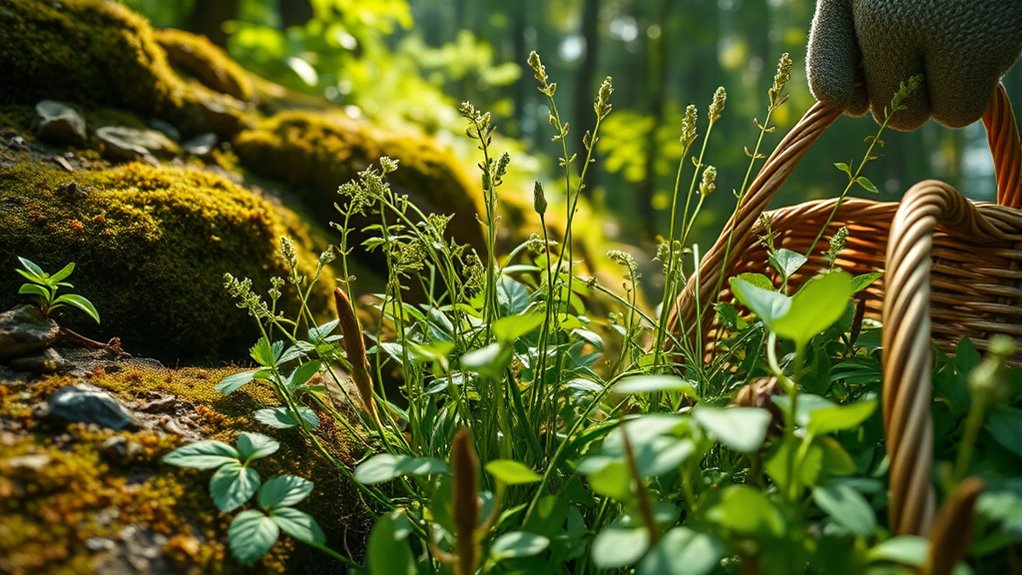
To guarantee wildcrafting remains sustainable, it’s essential to use harvesting techniques that minimize impact on plant populations. You should harvest responsibly, avoiding overharvesting and damaging the roots or stems. Techniques like selective picking, where you only take parts of the plant, help ensure it can regenerate. Additionally, using tools such as scissors or knives reduces plant stress.
| Technique | Benefit |
|---|---|
| Selective harvesting | Preserves plant health |
| Harvesting only mature parts | Promotes regrowth |
| Using proper tools | Reduces damage and stress |
herb foraging permit application
As an affiliate, we earn on qualifying purchases.
As an affiliate, we earn on qualifying purchases.
Recognizing When and How Much to Collect

You need to assess how abundant a plant is before collecting, ensuring you don’t take more than what’s sustainable. Harvest only what’s necessary to allow the plant to continue thriving and reproducing. By respecting regrowth cycles, you help preserve wild populations for future harvests.
Assess Plant Abundance
Evaluating plant abundance is a crucial step in wildcrafting ethics, as it helps determine when and how much to harvest without damaging the ecosystem. You should observe the area carefully, noting how many plants are thriving versus those that are sparse or struggling. Look for signs of healthy growth, such as vibrant leaves and flowers, and avoid areas where plants are scarce or declining. Pay attention to the pattern of growth—if many plants are mature, it may indicate a good season to harvest, but if populations are low, it’s best to hold back. Your goal is to understand the overall health and density of the plant population, ensuring you don’t take more than the environment can sustain. This mindful assessment guides responsible harvesting decisions.
Harvest Sustainable Quantities
After evaluating plant abundance, it’s important to determine how much you can harvest without harming the population. To do this, consider the plant’s growth stage, overall health, and the local environment. Aim to collect only what’s necessary for your needs, leaving enough behind for future growth. Use the table below to guide your harvesting:
| Plant Abundance | Harvesting Quantity | Responsible Action |
|---|---|---|
| Abundant | Small, selective | Harvest sparingly |
| Moderate | Moderate amount | Limit to 10-15% of the plant |
| Scarce | Minimal or none | Avoid harvesting altogether |
Respect Plant Regrowth
Recognizing when and how much to collect is essential for allowing plants to recover and thrive. You want to leave enough behind so the plant can continue growing healthily. Observe the plant’s overall condition and harvest only what’s needed. For example:
- Identify mature plants with healthy foliage, avoiding young or stressed specimens.
- Harvest just above a healthy set of leaves or branches, leaving plenty of growth below.
- Limit your collection to no more than one-third of the plant, ensuring it retains enough energy to regenerate.
Protecting Biodiversity and Avoiding Invasive Species
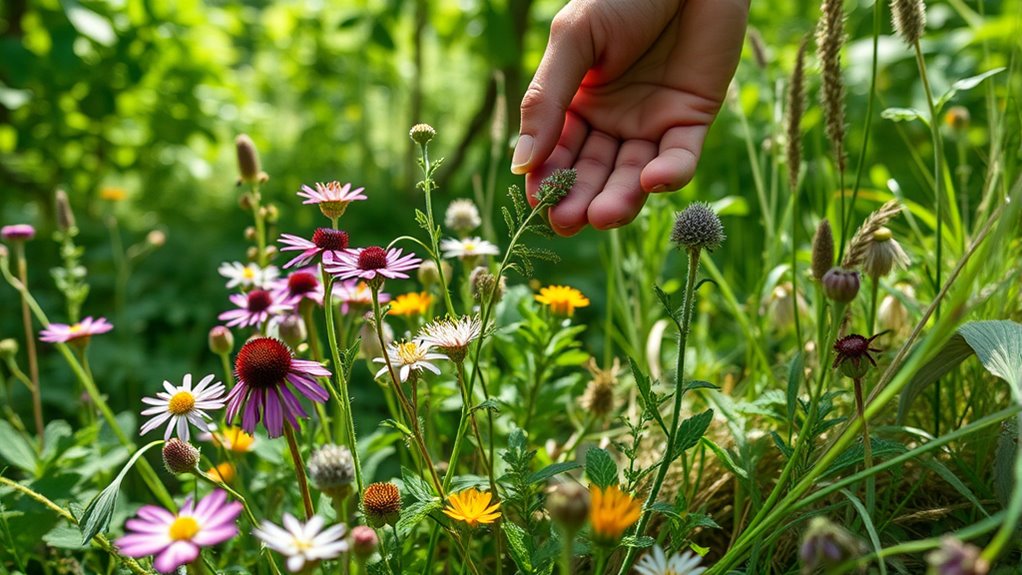
Protecting biodiversity and preventing the spread of invasive species are essential steps in ensuring healthy ecosystems. When wildcrafting, avoid harvesting from areas known for invasive plants or where native species are vulnerable. Be cautious not to unintentionally introduce non-native plants by using contaminated tools or seeds. Always identify plants correctly to prevent the accidental spread of invasive species. By respecting native habitats, you help maintain ecological balance and support diverse plant and animal life. Refrain from collecting rare or endangered species, and leave seed dispersal to nature when possible. Your mindful harvesting practices contribute to ecosystem resilience, ensuring that native species thrive and invasive ones do not take hold. Protecting biodiversity benefits everyone, including future wildcrafters.
Practicing Ethical Foraging and Leaving No Trace
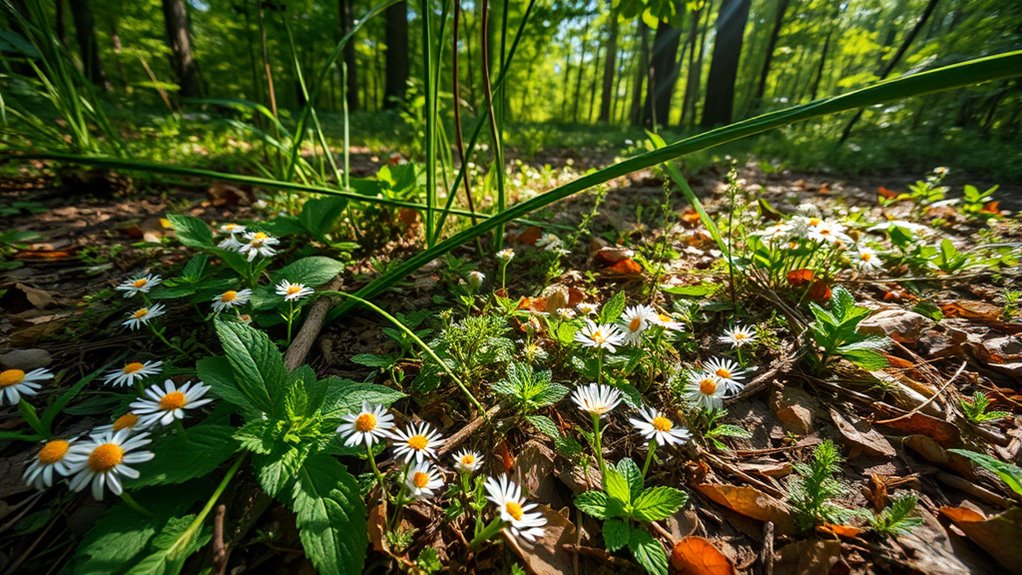
Practicing ethical foraging means being mindful of your impact on the environment and respecting the natural balance of the ecosystems you visit. To leave no trace, focus on these actions:
- Pick sustainably—only harvest a small portion, leaving enough for plants to regenerate.
- Avoid disturbance—stay on existing paths and refrain from trampling surrounding vegetation.
- Leave nothing behind—pack out all trash, remnants, and tools to keep the area pristine.
Frequently Asked Questions
How Can I Ethically Source Herbs From Private Lands?
You can ethically source herbs from private lands by always asking for permission before harvesting, respecting landowner decisions, and following any guidelines they provide. Limit your harvest to sustainable amounts, avoid damaging plants or ecosystems, and leave enough for wildlife and future growth. Keep a respectful attitude, offer gratitude, and make certain your actions don’t harm the land. This approach helps maintain healthy ecosystems and fosters trust with landowners.
What Are Common Signs of Overharvesting in an Area?
You can spot overharvesting by looking for sparse plant growth, damaged or broken stems, and a lack of seed production. If you notice fewer plants than before or signs of excessive trimming, it means the area’s being overharvested. This can lead to soil erosion and habitat loss. Always observe the plants carefully, and if you see these signs, consider harvesting less or avoiding that spot to protect the ecosystem.
How Do Climate Change Impacts Affect Wildcrafting Practices?
Imagine a once-lush meadow now cracked and parched—climate change impacts directly threaten your wildcrafting. Rising temperatures and unpredictable weather shift plant growth cycles, making herbs scarce or harder to find. You may notice fewer blooms or struggling plants, forcing you to travel farther or harvest less. These changes remind you to respect nature’s limits, harvesting sustainably to help protect these essential ecosystems for future generations.
Are There Specific Tools Recommended for Sustainable Harvesting?
You should use tools like scissors or pruners to make clean cuts, minimizing plant damage. A small knife helps you harvest precisely without disturbing the roots. For delicate herbs, use a hand rake or a soft brush to gently gather materials. Always carry a reusable container to avoid waste. These tools help you harvest sustainably, ensuring plants recover quickly and continue thriving for future wildcrafting.
How Can I Educate Others About Wildcrafting Ethics?
You can educate others about wildcrafting ethics by sharing your knowledge through conversations, workshops, or social media. Show them how responsible harvesting protects plant populations and ecosystems. Lead by example, demonstrating sustainable practices and explaining their importance. Encourage questions and discussions to foster understanding. Distribute educational materials or organize community events focused on ethical harvesting. Your passion and clear communication inspire others to adopt respectful wildcrafting habits.
Conclusion
By following these ethical wildcrafting practices, you’re not just harvesting herbs—you’re safeguarding nature’s delicate balance. Think of yourself as a steward, not an intruder, ensuring future generations can enjoy these treasures too. Remember, every plant you leave undisturbed is a silent promise to protect biodiversity. So, embrace responsible foraging with care and respect—because when we nurture the earth, it rewards us with its abundant gifts, like a silent symphony of life.
NFL season / tailgating Picks
team gear
As an affiliate, we earn on qualifying purchases.