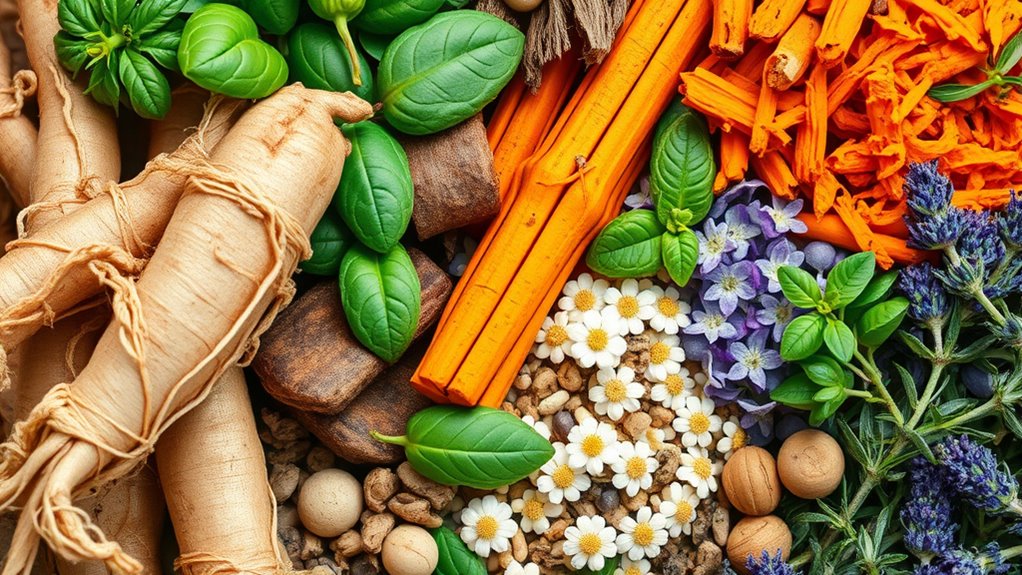

Herbal traditions worldwide each have unique cultivation practices that guarantee their medicinal qualities. In Chinese medicine, herbs like Huang Qi and Dang Gui are grown with spiritual and natural cycle awareness, emphasizing energy balance. Ayurvedic herbs such as Ashwagandha and Tulsi focus on purity and holistic harmony. Western herbal practices combine traditional techniques with modern science for standardization. Exploring these practices reveals how culture, spirituality, and science shape the healing power of herbs—if you want to learn more, the journey continues.
Key Takeaways
- Chinese, Ayurvedic, and Western herbal traditions each have unique cultivation methods rooted in cultural and spiritual practices.
- The efficacy of herbs depends on origin, harvesting time, and traditional processing techniques across all systems.
- Cultivation integrates natural cycles, spiritual beliefs, and empirical knowledge to preserve herb potency and healing qualities.
- Western herbal medicine combines traditional practices with modern science to produce standardized herbal remedies.
- Preservation of cultural heritage and traditional knowledge ensures the continued relevance and integrity of herbal healing worldwide.
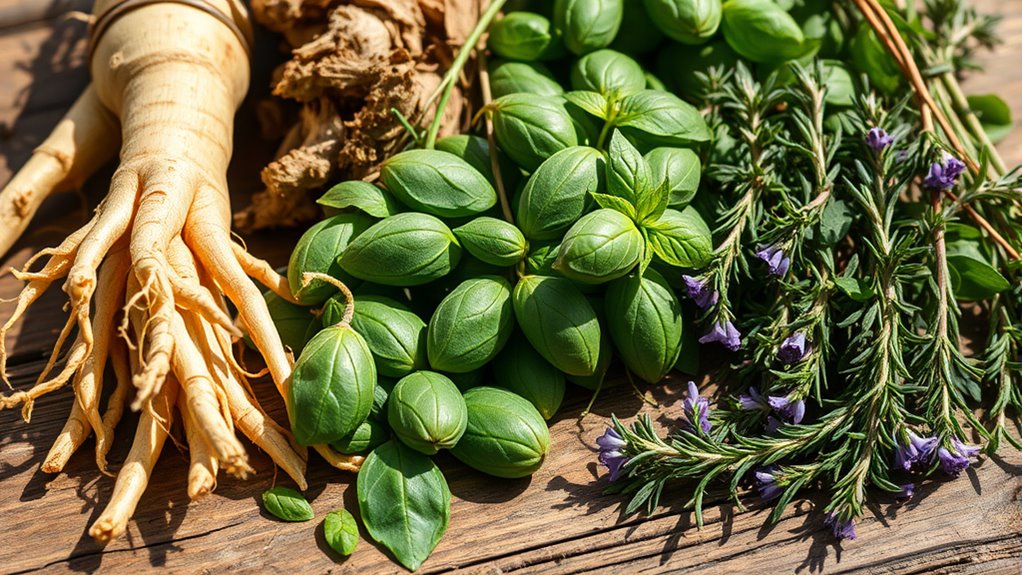
Herbs have been an essential part of cultures worldwide, offering flavors, remedies, and spiritual significance. When you explore how different societies grow and use herbs, you’ll notice that herbal cultivation plays a crucial role in maintaining these traditions. In many cultures, cultivating herbs isn’t just about harvesting plants; it’s a deliberate practice rooted in centuries of knowledge. Whether you’re tending to basil in Italy or ginseng in China, understanding herbal cultivation helps preserve these practices and ensures the plants stay potent for medicinal use. In traditional medicine systems like Chinese medicine and Ayurveda, herbal cultivation is deeply intertwined with the broader goal of integrating herbs into daily health routines. These traditions emphasize the quality, origin, and harvesting time of herbs, recognizing that these factors directly influence their healing properties. For instance, Chinese herbal medicine often involves specific cultivation methods that maximize the medicinal qualities of herbs like Huang Qi or Dang Gui, underscoring the importance of traditional practices in modern herbal use. Similarly, Ayurvedic medicine relies on carefully cultivated herbs such as Ashwagandha and Tulsi, emphasizing purity and proper harvesting techniques to maintain their effectiveness.
When you look at these traditions, you’ll see that herbal cultivation isn’t just about growing plants; it’s a sacred process that respects the natural cycles and the plant’s energy. The integration of herbs into traditional medicine systems isn’t accidental—it’s a carefully crafted process that combines empirical knowledge with spiritual beliefs. In Chinese medicine, herbs are often prescribed as part of complex formulas that balance the body’s energy or Qi, and the quality of these herbs directly impacts their efficacy. Likewise, Ayurveda incorporates herbs into holistic treatment plans aimed at restoring balance among body, mind, and spirit. Both systems have developed detailed protocols for growing, harvesting, and preparing herbs to ensure their therapeutic qualities are preserved.
Across the Western world, herbal medicine has also experienced a resurgence, blending traditional herbal cultivation techniques with modern science. Here, the focus often shifts toward standardized extracts and quality control, but the underlying principles of traditional medicine still influence practices. Whether used in teas, tinctures, or capsules, herbs in Western herbalism are increasingly recognized for their healing potential. By understanding the roots of herbal cultivation and traditional medicine integration, you can appreciate how these practices not only preserve cultural heritage but also enhance the healing power of herbs in contemporary health care.

Chinese Traditional Herbal Medicine TWO-VOLUME SET
Used Book in Good Condition
As an affiliate, we earn on qualifying purchases.
As an affiliate, we earn on qualifying purchases.
Frequently Asked Questions
How Do Herbal Treatments Differ in Traditional Chinese, Ayurvedic, and Western Medicine?
You’ll notice that herbal treatments vary based on cultural perceptions and treatment customization. In some traditions, herbs are used to restore balance and harmony, while others focus on specific symptoms. Western medicine tends to prioritize scientific evidence and standardized formulas. You’ll find that each approach tailors herbal remedies differently, reflecting their cultural beliefs and understanding of health, which influences how treatments are designed and applied across different traditions.
Are There Any Risks or Side Effects Associated With Herbal Remedies Worldwide?
Herbal remedies are like double-edged swords—you must handle them with care. Risks and side effects vary widely, and herbal safety isn’t always assured. International regulations try to keep these risks in check, but they’re not foolproof. Always research thoroughly, consult healthcare professionals, and choose reputable sources to avoid harmful effects. Staying informed helps ensure your herbal journey remains safe and beneficial.
How Is Herbal Quality and Potency Regulated Across Different Countries?
You might wonder how herbal quality and potency are regulated globally. Regulatory standards vary, with some countries enforcing strict quality assurance measures to ensure safety and effectiveness. Others have more relaxed rules, which can lead to inconsistent herbal products. To protect yourself, always check for reputable certifications and trusted brands, and be aware of local regulations. This helps guarantee you’re using herbs that meet safety and potency standards.
Can Herbs From One Tradition Be Safely Integrated Into Another Healing System?
You might wonder if herbs from one tradition can be safely integrated into another. It’s important to take into account herbal compatibility and cultural blending. While some herbs work well across systems, others may cause adverse reactions or interact unpredictably. Always consult with a knowledgeable practitioner before combining herbs from different traditions. This ensures safety and respects the unique properties of each herb, promoting effective and harmonious healing practices.
What Scientific Evidence Supports the Effectiveness of These Global Herbal Practices?
You might wonder about the scientific validation of herbal practices worldwide. Research studies provide growing evidence supporting their effectiveness, showing how certain herbs can improve health or treat specific conditions. While some herbs have well-documented benefits, others lack extensive scientific validation. It’s smart to review credible research before integrating herbal remedies into your health routine, ensuring safety and efficacy based on current scientific understanding.

3-Month Ayurvedic Herbs Supplement 17-in-1 | Mind & Body Balance | Ayurveda Health Support Blend | Ayurvedic Supplements | 90-Day Bulk Supply | 90 Capsules
Ayurvedic Herbs Supplement (3-Month Supply)
As an affiliate, we earn on qualifying purchases.
As an affiliate, we earn on qualifying purchases.
Conclusion
As you explore these herbal traditions, you’re opening a door to a world where ancient wisdom and nature’s medicine weave together like a vibrant tapestry. Each herb, whether from China, Ayurveda, or the West, is a tiny guardian holding centuries of healing secrets. Embrace these botanical treasures, and let them be your guiding stars on your journey to wellness, illuminating your path with the gentle, powerful light of nature’s timeless gift.
The Modern Herbal Dispensatory: A Medicine-Making Guide
As an affiliate, we earn on qualifying purchases.
As an affiliate, we earn on qualifying purchases.
![The Herbal Medicine-Maker's Handbook: A Home Manual [An Herbalism Book]](https://m.media-amazon.com/images/I/5109Yx-10OL._SL500_.jpg)
The Herbal Medicine-Maker's Handbook: A Home Manual [An Herbalism Book]
MEDICINE MAKER'S HANDBOOK
As an affiliate, we earn on qualifying purchases.
As an affiliate, we earn on qualifying purchases.