
Herbology connects nature, ritual, and healing by inviting you to honor plants’ spiritual and symbolic meanings while working with their natural energies. Through intentional rituals like teas or baths, you deepen your bond with the plants and align with their healing properties. Harvesting herbs at peak times and respecting their cycles enhance their potency. Continuing to explore this holistic approach will reveal how these practices nurture your well-being on physical, emotional, and spiritual levels.

Get oils, diffusers and self-care delivered free with Prime
- Fast, free delivery on millions of items
- Prime Video, Amazon Music and more included
- Member-only deals all year
Key Takeaways
- Herbology integrates botanical symbolism and energetic qualities to foster emotional and spiritual well-being alongside physical health.
- Rituals like herbal baths or ceremonies deepen the connection with plants and enhance their healing and spiritual benefits.
- Harvesting herbs at peak times aligns with natural cycles, respecting their energetic and ecological significance.
- Cultural stories and practices honor the historical and spiritual roles of herbs, enriching their healing potential.
- A holistic approach combines respect, symbolism, and ritual to promote balanced healing through nature and spiritual connection.
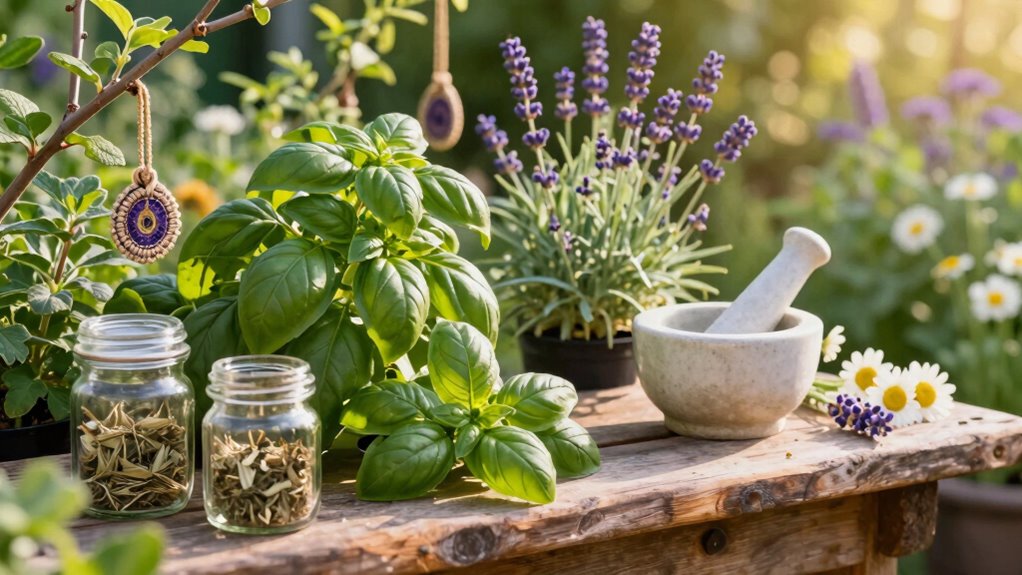
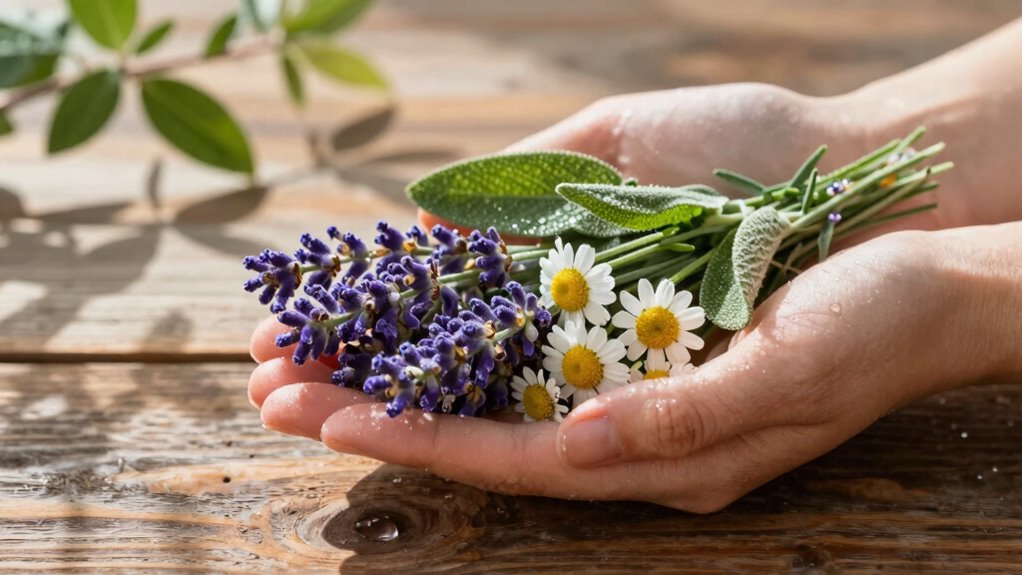
Herbology weaves together the natural world, spiritual practices, and healing traditions to create a profound connection between humans and nature. When you explore herbology traditions, you tap into centuries of knowledge that link plants to well-being, ritual, and spiritual symbolism. These traditions emphasize that each herb isn’t just a plant; it carries a deeper meaning rooted in botanical symbolism. For example, you might associate sage with purification, while lavender signifies calm and peace. Recognizing these symbolic associations enhances your understanding of how herbs can influence your emotional and spiritual states, not just your physical health.
In herbology, every plant has its story, its purpose, and its place within a broader cultural context. This connection goes beyond simple medicinal use—it’s about respecting and honoring the plant’s role in human history and spiritual practices. When you prepare herbal remedies, you’re participating in a tradition that recognizes the energetic qualities of plants. These qualities are often reflected in botanical symbolism, which guides you in selecting herbs based on their spiritual attributes as much as their physical healing properties. For instance, if you’re seeking clarity or mental focus, you might turn to rosemary, a herb traditionally linked with memory and mental acuity through botanical symbolism.
Herbology also involves rituals that deepen your bond with nature. These rituals, whether it’s a simple tea ceremony or a full moon herbal bath, serve as a way to honor the plants and invite their energies into your life. By engaging in these practices, you acknowledge the plant’s spiritual significance, reinforcing your connection to the natural world. This act of ritual transforms herbal healing into a sacred act, blending science with spirituality. Incorporating seasonal awareness into your practice helps you align with the natural cycles and enhances the energetic benefits of the herbs you work with. Recognizing the importance of plant harvesting according to seasonal cycles ensures you utilize herbs at their peak potency, respecting their natural energetic rhythms.
Furthermore, understanding herbology requires you to pay attention to the environment and the seasons. The plants you choose are often harvested at specific times for their maximum energetic and healing potential. This seasonal awareness ties into botanical symbolism, where the timing of harvest reflects the plant’s energetic cycle. For example, harvesting herbs during their peak potency not only ensures the best medicinal qualities but also respects the plant’s natural rhythm, reinforcing your relationship with nature’s cycles. Additionally, cultivating awareness of environmental sustainability ensures that herbal practices support the preservation of biodiversity and ecological balance. Incorporating traditional knowledge helps deepen your appreciation for the cultural significance and historical context of herbal practices, enriching your overall understanding.
Recognizing the energetic qualities of herbs allows you to better understand how plants can influence your emotional and spiritual well-being. In essence, herbology isn’t just about treating symptoms; it’s about cultivating a relationship rooted in respect, symbolism, and ritual. As you learn and practice, you discover that healing is as much about the spiritual and energetic connection to plants as it is about their physical properties. This holistic approach invites you to see herbs as living messengers of nature’s wisdom, guiding you toward balance, harmony, and deeper understanding of your place within the natural world.
As an affiliate, we earn on qualifying purchases.
Frequently Asked Questions
How Did Herbology Originate Across Different Ancient Cultures?
You see, herbology originated from ancient practices where different cultures observed plants’ healing properties. Through cultural exchanges, knowledge spread across regions, shaping herbal traditions worldwide. Indigenous peoples used local herbs in rituals and medicine, while trade routes facilitated sharing of botanical wisdom. This interconnected evolution reflects how ancient cultures valued nature’s remedies, blending spiritual practices with healing, creating a rich tapestry of herbal knowledge that continues to influence modern herbalism today.
Can Herbology Be Integrated With Modern Medical Practices Effectively?
Herbology can be a bridge between ancient wisdom and modern medicine, like threads woven into a vibrant tapestry. You can integrate herbal therapy with contemporary practices by combining scientific research with traditional knowledge, creating a holistic approach. This modern integration offers personalized healing, emphasizing natural remedies alongside pharmaceuticals. Embracing this synergy allows you to harness the power of nature, enriching your overall health journey with time-tested remedies and innovative medical insights.
What Are Common Misconceptions About Herbs and Their Healing Properties?
You might think all herbs have strong healing powers, but that’s a misconception. Herb preparation varies, and herbal potency can differ based on how herbs are grown and processed. Not all herbs are safe or effective for every condition, so it’s vital to understand their true properties. Relying solely on herbs without proper knowledge can be risky; always consult experts to guarantee safe, effective healing.
How Does Individual Belief Influence Herbal Healing Outcomes?
Your individual beliefs substantially influence herbal healing outcomes. When you trust in the herbs’ power, the placebo effect can boost your recovery, making the treatment more effective. Cultural beliefs also shape your expectations and perceptions, enhancing the healing process. If you approach herbal remedies with confidence and positive cultural associations, you’re more likely to experience genuine benefits, highlighting how mindset and tradition intertwine with nature’s healing gifts.
Are There Safety Concerns or Side Effects Associated With Herbal Remedies?
Herbal safety is important, and while herbal remedies are generally gentle, there’s a chance of side effects if you’re not careful. You should stay aware of potential reactions and consult with a knowledgeable practitioner, especially if you’re pregnant, nursing, or on medication. Knowing about side effect awareness helps you enjoy herbal healing’s benefits without unintended surprises, ensuring your journey remains safe and nurturing.
herbal tea for spiritual healing
As an affiliate, we earn on qualifying purchases.
As an affiliate, we earn on qualifying purchases.
Conclusion
As you walk this gentle path of herbology, you find that nature’s quiet whispers guide your hands and heart. Rituals become subtle melodies, softly woven into your daily life, nurturing both body and spirit. In this delicate dance, healing blooms like a tender dawn, revealing the beauty of harmony and balance. Embrace the subtle art, and let nature’s gentle touch lead you toward a quietly restored sense of well-being.
As an affiliate, we earn on qualifying purchases.
As an affiliate, we earn on qualifying purchases.
Halloween Picks
halloween
As an affiliate, we earn on qualifying purchases.