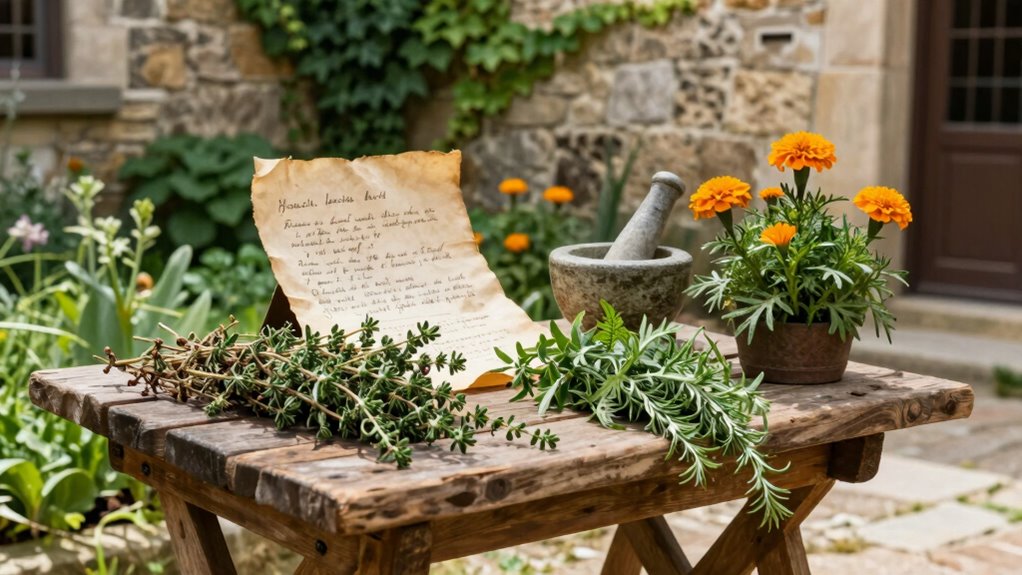

Herbology includes story, place, and tradition because these elements shape how you understand and connect with medicinal plants. Cultural beliefs, myths, and legends give herbs deeper meaning beyond their physical benefits, while the environment influences which herbs are used and how they’re valued. These stories and regional practices preserve traditions passed down through generations. By exploring these connections, you’ll discover how land and culture influence herbal practices in ways that go beyond simple remedies.

Get oils, diffusers and self-care delivered free with Prime
- Fast, free delivery on millions of items
- Prime Video, Amazon Music and more included
- Member-only deals all year
Key Takeaways
- Herbology is deeply rooted in cultural stories that convey the herbs’ significance and traditional uses.
- Place-specific environments influence the cultivation and cultural importance of herbs in local practices.
- Traditions and folklore preserve herbal knowledge across generations, maintaining cultural identity.
- Mythology and beliefs give herbs spiritual and mystical meanings beyond their physical properties.
- The regional context shapes how herbs are integrated into rituals, healing, and cultural symbolism.
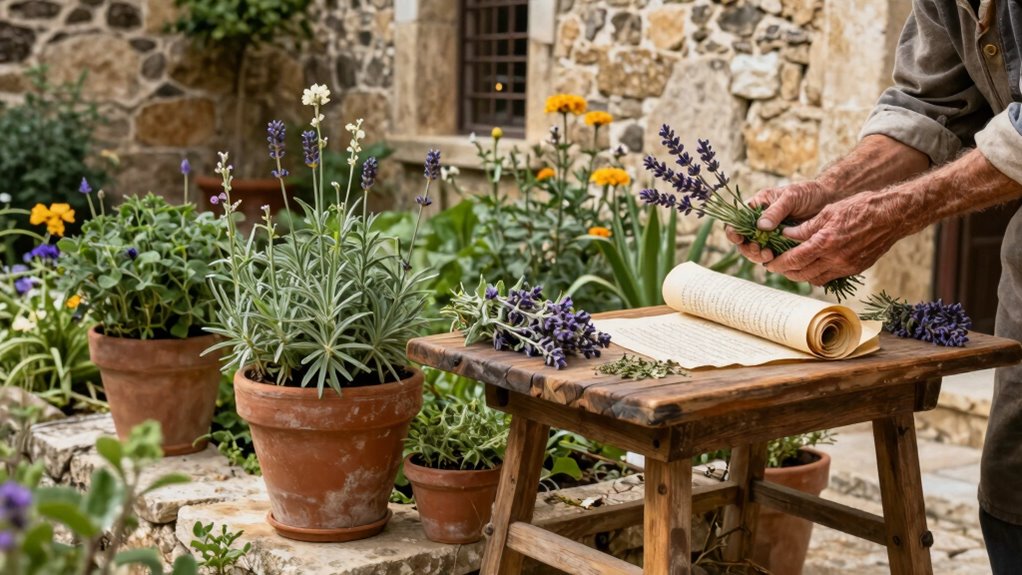
Have you ever wondered how herbs have shaped stories, cultures, and traditions around the world? It’s fascinating to see how herb cultivation is more than just growing plants; it’s a practice deeply intertwined with folklore practices that have been passed down through generations. When you engage in herb cultivation, you’re not only tending to plants but also participating in a tradition that connects you to centuries of cultural beliefs and stories. Each herb has a history, a myth, or a legend attached to it, and those stories often influence how people use and value them.
Folklore practices reveal a lot about how different cultures perceive herbs. In many traditions, herbs are believed to possess mystical powers or healing properties that go beyond their physical benefits. For example, certain herbs are thought to ward off evil spirits or bring good luck, and these beliefs are often rooted in local stories and customs. When you learn about these folklore practices, you realize that herbs are more than just natural remedies—they’re symbols woven into the fabric of cultural identity. This connection between herbs and stories helps preserve these traditions, ensuring they’re passed from one generation to the next. Additionally, the environment and climate of a region significantly influence which herbs are cultivated and how they are used, further tying tradition to the land. The history of herb use can vary greatly depending on geographical and cultural contexts, enriching the diversity of herbal practices worldwide. Understanding the cultural significance of herbs can deepen your appreciation for their role in various rituals and practices around the world. Moreover, recognizing the interplay between environment and tradition highlights how geography shapes herbal practices across cultures.
Products Worth Considering

Levoit Core 600S-P Smart Air Purifier for Large Rooms

Hyperice Hypervolt 3 Percussion Massage Gun with Heated Head and Premium Carry Case

Philips Sonicare DiamondClean 9000 Electric Toothbrush Bundle, HX9912/72
As an affiliate, we earn on qualifying purchases.
Frequently Asked Questions
How Does Herbology Differ Across Various Cultures?
You’ll notice that herbology varies across cultures through unique cultural practices and ritual significance. Different societies prioritize certain herbs based on local traditions, beliefs, and historical uses. For example, some cultures use herbs in healing rituals, spiritual ceremonies, or daily remedies. This diversity reflects each culture’s worldview and relationship with nature, shaping herbology into a rich, interconnected system that’s deeply rooted in local stories, customs, and spiritual practices.
What Are Some Common Myths Associated With Herbal Remedies?
You may have heard myths about herbal remedies that claim mythical cures or herbal legends that promise instant healing. These stories often stir hope, but they can also mislead. Some believe certain herbs hold mystical powers beyond science. While herbal remedies can be effective, it’s essential to question these myths and rely on evidence. Don’t let enchanting tales overshadow the truth about nature’s healing potential.
How Has Modern Science Validated Traditional Herbal Practices?
Modern science has validated traditional herbal practices through scientific validation and herbal pharmacology studies, confirming the medicinal properties of many herbs. You can see this in clinical trials that demonstrate how certain herbs effectively treat specific conditions, backing centuries-old knowledge with empirical evidence. This validation bridges tradition and modern medicine, showing that herbal remedies aren’t just folklore but are grounded in biological mechanisms studied through scientific methods.
Are There Specific Herbs Linked to Particular Historical Events?
You might think herbs are just plants, but many are linked to specific historical events through cultural herbal stories and symbolism. For example, willow bark played a role in traditional medicine linked to ancient healing practices. These herbs symbolize more than their uses; they embody stories of resilience and belief. Exploring their history reveals how cultural symbolism and historical events shaped herbal traditions, making them richer and more meaningful.
How Do Storytelling Traditions Influence Herbal Medicine Practices Today?
Cultural storytelling shapes herbal medicine practices today by passing down herbal symbolism and traditional knowledge through generations. You’re likely to see stories that highlight the healing powers of specific herbs, reinforcing their significance. These narratives create a meaningful connection to herbs, making their use more personal and culturally rooted. As a result, storytelling traditions influence how you understand, choose, and trust herbal remedies, preserving their cultural importance and practical application.
Conclusion
As you explore herbology, remember it’s like tending a garden where stories, places, and traditions bloom together. Just like the old healer who used a single plant to heal a village, understanding the roots of these traditions enriches your journey. Each herb carries a tale, a piece of history waiting to be uncovered. Embrace this connection, and you’ll see that the true power of herbology lies in its stories—woven into every leaf and petal, waiting for you to discover.