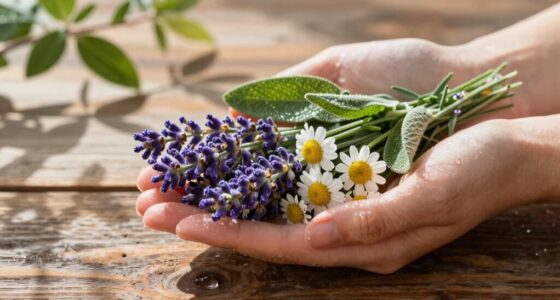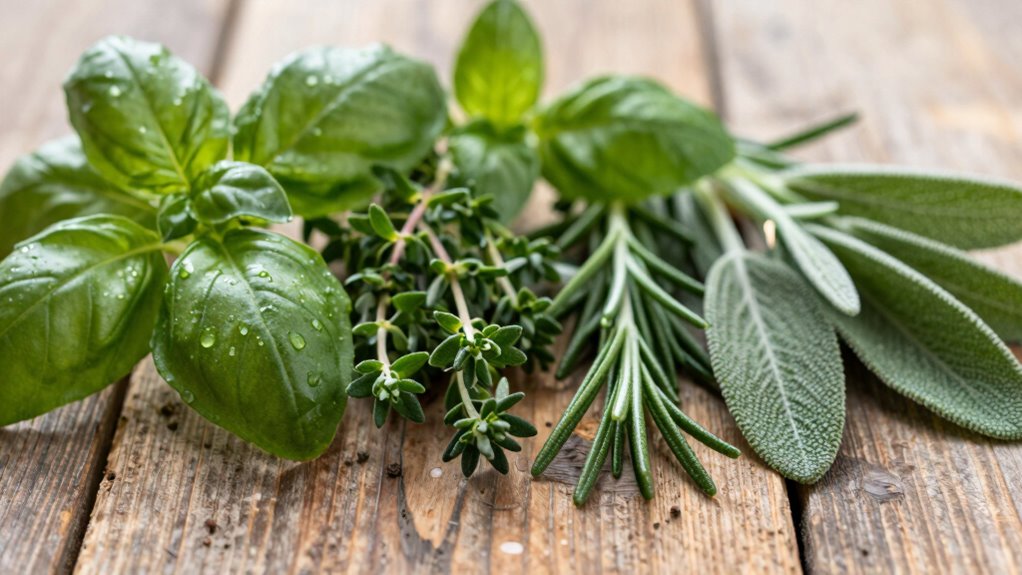

Herbs hold meanings beyond their practical uses because they are deeply rooted in cultural, spiritual, and personal beliefs. They symbolize qualities like protection, love, or courage, often conveying messages without words. These meanings have evolved over time, reflecting diverse traditions and values across societies. By understanding the symbolism behind herbs, you can enhance your connection to them and incorporate deeper intent into your practices. Keep exploring to uncover more about the rich stories herbs tell.

Get oils, diffusers and self-care delivered free with Prime
- Fast, free delivery on millions of items
- Prime Video, Amazon Music and more included
- Member-only deals all year
Key Takeaways
- Herbs symbolize cultural beliefs, emotions, and spiritual values beyond their functional uses.
- Their meanings are shaped by historical traditions, folklore, and spiritual practices across societies.
- Symbolism of herbs conveys messages of protection, love, purity, or bravery without words.
- Understanding herb symbolism enriches personal rituals, healing, and cultural appreciation.
- Evolving cultural contexts have transformed the significance and symbolic meanings of herbs over time.
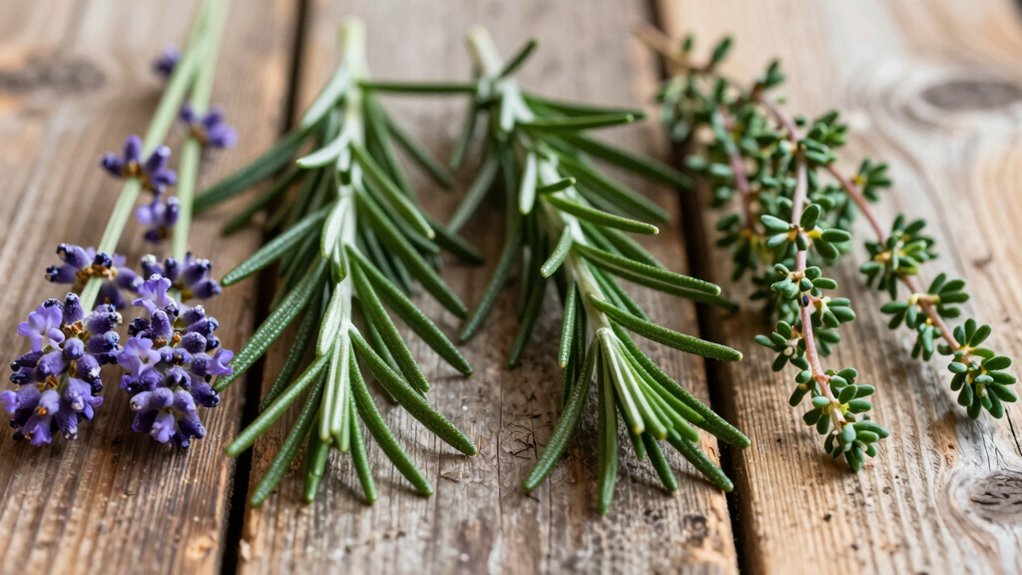
Herbs have been valued for centuries not just for their flavors and medicinal properties, but also for the symbolism and meanings they carry. You might notice how certain herbs are used in rituals, ceremonies, or even as gifts, often representing more than their practical uses. This is because herbs hold deep roots in cultural traditions, and their symbolism varies across different societies. The herb symbolism attached to plants like basil, rosemary, or sage reflects beliefs, hopes, and values that are passed down through generations. When you understand the cultural significance of herbs, you gain insight into how people have historically used these plants to communicate emotions or intentions, often without words.
Herbs symbolize beliefs, hopes, and emotions, reflecting cultural traditions passed down through generations.
The cultural significance of herbs extends beyond their physical properties. For centuries, herbs have been intertwined with spiritual practices, folklore, and social customs. For example, carrying a sprig of thyme might symbolize courage, while lavender could be associated with peace and healing. You might find that in some traditions, herbs are used to ward off evil, attract good luck, or honor ancestors. These practices highlight the powerful symbolism embedded in herbs, shaping how they are perceived and utilized in various contexts. Recognizing these meanings can deepen your appreciation for herbs, transforming them from simple plants into symbols rich with history and purpose. Additionally, understanding the symbolic language of herbs can enhance your ability to incorporate their significance into your personal rituals.
Herb symbolism often reflects universal themes—protection, love, purity, or wisdom—yet it also varies locally. In ancient Egypt, lotus herbs symbolized rebirth, while in European folklore, thyme was associated with bravery at war. When you learn about these cultural nuances, you realize that herbs serve as a language of their own, conveying messages and values that resonate within specific communities. Understanding the cultural symbolism behind herbs can also inspire more mindful and intentional ways of incorporating them into your daily life. This knowledge can deepen your connection to the plants and enrich your practices, whether in cooking, healing, or rituals. Additionally, exploring the historical context of herb symbolism can provide a richer understanding of how these meanings have evolved over time.
As an affiliate, we earn on qualifying purchases.
Frequently Asked Questions
How Do Cultural Differences Influence Herb Symbolism?
Cultural differences shape herb symbolism through unique folklore and beliefs. You’ll find that herb folklore varies widely, influencing how each culture interprets a herb’s meaning—like protection, love, or healing. These cultural symbols develop from history, traditions, and values, making herbs more than just plants. As you explore different cultures, you see how their distinct symbolism adds depth and significance to herb use, enriching your understanding of their spiritual and cultural importance.
Can Herbs Change Meanings Over Time or Regions?
Herb meanings are like a river, flowing and changing over time and across regions. You’ll find herb color symbolism and herbal folklore variations shaping their significance differently in each place. As cultures evolve, so do the stories and beliefs tied to herbs, making their meanings fluid rather than fixed. You might see a herb symbolizing love in one area and protection elsewhere, reflecting the rich tapestry of cultural influences.
Are There Specific Herbs Associated With Certain Emotions?
Yes, certain herbs are linked to specific emotions through herb emotional symbolism and plant sentiment associations. For example, lavender often represents calmness and peace, while rosemary can symbolize remembrance and loyalty. You might use these herbs to evoke or enhance particular feelings. By understanding these plant sentiment associations, you can incorporate herbs intentionally into your space or rituals to support your emotional well-being.
How Do Historical Events Shape Herb Symbolism?
Historical events carve deep roots into herb symbolism, like ancient rivers shaping valleys. You see this in herb mythologies, where plants become storytellers of past struggles, victories, and beliefs. Ancient plant symbolism reflects society’s values, fears, and hopes, transforming herbs into symbols that transcend their physical uses. These stories endure, weaving history into herbal lore, and giving each herb a voice that echoes through generations.
Do Personal Beliefs Affect Herb Meanings?
Yes, your personal belief influences how you interpret herbs. Individual herb interpretations are shaped by your cultural background, experiences, and spiritual views. These beliefs can add layers of meaning to herbs beyond their practical uses, making them more significant in rituals or symbolism. Your unique perspective influences how you connect with herbs, turning simple plants into symbols with personal significance and emotional resonance.
As an affiliate, we earn on qualifying purchases.
Conclusion
Just like a garden blooms with hidden stories, herbs carry meanings beyond their flavors and remedies. When you understand their symbolism, each sprig becomes a whisper of tradition and emotion, turning everyday moments into a tapestry of meaning. So, next time you pick an herb, remember you’re not just selecting a plant—you’re holding a tiny piece of history and hope. Embrace their stories, and let your garden grow with purpose and passion.
herb gift set for protection and love
As an affiliate, we earn on qualifying purchases.
As an affiliate, we earn on qualifying purchases.
cultural herbal remedies collection
As an affiliate, we earn on qualifying purchases.
As an affiliate, we earn on qualifying purchases.
Halloween Picks
halloween
As an affiliate, we earn on qualifying purchases.