
Herbs in fairy tales reveal a fascinating mix of magic, danger, and moral lessons. The sleeping poppy symbolizes gentle sleep and healing, while the poisoned apple warns of hidden risks behind beauty. Other plants, like mandrake roots, carry tales of mystical power and protection. These stories use herbs to embody virtues or dangers, reflecting how nature’s power influences legend. If you continue, you’ll discover more about the deeper symbolism behind these enchanted plants.

Get oils, diffusers and self-care delivered free with Prime
- Fast, free delivery on millions of items
- Prime Video, Amazon Music and more included
- Member-only deals all year
Key Takeaways
- Poppy in fairy tales symbolizes sleep, healing, and danger due to its natural sedative compounds like morphine and codeine.
- The poison apple represents temptation and hidden peril, symbolizing superficial beauty masking deadly consequences.
- Herbs such as mandrake and belladonna are depicted with mystical powers, embodying both healing and toxic properties in folklore.
- Fairy tales use plant symbolism to convey moral lessons about virtue, deception, and respecting nature’s dual capacity for harm and healing.
- Cultural folklore elevates certain herbs as magical, reflecting their real-world medicinal uses and mystical significance throughout history.
The Enchanting Sleep of the Poppy
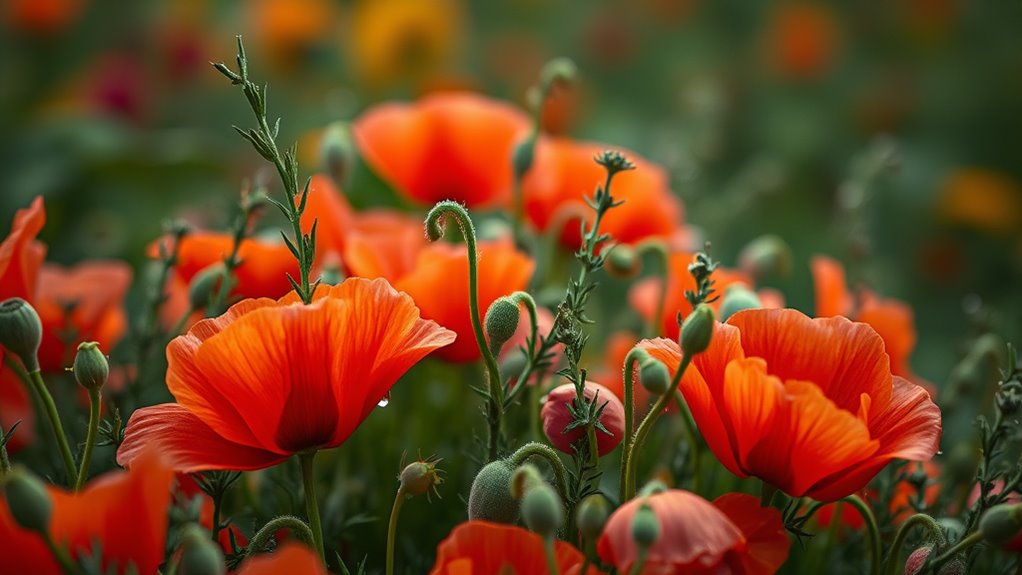
Many fairy tales depict the poppy as a magical herb that induces deep, restful sleep. When you encounter the poppy in stories, it’s often linked to a dreamy slumber that feels almost enchanted. The plant’s herbal sedation properties are legendary, helping characters drift into peaceful rest. Its vibrant red petals hide a powerful secret: they contain compounds that gently lull you into unconsciousness, making it a symbol of both rest and mystery. You might imagine plucking a poppy and feeling its calming influence wash over you, easing your mind and body. This association with soothing sleep makes the poppy a mesmerizing element in folklore—an herb that grants tranquility and relief, often blurring the line between dreams and reality. Additionally, the use of poppy derivatives in traditional medicine underscores its long-standing role in promoting sleep and relaxation, supported by its herbal sedative properties. Modern research further confirms that the active compounds in poppies have been utilized for their medicinal benefits, reinforcing its significance as a natural sleep aid. The chemical compounds found in poppies, such as morphine and codeine, have historically been used in medicine to relieve pain and induce sleep, highlighting its dual role in mythology and healing. The regulatory status of these compounds necessitates careful use, reflecting ongoing concerns about safety and dependence.
The Poisonous Allure of the Apple
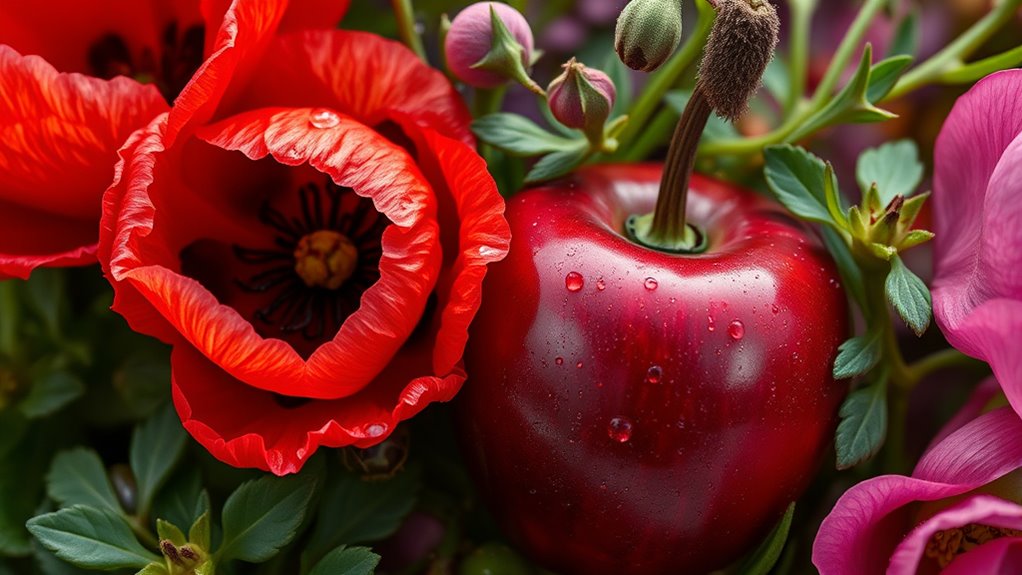
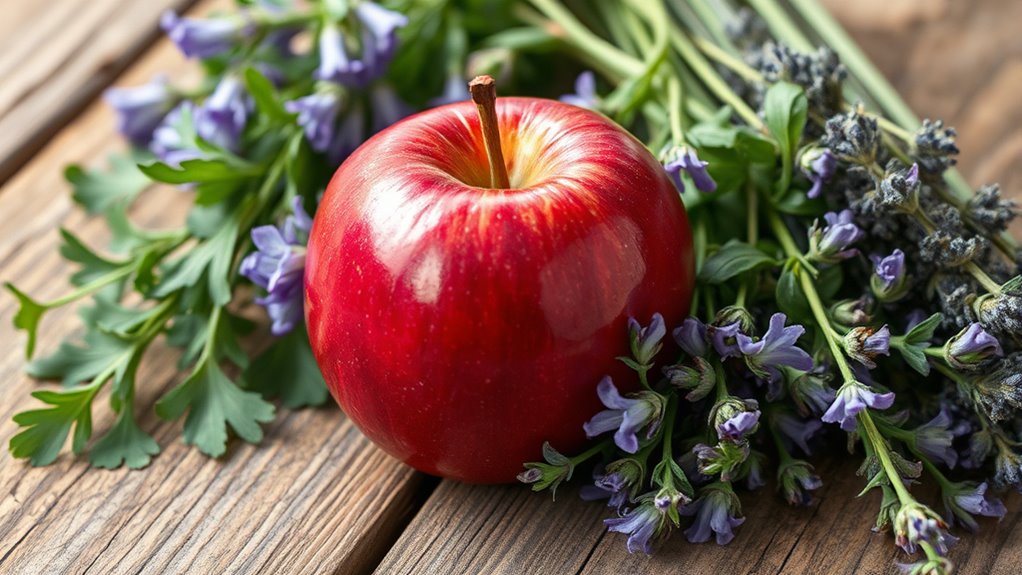
The poppy’s gentle sedative qualities contrast sharply with the apple’s dangerous charm. In fruit symbolism, apples often represent temptation, knowledge, and peril—embodying a botanical symbolism that warns of hidden dangers behind appealing appearances. The shiny, vibrant surface of the apple masks its deadly potential, echoing stories where sweetness conceals poison. This duality makes the apple a powerful symbol in fairy tales and myths, illustrating how beauty can be deceiving. Its allure draws you in, promising delight, yet hiding a lethal truth. The apple’s symbolic weight persists across cultures, reminding us that what seems tempting might hold unseen risks. You’re drawn to its glossy exterior, unaware of the peril that lies beneath, encapsulating the dangerous fascination that makes the apple such a compelling motif. Additionally, the symbolism of water in fairy tales often emphasizes cleansing or peril, further enriching the layered meaning behind these natural elements. The complex symbolism of fruits like apples encourages us to consider the hidden dangers that can lurk behind attractive appearances, much like the deceptive beauty of the apple in stories. For example, the glossy surface of the apple can be seen as a reflection of superficial appearances that hide deeper threats, a concept well-understood through symbolic fruit imagery. Moreover, understanding the psychological appeal of such symbols helps explain why these stories continue to resonate across generations. As technology advances, the exploration of botanical symbolism can also help us understand how natural motifs influence modern storytelling and perceptions.
Herbs as Symbols of Healing and Harm

Herbs have long served as powerful symbols in folklore and storytelling, representing both healing and harm depending on how they’re used. In medicinal folklore, herbs like chamomile and lavender symbolize comfort and health, offering natural remedies and soothing qualities. Conversely, toxic symbolism surrounds herbs such as belladonna and wolfsbane, which embody danger and death when misused. These plants highlight the delicate balance between healing and harm, reflecting society’s complex view of nature’s offerings. These dual meanings are often reinforced through folklore symbolism, which underscores the moral lessons about respecting nature’s power. In fairy tales, herbs often serve as dual symbols—sometimes as cures, sometimes as curses—emphasizing that the same plant can bring salvation or destruction. The regional flavors and traditions associated with these herbs deepen your appreciation for how folklore uses herbs to convey moral lessons and warns against reckless tampering with nature. Additionally, the cultural significance of herbs varies across regions, illustrating how different societies interpret their symbolic meanings and uses in storytelling. Recognizing the symbolic meanings of herbs can enhance our understanding of these stories’ moral and cultural messages. Moreover, understanding the herbal symbolism can shed light on historical practices and societal values reflected in folklore.
Magical Properties of Fairytale Botanicals
Have you ever wondered why certain plants in fairy tales are attributed with extraordinary powers? These botanicals often possess magical properties that go beyond their ordinary uses. In fairy tales, herbs like mandrake or belladonna are believed to hold mystical qualities, often linked to their medicinal uses or culinary applications. You might use these plants in healing potions or enchanted dishes, enhancing their magical aura. Their extraordinary qualities stem from their real-world properties, such as soothing remedies or flavor-enhancing ingredients, which myth and folklore elevate to supernatural levels. This blend of folklore and practical use creates a sense of wonder, making these plants seem alive with hidden magic. Understanding the cultural significance of these herbs can deepen your appreciation of their magical roles and traditional uses. Their powers captivate your imagination, blurring the line between reality and enchantment. Additionally, exploring herbal regulations and legislative changes surrounding certain herbs can deepen your appreciation of their cultural significance and safety in magical practices. Recognizing the health benefits of herbs that have been valued across cultures further enriches the mystical aura these plants possess within fairy tales. Moreover, the scientific properties of these herbs reveal insights into their traditional uses and mystical attributes.
The Role of Mandrake and Mandragora in Folklore

Why do mandrake and mandragora evoke such powerful images in folklore? Their roots resemble human figures, sparking both awe and fear, and fueling stories of magic and danger. In medicinal folklore, they were believed to possess potent healing powers, but also deadly toxicity. Their magical symbolism often links them to protection, love, and curses. The roots’ resemblance to human forms contributed to their association with subconscious power during sleep, which fueled legends of their mystical abilities. Their underground shape led to legends of screaming when uprooted, adding to their mystique. They were thought to ward off evil spirits and grant invisibility. Their use in spells and charms was associated with both healing and harm, cementing their place in mystical traditions.
Mandrake roots resemble human figures, inspiring legends of magic, danger, and powerful healing or deadly curses.
This folklore underscores their dual nature—medicinal yet dangerous, enchanted yet feared.
Witchcraft and Herbology in Fairy Tales

In fairy tales, witches harness the power of herbs to cast spells, brew potions, and perform rituals that shape their magical worlds. Their knowledge of herbal alchemy transforms simple plants into powerful tools, often found in enchanted gardens. These gardens are secret spaces where rare herbs grow, each with unique properties. You can imagine witches carefully selecting roots, leaves, and blossoms to craft charms or poisons. The table below highlights common herbs and their magical uses:
| Herb | Magical Property | Common Use |
|---|---|---|
| Belladonna | Poison, vision spells | Poisoned apples, seeing spells |
| Mandrake | Healing, protection | Amulets, curses |
| Wolfsbane | Protection from wolves | Protective charms |
| Mugwort | Divination, dreams | Dream pillows |
| Sage | Purification, cleansing | Cleansing rituals |
This herbal alchemy deepens the enchanting allure of fairy tales.
The Moral Lessons Embedded in Plant Uses
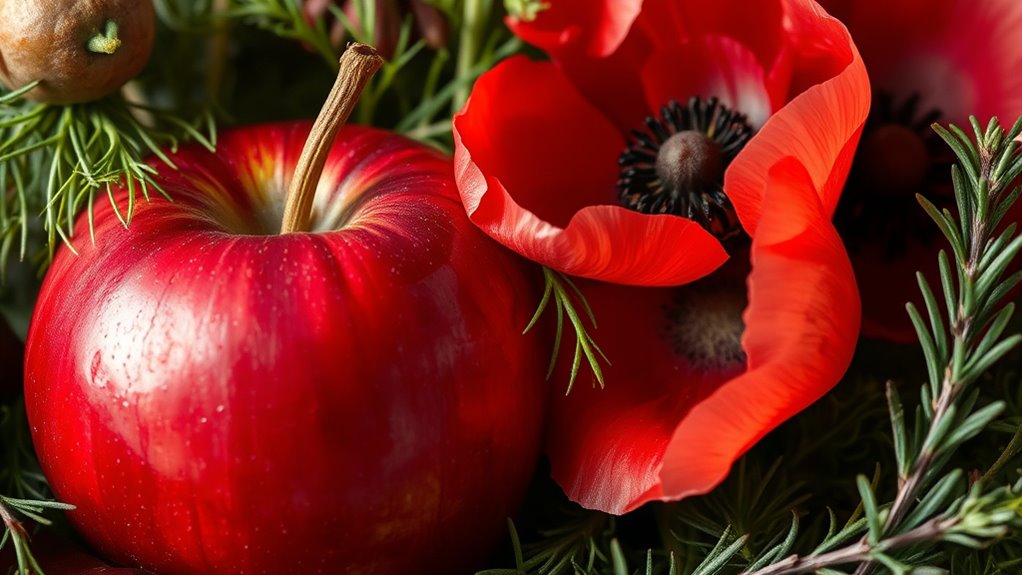
Plants in fairy tales often symbolize moral lessons, illustrating virtues such as bravery, honesty, and humility. You can see how medicinal symbolism reflects these lessons, showing how herbs teach us about healing and morality. Cultural allegories embed deeper meanings, connecting plant uses to societal values. For example:
Plants in stories symbolize virtues, morals, and cultural values, guiding us toward honesty, humility, and bravery through their symbolic meanings.
- The apple as a symbol of temptation and honesty, warning against deceit.
- The poppy representing sleep and sacrifice, teaching humility and self-awareness.
- The bitter herb illustrating honesty, reminding you that truth can be difficult but necessary.
Additionally, understanding the material symbolism of herbs in fairy tales can deepen your appreciation of their moral significance. Recognizing the regulatory aspects involved in herbal symbolism can help you better understand their cultural importance. These plant uses serve as moral compasses, guiding characters—and you—toward virtues through their symbolic and cultural significance. The moral lessons woven into plant symbolism help shape values that transcend generations.
The Transformation Powers of Mythical Herbs

Mythical herbs possess extraordinary powers that can transform both body and spirit, a theme that appears frequently in fairy tales and legends. These herbs often symbolize hope, renewal, or danger in folklore, emphasizing their transformative potential. Their medicinal uses are legendary, healing wounds or curing ailments, which mirrors their symbolic role as agents of change. For example, a herb associated with courage might grant strength to a hero, while another linked to wisdom could enhance insight. Such plants are more than just ingredients; they embody the idea of transformation—turning ordinary beings into heroes or villains into victims. Their folklore symbolism underscores the belief that these herbs hold the power to alter fate, making them central to many enchanting tales.
Herbs and Their Cultural Significance in Storytelling
Herbs often carry deep cultural meanings that shape storytelling across diverse societies. They embody herbal symbolism and medicinal folklore, revealing beliefs and values. For example:
- Lavender symbolizes purity and healing, often linked to protection rituals.
- Mandrake root carries mystical significance, associated with fertility and magical powers.
- Wormwood represents bitterness and transformation, frequently tied to curses or bitter endings.
These herbs serve as storytelling tools, conveying cultural views on health, morality, and spirituality. In many tales, the symbolic qualities of herbs reveal societal attitudes and fears. Medicinal folklore preserves generations of herbal knowledge, blending practical use with cultural symbolism. Your understanding of these herbs enriches the stories, offering insight into the beliefs and traditions that shape our collective imagination.
Modern Interpretations of Fairytale Plants

Today, modern interpretations of fairytale plants often blend ancient symbolism with contemporary values, giving old stories new relevance. You might see the Sleeping Poppy representing more than just slumber; it now embodies themes of healing and medicinal folklore, emphasizing nature’s power to restore health. Botanical symbolism remains central, but its meanings evolve to reflect current perspectives on sustainability and wellness. For example, the apple’s role in fairytales now highlights ideas of choice and temptation, while also nodding to herbal traditions that promote health. These reinterpretations connect past beliefs with present-day insights, allowing you to appreciate the layered significance of these plants. By understanding their medicinal folklore and botanical symbolism, you can see how fairytale plants continue to inspire and resonate in modern storytelling.
Frequently Asked Questions
How Do Different Cultures Interpret the Symbolism of Fairytale Herbs?
You see that different cultures interpret fairytale herbs through unique cultural symbolism and mythological associations. For example, in Western traditions, herbs like the poppy symbolize sleep and death, while in Eastern cultures, herbs like jasmine represent purity and spiritual awakening. These interpretations reflect each culture’s beliefs about nature’s power, life, and magic, influencing how fairytale herbs are viewed as symbols of transformation, protection, or danger.
Are There Real Herbs That Inspired the Mythical Plants in Fairy Tales?
Yes, many herbs in fairy tales have real counterparts inspired by their medicinal properties and mythological origins. For example, the poppy, used for its sedative effects, inspired the sleeping beauty motif, while belladonna’s toxic nature influenced the poison apple. These plants’ real uses and stories add depth to their mythical symbolism, making them fascinating links between nature’s healing powers and storytelling traditions.
How Have Fairytale Herbs Influenced Modern Herbal Medicine Practices?
Fairytale herbs have shaped modern herbal medicine by highlighting their medicinal uses and herbal symbolism. You’ll find that herbs like mandrake and belladonna, inspired by fairy tales, influence contemporary herbal remedies and treatments. These stories emphasize the herbs’ mystical qualities, inspiring herbalists to explore their therapeutic potential. As a result, fairytale symbolism continues to deepen your understanding of herbs, blending folklore with scientific healing practices for holistic wellness.
What Psychological Effects Do Fairytale Plants Have on Storytelling Audiences?
You’re likely to feel a strong emotional resonance when fairytale plants appear, as they tap into deep-rooted dream symbolism. These plants evoke vivid imagery and evoke subconscious feelings, making stories more memorable and impactful. Their symbolic meanings influence your perception, creating a sense of wonder or caution. This emotional connection heightens engagement, helping you connect with characters and themes on a psychological level, enriching the storytelling experience.
Can Modern Literature or Media Reinterpret These Herbs in New Symbolic Ways?
You can see modern literature and media reinterpreting these herbs through magical realism, blending reality with symbolism. They become powerful archetypes, representing temptation, healing, or danger in fresh ways. Suspense builds as authors challenge traditional meanings, revealing new layers beneath familiar stories. By doing so, they invite you to explore complex themes hidden within these symbolic herbs, transforming ancient symbols into contemporary metaphors that resonate deeply.
Conclusion
Just like the enchanted herbs in fairy tales, your own choices can hold both healing and harm. Think of the sleepy poppy or the tempting apple—they remind you that beauty and danger often intertwine. When you’re faced with tempting options, remember the stories. Will you choose the nourishing herb or the poisonous fruit? Your decisions, like those magical plants, shape your story—so choose wisely and embrace the magic within every choice.
Fall Picks
fall essentials
As an affiliate, we earn on qualifying purchases.