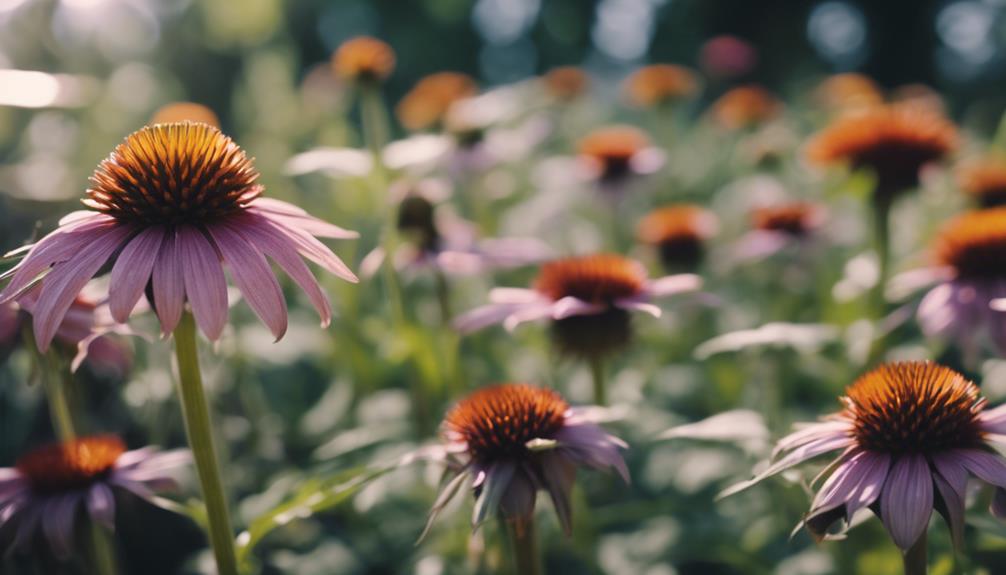
Starting an herbology journey involves mastering medicinal basics, growing herbs, taking online courses, joining communities, and seeking mentorship. Begin with herbalism fundamentals, progress to nurturing your garden with basil and thyme, explore reputable online resources like the Herbal Academy, engage in herb communities, and benefit from hands-on mentorship. Each avenue offers a unique opportunity to expand your knowledge and skills in the fascinating world of herbalism.

Get oils, diffusers and self-care delivered free with Prime
- Fast, free delivery on millions of items
- Prime Video, Amazon Music and more included
- Member-only deals all year
Key Takeaways
- Explore online herbal courses and workshops for foundational knowledge.
- Build an herb garden with basil, thyme, and mint for practical learning.
- Join herbalism communities to connect with enthusiasts and experts.
- Seek guidance from herbal mentors for personalized support and traditional wisdom.
- Attend local herb walks and workshops to gain hands-on experience.
Herbalism Basics for Beginners
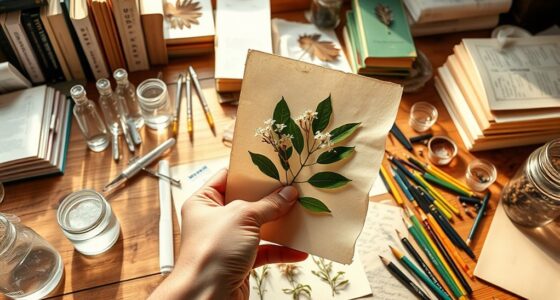
To start our journey into herbology, let's explore the foundational aspects of herbalism that are essential for beginners. Learning about medicinal herbs such as chamomile, lavender, and peppermint is a great place to start. Understanding the basic principles of herbal actions, including adaptogens, nervines, and demulcents, will provide a solid grounding in herbalism basics.
Herbal preparations play an important role in utilizing the power of herbs. Learning about teas, tinctures, salves, and infused oils will enable beginners to start incorporating herbs into their daily routines effectively.
Plant identification is another key skill to develop, along with harvesting ethics and sustainable wildcrafting practices to safeguard the preservation of herbal resources.
Experimenting with simple herbal recipes for common ailments like headaches, sleep issues, and digestive discomfort is a practical way to apply newfound knowledge. By starting with these foundational aspects of herbalism, beginners can lay a strong groundwork for their herbology journey.
Building Your Herb Garden
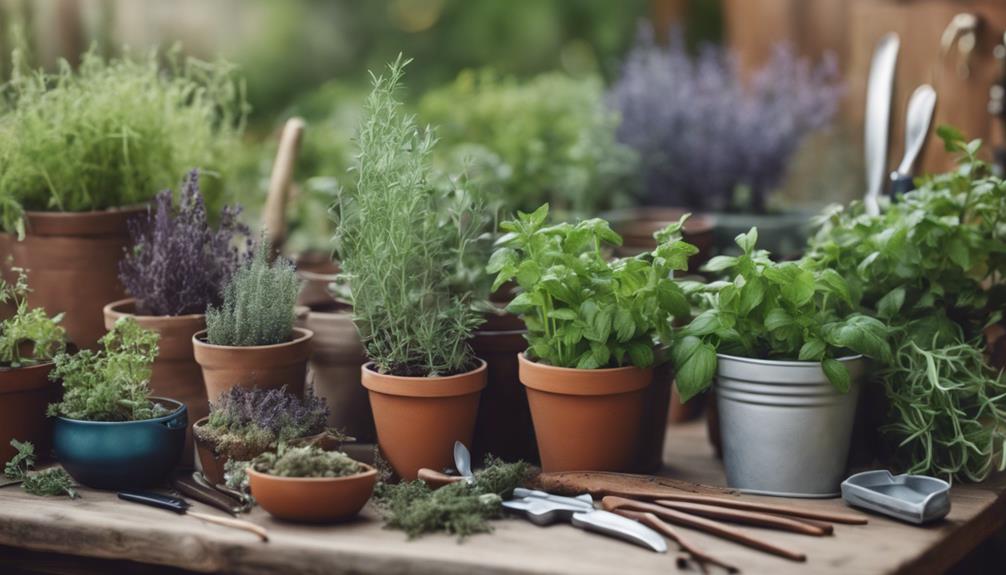
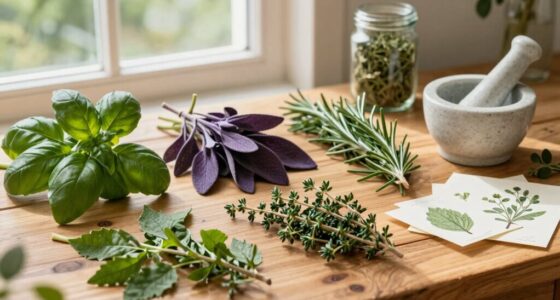
Let's begin by choosing a sunny location with well-drained soil for our herb garden. When building our herb garden, we should consider planting herbs like basil, thyme, and mint, which aren't only easy to grow but also commonly used in cooking.
To guarantee a healthy herb garden free from pesticides, it's advisable to use organic seeds or starter plants. Each herb has specific needs that we must research, including watering schedules, sunlight exposure, and spacing requirements. By understanding these requirements, we can provide the best environment for our herbs to thrive.
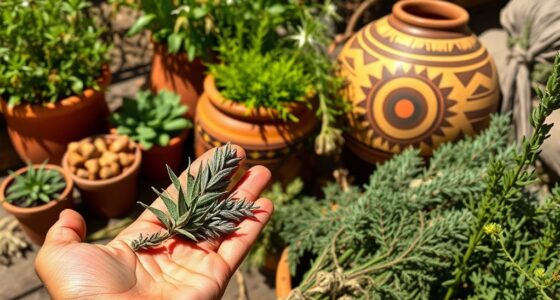
Regularly harvesting and utilizing our homegrown herbs is essential for deepening our knowledge of their properties and benefits. This hands-on experience won't only enhance our learning but also allow us to appreciate the rewards of cultivating our own herbs.
Online Herbal Courses and Workshops

We can explore a variety of online herbal courses and workshops to enhance our knowledge and skills in herbology. These platforms offer structured learning experiences, covering topics such as herbal medicine making, plant identification, and herbal formulation.
Two reputable online resources for herbal education are the Herbal Academy and the Chestnut School. These virtual courses provide the flexibility of learning from home while gaining practical skills through workshops. The Herbal Academy offers a range of online courses focusing on different aspects of herbology, from beginner levels to advanced topics.
On the other hand, the Chestnut School provides workshops for hands-on experience in herbal practices. Engaging in these online herbal courses allows individuals to establish a strong foundation in herbology and explore further into the world of plants and their medicinal uses.
Joining Herbalism Communities

Connect with herbalism communities through online platforms like Facebook or Reddit to engage with fellow enthusiasts and expand your knowledge in herbology.
Joining these online herbalism communities provides opportunities to connect with like-minded individuals, participate in discussions, ask questions, and share experiences.
Additionally, consider attending local herb walks, workshops, or events to network with experienced herbalists and deepen your understanding of herbalism.
Engaging in these activities fosters a sense of community within the herbalism sphere and allows for valuable interactions with seasoned practitioners.
Seek out mentorship opportunities within these herbalism communities to receive personalized guidance and support as you navigate your herbology journey.
Explore herbalism forums and online groups dedicated to specific interests like herbal crafting or plant identification to further enhance your learning experience.
Seeking Guidance From Herbal Mentors

Seeking guidance from herbal mentors allows individuals to gain personalized support and expertise in the field of herbology. Herbal mentors not only impart traditional wisdom and practical skills but also offer insights into the intricate world of herbalism. Learning under the tutelage of herbal mentors provides a hands-on approach that fosters practical knowledge and a deeper understanding of herbs and their uses.
Engaging with herbal mentors can greatly enhance one's confidence in herbology by offering mentorship programs, apprenticeships, and various opportunities for growth. These mentorship programs enable individuals to learn directly from experienced practitioners, honing their skills and expanding their knowledge base.
Frequently Asked Questions
How Do I Start Studying Herbology?
We begin by researching reputable herbology books and resources for foundational knowledge. Enrolling in online courses or workshops helps understand herbology principles. Connecting with experienced herbologists for guidance and hands-on learning enriches our journey.
What Are the 5 Classes of Herbs?
The five classes of herbs are tonic, alternative, stimulant, relaxant, and sedative. Tonic herbs boost health, alternative aid detox, stimulants increase energy, while relaxants and sedatives induce calmness and sleep. Herbology offers diverse benefits for us to explore!
What Are the First Steps to Becoming an Herbalist?
We start by researching reputable herbal resources and organizations for guidance. Exploring introductory books like 'Rosemary Gladstar's Medicinal Herbs' kickstarts our learning journey. Starting as a home herbalist before progressing guarantees a gradual learning curve.
How to Start Herbalism Journey?
To start our herbalism journey, we carefully select 12 safe herbs to explore over a year. Beginning with familiar ones, we gradually introduce new ones. We purchase small amounts of organic starter herbs for experimentation.
Conclusion
To sum up, learning herbology can be a fulfilling journey filled with endless possibilities for growth and knowledge. By exploring the basics of herbalism, cultivating your own herb garden, enrolling in online courses, connecting with herbal communities, and seeking guidance from experienced mentors, you can truly immerse yourself in the world of plants and their healing properties.
So go forth and embrace the green world of herbs with open arms, like a flourishing garden in full bloom.
Halloween Picks
halloween
As an affiliate, we earn on qualifying purchases.