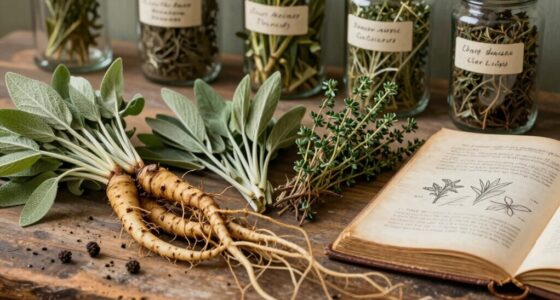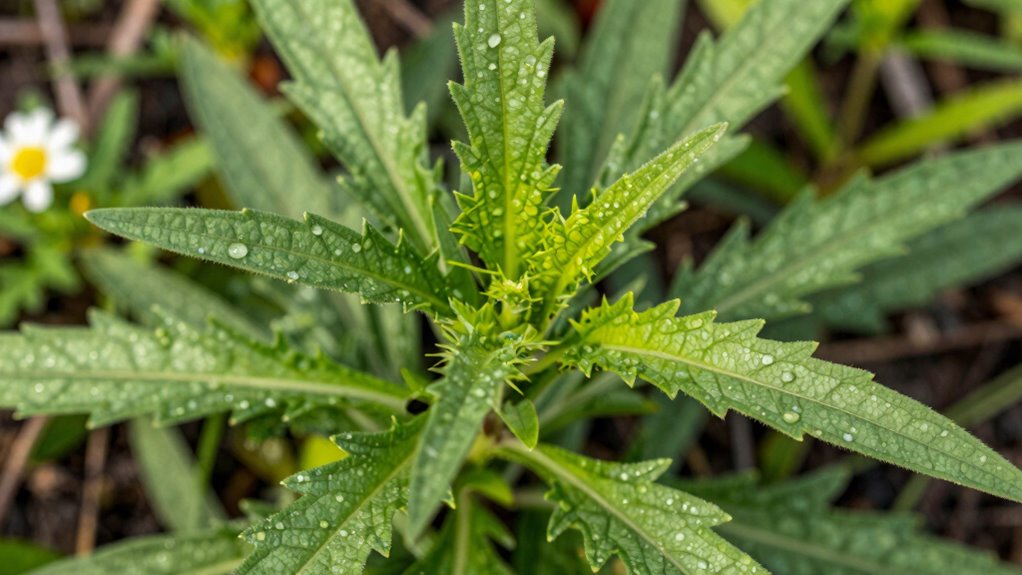

Throughout North America, indigenous peoples have relied on plants like echinacea, sage, and yarrow for centuries to treat various ailments. These plants serve both medicinal and cultural roles, with methods like teas, poultices, and infusions rooted in deep traditional knowledge. Each tribe and region has unique herbal practices that reflect their connection to the land. Exploring these healing traditions reveals a rich heritage that continues to influence modern herbal use—discover more about these ancient remedies below.
Open a free Amazon Business account
Business pricing, bulk buying and tax-exempt orders.
As an affiliate, we earn on qualifying purchases.
Key Takeaways
- Indigenous peoples have used plants like echinacea, sage, and yarrow for centuries for medicinal and cultural purposes.
- Traditional remedies include teas, poultices, and infusions to treat ailments and promote healing.
- Regional differences influence herbal practices, reflecting diverse ecosystems and cultural traditions across North America.
- Knowledge of healing plants is passed down through generations, maintaining a deep connection to land and natural resources.
- Modern herbal medicine often incorporates indigenous plant uses, emphasizing sustainability and cultural preservation.
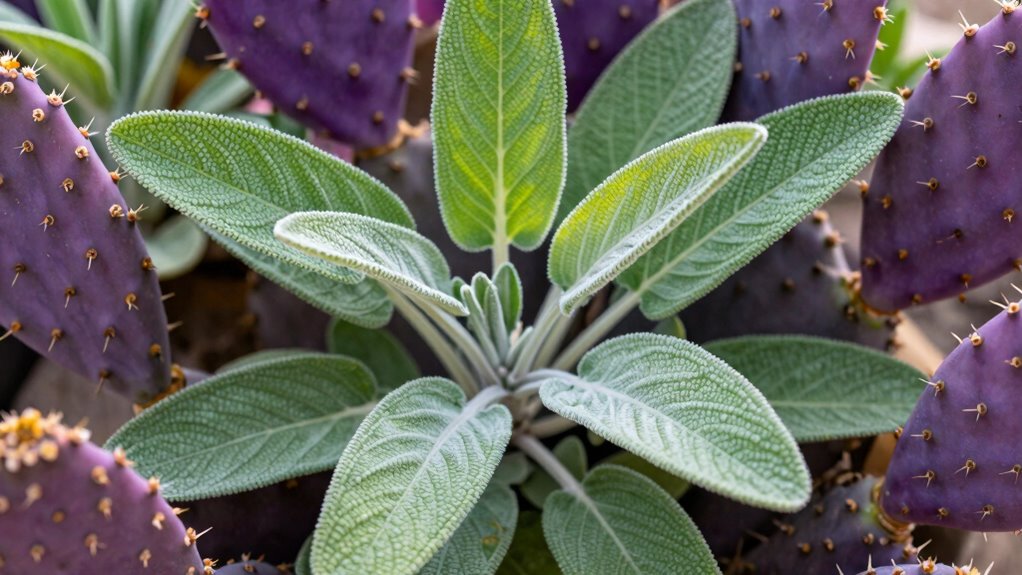
Throughout North America, indigenous peoples have relied on a diverse array of plants for centuries, harnessing their healing properties to treat common ailments and promote overall wellness. These medicinal plant traditions form an essential part of their cultural heritage, passed down through generations of indigenous herbal remedies. As you explore this rich history, you’ll discover how plants like echinacea, sage, and yarrow have played key roles in natural healing practices long before modern medicine emerged.
In traditional herbal medicine, each plant serves a specific purpose based on its healing qualities. For example, echinacea is renowned for its immune-boosting properties, often used to ward off colds and infections. Sage, with its aromatic leaves, has been used not only for culinary purposes but also as a remedy for sore throats and respiratory issues. Yarrow, with its ability to staunch bleeding and reduce inflammation, was a common remedy for cuts and bruises. These remedies demonstrate how indigenous herbal remedies are rooted in a deep understanding of local flora and their medicinal effects.
Your journey into these indigenous herbal remedies reveals a profound connection between people and nature. Each plant is more than just a resource; it’s a gift from the land, often used in holistic healing practices. You’d learn that traditional healers, or medicine people, carefully harvest and prepare these plants using methods that preserve their potency. Whether brewing teas, creating poultices, or making infusions, they maximize the healing potential while respecting the natural balance. This cultural heritage emphasizes respect for the land and the sustainable harvesting of medicinal plants.
Medicinal plant traditions vary among different tribes and regions, reflecting the diverse ecosystems across North America. For instance, Native tribes in the Great Plains may prioritize different plants than those in the Pacific Northwest. Yet, the core principles of respecting nature, using plants ethically, and aiming for holistic health remain consistent across indigenous cultures. You’ll find that many of these herbal remedies are still used today, either in traditional practices or integrated into modern herbal medicine. Recognizing the importance of indigenous herbal knowledge helps preserve these time-honored healing practices for future generations.

Nature's Bounty Echinacea 400mg, 100 Capsules
- Supports immune health: Promotes healthy immune function
- Enhances natural defenses: Supports the body's natural defense system
- Year-round use: Suitable for use any time of year
As an affiliate, we earn on qualifying purchases.
As an affiliate, we earn on qualifying purchases.
Frequently Asked Questions
Are These Plants Safe for Modern Medicinal Use?
These plants can be safe for modern medicinal use if you rely on traditional knowledge and consult with healthcare professionals. While their cultural significance highlights their historical importance, it’s essential to recognize that not all plants are universally safe or effective today. You should always verify safety, proper dosage, and potential interactions before using these plants medicinally. Respecting traditional wisdom helps guide safe, informed use in modern contexts.
How Are Traditional Preparations Different From Contemporary Medicine?
Traditional preparations weave cultural significance into every leaf and bark, like ancient songs passed through generations. Unlike contemporary medicine, which often distills plants into precise compounds, these methods embrace a holistic approach—boiling, pounding, or infusing—preserving the plant’s spirit. You feel the land’s heartbeat in each remedy, connecting you to ancestors’ wisdom, making healing a ritual rooted in tradition rather than just chemical formulations.
Have Scientific Studies Validated Their Healing Properties?
Scientific studies have validated some traditional knowledge, confirming certain plants’ healing properties. You’ll find research supporting their use for issues like inflammation and infections, reflecting their cultural significance in North American healing practices. However, not all traditional remedies have been scientifically proven, so it’s essential to approach them with caution. You should consult healthcare professionals and consider both scientific findings and cultural context when exploring these plant-based therapies.
Are There Any Legal Restrictions on Harvesting These Plants?
Yes, there are legal restrictions on harvesting these plants. You need to be aware of legal regulations that vary by region, as some plants are protected or endangered. Before harvesting, you might require specific harvesting permits to guarantee you’re complying with local laws. Ignoring these rules can lead to legal consequences and harm the plants’ populations. Always check with local authorities or conservation agencies before collecting wild plants.
How Can I Identify These Plants Accurately in the Wild?
To identify these wild plants accurately, you should focus on traditional plant markings like leaf shape, flower structure, and bark texture, which are key in wild plant identification. Pay close attention to specific features unique to each plant, such as color patterns or scent. Always cross-reference with reputable guides or consult experienced foragers to avoid mistakes. Proper identification guarantees safe harvesting and preserves these valuable healing plants.

Traditional Medicinals Organic Throat Coat Seasonal Tea, 16 Tea Bags (Pack of 1)
- Supports Throat Health: Helps soothe sore throats
- Certified Organic & Non-GMO: All ingredients are organic and verified
- Kosher & Caffeine Free: Suitable for various dietary needs
As an affiliate, we earn on qualifying purchases.
As an affiliate, we earn on qualifying purchases.
Conclusion
As you explore North America’s rich plant history, you realize these healing herbs are like ancient scrolls, whispering secrets from a time before smartphones. Their timeless wisdom reminds us that nature’s remedies have always been here, waiting for us to rediscover. So, next time you stumble upon a wildflower or a humble herb, remember—you’re holding a piece of history, a natural pharmacy that’s stood the test of time, much like a treasured vintage vinyl.

Bacitracin Antibiotic Ointment with Zinc USP – 1 oz Topical Antibiotic First Aid Ointment – Helps Prevent Infection in Minor Cuts, Scrapes, and Burns
- Product Type: Bacitracin Antibiotic Ointment with Zinc
- Use Case: Prevents infection in minor cuts
- Suitable For: Children and adults
As an affiliate, we earn on qualifying purchases.
As an affiliate, we earn on qualifying purchases.
Native American Herbalism For Beginners of Natural Remedies: A 7 Simple Chapter Herbal Medicine Book With 100 Native American Herbs
As an affiliate, we earn on qualifying purchases.
As an affiliate, we earn on qualifying purchases.
Pool season Picks
robotic pool cleaners
As an affiliate, we earn on qualifying purchases.