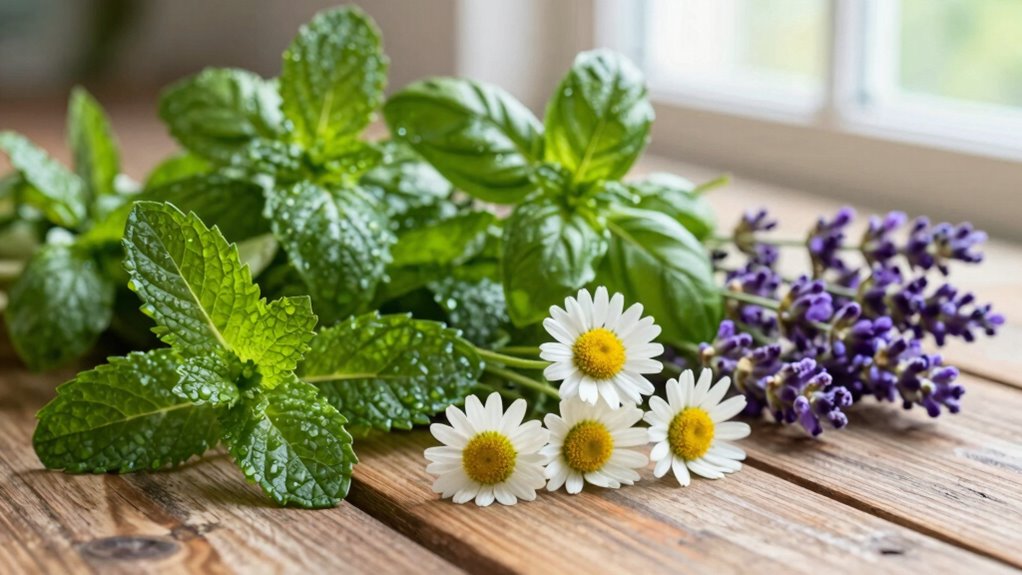

You rely on plants like chamomile, peppermint, echinacea, aloe vera, and lavender, which have built traditional home remedies for centuries. These plants are naturally powerful, used for soothing teas, skin healing, and calming rituals. They connect us to ancient knowledge and natural healing methods that still flourish today. By exploring more, you’ll uncover how these plants continue to influence wellness practices and promote sustainable, holistic health solutions rooted in nature’s gifts.

Get oils, diffusers and self-care delivered free with Prime
- Fast, free delivery on millions of items
- Prime Video, Amazon Music and more included
- Member-only deals all year
Key Takeaways
- Many traditional remedies are derived from common plants like chamomile, peppermint, aloe vera, echinacea, and lavender.
- These plants have been used for centuries to treat ailments such as inflammation, digestive issues, and skin injuries.
- Herbal medicine integrates traditional knowledge with modern practices, emphasizing sustainable cultivation of medicinal plants.
- Simple preparations like teas, ointments, and topical applications utilize these plants for natural healing.
- The use of these plants reflects a holistic approach to health rooted in centuries of cultural and natural wisdom.
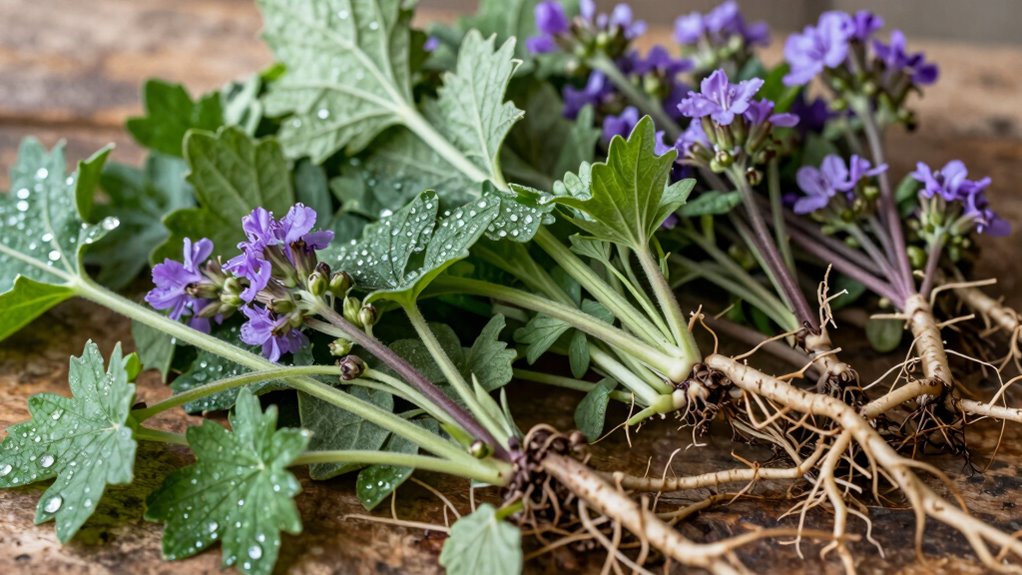
Throughout history, humans have relied on plants to develop traditional home remedies that address various ailments. These natural solutions form the foundation of herbal medicine, a practice rooted in the idea of harnessing nature’s healing power. You might be surprised to learn how many common remedies come from simple plants that have been used for generations. Whether it’s a soothing tea for a sore throat or an ointment for skin irritations, these remedies demonstrate the effectiveness of natural healing methods that don’t require synthetic chemicals.
Plants have long been the foundation of natural remedies used across generations for healing and wellness.
You probably recognize the calming effects of chamomile, which has been used for centuries to ease anxiety and promote restful sleep. Its gentle, anti-inflammatory properties make it a staple in herbal medicine, especially in traditional households. Similarly, peppermint leaves have long been valued for their ability to soothe digestive issues. You can easily prepare a peppermint infusion to relieve indigestion or nausea, showcasing how plants directly contribute to your well-being. These plants are more than just ingredients; they’re tools for natural healing, connecting you to centuries of traditional knowledge. Understanding herbal medicine can help you appreciate the depth of this natural healing tradition.
Echinacea, another key plant in herbal medicine, is often used to boost the immune system and fight off colds. When you use echinacea extract or tea, you tap into a natural remedy that’s been trusted for generations. Its immune-boosting qualities highlight how plants can serve as preventative medicine, reducing your reliance on pharmaceutical options. Additionally, many of these plants are cultivated sustainably, emphasizing the importance of biodiversity in maintaining a resilient ecosystem. Recognizing the significance of medicinal plants underscores the vital role that plants have played in human health for centuries. Similarly, aloe vera has been treasured for its skin-healing properties. Applying fresh aloe gel directly to burns or cuts provides immediate relief, illustrating how a simple plant can be a powerful ally in first aid and natural healing.
Lavender, with its fragrant aroma, isn’t just pleasing to the senses—it’s also used in herbal medicine to reduce stress and promote relaxation. When you incorporate lavender into your routine, you’re engaging in a form of natural healing that supports emotional well-being. Interestingly, the study of angel numbers often emphasizes guidance and harmony, which can be complemented by incorporating calming plants like lavender into your environment. These plants are accessible and versatile, offering a holistic approach that aligns with traditional practices and modern herbal medicine. By understanding and utilizing these plants, you’re embracing a time-tested method of caring for your health that values the healing properties of nature.
In essence, the plants that built traditional home remedies continue to be relevant today. They embody the principles of herbal medicine and natural healing, reminding you of the simple yet effective solutions rooted in the natural world. Whether you’re making teas, topical applications, or inhalations, these plants connect you to a rich history of health and wellness that’s accessible and sustainable.
Products Worth Considering

Therabody Theragun Relief Massage Gun, 3-Speed, Black

Theragun Mini 3rd Generation Massage Gun – Travel Essential (Black)

Garmin Forerunner 55 GPS Running Smartwatch, Black
As an affiliate, we earn on qualifying purchases.
Frequently Asked Questions
How Are These Plants Cultivated for Medicinal Use?
You cultivate medicinal plants using specific cultivation techniques like proper soil preparation, controlled watering, and adequate sunlight to guarantee healthy growth. You also practice sustainable harvesting by carefully collecting leaves, roots, or stems without damaging the plant, allowing it to regenerate. This approach maintains the plant populations and preserves their medicinal qualities, ensuring a continuous supply for traditional remedies while protecting the environment.
Are There Any Side Effects From Using These Plants?
You might think these plants are completely safe, but beware! There can be potential allergic reactions, causing anything from mild rashes to serious issues. Long-term safety concerns also exist, as some plants may accumulate toxins or lead to dependency if overused. Always consult a healthcare professional before using them regularly. Even natural remedies can have side effects, so stay cautious and informed to protect your health.
How Do Traditional Remedies Compare to Modern Medicine?
Traditional remedies often emphasize herbal potency and cultural significance, making them meaningful in many communities. While they can be effective for minor ailments, they usually lack the rigorous testing modern medicine undergoes, meaning their efficacy and safety vary. Modern medicine offers scientifically validated treatments with clear dosages, but traditional remedies provide cultural comfort and holistic approaches. You should consider both, understanding their differences and limitations, before choosing the best option.
Can These Plants Be Used for Cooking as Well?
Yes, many of these plants can be used for cooking, adding herbal flavorings that enhance your dishes. Their culinary versatility allows you to incorporate them into soups, stews, teas, and salads, providing both flavor and potential health benefits. Just make sure you identify the plants correctly and use appropriate quantities. Experimenting with these herbs can bring a unique, natural taste to your cooking while honoring traditional uses.
Are These Plants Available Worldwide or Region-Specific?
Many of these plants have a global distribution, but their availability varies due to regional variations. You might find some plants widespread across different continents, while others are region-specific, thriving only in certain climates or areas. To access them consistently, check local markets or botanical sources. Understanding regional variations helps you identify which plants are accessible in your area and which might require special sourcing or cultivation efforts.
Conclusion
Think of these plants as ancient artisans, each crafting the healing tapestry of traditional remedies with care and precision. Just as skilled weavers create intricate patterns, nature’s botanicals weave wellness into our lives, passing down secrets through generations. By embracing these green artisans, you’re not just choosing remedies—you’re continuing a timeless tradition, a living legacy rooted in the earth’s quiet wisdom. Let these plants be your guiding architects of health, forever building bridges between nature and healing.