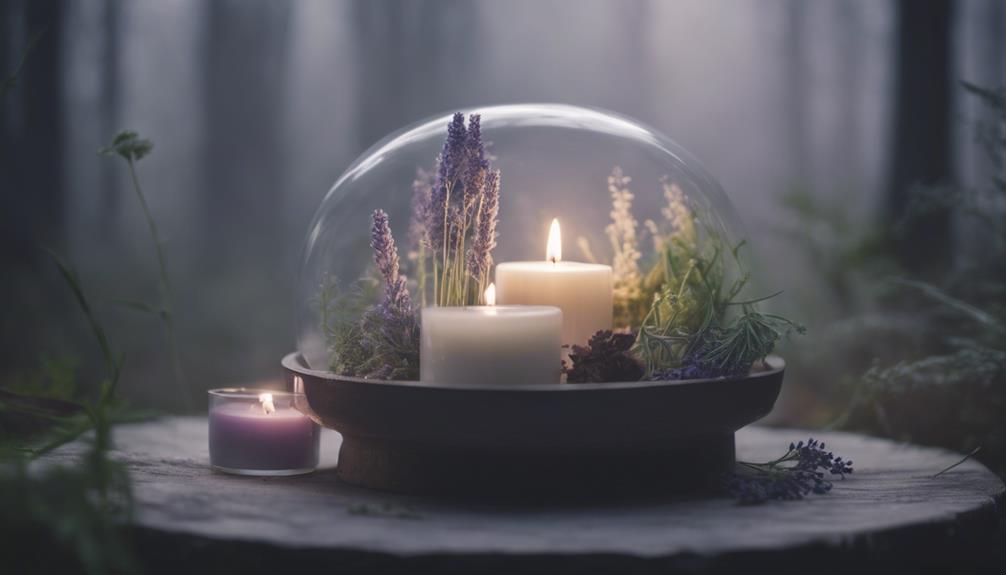

Herbal remedies are rooted in cultural traditions and scientific research, offering real health benefits like calming lavender or ginger for nausea, but stories often portray them as magical cures with powers of instant healing or immortality. While traditional methods focus on extracting natural compounds, fantasy depicts enchanted potions and mystical effects that don’t exist in reality. If you’re curious about how these worlds intersect and what’s fact or fiction, explore further to discover more.
Key Takeaways
- Real herbal remedies are based on scientifically validated active compounds, whereas fantasy counterparts often claim supernatural or instant effects.
- Traditional preparation methods involve natural extraction techniques, while fantasy versions may include magical rituals or enchanted processes.
- Scientific studies confirm genuine health benefits for herbs like chamomile and ginger, unlike their fictional counterparts promising immortality or instant healing.
- Fantasy herbal remedies often feature mystical symbols and rituals, contrasting with real remedies rooted in cultural practices and empirical evidence.
- The safety and efficacy of real herbs depend on proper dosing and quality control, unlike fictional remedies that lack scientific basis and safety considerations.
Historical Roots and Cultural Significance of Herbal Remedies
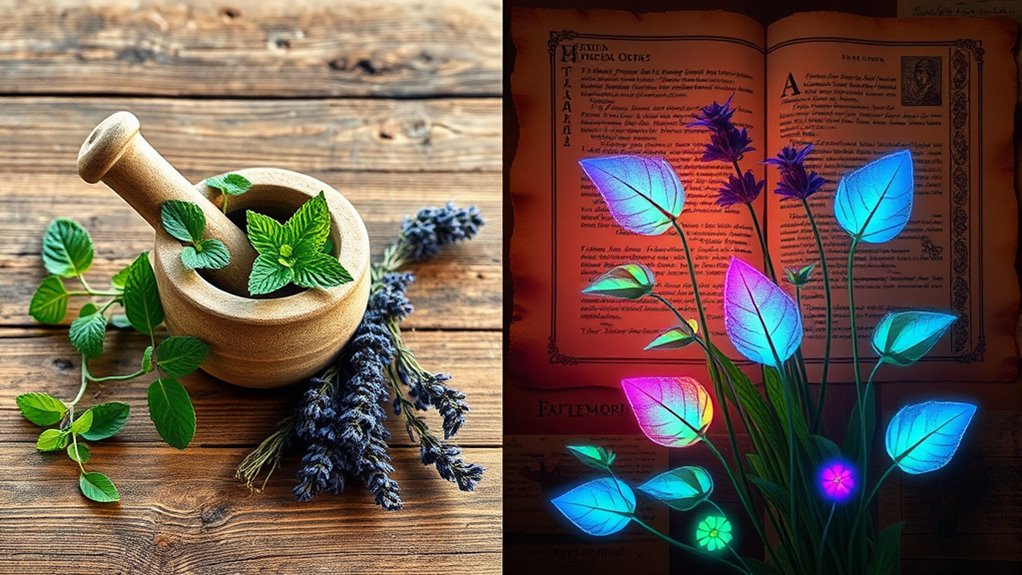
Herbal remedies have been an integral part of human healing practices for thousands of years, reflecting the deep connection between nature and health across various cultures. Throughout history, medicinal folklore has shaped how communities understand and use plants for healing, passing knowledge through generations. Herbal symbolism often reveals cultural beliefs about a plant’s powers, such as using lavender for calming or sage for purification. These traditions give herbal remedies a spiritual significance beyond their physical benefits. You can see how different civilizations, from Ancient Egypt to China, imbued plants with meaning that extended into rituals and rituals. This cultural heritage highlights the importance of plants in shaping health practices and underscores their role in human history. Additionally, the cultural significance of herbal remedies has helped preserve traditional knowledge even as modern science continues to validate many practices and integrate them into contemporary medicine. The enduring historical roots of herbal medicine demonstrate its importance in both spiritual and practical healing across time periods. Moreover, the integration of herbal medicine into modern healthcare systems reflects an ongoing respect for traditional healing methods rooted in these long-standing cultural beliefs. Understanding the cultural intelligence involved in traditional medicine can enhance cross-cultural appreciation and collaboration in healthcare practices.
Scientific Foundations Versus Mythical Powers
While ancient cultures often attributed mystical powers to certain plants, modern science seeks to understand their true effects through rigorous research. Medicinal folklore and herbal symbolism shaped beliefs about herbs’ powers, but scientific studies now reveal their real benefits. To illustrate, consider this comparison:
| Traditional View | Scientific Evidence | Reality |
|---|---|---|
| Healing through magic | Active compounds in herbs | Proven pharmacological effects |
| Herbal symbolism | Chemical analysis | Specific bioactive ingredients |
| Mystical powers | Controlled experiments | Measurable health benefits |
This table highlights how science separates myth from fact, grounding herbal remedies in evidence-based medicine. Additionally, pharmacological effects are now understood through detailed chemical analysis, which helps distinguish true medicinal properties from cultural beliefs. Recognizing the chemical composition of herbs allows researchers to develop more effective and targeted therapies, moving beyond traditional symbolism to scientifically validated treatments. Moreover, advancements in analytical techniques enable precise identification of active compounds, further strengthening the scientific foundation of herbal medicine. Furthermore, ongoing research continues to uncover bioactive compounds that contribute to these effects, providing a clearer understanding of how herbs can be safely and effectively used in modern medicine. For example, clinical trials now test herbal formulations for safety and efficacy, bridging traditional knowledge with contemporary science.
Common Herbs and Their Real-World Benefits
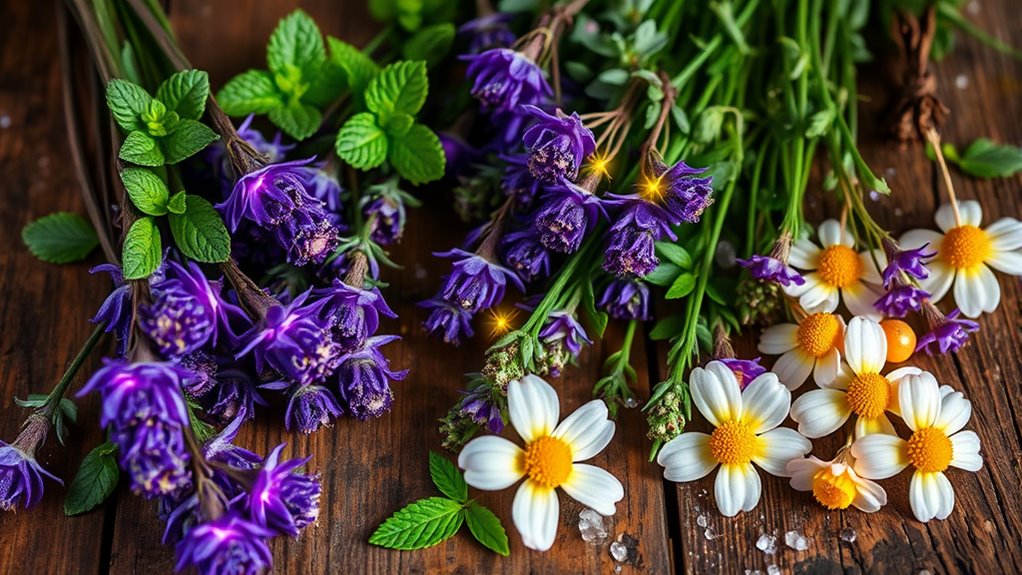
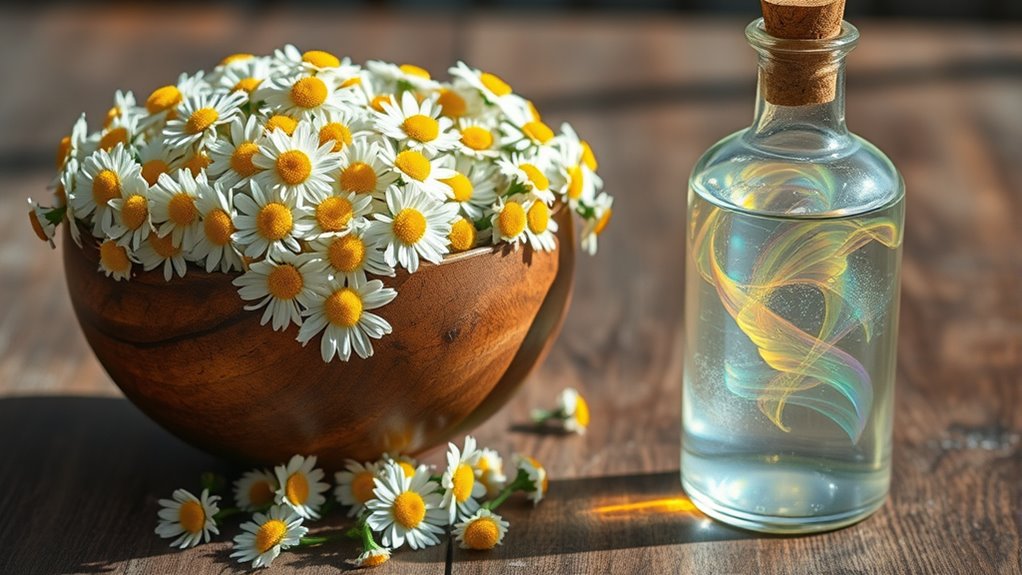
Many common herbs have proven health benefits supported by scientific research. Unlike medicinal myths, these herbs are backed by studies showing their real effects. For example, chamomile can help reduce anxiety and improve sleep, while ginger is effective against nausea and inflammation. You might recognize herbal symbolism in plants like lavender, which is often associated with calmness and relaxation. These associations aren’t just cultural; they reflect the herbs’ genuine properties. When used correctly, these herbs can complement your health routine without relying on fanciful tales. Understanding the scientific evidence behind herbal remedies helps distinguish genuine herbal remedies from their myth-based counterparts. This practical knowledge helps you make informed choices instead of believing in exaggerated or fictional powers. Recognizing the biological mechanisms of how herbs work further enhances your ability to use them safely and effectively. Additionally, standardized extracts ensure consistent potency and safety when incorporating herbs into your health practices. Gaining insights into herbal medicinal properties can improve their application and maximize benefits. Moreover, learning about their active compounds allows for more targeted and effective use of these natural remedies.
Imaginary Potions and Their Fictional Properties

Stories of magical potions and enchanted elixirs often capture our imagination, but these fictional concoctions have no basis in real science. Magical elixirs are a staple of myth and fantasy, often described as possessing extraordinary powers. While they seem alluring, they lack evidence and fall into the domain of mythical cures. Consider these fictional properties: 1. Healing instantly – making wounds vanish in seconds. 2. Granting immortality – extending life beyond natural limits. 3. Transforming matter – turning lead into gold or other materials. Although these mythical cures fuel stories and legends, they’re purely imaginative. You won’t find scientific validation for such properties in real herbal remedies, but they continue to inspire tales of wonder and magic. In reality, herbal remedies are used to alleviate symptoms or support overall health, but they do not possess superhuman healing abilities or drastic transformations, nor do they provide the fantasy-like powers often depicted in stories. Additionally, scientific validation confirms that herbal remedies work within the limits of natural chemistry and biology, not supernatural forces. Understanding the limits of herbal medicine helps distinguish fact from fiction in these narratives.
Preparation Methods: Traditional vs. Fantastical Approaches

You might notice that traditional extraction methods involve careful processes like boiling and pressing, which have been used for centuries. In contrast, enchanted infusion practices add a mystical layer, using spells or rituals to enhance the remedy’s power. Exploring these approaches reveals how different techniques shape the effectiveness of herbal preparations. Additionally, tracking methods such as apps or journals can help users monitor their progress and ensure proper adherence to their chosen regimen. Incorporating sound design techniques like ambient sounds or focused audio cues during preparation or rituals can also influence the overall efficacy by creating a focused and calming environment.
Traditional Extraction Techniques
Have you ever wondered how traditional herbal extracts are prepared? These methods rely on age-old techniques rooted in cultural rituals involving medicinal plants. You typically start with harvesting the plants at peak potency. Then, you can follow these common steps:
- Maceration: Soaking chopped herbs in alcohol or water to extract active compounds.
- Infusion: Steeping herbs in hot water, much like making tea, to draw out flavors and medicinal properties.
- Decoction: Boiling tougher plant parts like roots and bark to release their active ingredients.
These processes emphasize respect for tradition, often performed with ceremonial reverence, ensuring the integrity of the medicinal plants while honoring cultural rituals.
Enchanted Infusion Practices
Building on traditional herbal extraction methods, enchanted infusion practices introduce a blend of ancient rituals and mystical elements that elevate the simple process of steeping herbs. Instead of relying solely on medicinal folklore, you incorporate herbal symbolism, infusing the potion with intention and spiritual energy. These practices often involve chanting, using enchanted vessels, or visualizing specific outcomes, transforming a basic infusion into a ritual that aligns with mystical beliefs. You may believe that certain herbs hold sacred properties or that specific rituals activate hidden energies. This approach emphasizes not just the medicinal qualities of herbs but also their symbolic power, creating a deeper connection between mind, spirit, and herb. Enchanted infusions turn a mundane task into a ritual of healing, intention, and mystical harmony.
Safety, Efficacy, and Risks in Herbal Medicine
While herbal remedies are often seen as natural and safe alternatives to conventional medicine, they can pose significant risks if not used properly. You should be aware that their effectiveness may sometimes stem from placebo effects or cultural narratives rather than actual pharmacological action. Misuse or incorrect dosing can lead to adverse reactions or interactions with medications. To understand their safety and efficacy, consider:
- The lack of standardization and quality control across herbal products.
- The influence of cultural narratives shaping expectations and perceived benefits.
- The potential for unrecognized side effects or toxicity, especially with long-term use.
Cultural Depictions of Healing in Literature and Media
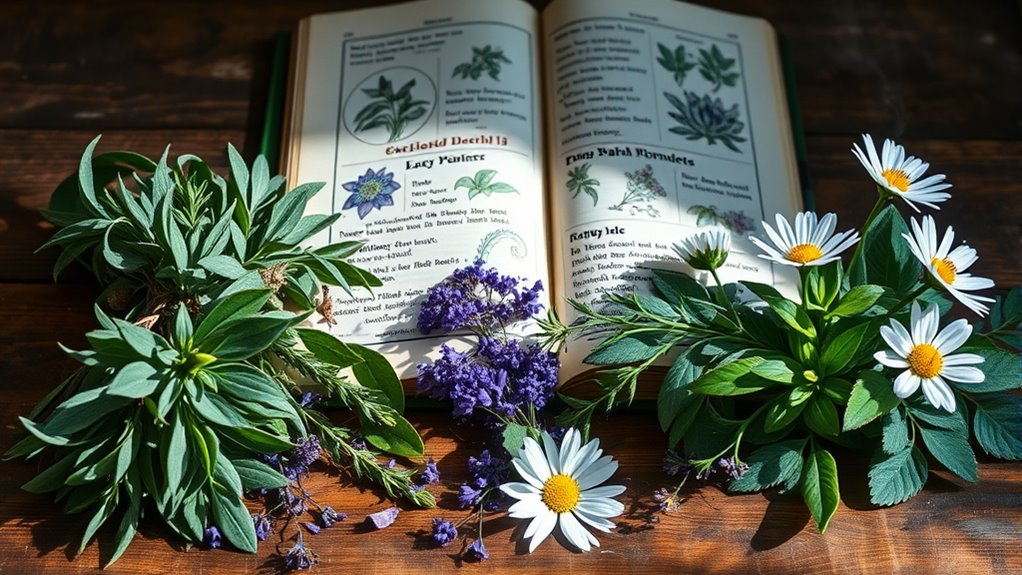
Herbal remedies often carry more than just physical effects; they are deeply embedded in cultural stories and representations that shape our understanding of healing. Literature and media portray herbal cures through medicinal folklore and herbal symbolism, often highlighting mystical or sacred qualities. These depictions influence how you perceive herbal medicine, blending fact with fantasy. For example:
| Traditional View | Media Representation |
|---|---|
| Sacred plants as healers | Magical herbs with supernatural powers |
| Rituals enhance healing | Heroic quests involving herbs |
| Cultural myths | Fantastical stories emphasizing herbal symbolism |
These stories reinforce the idea that herbal remedies are more than just medicine—they embody cultural values and beliefs that deepen their significance in society.
The Role of Imagination in Shaping Healing Practices

Your expectations about herbal remedies are often shaped by your imagination, influencing how effective you perceive them to be. The line between myth and reality blurs as creative stories influence healing beliefs and practices. Ultimately, your mindset can enhance or hinder the actual efficacy of herbal treatments.
Imagination Fuels Expectations
Imagination plays a powerful role in shaping how people perceive and experience healing practices. Your expectations often influence the effectiveness of herbal remedies, fueled by medicinal myths and herbal symbolism. When you believe in a remedy’s power, your mind can enhance its perceived benefits. Consider these factors:
- Medicinal myths create a narrative that elevates a herb’s healing reputation, regardless of scientific validation.
- Herbal symbolism assigns spiritual or cultural meanings that reinforce your trust and hope.
- Your mental imagery and stories shape your anticipation, often making the remedy seem more potent.
This interplay between imagination and perception can lead to real improvements, highlighting how powerful your expectations truly are in the healing process.
Myth vs. Reality Perception
While beliefs and stories can elevate the perceived power of herbal remedies, they can also blur the line between myth and fact. Medicinal myths often stem from herbal symbolism, where certain plants are believed to hold mystical healing qualities beyond their actual properties. This perception shapes your expectations and influences your experience with remedies. When you see an herb associated with protection or vitality, your imagination might enhance its effects, regardless of scientific evidence. However, this blending of myth and reality can lead to overestimating a remedy’s true efficacy. Recognizing the role of imaginative storytelling helps you differentiate between genuine medicinal benefits and symbolic narratives. Ultimately, understanding this perception allows you to approach herbal healing with a balanced perspective, appreciating cultural stories without losing sight of scientific facts.
Creativity Influences Efficacy
Creativity plays a significant role in shaping the perceived effectiveness of herbal remedies, as the mind often influences healing outcomes through visualization and expectation. Your belief in a remedy’s power can enhance or diminish its actual efficacy. When you practice mindful consumption, you’re more aware of how your thoughts and perceptions impact healing. Additionally, your imagination can influence herbal conservation efforts, fostering respect for natural resources. To harness this, consider:
- Visualizing positive outcomes to boost your confidence in herbal treatments.
- Cultivating a mindset that values herbal conservation, ensuring sustainable use.
- Engaging in mindful consumption to strengthen the connection between belief and natural healing.
Your creativity, crucially, becomes an essential tool in shaping both the perceived and actual success of herbal remedies.
Popularity and Trends: From Herbal Shops to Fantasy Games
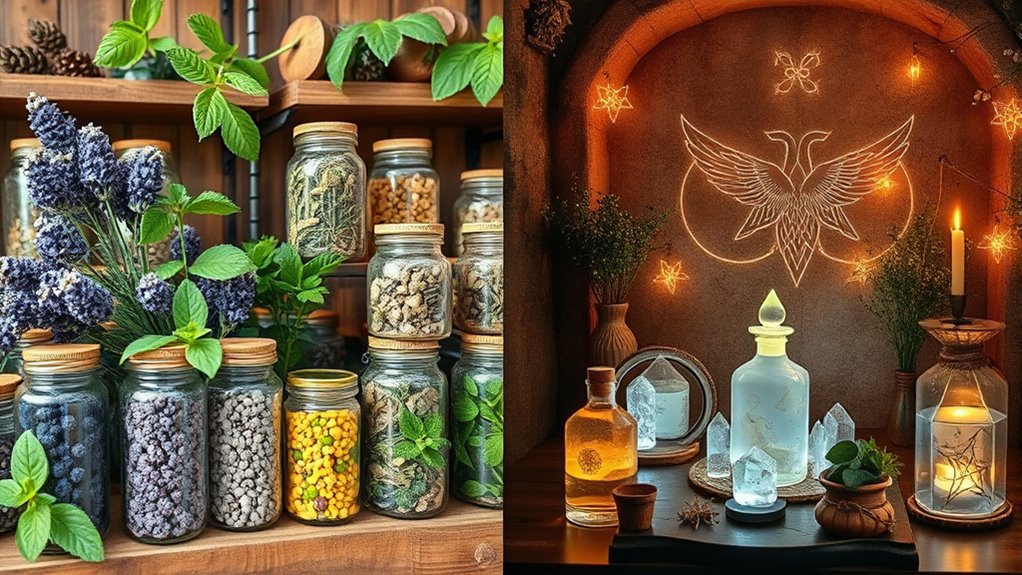
The popularity of herbal remedies has surged beyond traditional shops, reaching diverse cultural phenomena like fantasy games and popular media. People now recognize medicinal plants and herbal tinctures not just for health but as symbols of ancient wisdom and magic. In games and stories, characters often use these remedies to heal or gain special powers, reflecting their real-world significance. This trend fuels curiosity and even purchases of herbal products, blending fact with fiction. As a result, herbal remedies gain mainstream attention, inspiring new generations to explore traditional herbal knowledge. The crossover from herbal shops to fantasy worlds highlights how herbal remedies continue to influence culture, keeping ancient practices alive in modern and imaginative contexts.
Bridging Reality and Fantasy: What We Can Learn

Bridging reality and fantasy offers valuable lessons about the power of storytelling and cultural perception. By examining medicinal folklore and herbal symbolism, you see how societies assign meaning to plants beyond their physical properties. This connection reveals that legends often reflect collective values and fears. To deepen your understanding, consider:
- Recognizing how herbal symbolism shapes cultural identity and spiritual beliefs.
- Appreciating the role of medicinal folklore in preserving traditional knowledge amid modernization.
- Understanding that fantasy representations can evoke emotional resonance, influencing perceptions of real remedies.
These insights show that stories—whether rooted in reality or imagination—serve to reinforce cultural narratives, shaping how we interpret herbal remedies both historically and today.
Frequently Asked Questions
How Do Herbal Remedies Influence Modern Pharmaceutical Development?
Herbal remedies influence modern pharmaceutical development by highlighting herbal efficacy and the power of placebo effects. You see, researchers study traditional herbs to identify active compounds, which can lead to new drugs. The placebo effect also teaches you about patient responses, shaping how medicines are tested. This blend of natural insights and scientific validation helps create more effective, holistic treatments, bridging the gap between tradition and innovation in medicine.
Can Fantasy Healing Powers Inspire Real Medical Innovations?
You might find it surprising, but 65% of modern medicines trace back to medicinal legends and healing myths. Fantasy healing powers can indeed inspire real medical innovations by sparking creative research and new treatment ideas. These stories often highlight plants or substances with potential benefits, prompting scientists to explore their actual medicinal properties. So, your favorite healing myths could someday lead to groundbreaking advances in healthcare.
What Psychological Effects Do Mythical Healing Stories Have on Patients?
Mythical healing stories can boost your confidence and create symbolic healing, making you feel more hopeful. They often trigger placebo effects, where your belief in the story’s power helps improve your condition. As you listen to these tales, your mind may release feel-good chemicals, reducing stress and pain. This psychological impact enhances your overall well-being, showing how powerful your mind can be in the healing process.
Are There Ethical Concerns in Marketing Fantasy-Based Herbal Products?
You should consider the concern that marketing fantasy-based herbal products can cause ethical conflicts. They often capitalize on placebo effects, encouraging false hope while bypassing honest marketing ethics. Such practices can mislead patients, making them believe in magical cures rather than proven remedies. This deception risks damaging trust and exploiting vulnerable consumers, raising important questions about honesty, integrity, and the importance of transparent, truthful marketing in herbal product promotion.
How Do Cultural Myths Impact Perceptions of Herbal Medicine Safety?
Cultural influences shape your views of herbal medicine safety through mythical perceptions that often link traditional remedies to supernatural powers or divine approval. These beliefs can boost confidence in herbal remedies or lead to misconceptions about their efficacy and safety. By understanding how cultural myths influence perceptions, you can critically assess herbal products, recognizing the importance of scientific evidence while respecting cultural traditions that shape your health choices.
Conclusion
You walk a fine line between tradition and imagination, where real herbs heal and fantasy potions enchant. While ancient remedies grounded in science offer genuine comfort, fantastical cures ignite our dreams and inspire hope. Embrace the wisdom of nature’s gifts, but also cherish the power of imagination to inspire healing and wonder. In blending both worlds, you find a richer, more hopeful path—one that honors tradition while fueling your dreams.