
Traditional herbology still matters today because it blends ancient wisdom with modern science, offering valuable insights into plant-based health. It supports sustainability by encouraging responsible harvesting and protecting endangered species. It also preserves cultural heritage, keeping traditional practices and knowledge alive. Ethical sourcing guarantees herbs are responsibly obtained, fostering trust and environmental care. By understanding this, you’ll see how herbal traditions continue to influence wellness and conservation efforts—exploring further reveals even more meaningful connections.
Key Takeaways
- Traditional herbology preserves cultural heritage and ancestral knowledge, connecting communities to their histories and practices.
- It offers sustainable, ethically sourced remedies that support biodiversity and environmental health.
- Combining ancient wisdom with scientific validation enhances the effectiveness and safety of herbal treatments.
- Respecting traditional methods encourages mindful, responsible use of herbal resources for future generations.
- Supporting herbal sustainability and cultural preservation promotes ecological resilience and global biodiversity conservation.
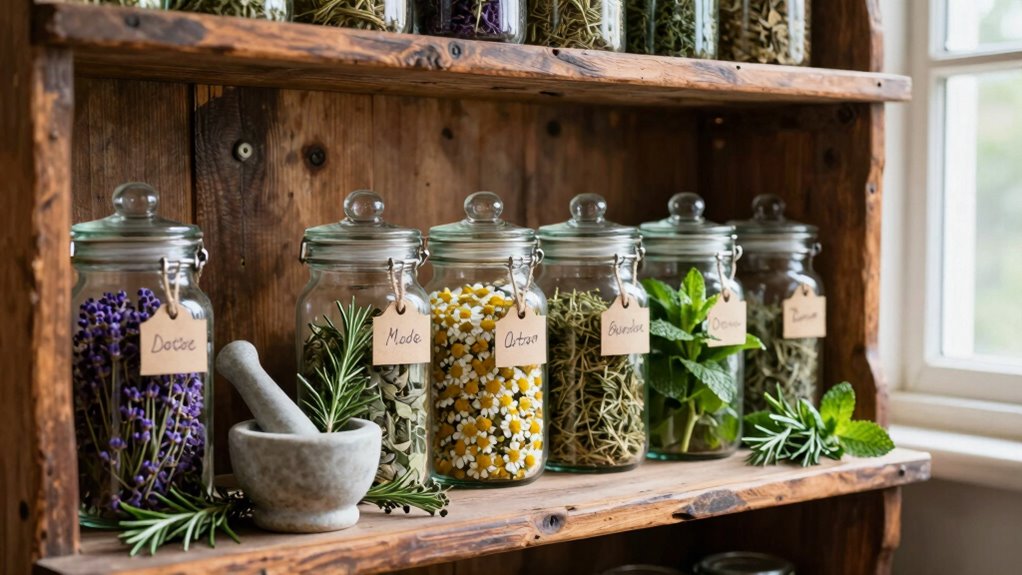
Traditional herbology remains an essential part of modern wellness practices, blending ancient knowledge with contemporary insights. As you explore herbal remedies today, you recognize that this practice isn’t just about healing — it’s about respecting the roots of cultural traditions and guaranteeing the sustainability of the plants involved. Herbal sustainability is a key concern, because overharvesting and environmental degradation threaten many medicinal plants. By embracing traditional herbology, you support responsible harvesting methods that prioritize the health of ecosystems. This approach guarantees that future generations can benefit from these natural resources, maintaining their availability and potency. At the same time, practicing sustainable herbology respects the cultural preservation of the communities that have cultivated this knowledge for centuries. These traditions are more than just herbal recipes; they embody histories, languages, and worldviews that deserve recognition and protection. When you incorporate traditional herbal practices into your wellness routine, you’re helping to sustain these cultural legacies, preventing their erosion in a rapidly changing world.
You might find that modern science is validating much of what traditional herbologists have known for generations. This fusion of old and new creates a richer understanding of how plants can support health, and it encourages a more mindful, ethical approach to herbal use. As you harvest herbs or buy herbal products, you become a steward of this knowledge, making choices that honor both the environment and the cultural traditions behind the remedies. This mindful approach enhances the authenticity of your herbal practice, fostering a deeper connection to the plants and the cultures that have long relied on them. It’s about more than just individual health; it’s a collective effort to uphold biodiversity, cultural diversity, and ethical sourcing.
Additionally, supporting herbal sustainability helps ensure that medicinal plants are harvested without causing long-term damage to ecosystems, which is vital for maintaining biodiversity. In today’s context, traditional herbology helps bridge the gap between ancient wisdom and modern health strategies. You’re part of a movement that values sustainability and cultural preservation, recognizing that these principles are interconnected. By supporting local growers, choosing sustainably harvested herbs, and respecting traditional methods, you actively contribute to a global effort to protect both the environment and the cultures that hold this knowledge sacred. Incorporating ethical sourcing into your herbal practices ensures that these valuable resources are preserved for future generations. This balance between respecting tradition and embracing innovation ensures that herbal medicine remains a vibrant, relevant part of holistic health practices. Your awareness and actions matter, because they help keep these ancient practices alive while safeguarding the planet and the cultures that hold this knowledge sacred. Moreover, understanding the importance of plant conservation can inspire you to advocate for policies that protect endangered medicinal species. Recognizing the interconnectedness of these principles underscores the importance of biodiversity in maintaining resilient ecosystems and healthy medicinal plant populations.

Amish Herbal Remedies Handbook: The Complete Guide to Natural Healing, Home Apothecary Wisdom, and Safe Remedies for the Whole Family (The Amish Self-Reliance Library)
As an affiliate, we earn on qualifying purchases.
As an affiliate, we earn on qualifying purchases.
Frequently Asked Questions
How Does Traditional Herbology Compare to Modern Medicine?
Traditional herbology offers a different approach compared to modern medicine. You benefit from herbal sustainability and a deep cultural significance, connecting you to centuries of knowledge. While modern medicine often targets specific symptoms with pharmaceuticals, herbology emphasizes holistic healing and natural remedies. Both have their roles, but understanding traditional practices can enhance your health choices, respecting nature’s balance and preserving cultural heritage.
Are There Any Risks or Side Effects With Herbal Remedies?
You might worry about herbal toxicity or dosage concerns, but with proper guidance, herbal remedies are generally safe. Risks exist if you misuse herbs or exceed recommended doses, leading to side effects or toxicity. Always consult a qualified practitioner before starting herbal treatments, especially if you’re pregnant, nursing, or on medication. Mindful use minimizes risks, ensuring you benefit from herbs safely and effectively, preserving their traditional healing power.
Can Traditional Herbology Be Integrated With Western Healthcare?
Yes, you can integrate traditional herbology with Western healthcare, fostering cultural preservation and herbal conservation. By working with knowledgeable practitioners, you guarantee safe, complementary treatments that respect cultural roots. Combining both approaches can enhance overall well-being, providing holistic care that honors ancient practices while benefiting from modern medicine. This integration promotes a balanced, respectful approach, helping preserve valuable herbal knowledge for future generations.
How Are Herbs Sourced and Prepared in Traditional Practices?
Imagine walking through lush forests, where herbs are carefully harvested at dawn, their dew-kissed leaves glistening. You then learn preparation techniques like drying, grinding, or decocting, transforming fresh herbs into potent remedies. In traditional practices, herb harvesting involves selecting the right plants at peak potency, while preparation techniques guarantee their medicinal qualities are preserved. This mindful process connects you deeply to nature’s healing gifts, honoring centuries of herbal wisdom.
What Evidence Supports the Effectiveness of Traditional Herbology?
You can see evidence of traditional herbology’s effectiveness through its long-standing cultural significance and the herbal potency observed over centuries. Many studies support the therapeutic properties of herbs used in traditional practices, highlighting their benefits for health and wellness. This enduring reliance shows that herbs aren’t just culturally important but also possess genuine medicinal qualities, validating their continued use and importance in modern natural medicine.

ORGANIC INDIA Moringa Herbal Supplement – Green Superfood, Nutrient Dense, Pure Plant Protein, Vitamin A, E, K, Iron, Calcium, Fiber, Vegan, Gluten-Free, USDA Certified Organic – 90 Capsules
NATURAL MORINGA – Enjoy the benefits from one of the most complete, nutrient-dense superfood plants on earth, with…
As an affiliate, we earn on qualifying purchases.
As an affiliate, we earn on qualifying purchases.
Conclusion
So, don’t dismiss traditional herbology—it’s still significant today. By blending botanical basics with modern medicine, you can harness healing herbs’ heartfelt history and health benefits. Remember, respecting roots nurtures natural remedies, and wisdom woven through generations continues to work wonders. Stay curious, stay conscious, and carry on cultivating your connection with nature’s nourishing nuances. Because, in the end, embracing ancient practices empowers your journey toward holistic health and healing harmony.

Herbs for Common Ailments: How to Make and Use Herbal Remedies for Home Health Care. A Storey BASICS® Title
HERBS FOR COMMON AILMENTS
As an affiliate, we earn on qualifying purchases.
As an affiliate, we earn on qualifying purchases.

Basic Fermentation: A Do-It-Yourself Guide to Cultural Manipulation (Good Life)
As an affiliate, we earn on qualifying purchases.
As an affiliate, we earn on qualifying purchases.