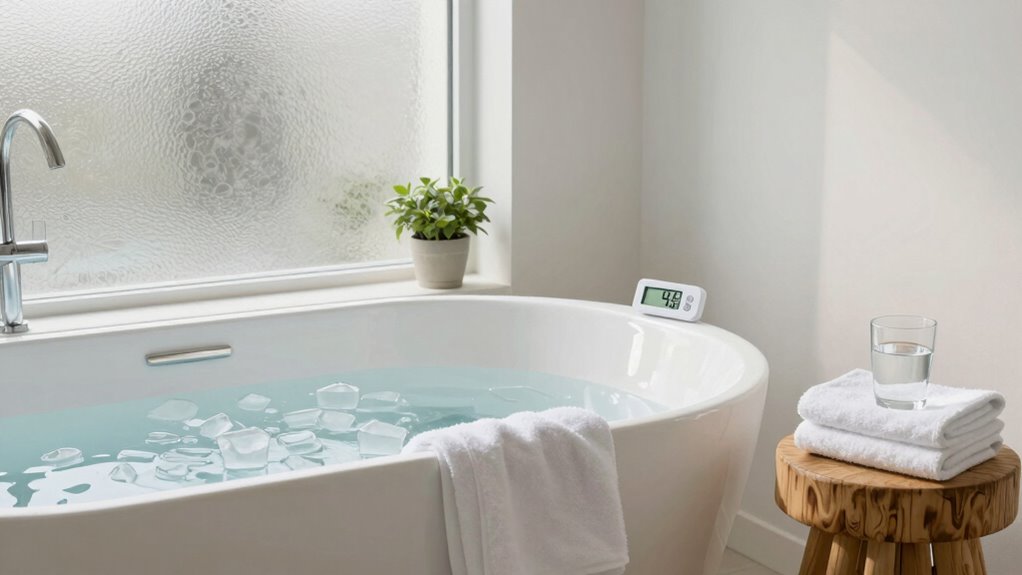

You can turn cold plunge recovery at home into a powerful routine that boosts both your body and mind. Regular exposure helps your body better regulate temperature, recover faster, and build resilience against stress. It’s not just a trend—consistency creates long-term benefits, strengthens mental toughness, and supports overall wellness. Making cold plunges a habit transforms fleeting moments into lasting habits. Keep going, and you’ll discover how routine can truly elevate your health and resilience.

Get oils, diffusers and self-care delivered free — and shop member deals
- Fast, free delivery on millions of items
- Access to Prime Big Deal Days deals on October 6–7
- Prime Video, Amazon Music and more included
Key Takeaways
- Consistent cold plunge routines enhance body temperature regulation and recovery, emphasizing habit over fleeting trends.
- Routine practice builds mental resilience and reduces initial cold shock, making recovery more sustainable.
- Regular exposure supports long-term health benefits, transforming cold plunging into a wellness habit.
- Developing a consistent schedule fosters systemic adaptation, increasing efficiency and mental clarity over time.
- Prioritizing routine over trend ensures sustained physical and psychological benefits for overall well-being.

Taking a cold plunge at home can be a simple yet effective way to boost recovery and enhance overall wellness. It’s not just about following a trend; it’s about establishing a routine that benefits both your body and mind. When you immerse yourself in cold water regularly, you help your body improve its temperature regulation. Over time, your body becomes more efficient at maintaining a stable internal temperature, which can lead to better resilience against environmental stresses. This process isn’t just physical—it also influences your mental health. Cold plunges can help reduce stress, improve mood, and foster a sense of accomplishment as you commit to your routine.
Consistency is key when it comes to cold plunge recovery. Making it part of your daily or weekly habits helps your body adapt and reap the full benefits. When you stick to a routine, the initial shock of cold water becomes less intimidating, and your body begins to respond more favorably. This regular exposure encourages your nervous system to adapt, leading to quicker recovery after workouts and less soreness. It’s a practical way to support your physical health without relying on fancy equipment or expensive memberships. Plus, by integrating cold plunges into your routine, you develop mental discipline that spills over into other areas of your life. Additionally, understanding the science behind temperature regulation can motivate you to maintain your routine consistently. Recognizing how this process impacts your overall health can deepen your commitment to making cold plunges a sustainable part of your lifestyle. Developing a long-term habit ensures that your body and mind continue to benefit from this practice.
Your mental health benefits from this consistency too. Regular cold plunges can serve as a form of mindful practice, helping you stay present and focused. The immediate shock of cold water can clear your mind, reduce anxiety, and foster a sense of calm once you’re out. It’s a simple yet powerful way to boost your mood and mental clarity, especially when you feel overwhelmed or stressed. Over time, this routine can bolster your resilience, making you better equipped to handle daily challenges. The act of deliberately choosing to face the cold each time also reinforces mental toughness, which becomes a valuable asset in many situations.
In the end, cold plunge recovery at home isn’t about chasing the latest wellness trend. It’s about creating a sustainable habit that nurtures both your body’s temperature regulation and your mental health. When you see it as part of your lifestyle rather than a fleeting fad, you’re more likely to stick with it long-term. This consistency helps you *access* the full potential of cold water therapy—improving recovery, sharpening your mind, and building resilience. With patience and routine, you’ll find that the benefits extend far beyond the initial shock of cold water, becoming an integral part of your overall wellness journey. Recognizing the importance of systemic adaptation reinforces why establishing a routine is essential for lasting results.
As an affiliate, we earn on qualifying purchases.
Frequently Asked Questions
How Long Should I Stay in the Cold Plunge Each Session?
You should stay in the cold plunge for about 5 to 10 minutes per session. This duration helps build mental resilience and boosts your immune system without overdoing it. Listen to your body and gradually increase your time as you get more comfortable. Consistent, mindful plunges can enhance recovery, improve mood, and strengthen your immune response, making cold exposure a valuable part of your routine.
What Temperature Is Ideal for a Cold Plunge?
Think of temperature regulation as tuning your body’s orchestra to a perfect pitch. For a cold plunge, aim for a range of 50°F to 59°F, enough to trigger cold shock without risking harm. This temperature strikes a balance, awakening your senses and boosting recovery, while keeping discomfort manageable. Stay within this zone to harness the benefits safely and build a routine that sings with resilience.
Can Cold Plunges Replace Traditional Recovery Methods?
Cold plunges can complement traditional recovery methods but shouldn’t fully replace them. They’re an effective alternative therapy that helps reduce inflammation and muscle soreness. Plus, they offer mental benefits like improved mood and stress relief. By integrating cold plunges into your routine, you enhance overall recovery, but it’s essential to maintain a balanced approach with other methods like stretching, rest, and proper nutrition for ideal results.
How Often Should I Incorporate Cold Plunges Into My Routine?
You should incorporate cold plunges 2-3 times a week, balancing effort and recovery like a delicate dance. As you immerse yourself, you’ll notice mental clarity sharpening and an immune boost strengthening your resilience. Visualize the icy water as a reset button, revitalizing your mind and body. Consistency is key, so create a routine that feels sustainable, making cold plunges a powerful tool for long-term wellness rather than an occasional trend.
Are There Any Health Risks Associated With Cold Plunging?
Yes, there are health risks associated with cold plunging, such as cold shock and hypothermia risks. You might experience rapid breathing, increased heart rate, or dizziness from sudden cold exposure. To stay safe, limit your time in the cold water, especially if you’re new to cold plunges, and listen to your body’s signals. Always consult a healthcare professional before starting if you have underlying health conditions.
As an affiliate, we earn on qualifying purchases.
Conclusion
Making cold plunge recovery a routine at home is like planting a sturdy tree—you build resilience and health steadily over time. It’s less about chasing trends and more about creating a sustainable habit that nurtures your well-being. When you commit consistently, you’ll find it becomes an integral part of your self-care, grounding you like roots anchoring a mighty oak. Embrace the process, and watch your recovery grow stronger with each plunge.
As an affiliate, we earn on qualifying purchases.
As an affiliate, we earn on qualifying purchases.
Fall Picks
fall essentials
As an affiliate, we earn on qualifying purchases.