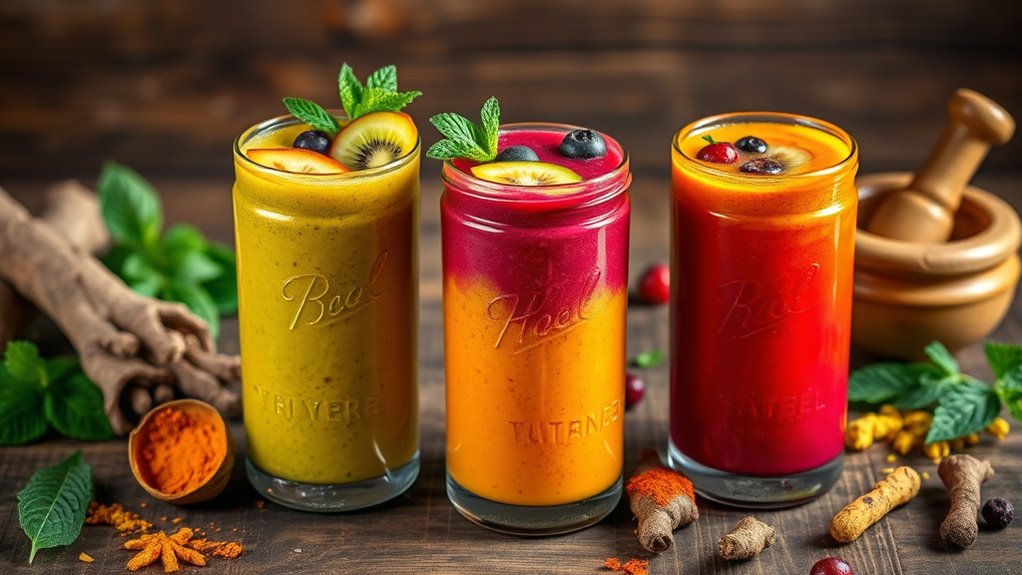

Herbal anti-inflammatory smoothies combine natural herbs like turmeric and ginger with nutrient-rich superfoods such as berries, greens, and pineapple to help reduce inflammation and promote healing. You can easily craft delicious blends using simple ingredients like almond milk, honey, and chia seeds for added benefits. These smoothies boost your immune system, ease joint pain, and support your overall wellness. Keep exploring so you can learn how to create the most effective and delicious anti-inflammatory drinks.
Key Takeaways
- Incorporate herbs like turmeric and ginger, which contain potent anti-inflammatory compounds, into smoothies for natural healing.
- Use superfoods such as berries, leafy greens, and pineapple to boost antioxidant intake and reduce inflammation.
- Balance ingredients with healthy bases and enhance absorption by adding black pepper, citrus, or chia seeds.
- Prepare ingredients in advance and keep them organized for quick, daily smoothie creation supporting inflammation relief.
- Combine smoothies with lifestyle habits like adequate sleep, stress management, and reduced processed foods to maximize anti-inflammatory benefits.
Why Choose Herbal Ingredients for Inflammation Relief
Herbal ingredients have gained popularity for inflammation relief because they offer natural, effective options without the harsh side effects often associated with pharmaceuticals. When you choose herbs, you’re tapping into centuries of traditional use that emphasize gentle healing. Many herbs contain potent anti-inflammatory compounds that work synergistically to reduce swelling and pain. Unlike synthetic drugs, which may cause unwanted side effects or dependency, herbs typically promote overall wellness and support your body’s natural healing processes. Incorporating herbs into your diet through smoothies is an easy and enjoyable way to boost your anti-inflammatory benefits. By opting for herbal ingredients, you prioritize a holistic approach that nurtures your body while helping manage inflammation safely and sustainably.
Key Herbs That Fight Inflammation in Smoothies
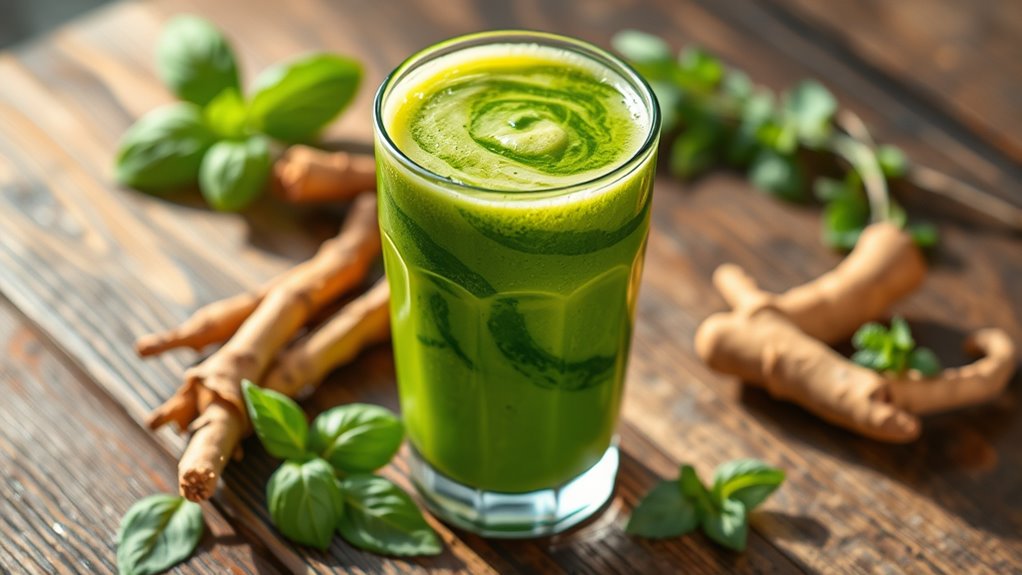
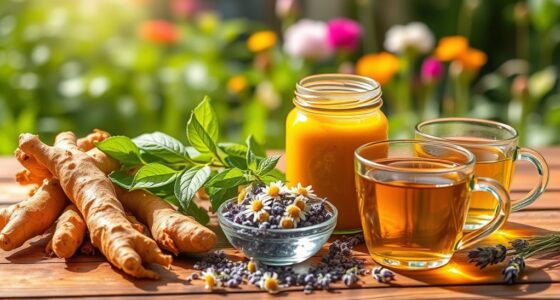
Turmeric and ginger are powerful herbs you can add to your smoothies to combat inflammation. Turmeric contains curcumin, which has strong anti-inflammatory effects, while ginger helps reduce swelling and pain. Incorporating these herbs into your drinks is an easy way to support your overall health.
Turmeric’s Powerful Benefits
Because of its potent anti-inflammatory properties, turmeric has become a favorite ingredient in smoothies aimed at reducing inflammation. This vibrant yellow spice contains curcumin, a compound known for its powerful ability to combat inflammation at the cellular level. When added to your smoothie, turmeric not only boosts your anti-inflammatory defenses but also offers antioxidant benefits that support overall health. Its natural bitterness can be balanced with ingredients like honey, pineapple, or coconut milk, making it easy to incorporate into your daily routine. Regular consumption of turmeric in smoothies may help reduce joint pain, improve mobility, and strengthen your immune system. Plus, its warm, earthy flavor adds a unique depth to your drink, making it both nutritious and delicious.
Ginger’s Anti-Inflammatory Properties
Ginger stands out as a powerful anti-inflammatory ingredient that can considerably enhance your smoothies. It contains compounds called gingerols, which help reduce inflammation and pain throughout your body. Incorporating fresh ginger into your blend can boost your immune system and improve digestion. Ginger’s natural properties also fight oxidative stress, lowering the risk of chronic diseases linked to inflammation. Its spicy, zesty flavor adds a lively kick to your drinks without overpowering other ingredients. You’ll notice that even small amounts can make a significant difference in reducing swelling and discomfort. Plus, ginger is versatile—you can combine it with fruits, vegetables, and other herbs for a tasty, healing beverage. Regularly adding ginger to your smoothies supports overall wellness and keeps inflammation at bay.
Essential Superfoods for an Anti-Inflammatory Boost
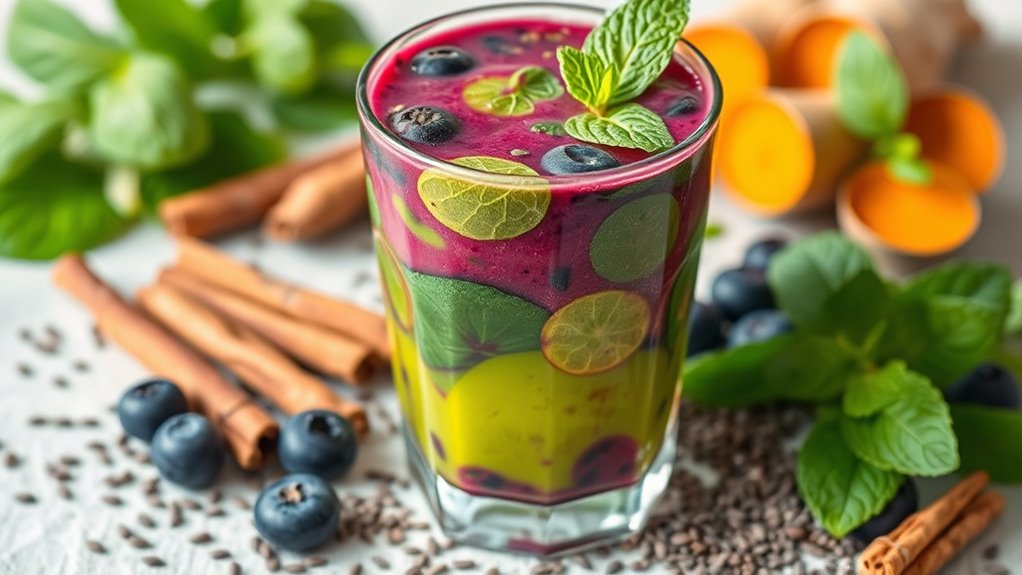
To give your smoothies a powerful anti-inflammatory boost, incorporating certain superfoods can make a significant difference. Blueberries are packed with antioxidants called anthocyanins that help reduce inflammation and protect your cells. Turmeric contains curcumin, a potent compound known for its strong anti-inflammatory effects. Chia seeds provide omega-3 fatty acids that help lower inflammation and support joint health. Spinach and kale are rich in vitamins and phytochemicals that combat inflammatory processes. Pineapple offers bromelain, an enzyme with proven anti-inflammatory properties. Walnuts add healthy fats and polyphenols that help decrease inflammation markers. By including these superfoods, you enhance the healing power of your smoothies naturally, giving your body the nutrients it needs to fight inflammation and support overall wellness.
Crafting Your Perfect Herbal Anti-Inflammatory Smoothie
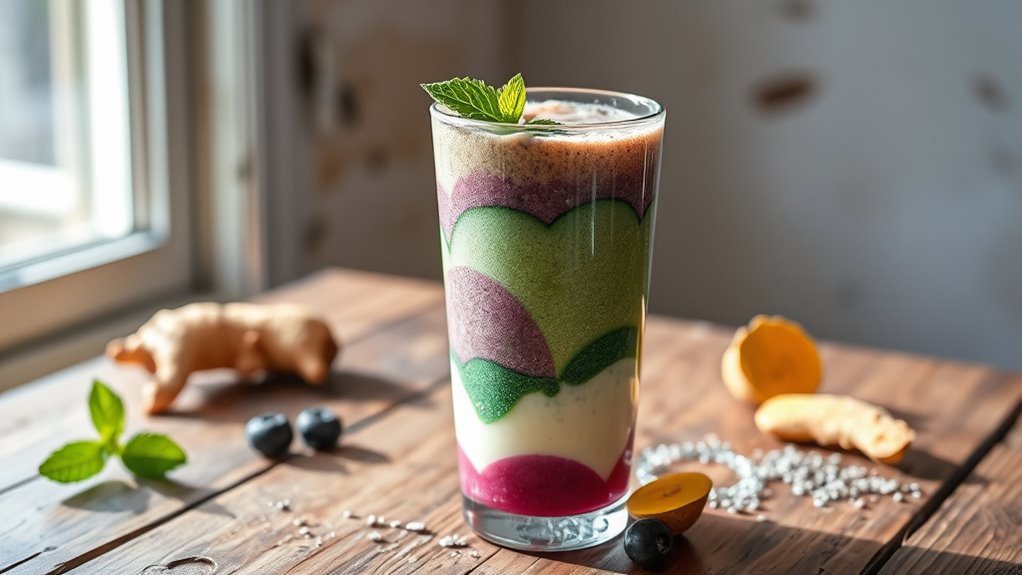
Creating your perfect herbal anti-inflammatory smoothie involves selecting ingredients that work synergistically to reduce inflammation and boost overall health. Start with a base like unsweetened almond milk, coconut water, or plain Greek yogurt for creaminess and hydration. Add anti-inflammatory superfoods such as turmeric, ginger, or cinnamon in small amounts to maximize their benefits. Incorporate leafy greens like spinach or kale for added nutrients without overpowering flavors. Use a natural sweetener like honey or ripe banana if needed, but keep it minimal. Include ingredients that support absorption, like black pepper with turmeric. Balance flavors by adding a splash of citrus or a few berries. Focus on combining ingredients that complement each other for a smooth, tasty, and healing drink tailored to your needs.
Top Flavor Combinations to Maximize Healing Benefits
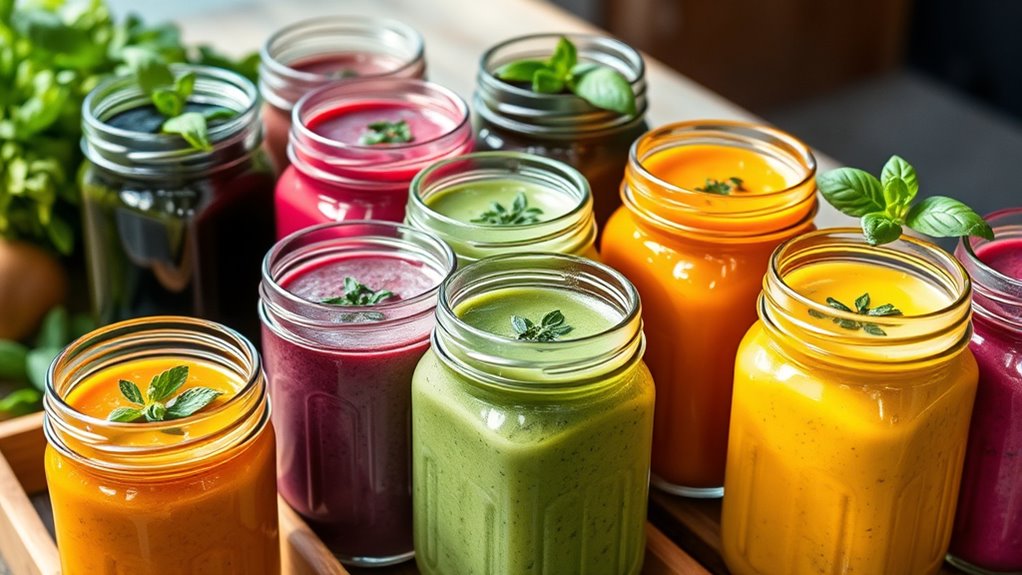
Choosing the right flavor pairings can substantially enhance both the taste and healing power of your herbal anti-inflammatory smoothies. Certain combinations boost absorption of nutrients and create synergistic effects that fight inflammation more effectively. For example:
- Turmeric and Black Pepper — Black pepper enhances turmeric’s curcumin absorption, maximizing anti-inflammatory benefits.
- Ginger and Pineapple — Pineapple’s bromelain works with ginger to reduce swelling and joint pain.
- Berries and Mint — Berries provide antioxidants, while mint adds a invigorating flavor that encourages regular consumption.
- Chia Seeds and Citrus — Citrus fruits help absorb fat-soluble compounds from chia seeds, delivering sustained anti-inflammatory effects.
Experiment with these combos to enjoy both vibrant flavors and powerful healing properties in every sip.
Tips for Preparing and Blending Your Smoothies
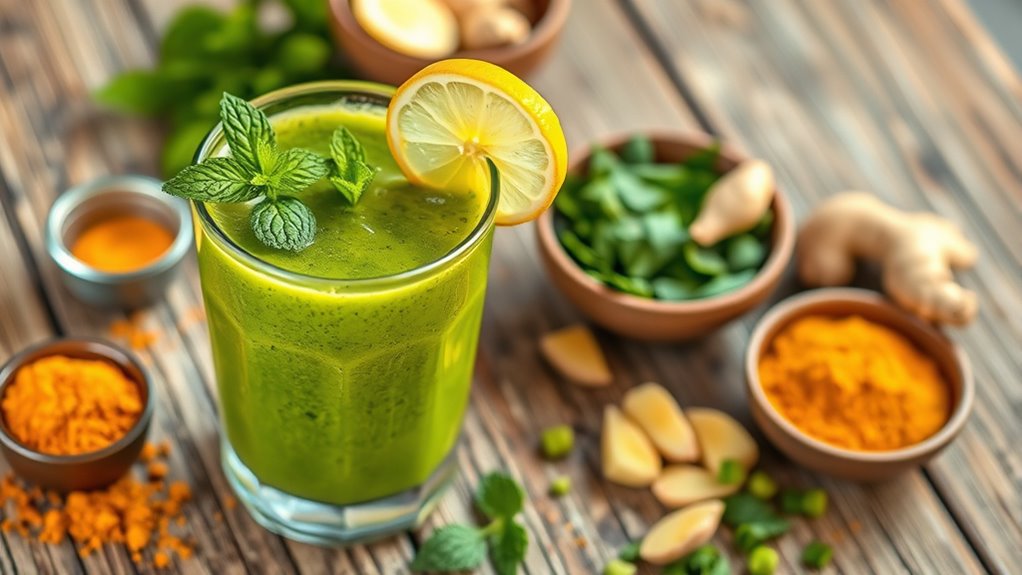
Getting your smoothies just right starts with preparing your ingredients properly. Wash all fruits and herbs thoroughly to remove dirt and pesticides. Chop larger ingredients into smaller pieces to ensure smooth blending and prevent strain on your blender. For creams and liquids, measure carefully to achieve your desired consistency—start with less and add more as needed. Use frozen fruits or ice cubes to create a chilled, thick texture without watering down the flavor. When blending, start on low speed to break down ingredients, then gradually increase to high until smooth and creamy. If your smoothie is too thick, add a splash of water, juice, or plant-based milk. Conversely, if it’s too thin, toss in more frozen fruit or ice. Proper prep guarantees a smooth, delicious drink every time.
Incorporating Herbal Smoothies Into Your Daily Routine

Incorporating herbal smoothies into your daily routine is easier than you think with seasonal herbal choices and simple recipes. Starting your mornings with a boosting smoothie can set a healthy tone for the day. Keep preparation quick and straightforward to make it a consistent habit.
Seasonal Herbal Choices
As the seasons change, selecting herbs that align with the time of year can enhance the anti-inflammatory benefits of your smoothies. Using seasonal herbs guarantees you’re incorporating fresh, potent ingredients that support your health best during each period. For example, in spring, you might include fresh mint or nettle; in summer, cooling herbs like basil or cilantro work well. Fall calls for warming herbs such as cinnamon or ginger, while winter benefits from immune-boosting options like thyme or rosemary. Embracing seasonal herbs keeps your smoothies vibrant and effective.
Here are four herbal choices to think about:
- Mint (spring and summer)
- Cinnamon (fall)
- Ginger (fall and winter)
- Rosemary (winter)
Morning Boosting Recipes
Starting your day with a herbal anti-inflammatory smoothie can energize you and set a healthy tone for hours to come. To boost your morning, blend ingredients like turmeric, ginger, and fresh herbs such as mint or basil with your favorite fruits and a splash of water or plant-based milk. These smoothies deliver antioxidants and natural anti-inflammatory compounds, helping you feel alert and reduce morning stiffness. Incorporate a handful of greens like spinach or kale for extra nutrients. For added flavor and health benefits, include a teaspoon of honey or a squeeze of lemon. Drinking this nutritious start guarantees you get a dose of healing herbs early in your day, supporting overall wellness and making your mornings both invigorating and nourishing.
Easy Preparation Tips
To make herbal anti-inflammatory smoothies a seamless part of your daily routine, prepare your ingredients ahead of time. This saves you time and makes blending quick and easy. Start by washing and chopping fruits and vegetables the night before. Portion herbs and superfoods into small containers or bags. Keep frozen ingredients ready to toss into the blender, so you don’t have to thaw anything. Finally, set a designated spot in your fridge or freezer for your smoothie supplies to stay organized.
Here are some tips to streamline your process:
- Pre-wash and chop produce in advance.
- Store herbs and powders in separate containers.
- Use freezer bags for portioned ingredients.
- Keep your blender accessible for quick use.
Additional Lifestyle Tips to Reduce Inflammation
Incorporating simple lifestyle changes can considerably boost your efforts to reduce inflammation. Prioritize getting enough sleep each night, as poor rest can elevate inflammation levels. Manage stress through mindfulness, meditation, or deep breathing exercises, because chronic stress fuels inflammation. Incorporate regular physical activity into your routine; even moderate exercise like walking or yoga helps lower inflammation markers. Limit your intake of processed foods, added sugars, and unhealthy fats, which promote inflammation. Stay well-hydrated by drinking plenty of water throughout the day. Avoid smoking and excessive alcohol consumption, as both can increase inflammation and hinder your healing process. By making these small adjustments, you support your body’s natural ability to combat inflammation and enhance the benefits of your herbal smoothies.
Delicious Recipes to Get Started With Herbal Anti-Inflammatory Smoothies
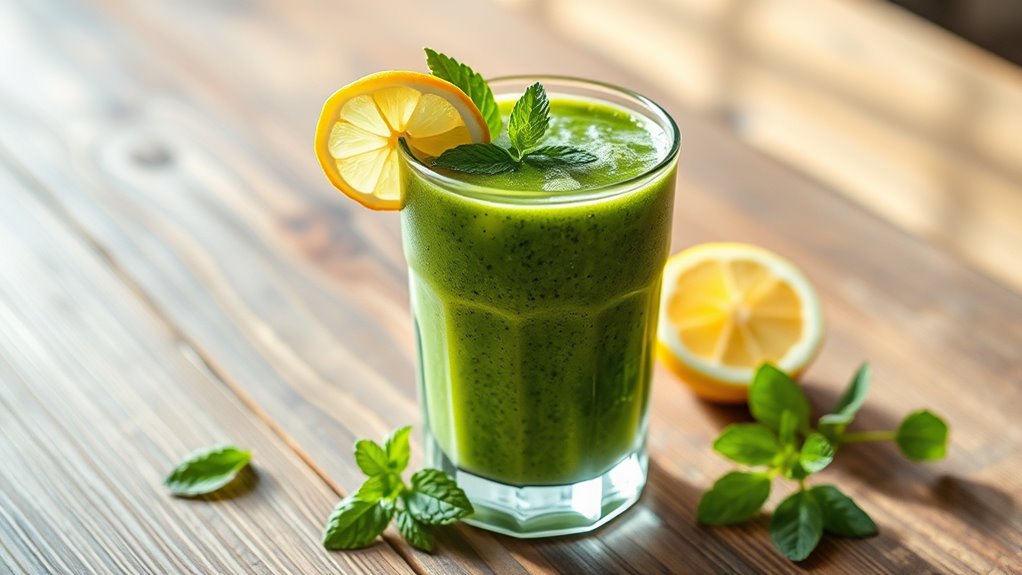
If you’re new to herbal anti-inflammatory smoothies, easily accessible recipes can help you get started without feeling overwhelmed. These simple combinations are delicious and boost your health effortlessly. Here are four easy recipes to try:
- Turmeric Mango Smoothie – Blend frozen mango, a pinch of turmeric, coconut milk, and a little honey for sweetness.
- Ginger Berry Blend – Mix strawberries, fresh ginger, Greek yogurt, and a splash of orange juice.
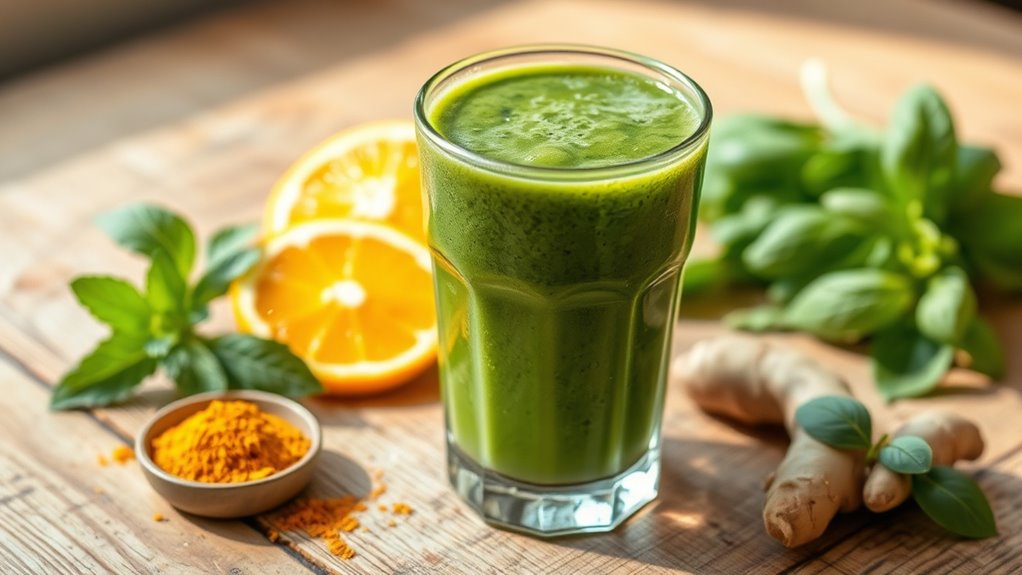
- Green Anti-Inflammatory Shake – Combine spinach, cucumber, a green apple, and herbal chamomile tea.
- Cinnamon Banana Smoothie – Blend ripe bananas, cinnamon, almond milk, and a teaspoon of flaxseed.
Start with these, and soon you’ll be enjoying healing smoothies daily!
Frequently Asked Questions
Can Herbal Smoothies Replace Anti-Inflammatory Medications?
Herbal smoothies can support your anti-inflammatory efforts, but they shouldn’t replace prescribed medications. While they contain natural ingredients with anti-inflammatory properties, they may not be strong enough for serious conditions. Always follow your healthcare provider’s advice, and use herbal smoothies as a complementary approach to your treatment. Combining medical guidance with nutritious, anti-inflammatory smoothies can boost your overall health, but never substitute professional care with homemade remedies.
Are There Any Herbs to Avoid During Pregnancy?
Yes, there are herbs you should steer clear of during pregnancy, like parsley, sage, and basil in large amounts, as they can stimulate uterine contractions. Also, avoid herbs like mugwort, pennyroyal, and certain types of ginseng, which may pose risks. Always consult your healthcare provider before adding new herbs or supplements to your routine, especially during pregnancy, to guarantee safety for you and your baby.
How Long Do Herbal Anti-Inflammatory Smoothies Last in the Fridge?
You should consume herbal anti-inflammatory smoothies within 24 to 48 hours of making them for the best freshness and nutrient retention. Keep your smoothie refrigerated at or below 40°F (4°C), and store it in an airtight container to prevent spoilage. Before drinking, give it a good shake and check for any signs of spoilage like sour smell or mold. When in doubt, it’s safer to discard leftovers after two days.
Can Children Safely Consume Herbal Anti-Inflammatory Smoothies?
Absolutely, children can enjoy herbal anti-inflammatory smoothies safely when prepared properly. You should start by selecting kid-friendly herbs and using fresh, organic ingredients. Always check for allergies beforehand, and serve in small, manageable portions. Consult with a healthcare professional if you’re unsure about specific herbs or if your child has underlying health conditions. With careful crafting, these smoothies can be a healthy, healing, and happy addition to your child’s diet.
Do Herbal Smoothies Have Any Known Side Effects?
Herbal smoothies can have side effects if you’re sensitive to certain ingredients or consume them excessively. You might experience allergic reactions, stomach upset, or interactions with medications. Always check ingredient lists for potential allergens, start with small amounts, and consult your healthcare provider if you’re pregnant, nursing, or on medication. Being mindful helps you enjoy the benefits without risking unwanted effects.
Conclusion
Incorporating herbal anti-inflammatory smoothies into your routine can markedly boost your health. Did you know that chronic inflammation affects over 50% of adults worldwide, contributing to many diseases? By choosing the right herbs and superfoods, you can naturally reduce inflammation and support your well-being. Start blending today—your body will thank you for the powerful healing benefits packed into every delicious sip. Cheers to a healthier, inflammation-free life!