
If you’re seeking herbal antihistamines for allergy relief and inflammation, options like butterbur, quercetin, and turmeric stand out. Butterbur blocks histamine release, while quercetin reduces allergy symptoms when consumed regularly. Turmeric helps calm immune responses and lessen inflammation. Nettle, bromelain, and licorice also support your comfort by easing sneezing, swelling, and irritation. To discover how these natural remedies can work together safely, keep exploring the helpful strategies that may suit your needs.
Key Takeaways
- Butterbur contains petasins that block histamine release, reducing allergy symptoms naturally without drowsiness.
- Quercetin inhibits histamine release and decreases inflammation, supporting allergy relief when taken regularly.
- Nettle and bromelain are herbal agents that help reduce histamine levels and inflammation associated with allergies.
- Turmeric and curcumin modulate inflammatory pathways, calming immune responses linked to allergy symptoms.
- Proper quality and safety of herbal supplements like licorice are essential for effective herbal antihistamine support.
The Power of Butterbur in Allergic Response Management

While traditional allergy treatments often rely on antihistamines, butterbur has emerged as a natural alternative with promising results. You might consider butterbur if you want to reduce allergy symptoms without the side effects of conventional medications. This herb contains compounds called petasins, which help block the release of histamine, the chemical responsible for allergy symptoms like sneezing, runny nose, and itchy eyes. Research shows that butterbur can be as effective as some antihistamines, but without causing drowsiness. To get benefits, you can find standardized extracts in supplement form. Be sure to choose products labeled as free of pyrrolizidine alkaloids, which can be harmful. Incorporating butterbur into your allergy management plan could provide relief naturally, helping you breathe easier during allergy season.
Using Quercetin-Rich Foods and Supplements to Combat Inflammation
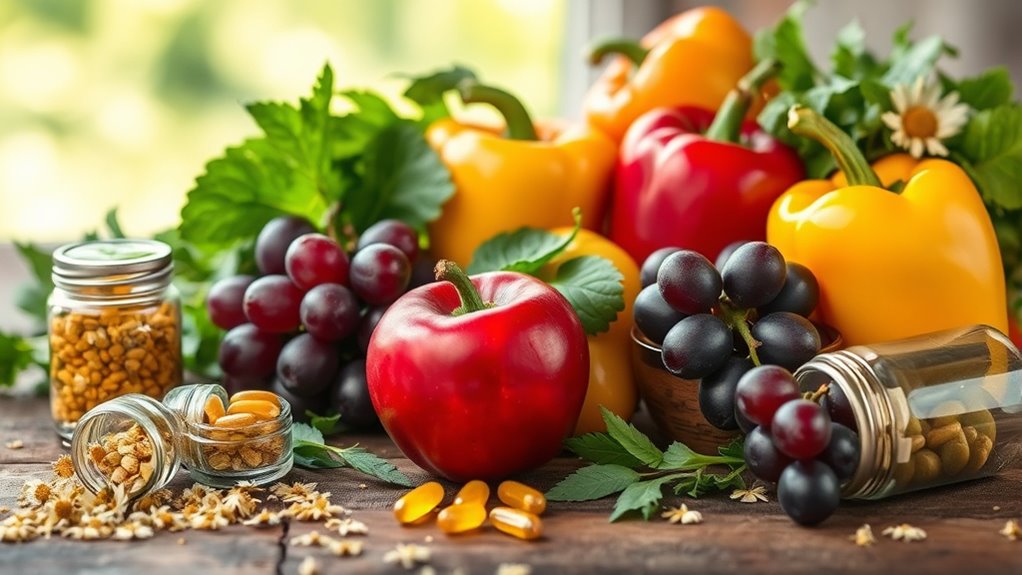
You can boost your anti-inflammatory efforts by including quercetin-rich foods like apples, onions, and berries in your diet. Supplements also offer a convenient way to guarantee you get enough of this powerful compound, especially if your diet falls short. To maximize benefits, learn the best intake strategies and how to incorporate these sources effectively into your routine.
Quercetin Sources in Diet
Incorporating quercetin-rich foods into your diet can be an effective way to help reduce inflammation and manage allergy symptoms. You can find quercetin in a variety of tasty, nutrient-dense options that fit into daily meals. For example, berries and apples are delicious sources you might already enjoy. Leafy greens like spinach and kale are packed with quercetin and add crunch to salads. Onions and capers are versatile ingredients that boost flavor and quercetin content. Here’s a quick visual:
| Food Item | Quercetin Content (per 100g) |
|---|---|
| Apples | 4.4 mg |
| Red onions | 33 mg |
| Kale | 23 mg |
| Berries (blueberries) | 2.3 mg |
| Capers | 32 mg |
Including these foods regularly can make a real difference in controlling inflammation naturally.
Supplementation Benefits and Tips
Adding quercetin-rich foods and supplements to your routine can effectively reduce inflammation and alleviate allergy symptoms. To maximize benefits, consider these tips:
- Start with a consistent daily intake of supplements like quercetin capsules or powders.
- Incorporate foods such as apples, onions, and berries into your meals regularly.
- Pair supplements with meals to enhance absorption and reduce potential stomach upset.
- Monitor your body’s response and adjust dosage accordingly, consulting with a healthcare professional if needed.
Optimal Intake Strategies
To effectively combat inflammation with quercetin, establishing an ideal intake strategy is essential. Focus on incorporating quercetin-rich foods like apples, onions, and berries into your daily diet. Supplements can also boost your intake, but timing and dosage matter. Consistency is key to maximizing benefits.
Here’s a quick guide:
| Food Source | Optimal Serving Tips |
|---|---|
| Apples | Eat with skin for maximum quercetin |
| Onions | Raw or cooked, add to salads or dishes |
| Berries | Snack fresh or blend into smoothies |
| Supplements | Usage Recommendations |
| Quercetin capsules | Take with meals to enhance absorption |
| Dosage | 500-1000 mg daily, as advised |
| Timing | Spread throughout the day for best results |
The Anti-Inflammatory Benefits of Turmeric and Curcumin

Turmeric is renowned for its powerful anti-inflammatory properties, making it a popular natural remedy. Curcumin, the active compound in turmeric, offers numerous health benefits, including reducing inflammation and supporting overall wellness. Incorporating these into your diet can help combat inflammation and boost your immune response.
Turmeric’s Anti-Inflammatory Power
Because of its potent bioactive compounds, turmeric has long been celebrated for its powerful anti-inflammatory properties. You can harness its benefits to support your immune system and reduce inflammation. Here’s how turmeric’s power works:
- It blocks inflammatory enzymes, slowing down the body’s inflammatory response.
- It neutralizes free radicals, protecting cells from damage.
- It modulates inflammatory signaling pathways, calming overactive immune responses.
- It promotes the production of anti-inflammatory molecules, helping restore balance.
Curcumin’s Health Benefits
Curcumin is the main active compound in turmeric responsible for many of its health benefits, especially its anti-inflammatory effects. When you include turmeric or curcumin supplements in your diet, you may reduce inflammation that contributes to allergies and chronic conditions. Curcumin works by blocking inflammatory pathways and neutralizing free radicals, which helps calm your immune response. Studies suggest it can alleviate symptoms of arthritis, support brain health, and improve gut function. Unlike some medications, curcumin offers natural relief with fewer side effects. To maximize benefits, combine it with black pepper or fats to enhance absorption. Consistent use may help you manage inflammation more effectively, boosting your overall health and resilience against allergy symptoms.
How Stinging Nettle Supports Allergy Relief
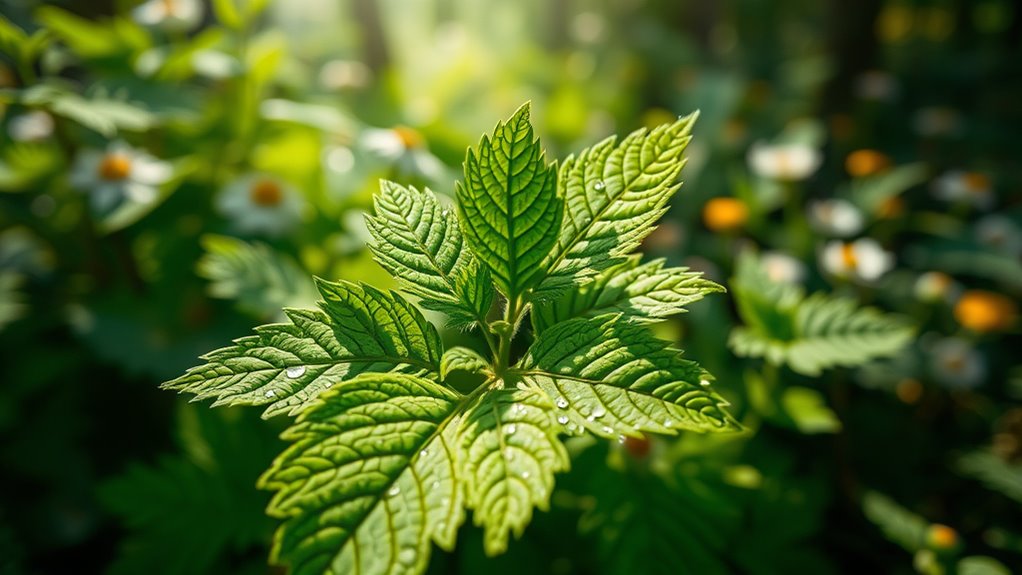
Stinging nettle has long been used as a natural remedy for allergy symptoms, thanks to its powerful anti-inflammatory properties. When you include it in your routine, you may notice relief by targeting allergy triggers directly. Here’s how it works:
- It inhibits histamine release, reducing sneezing and runny nose.
- It decreases inflammation in nasal passages, easing congestion.
- It supports your immune system’s response to allergens.
- It may lessen itching and watery eyes associated with allergies.
You can consume stinging nettle as a tea, supplement, or in capsule form. Regular use might help you manage allergy symptoms more naturally, providing relief without the side effects of conventional medications. Just ensure you consult your healthcare provider before starting a new herbal remedy.
The Role of Bromelain From Pineapple in Reducing Inflammation
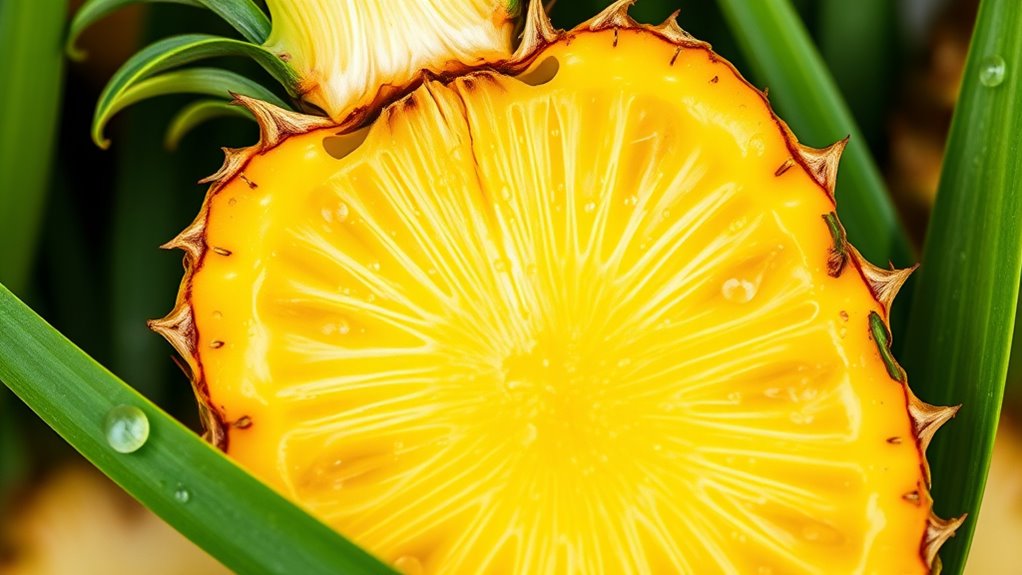
Pineapple contains bromelain, a powerful enzyme known for its anti-inflammatory properties. When you consume bromelain, it helps break down proteins that trigger inflammation, reducing swelling and pain. This enzyme works by modulating your immune response, making it especially helpful for those with allergies or chronic inflammation. Bromelain also enhances the body’s natural healing process by decreasing the production of inflammatory molecules. You can take bromelain supplements or enjoy fresh pineapple to gain its benefits. Incorporating bromelain into your diet may lead to less joint pain, quicker recovery from injuries, and overall reduced inflammation. Just remember, for maximum effectiveness, follow dosage recommendations and consult your healthcare provider if you’re on medication or have health concerns.
Incorporating Licorice Root for Natural Symptom Relief

Building on how bromelain can reduce inflammation, incorporating licorice root offers another natural way to soothe allergy symptoms and inflammation. Licorice root contains compounds that may help calm irritated mucous membranes and support immune function. To use it effectively:
- Choose high-quality licorice root supplements or teas.
- Follow dosage guidelines carefully to avoid potential side effects.
- Combine licorice with other anti-inflammatory herbs for enhanced relief.
- Consult your healthcare provider, especially if you have high blood pressure or are pregnant.
Licorice’s natural anti-inflammatory properties can aid in reducing swelling and congestion. Incorporating it into your routine might provide a gentle, herbal support system for allergy symptoms and overall inflammation management.
Frequently Asked Questions
Are Herbal Antihistamines Safe for Long-Term Allergy Management?
Herbal antihistamines can be safe for long-term allergy management if you use them properly, but it is crucial to consult your healthcare provider first. You should follow recommended dosages and monitor your body’s response regularly. While many herbs are gentle, overuse or self-diagnosing may cause side effects. Always keep your provider informed about your herbal supplement use, especially if you’re taking other medications or have underlying health conditions.
Can Herbal Remedies Replace Conventional Allergy Medications Completely?
Herbal remedies can’t fully replace conventional allergy medications, especially during severe reactions. While they may help reduce mild symptoms and support your immune response, they often lack the potency needed for intense allergies. You should consider them as complementary options rather than replacements. Always consult your healthcare provider before making changes to your allergy management plan, ensuring you get safe, effective relief tailored to your specific needs.
What Are the Potential Side Effects of Using Herbal Antihistamines?
You might experience side effects like stomach upset or drowsiness when using herbal antihistamines. For instance, someone using stinging nettle reported mild headaches and nausea initially. While generally safe, herbs can interact with medications or cause allergic reactions. Always start with small doses and consult your healthcare provider, especially if you’re pregnant, nursing, or taking other medicines. Monitoring your body’s response helps minimize potential adverse effects.
How Do Herbal Antihistamines Compare in Effectiveness to Pharmaceutical Options?
Herbal antihistamines can be effective, but they often work more slowly and less potently than pharmaceutical options. You might notice relief over time, especially with consistent use, but for severe allergies, prescription medications may offer quicker, stronger results. It is important to evaluate your specific symptoms and consult with a healthcare professional to determine whether herbal remedies are suitable or if you need the more immediate relief that pharmaceuticals provide.
Can These Herbal Remedies Be Used Simultaneously With Prescription Allergy Treatments?
Yes, you can often use herbal remedies alongside prescription allergy treatments, but you should always consult your healthcare provider first. Combining them may enhance relief or cause interactions, depending on the herbs and medications. Be cautious about potential side effects or reduced effectiveness. Your healthcare professional can guide you on safe integration, ensuring you get the benefits without risking adverse reactions or compromising your prescribed treatment plan.
Conclusion
Did you know that up to 30% of the global population suffers from allergic conditions? By incorporating herbal remedies like butterbur, quercetin, turmeric, stinging nettle, bromelain, and licorice root into your routine, you can naturally reduce inflammation and allergy symptoms. These powerful herbs offer a safe, effective alternative to traditional medications, helping you breathe easier and feel better without harsh side effects. Start exploring these herbal options today for a healthier, inflammation-free life.