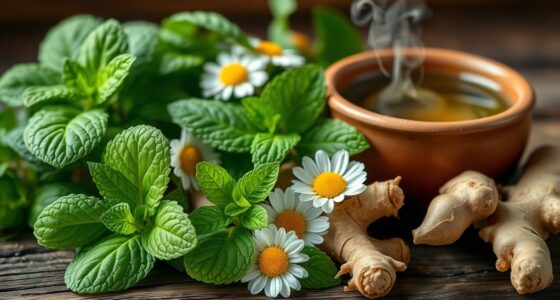
To calm autoimmune flare-ups naturally, incorporate herbs like turmeric and ginger, which are known for their strong anti-inflammatory effects. Use turmeric with black pepper and healthy fats to boost absorption, and enjoy ginger in teas or meals for immune support. Other helpful herbs include licorice root for adrenal health and green tea for immune modulation. Always consult your healthcare provider before adding herbs to your routine, and discover how they can work safely alongside your treatment plan.
Key Takeaways
- Incorporate anti-inflammatory herbs like turmeric, curcumin, and ginger to help reduce flare-up inflammation safely.
- Use ginger for digestive support and immune modulation to enhance overall resilience during flare-ups.
- Consider herbal adrenal support with licorice root and immune modulation with green tea polyphenols under healthcare supervision.
- Consult healthcare professionals before adding herbs, disclose all supplements, and monitor for allergic reactions or interactions.
- Combine herbal strategies with lifestyle and medical treatments for a comprehensive approach to managing autoimmune flare-ups.
Understanding the Role of Herbs in Autoimmune Management

Herbs have gained popularity as natural options to support autoimmune management, but understanding their role is essential. You should see herbs as complementary tools rather than cures. They can help modulate inflammation, support immune balance, and boost overall well-being. For example, some herbs contain compounds that may help calm an overactive immune response or reduce inflammation in affected tissues. However, not all herbs work the same for everyone, and their effects depend on dosage and individual health conditions. Always consult with a healthcare professional before adding herbs to your routine. Proper use can enhance your body’s ability to manage flare-ups, but relying solely on herbs without medical guidance can be risky. Remember, herbs are part of a broader approach, including lifestyle and medical strategies.
Turmeric and Curcumin: Nature’s Powerful Anti-Inflammatory

Turmeric and curcumin are renowned for their strong anti-inflammatory properties, which can help reduce flare-ups. You can enhance their effectiveness by combining them with ingredients like black pepper, which naturally boosts absorption. Incorporating these into your routine may provide powerful support for managing autoimmune symptoms.
Potent Anti-Inflammatory Effects
Because of its powerful anti-inflammatory properties, turmeric and its active compound, curcumin, have gained recognition as natural remedies for autoimmune flare-ups. Curcumin works by inhibiting molecules that promote inflammation, helping to reduce swelling, pain, and tissue damage. Studies show it can modulate immune responses, balancing immune activity without suppressing it entirely. When you incorporate turmeric into your diet or supplements, you’re providing your body with a potent tool to fight inflammation at its source. Its effects extend beyond simple pain relief, targeting the biochemical pathways that drive autoimmune responses. This makes turmeric a valuable addition to your herbal strategy for managing flare-ups and supporting overall immune health. Just remember, consistent use and proper dosing are key to experiencing its full benefits.
Enhancing Absorption Naturally
While turmeric and curcumin offer powerful anti-inflammatory benefits, their effectiveness depends heavily on how well your body absorbs them. To boost absorption naturally, pair turmeric with black pepper, which contains piperine—a compound that can increase bioavailability by up to 2000%. Additionally, consuming turmeric with healthy fats like olive oil or coconut oil helps the curcumin dissolve better, making it easier for your body to utilize. Cooking turmeric lightly or adding it to warm dishes also enhances absorption. Avoid taking high doses on an empty stomach, as this can reduce effectiveness. Incorporating these simple strategies guarantees you get the maximum benefit from turmeric and curcumin, helping to calm inflammation and support your immune system more effectively.
Ginger: A Spicy Remedy for Immune Support
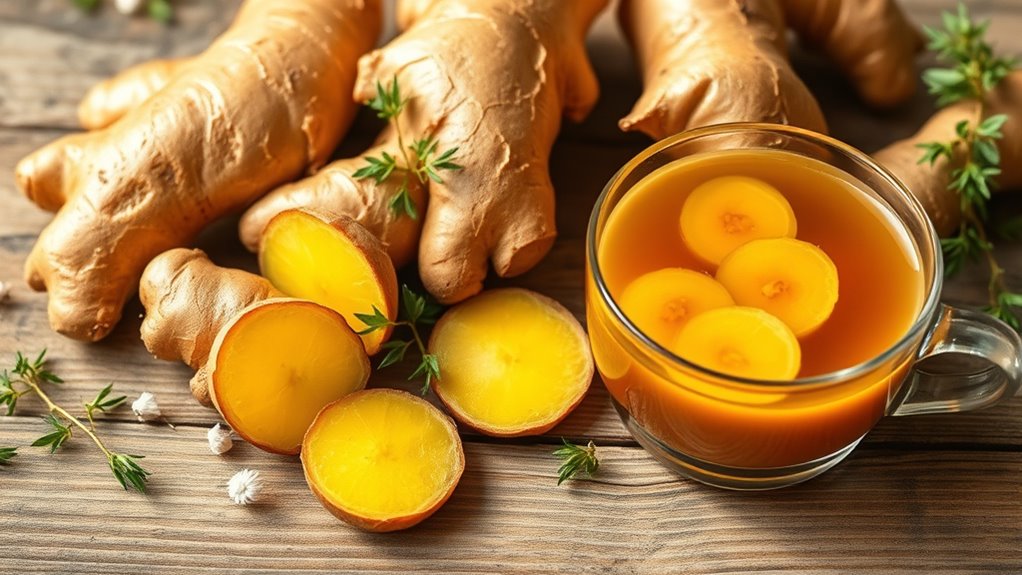
Ginger is a powerful spice that can help reduce inflammation and soothe your digestive system. It also supports your immune system, making it a valuable addition during flare-ups. Incorporating ginger into your routine may boost your overall health and resilience.
Anti-inflammatory Properties
If you’re looking for natural ways to reduce inflammation during autoimmune flare-ups, ginger stands out as a potent remedy. Its bioactive compounds, like gingerol, have powerful anti-inflammatory effects that can help calm your immune response. Ginger inhibits the production of prostaglandins and leukotrienes, which are chemicals that promote inflammation. Incorporating fresh ginger into your diet or taking it as a supplement can provide noticeable relief from joint pain, swelling, and fatigue. Unlike some medications, ginger offers a gentle approach without harsh side effects. Regularly using ginger may help modulate your body’s inflammatory response over time, supporting your overall health and comfort during flare-ups. Remember, combining ginger with other herbal strategies can enhance its anti-inflammatory benefits.
Digestive Benefits Boosted
Because it stimulates the digestive system, ginger can markedly enhance nutrient absorption and ease gastrointestinal discomfort during autoimmune flare-ups. This spicy root promotes healthy digestion by increasing saliva, bile, and gastric juices, helping your body process food more efficiently. As a result, you may experience less bloating, gas, and indigestion, which are common during flare-ups. Incorporating ginger into your diet can also support gut integrity and reduce inflammation in the digestive tract. To maximize its benefits, consider adding fresh ginger to teas, smoothies, or meals. Its natural compounds work synergistically to promote digestive harmony, so you feel more comfortable and better nourished during challenging times.
- Supports gut lining health and reduces irritation
- Enhances the breakdown of nutrients for better absorption
- Promotes overall digestive balance and comfort
Immune System Support
Have you ever wondered how a fiery root can boost your immune defenses? Ginger is a powerful herb known for its anti-inflammatory properties, which help modulate your immune response. It contains compounds like gingerol that activate your immune cells, making them more effective at fighting off pathogens. Regularly including ginger in your diet can reduce the severity and duration of colds and infections. Ginger also helps balance immune activity, preventing overreactions that may worsen autoimmune symptoms. You can add fresh ginger to teas, smoothies, or stir-fries for a natural boost. Its warming, spicy flavor not only enhances taste but also supports your immune system’s resilience. Incorporating ginger into your routine offers a simple, effective way to strengthen your defenses naturally.
Boswellia Serrata: Supporting Joint and Tissue Health

Boswellia serrata, a natural resin extract, has gained recognition for its ability to support joint and tissue health, especially during autoimmune flare-ups. Its active compounds, known as boswellic acids, help reduce inflammation and improve mobility. You may notice decreased swelling and pain as inflammation subsides. Incorporating Boswellia into your routine can also promote healthy tissue repair and flexibility. To maximize its benefits, consider:
- Using standardized extracts for consistent potency
- Combining with other anti-inflammatory herbs for synergy
- Following recommended dosages for optimal results
Ashwagandha: Adaptogenic Herbs for Immune Balance

Curious about how to support your immune system during autoimmune flare-ups? Ashwagandha is a powerful adaptogen that can help you restore balance. It works by modulating your body’s stress response, which often worsens inflammation during flares. When you take ashwagandha, you may notice reduced cortisol levels, helping to calm your immune system’s overreaction. This herb also enhances your energy and mental clarity, which can decline during periods of heightened inflammation. Unlike stimulants, ashwagandha gently encourages your body to adapt to stressors, making it easier to manage autoimmune symptoms. Incorporating it into your routine may help stabilize immune activity and reduce the severity of flare-ups. Remember to consult with your healthcare provider before starting any herbal supplement to prevent it from interfering with your specific needs.
Licorice Root: Soothing Inflammation and Supporting Adrenal Function

Licorice root has long been valued for its ability to soothe inflammation and support adrenal health, making it a useful herbal ally during autoimmune flare-ups. It contains compounds like glycyrrhizin, which help modulate inflammatory responses and bolster adrenal function, aiding your body’s stress management. Incorporating licorice root may help reduce symptoms of fatigue, inflammation, and hormonal imbalance. However, it’s important to use it mindfully, as excessive intake can lead to side effects such as increased blood pressure or electrolyte imbalances. When considering licorice, keep in mind:
- It can support cortisol production, helping your body adapt to stress
- It may improve energy levels during flare-ups
- Long-term use should be monitored by a healthcare professional
Use it as part of a balanced herbal approach to soothe inflammation and strengthen your adrenal resilience.
Green Tea and Its Polyphenols for Immune Modulation
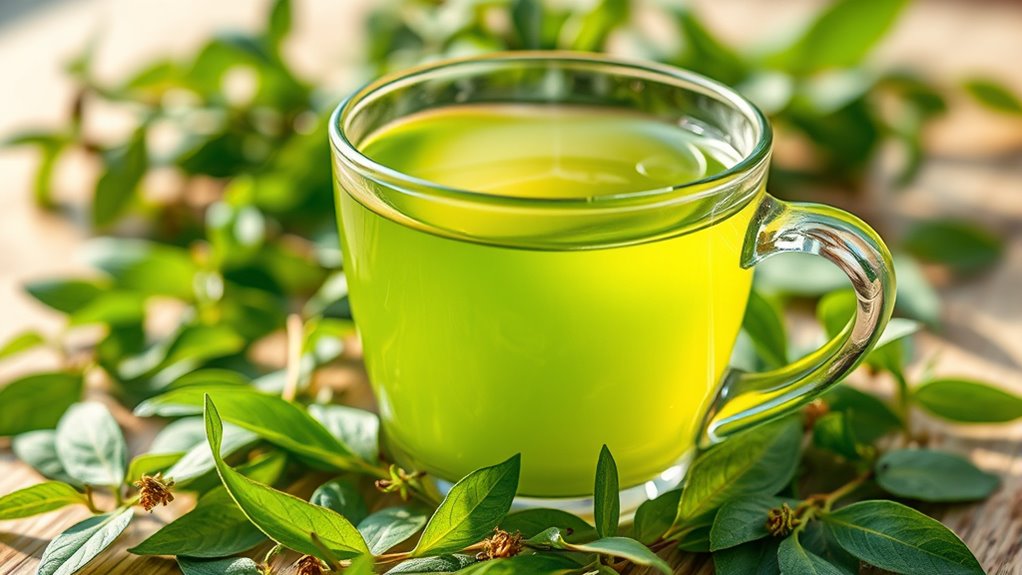
Green tea is rich in polyphenols, particularly catechins like epigallocatechin gallate (EGCG), which have powerful immune-modulating properties. These compounds help regulate immune responses, reducing inflammation and preventing immune overactivity that can trigger flare-ups. Regularly drinking green tea can support your immune system by neutralizing free radicals and inhibiting pro-inflammatory enzymes. EGCG specifically influences immune cells, encouraging a balanced response and calming excessive inflammation. Incorporating green tea into your daily routine offers a natural way to support immune health without harsh medications. Keep in mind, while green tea has benefits, it’s best to consume it in moderation. This way, you can enjoy its immune-modulating effects without risking potential side effects from overconsumption.
Incorporating Herbal Teas and Supplements Safely

While herbal teas and supplements can offer beneficial immune support, incorporating them safely is essential to avoid adverse effects or interactions. Always consult with your healthcare provider before adding new herbs, especially if you’re on medication or managing a flare-up. Start with small doses to monitor how your body responds. Be aware that some herbs can interfere with your current treatments or worsen symptoms. To guarantee safe use, consider these tips:
- Choose reputable brands that undergo quality testing
- Keep track of any new symptoms or side effects
- Avoid combining multiple supplements without guidance
Staying informed and cautious helps you harness the benefits of herbal remedies without risking unwanted complications. Remember, informed use is key to safely integrating herbal teas and supplements into your autoimmune management plan.
Precautions and Working With Healthcare Providers

Working closely with your healthcare provider is essential when managing autoimmune flare-ups, as they can help you navigate treatment options and avoid potential complications. Before trying new herbal remedies or supplements, discuss them with your provider to verify they won’t interfere with your medications or worsen your condition. Always disclose all supplements you’re taking, including herbal teas and extracts. Be cautious of herbal products that may cause allergic reactions or side effects. Regular check-ins allow your provider to monitor your progress and adjust treatments as needed. Remember, herbal strategies are supportive, not replacements for prescribed therapies. Prioritize open communication, follow medical advice, and never hesitate to ask questions. This collaboration helps you manage your autoimmune health safely and effectively.
Frequently Asked Questions
Can Herbal Remedies Replace Conventional Autoimmune Treatments Safely?
Herbal remedies shouldn’t replace conventional autoimmune treatments without your healthcare provider’s guidance. While herbs can complement your treatment plan and help reduce inflammation, they aren’t proven to fully control autoimmune conditions on their own. Always consult your doctor before adding herbs, especially if you’re on medication, to avoid adverse interactions. Combining conventional and herbal approaches under medical supervision offers the safest way to manage your autoimmune health effectively.
How Quickly Can I Expect Herbal Interventions to Reduce Flare Symptoms?
You might notice some relief within a few days, but for others, it can take several weeks of consistent herbal use. Keep in mind, everyone’s response varies based on your condition, dosage, and overall health. It’s important to be patient and monitor your symptoms closely. Combining herbal strategies with your healthcare provider’s guidance ensures safer, more effective management of flare-ups, and helps you gauge when adjustments are needed.
Are There Specific Herbs Recommended for Different Autoimmune Diseases?
Herbs act like skilled artisans, tailoring relief for your autoimmune needs. For rheumatoid arthritis, turmeric and ginger are your trusty allies, soothing joint inflammation. Lupus patients often find comfort in boswellia and turmeric, while those with multiple sclerosis might benefit from omega-3-rich herbs like flaxseed. Remember, consult your healthcare provider before starting any herbal regimen, as personalized guidance guarantees you’re nurturing your body safely and effectively.
What Are the Signs of Herbal Supplement Interactions With Medications?
You should watch for signs like unexpected side effects, changes in how your medications work, or new symptoms that develop after starting herbal supplements. If you notice dizziness, stomach issues, or allergic reactions, stop the supplement and consult your healthcare provider right away. Keep track of any new or worsening symptoms, and always inform your doctor about all herbs and medications you’re taking to prevent harmful interactions.
How Do I Determine the Correct Dosage of Herbal Supplements for Autoimmune Flare-Ups?
Determining the right herbal supplement dosage is like tuning a delicate instrument—you want harmony, not discord. Start by consulting your healthcare provider or a qualified herbalist to get personalized advice. Follow label instructions carefully, and begin with the lowest effective dose. Keep a journal to track your symptoms and any side effects. Adjust gradually, listening to your body’s responses, until you find the balance that works best for you.
Conclusion
Harness herbs wisely to help halt inflammation and soothe symptoms. By blending bold botanicals like turmeric, ginger, and green tea into your routine, you can support your immune system naturally. Remember, moderation and mindfulness matter—consult your healthcare provider before starting any new supplement. With careful caution and consistent care, you can create a calming, comforting counterbalance to autoimmune flare-ups. Embrace herbal harmony and take charge of your health today!