Setting up a cold plunge at home can be rewarding, but picking the wrong setup can cause safety issues and reduce its benefits. Make sure your tub is large enough for proper submersion, and keep the water cold enough—around 50-59°F—without risking hypothermia or skin damage. Proper insulation and drainage are essential to maintain consistent temperatures and cleanliness. Carefully considering safety features and maintenance will help you create an effective, safe recovery tool. Keep going to discover how to get it just right.
Key Takeaways
- Choosing the right size ensures full body submersion for maximum recovery benefits.
- Proper temperature regulation prevents water from being too warm or too cold, avoiding health risks.
- Insulation helps maintain cold temperatures, reducing ice and water costs over time.
- Safe setup with stable, non-slip surfaces and rounded edges minimizes injury risks.
- Regular cleaning and drainage prevent bacteria buildup, ensuring safety and water quality.

Taking a cold plunge at home is a simple yet effective way to boost your recovery, improve circulation, and enhance mental clarity. An ice bath is a popular recovery technique among athletes and fitness enthusiasts, offering a quick way to reduce muscle soreness and inflammation. But before you plunge in, it’s vital to set up your cold plunge properly. Picking the wrong setup can turn what should be a beneficial routine into an uncomfortable or even unsafe experience.
When choosing your setup, the first thing to think about is temperature control. If your ice bath isn’t cold enough, you won’t get the full benefits of recovery techniques that help reduce swelling and speed up muscle repair. Conversely, if it’s too cold, you risk hypothermia or skin damage. A good rule of thumb is to aim for a temperature between 50 and 59 degrees Fahrenheit. To achieve this, you need a reliable way to regulate ice and water levels and monitor temperature consistently. Proper temperature regulation is essential for maintaining a safe and effective cold plunge. Ensuring your setup includes temperature monitoring can help you stay within the optimal range and prevent potential health risks. Additionally, selecting a setup with reliable temperature control mechanisms can prevent fluctuations that may compromise safety.
Next, reflect on the size and shape of your setup. If you opt for a small tub that barely fits your legs, you might find it uncomfortable or limiting. A larger container allows you to submerge more of your body, maximizing the benefits of cold exposure. However, it also requires more ice and water, which can be inconvenient and costly. You want a setup that balances comfort, practicality, and cost-effectiveness. Many people use stock tanks, large plastic tubs, or even repurposed bathtubs for this purpose. Proper planning in setup design can greatly improve your cold plunge experience and efficiency.
Another common mistake is neglecting insulation and drainage. Without proper insulation, your ice bath can warm up quickly, forcing you to add more ice constantly. This increases costs and makes it harder to maintain a consistent temperature. An insulated cover or wrapping can help keep your bath cold longer. Additionally, make sure your setup has a drain or a way to easily empty and refill it. This keeps the water clean and reduces the buildup of bacteria or unpleasant odors over time.
Finally, safety should be your top priority. Make sure your setup is stable, free of sharp edges, and placed on a non-slip surface. Have a towel or robe nearby, and never enter the ice bath alone in case you need assistance. Properly setting up your ice bath means you’ll be able to incorporate your recovery techniques seamlessly into your routine without risking discomfort or injury. Additionally, temperature regulation is crucial for maintaining a safe and effective cold plunge. When done right, your cold plunge becomes a safe, effective tool that complements your fitness journey rather than a potential hazard.

The Pod Company Ice Pod Pro Cold Plunge Tub, 110 Gallon (420L) Inflatable Ice Bath for Adults, Fits Up to 6'7", Insulated, Chiller Compatible, BPA-Free, UV-Resistant Nylon, Dual Drain Hoses
NEXT-LEVEL COLD PLUNGING – The Ice Pod Pro delivers a premium at-home cold therapy experience with upgraded materials,…
As an affiliate, we earn on qualifying purchases.
As an affiliate, we earn on qualifying purchases.
Frequently Asked Questions
How Long Should I Stay in a Cold Plunge?
You should stay in a cold plunge for about 1 to 3 minutes, depending on your experience. Keep immersion duration short to prevent cold shock, which can cause rapid breathing or dizziness. Start with a brief session, then gradually increase as your body adapts. Always listen to your body—if you feel numb or uncomfortable, get out immediately. Proper timing guarantees safety while maximizing the benefits of cold therapy.
Can I Use Tap Water for My Cold Plunge?
You can use tap water for your cold plunge, but you should consider water filtration and chemical treatment. Tap water may contain impurities or bacteria, so installing a good filtration system helps keep it clean. Additionally, using safe chemical treatments like chlorine or bromine guarantees proper sanitation. Regularly monitoring and maintaining the water quality prevents odors, bacteria, and algae growth, making your cold plunge safe and enjoyable.
What Are the Safety Risks of Cold Plunging at Home?
You face safety risks with cold plunging at home, especially if you don’t manage temperature regulation properly. Sudden drops in water temperature can cause shock or hypothermia, so always monitor water temperature closely. Also, prepare emergency measures, like having a phone nearby and knowing how to get help. Ignoring these precautions increases risks, so prioritize safety to enjoy the benefits without danger.
How Often Should I Cold Plunge Each Week?
You should cold plunge about two to three times a week, allowing your body to adapt. Focus on temperature regulation by keeping the water between 50-59°F, and use immersion techniques like gradual immersion to prevent shock. Listen to your body and avoid overdoing it, as excessive cold exposure can lead to health risks. Consistency and proper techniques help you enjoy the benefits safely while minimizing risks.
Is a Heated Cold Plunge Better Than a Cold One?
A heated cold plunge isn’t necessarily better than a traditional cold one; it depends on your goals. If you’re seeking temperature regulation and mental health benefits, a cold plunge stimulates circulation and mood improvement. A heated version may ease discomfort or help with recovery, but it won’t give you the same intense cold shock response. Choose based on your needs—cold for resilience, heat for relaxation and comfort.

IcyDive XL 105GL Cold Plunge Tub for Adults, 5-Layer Insulated Inflatable Ice Bath & Recovery Tub with Pump, Thermometer, 3 Reusable Ice Packs, Inflatable Lid & Drain, Indoor/Outdoor Athlete Bundle
PROFESSIONAL RECOVERY: Experience targeted cold therapy and cold-water immersion to reduce soreness, speed muscle recovery and improve circulation…
As an affiliate, we earn on qualifying purchases.
As an affiliate, we earn on qualifying purchases.
Conclusion
So, before you dive headfirst into the icy waters of a home cold plunge, remember—choosing the right setup is your lifeboat in this chilly adventure. A poorly chosen setup can turn your invigorating ritual into a frosty nightmare. Think of it like trying to wear flip-flops in a snowstorm—you’re just asking for trouble. Pick wisely, stay safe, and let your cold plunge become a brisk breeze rather than a blizzard. Happy chilling!
The Pod Company Ice Pod Pro Cold Plunge Tub, 110 Gallon (420L) Inflatable Ice Bath for Adults, Fits Up to 6'7", Insulated, Chiller Compatible, BPA-Free, UV-Resistant Nylon, Dual Drain Hoses
NEXT-LEVEL COLD PLUNGING – The Ice Pod Pro delivers a premium at-home cold therapy experience with upgraded materials,…
As an affiliate, we earn on qualifying purchases.
As an affiliate, we earn on qualifying purchases.
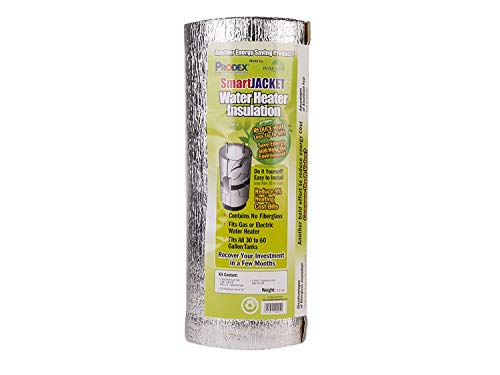
SmartJacket SJ-80 5mm Polyethylene Water Heater Blanket Insulation, Fits 20-80 Gallon Tanks, Energy Star Certified, Easy to Install & Clean, No Fiberglass, Non-Toxic
Save Money, Energy and Help the Environment!!! SAVE 2x MORE WITH OUR PRODUCT!!! 5MM THICKNESS!!!
As an affiliate, we earn on qualifying purchases.
As an affiliate, we earn on qualifying purchases.