To recover naturally from post-viral inflammation, incorporate herbs like turmeric, ginger, and echinacea into your routine. Turmeric’s curcumin helps reduce inflammation and supports immune healing, especially when paired with black pepper. Ginger soothes sore throats and boosts circulation, while echinacea enhances your immune response. Additionally, adaptogens like ashwagandha improve resilience and balance stress. Staying consistent with these herbs can promote faster recovery and overall wellness—you’ll find more ways to optimize your healing process ahead.
Key Takeaways
- Incorporate anti-inflammatory herbs like ginger, turmeric, and Boswellia to naturally reduce post-viral swelling and joint pain.
- Use turmeric’s curcumin with black pepper to enhance immune support and tissue healing after viral infections.
- Consume ginger regularly to soothe respiratory inflammation and stimulate circulation for faster recovery.
- Boost immunity and decrease inflammation with Echinacea through teas or supplements during post-viral recovery.
- Add adaptogens such as ashwagandha and holy basil to improve stress resilience, hormone balance, and overall immune health.
Top Herbs for Reducing Inflammation
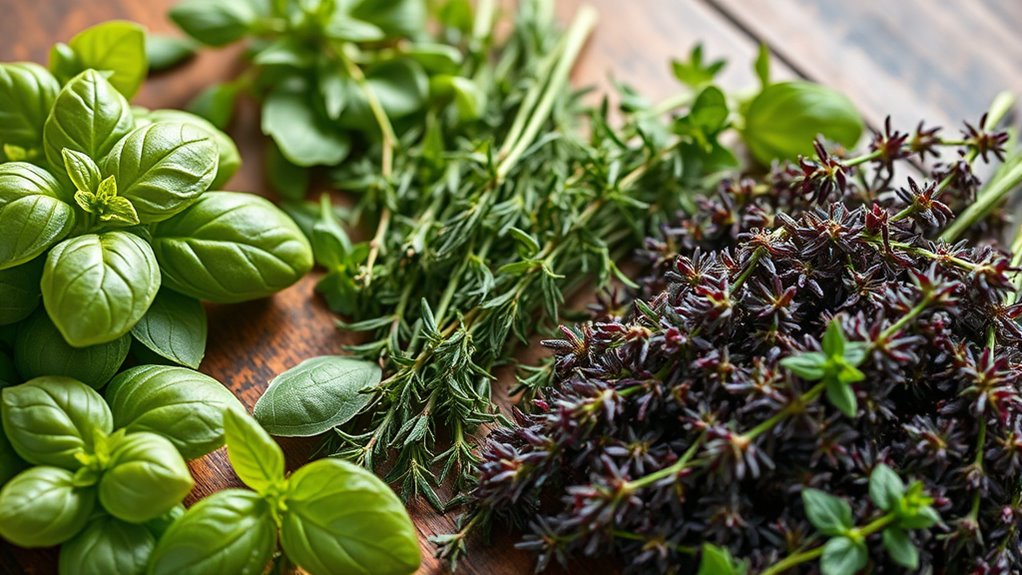
When it comes to reducing post-viral inflammation, incorporating certain herbs into your routine can be highly effective. Herbs like ginger, turmeric, and Boswellia are known for their anti-inflammatory properties. Ginger contains compounds that help decrease swelling and support immune function, making it a great addition to teas or meals. Turmeric, with its active ingredient curcumin, can help calm inflammation when taken regularly. Boswellia, or frankincense, is often used in supplement form to reduce joint pain and swelling. You can incorporate these herbs into your diet or use supplements to help your body fight inflammation naturally. Consistent use, alongside other healthy habits, can support your recovery process and ease discomfort caused by post-viral inflammation.
How Turmeric Supports Immune Recovery

Turmeric plays a powerful role in supporting your immune recovery thanks to its active compound, curcumin. This potent antioxidant helps reduce inflammation, which is essential after a viral illness. Curcumin also modulates your immune system by balancing your immune response, preventing excessive inflammation or immune suppression. Regularly incorporating turmeric into your diet can promote healing and restore your body’s defenses. Its anti-inflammatory properties help soothe tissues affected by post-viral inflammation, allowing your immune system to recover more efficiently. Additionally, curcumin can enhance your body’s ability to fight off residual infections and prevent secondary complications. To maximize its benefits, pair turmeric with black pepper, which boosts curcumin absorption, making it even more effective in supporting your immune recovery process.
The Benefits of Ginger in Healing Post-Viral Symptoms
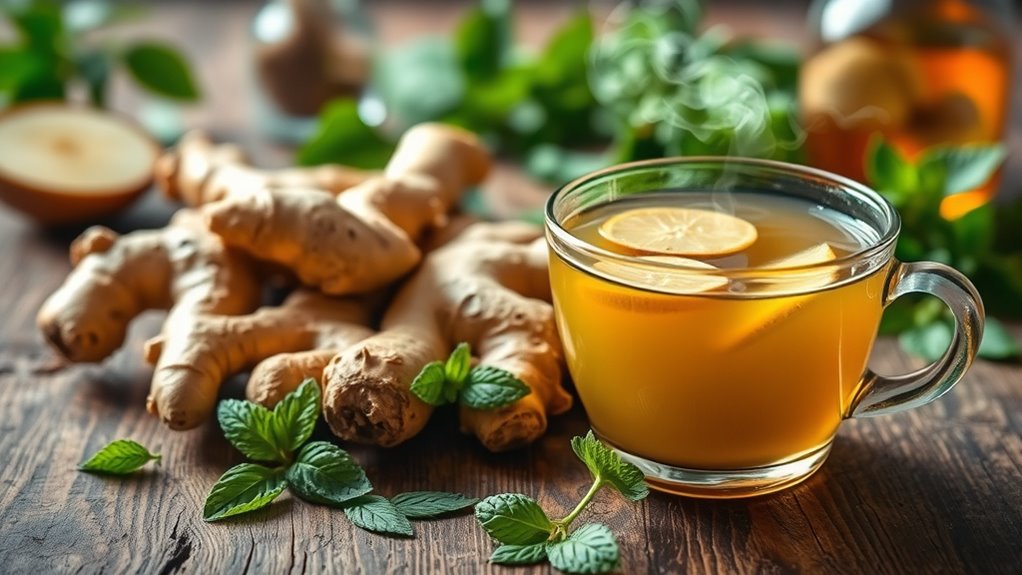
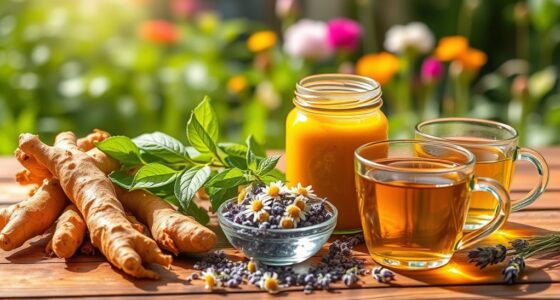
Ginger has long been valued for its powerful anti-inflammatory and antimicrobial properties, making it a valuable ally in healing post-viral symptoms. It helps reduce inflammation in your respiratory system and soothes sore throats, allowing your body to recover more comfortably. Ginger also stimulates circulation, which can support your immune system’s ability to clear residual viral particles. Its natural compounds, like gingerol, fight off lingering infections and lessen fatigue. You can incorporate ginger into your diet easily—brew it as tea, add fresh slices to meals, or take supplements. Regular use may help speed up recovery, decrease lingering symptoms, and restore your energy levels. With its long history of medicinal use, ginger remains a trusted, natural remedy for healing after viral infections.
Using Echinacea to Boost Your Body’s Defense

Echinacea has been used for centuries as a natural remedy to strengthen your immune system and fight off infections. It contains compounds that stimulate immune responses, helping your body defend itself more effectively. When you’re recovering from a virus, Echinacea can support your immune health in several ways:
- Boosts white blood cell activity, increasing infection-fighting power.
- Reduces the duration and severity of colds and flu.
- Helps decrease inflammation caused by viral recovery.
- Supports overall immune balance, preventing future infections.
Taking Echinacea as a tea, tincture, or supplement can give your immune system an extra edge during post-viral recovery. Use it consistently to see the best results and help your body recover faster.
Incorporating Adaptogenic Herbs for Overall Wellness
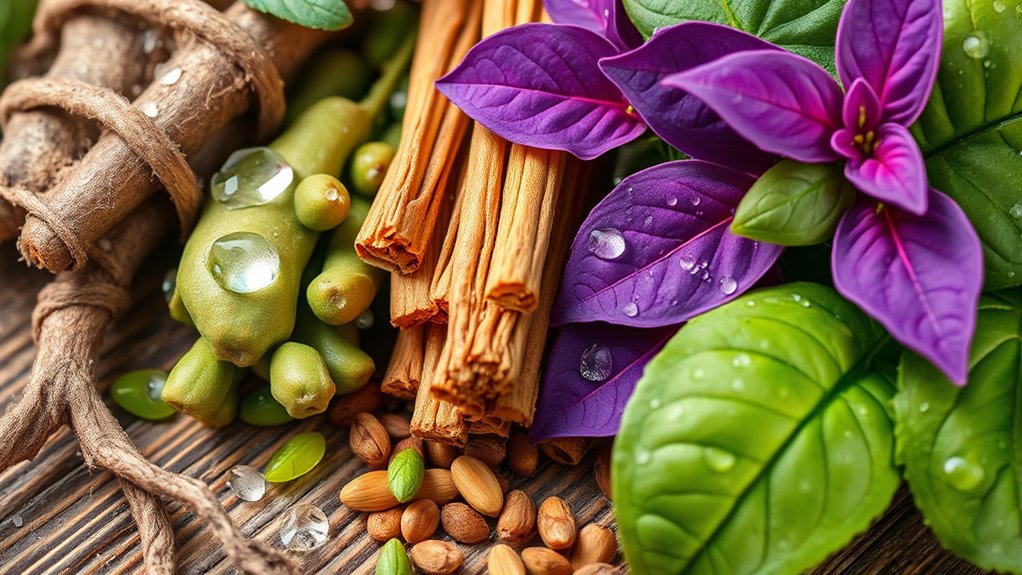
After supporting your immune system with herbs like Echinacea during recovery, incorporating adaptogenic herbs can further enhance your overall wellness. These herbs help your body adapt to stress, balance hormones, and improve resilience. Ashwagandha, Rhodiola, and holy basil are powerful options to contemplate. They work by reducing cortisol levels, boosting energy, and promoting mental clarity. Including adaptogens in your routine supports your body’s capacity to recover and maintain equilibrium after illness. You can add these herbs as teas, supplements, or tinctures, making them easy to incorporate into your daily life. Consistent use helps stabilize your mood, improve stamina, and bolster your immune defenses. By integrating adaptogenic herbs, you give your body a natural boost, promoting long-term health and resilience post-viral recovery.
Frequently Asked Questions
Are Herbal Remedies Safe for Everyone During Post-Viral Recovery?
Herbal remedies aren’t safe for everyone during post-viral recovery. You should always consult your healthcare provider before using herbs, especially if you’re pregnant, nursing, have allergies, or take medications. Some herbs can interact negatively with medicines or cause side effects. Always follow dosage instructions and start with small amounts to see how your body reacts. Prioritize professional guidance to guarantee safe, effective recovery using herbs.
How Long Does It Typically Take to See Herbal Treatment Results?
You might start noticing herbal treatment results within a week or two, as your body begins to embrace the gentle healing process. Picture your energy blooming like spring buds, gradually easing inflammation and restoring balance. While some herbs act quickly, others take time—so patience is key. Consistent use, combined with proper rest and hydration, helps accelerate recovery, guiding you smoothly back to vibrant health.
Can Herbs Replace Conventional Medications for Post-Viral Inflammation?
Herbs shouldn’t replace conventional medications without your healthcare provider’s guidance. While natural remedies can support your recovery and reduce inflammation, they often work best alongside prescribed treatments. You might find herbs like turmeric or ginger helpful, but it’s essential to discuss your plans with a doctor first. Relying solely on herbs could delay necessary medical intervention, so always prioritize professional advice for post-viral inflammation.
Are There Any Side Effects Associated With Long-Term Herbal Use?
Yes, there can be side effects with long-term herbal use. You might experience allergic reactions, digestive issues, or interactions with medications you’re already taking. It is crucial to use herbs responsibly and consult with a healthcare professional before making them a regular part of your routine. Monitoring your body’s response helps prevent adverse effects, ensuring you benefit safely from herbal remedies without risking unwanted side effects.
How Should Herbs Be Integrated Into a Post-Viral Recovery Plan?
You should incorporate herbs gradually into your recovery plan, starting with small doses to monitor your body’s response. Consult a healthcare professional to choose the right herbs for your specific needs and follow recommended dosages. Use herbs alongside rest, hydration, and proper nutrition to support healing. Consistent, mindful use helps maximize benefits while minimizing potential risks, ensuring a safe and effective post-viral recovery.
Conclusion
As you embrace these herbal allies, imagine your body as a resilient garden, gradually clearing away the lingering weeds of inflammation. With each sip of turmeric’s golden warmth, a gentle fire sparks your immune system back to life. Ginger’s spicy embrace soothes your tissues, while echinacea’s vibrant shield guards your vigor. Incorporate these natural herbs into your routine, and watch your body bloom back to health, vibrant and strong, like a sunrise after a long night.