
Watch out for early signs like controlling behaviors, such as constantly checking your whereabouts, dismissing your opinions, or trying to isolate you from friends. Be alert to emotional manipulation, like guilt-tripping or making you doubt your perceptions. Notice if they respond to disagreements with anger or silence, or if they shift blame instead of taking responsibility. Trust your instincts and set boundaries early—if these patterns show up, it’s a signal to pay closer attention to potential red flags.
Key Takeaways
- Watch for emotional manipulation tactics like guilt-tripping or making you doubt your perceptions early in the relationship.
- Notice controlling behaviors such as constant check-ins or isolating you from friends.
- Be alert to signs of insecurity manifesting as attempts to dominate or undermine your independence.
- Pay attention to toxic communication patterns like blame-shifting, silence, or dismissive responses.
- Trust your instincts and set clear boundaries when feeling uncomfortable or sensing manipulation.
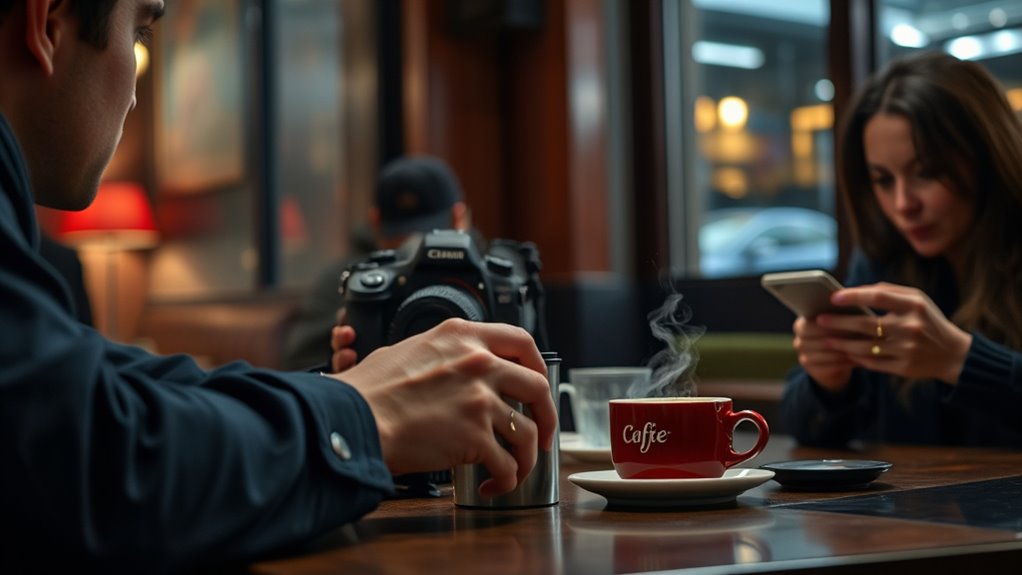
When you’re dating, spotting red flags early can save you from future heartache. One of the most important signs to watch out for is emotional manipulation and controlling behavior. If your partner consistently tries to influence your feelings or decisions, it’s a warning sign that they might be trying to dominate or undermine your independence. Emotional manipulation can be subtle—perhaps they guilt-trip you into doing things you’re uncomfortable with, make you doubt your perceptions, or use your vulnerabilities against you. Recognizing these tactics early helps you set boundaries before the situation escalates or affects your self-esteem.
Spotting emotional manipulation early can protect your independence and prevent future heartbreak.
Controlling behavior often manifests in small ways that can seem innocent at first, but they quickly become problematic. For example, your partner might insist on knowing your whereabouts at all times, scrutinize your interactions with friends, or dismiss your opinions as unimportant. They may try to isolate you from your support network, making you feel increasingly dependent on them. This need for control isn’t just about caring; it’s about power. When someone tries to manipulate your emotions or control your actions, they’re often insecure or trying to compensate for their own issues. Recognizing these patterns early on allows you to address them before they deepen and become more damaging.
You might also notice that your partner responds to disagreements with anger, silence, or blame-shifting, rather than healthy communication. This kind of behavior often indicates a reluctance to accept responsibility or a desire to control the narrative. It’s easier for them to manipulate your feelings than to engage in honest dialogue. If they dismiss your concerns or make you feel guilty for expressing yourself, it’s a red flag that emotional manipulation is at play. Over time, this can erode your confidence and create a toxic dynamic where you feel you’re walking on eggshells.
The key is to trust your instincts. If something feels off—if your partner’s actions seem designed to make you doubt yourself or surrender your independence—pay attention. It’s not about jumping to conclusions but about being aware of patterns that suggest controlling behavior or emotional manipulation. Setting clear boundaries and communicating openly are essential, but if these behaviors persist or worsen, it’s a sign that this relationship might not be healthy. Early recognition of these red flags can empower you to make choices that protect your well-being and emotional health.
Top picks for "flag watch early"
Open Amazon search results for this keyword.
As an affiliate, we earn on qualifying purchases.
Frequently Asked Questions
How Can I Differentiate Between a Red Flag and a Normal Behavior?
You can differentiate between a red flag and normal behavior by trusting your gut and observing if your concern grows over time. Harmless quirks are usually consistent and don’t affect your well-being, while red flags often cause ongoing worry or discomfort. Pay attention to patterns—if something consistently feels off, it’s worth addressing. Remember, healthy relationships balance trust with awareness, so don’t dismiss early signs that might indicate deeper issues.
Are There Any Red Flags That Are Easy to Overlook?
Yes, some red flags are subtle signs that you might easily overlook, like inconsistent communication or dismissive behavior. Common misconceptions often lead you to think these are normal, but they can signal deeper issues. Pay attention to how they respond under pressure or when boundaries are tested. Trust your instincts—these small clues can reveal a lot about their true character, even if they seem minor at first.
How Soon Should I Address Red Flags With My Partner?
Think of addressing red flags like tending a garden—timing considerations matter. You should bring up concerns when you notice them, but only if you feel emotionally ready. Rushing in too soon might cause unnecessary tension, while waiting too long can let issues grow. Trust your instincts, and find a balance. Clear, honest conversations when you’re prepared help nurture understanding and strengthen your relationship.
Can Red Flags Indicate Future Relationship Success or Failure?
Red flags can hint at future relationship success or failure, especially if trustworthiness concerns or emotional availability issues arise early. If you notice these red flags, they might signal deeper problems that could impact long-term compatibility. Trust your instincts, communicate openly, and observe how your partner addresses these concerns. Addressing red flags early helps determine if the relationship has a healthy foundation or if it’s headed for trouble.
What Are Signs of Red Flags That Are Specific to Online Dating?
Think of online dating as steering through a maze; red flags are hidden traps. You’ll notice ghosting patterns, where someone suddenly disappears without explanation, or fake profiles that seem too perfect or inconsistent. These signs reveal dishonesty and disinterest early on. Be cautious if conversations feel one-sided or if someone avoids genuine questions. Trust your instincts—these online red flags often signal trouble ahead, so proceed carefully before investing emotionally.
Conclusion
Remember, every budding connection has its own rhythm, but keep an eye out for subtle signals that might hint at stormier seas ahead. Trust your intuition and don’t ignore those quiet whispers—sometimes, the brightest stars hide behind dark clouds. By paying attention early on, you can steer clear of rough waters and find a relationship that feels like smooth sailing. Stay true to yourself, and the right tide will carry you toward calmer, brighter shores.