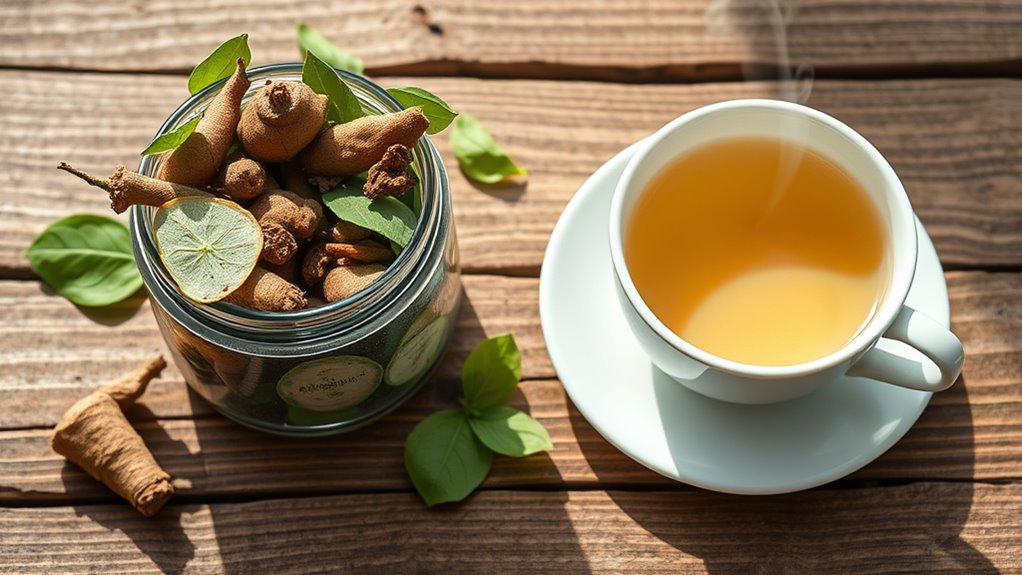

If you’re choosing between adaptogens and sedatives for anxiety, consider your needs: adaptogens like ashwagandha support long-term stress resilience and gradually balance mood, while sedatives offer quick relief during acute episodes by calming overactive nerves. Adaptogens are generally safe for ongoing use with minimal side effects, whereas sedatives may cause dependency and drowsiness. Understanding how each works can help you select the best option for your situation—explore further to find the approach that suits you best.
Key Takeaways
- Sedatives provide rapid relief for acute anxiety, while adaptogens support long-term stress resilience.
- Adaptogens are generally safer with minimal side effects, unlike sedatives which may cause dependency.
- Use sedatives for immediate calming; rely on adaptogens for gradual mood stabilization over weeks.
- Combining both can address immediate needs and build overall stress tolerance effectively.
- Choose based on whether quick symptom relief or sustained anxiety management aligns with your lifestyle.
Understanding Adaptogens and Their Effects on Anxiety

While adaptogens have gained popularity for their ability to help manage stress, understanding how they affect anxiety is essential. These natural herbs and roots support your body’s resilience to stressors, promoting balance in your nervous system. Unlike sedatives, adaptogens don’t numb your senses or induce sleep directly; instead, they work gradually to stabilize your mood and energy levels. Many adaptogens, like ashwagandha and Rhodiola, influence your adrenal glands, helping to regulate cortisol—the stress hormone. This regulation can reduce feelings of anxiety over time, making you feel calmer and more centered. It’s important to remember that adaptogens aren’t a quick fix. Their effects develop with consistent use, providing a gentle, supportive way to manage anxiety naturally.
How Sedatives Work to Calm the Nervous System
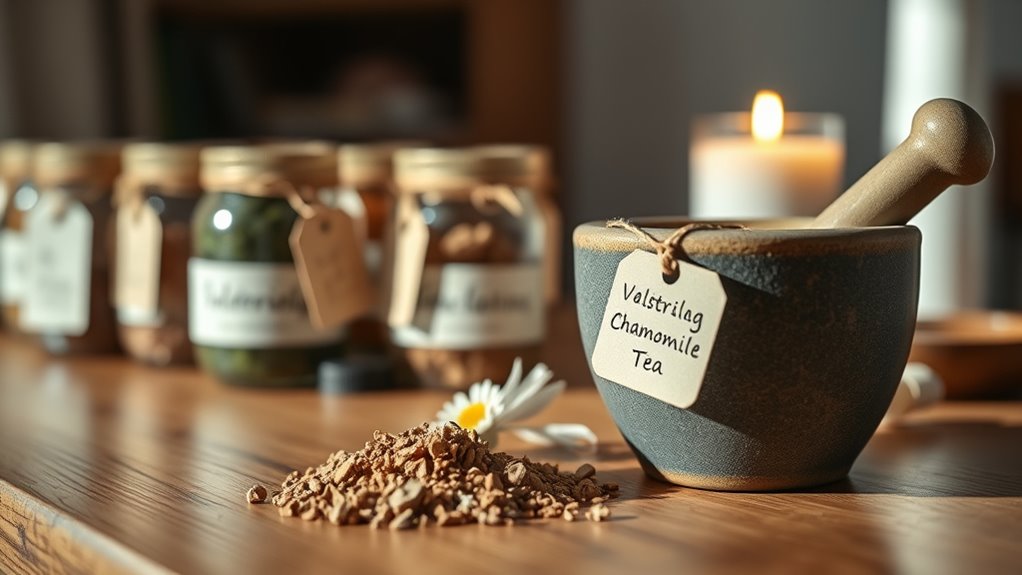
Sedatives work by modulating neural pathways to quiet overactive signals in your nervous system. They enhance GABA activity, the brain’s primary inhibitory neurotransmitter, which helps reduce anxiety and promote relaxation. Understanding these mechanisms clarifies how sedatives effectively calm your mind and body.
Neural Pathway Modulation
Sedatives work by targeting specific neural pathways to reduce overall nervous system activity, ultimately producing calming effects. They influence key brain circuits that regulate anxiety and arousal. When you take a sedative, it binds to receptors in these pathways, dampening signals that heighten alertness and stress. Imagine pathways like a network of roads; sedatives act as traffic controllers, slowing down or blocking certain routes. You might picture:
- Inhibiting nerve signals that trigger racing thoughts
- Dampening excitatory neurotransmitters to prevent overstimulation
- Enhancing inhibitory signals to promote relaxation
Enhancing GABA Activity
Sedatives primarily enhance the activity of gamma-aminobutyric acid (GABA), the brain’s main inhibitory neurotransmitter. By increasing GABA’s effects, sedatives help calm overactive neurons, reducing anxiety and promoting relaxation. They bind to GABA receptors, amplifying GABA’s natural inhibitory signals. This process effectively slows nerve firing, leading to a tranquil state. The table below shows how different sedatives influence GABA activity:
| Sedative Type | Action on GABA | Effect on Anxiety |
|---|---|---|
| Benzodiazepines | Enhance GABA binding | Rapid relief of anxiety |
| Barbiturates | Prolong GABA effects | Deep sedation |
| Non-benzodiazepine | Stimulate GABA receptors | Sleep induction |
| Alcohol | Modulates GABA receptors | Temporary relaxation |
| Herb-based | Varies, some bind GABA | Mild calming effect |
Understanding this helps you see how sedatives work directly on your nervous system.
Comparing Safety Profiles and Side Effects

While both adaptogens and sedatives aim to influence your mental state, their safety profiles and side effects differ markedly. Adaptogens generally have a gentler impact, often well-tolerated with minimal side effects. Sedatives, on the other hand, can cause drowsiness, dependency, and respiratory issues if misused. When choosing between them, consider the following:
- Adaptogens typically don’t cause withdrawal symptoms or tolerance buildup.
- Sedatives may lead to daytime fatigue and impaired coordination.
- Long-term use of sedatives can increase the risk of dependency and overdose.
Your safety depends on understanding these differences. Adaptogens offer a more natural, less invasive approach, but sedatives might be necessary for acute or severe anxiety episodes. Always consult a healthcare professional before starting any new treatment.
Effectiveness and Timeframe for Results

Adaptogens and sedatives differ markedly in how quickly they produce noticeable effects. Sedatives often act fast, providing relief within minutes or hours, making them suitable for acute anxiety episodes. Adaptogens, on the other hand, typically take longer—days to weeks—to build up in your system and show benefits. This means sedatives are better for immediate calming, while adaptogens support long-term stress resilience. Here’s a quick comparison:
| Effectiveness Timeline | Expected Results |
|---|---|
| Immediate (minutes) | Sedatives provide rapid relief |
| Short-term (hours) | Sedatives sustain effects for hours |
| Medium-term (days) | Adaptogens begin working |
| Long-term (weeks) | Adaptogens offer sustained benefits |
Choosing depends on whether you need quick relief or gradual, lasting improvement.
Choosing the Right Option Based on Your Needs

Choosing the right option depends on your specific needs and circumstances. If you need quick relief from acute anxiety, sedatives might be your best choice—they act fast and provide immediate calm. On the other hand, if you’re looking for a gentle, long-term approach, adaptogens can assist your body adapt gradually to stress. Consider your lifestyle and how each option fits into it.
Think about:
- A calming wave washing over you when anxiety strikes suddenly
- Building resilience over weeks with herbs that support your overall well-being
- Your preference for fast-acting solutions versus steady, natural support
Matching your anxiety management style with the herb type ensures better results and a more personalized approach.
Integrating Herbs Into a Holistic Anxiety Management Plan

Incorporating herbs into your overall anxiety management plan can enhance your sense of well-being and resilience over time. Start by identifying your specific needs and selecting herbs that complement other strategies like therapy, exercise, or mindfulness. For example, adaptogens like ashwagandha can help regulate stress hormones, while calming herbs such as chamomile or lemon balm promote relaxation. Use herbs consistently, whether through teas, supplements, or tinctures, and track your responses to find what works best. Remember, herbs should support your holistic plan, not replace professional treatment if needed. Incorporate lifestyle habits that reinforce your mental health, like proper sleep and balanced nutrition. This integrated approach helps create a sustainable, personalized anxiety management system.
Frequently Asked Questions
Can Adaptogens Replace Prescribed Anxiety Medications Safely?
Adaptogens can support your anxiety management but shouldn’t replace prescribed medications without your doctor’s guidance. They may help reduce stress and improve resilience, but everyone’s response varies. You shouldn’t stop or alter your medication without consulting a healthcare professional. Combining adaptogens with your treatment plan might offer benefits, but safety and effectiveness depend on your specific situation. Always talk to your doctor before making changes to your anxiety treatment.
Are There Any Long-Term Risks Associated With Sedative Herbs?
Imagine a delicate balance on a tightrope, and sedative herbs as a tempting safety net. Long-term risks include dependence, drowsiness, and potential interactions with medications. You might find yourself relying more over time or experiencing side effects that impact daily life. It’s vital to use sedatives cautiously, ideally under medical supervision, to minimize these risks and guarantee your safety while managing anxiety naturally.
How Do Individual Differences Affect Herb Response for Anxiety?
Your response to herbal remedies for anxiety varies based on individual differences like genetics, age, weight, and overall health. You might find that some herbs work well for you, while others cause side effects or no effect at all. It’s important to start with small doses, monitor your body’s reactions, and consult with a healthcare professional to tailor herbal use to your unique needs and avoid adverse effects.
Can Combining Adaptogens and Sedatives Enhance Anxiety Relief?
Research shows that combining herbal therapies can boost anxiety relief for some individuals. You might find that pairing adaptogens, which promote resilience, with sedatives, which provide immediate calming effects, enhances overall results. However, since about 20% of people experience adverse interactions, you should consult a healthcare professional before mixing herbs. Personal responses vary, so start with small doses and monitor your reactions to guarantee safe, effective relief.
Are There Specific Herbs Suited for Different Types of Anxiety?
Yes, different herbs target specific anxiety types. For social anxiety, you might find passionflower calming, while lavender helps with general anxiety. Valerian root is effective for nighttime anxiety or insomnia, and ashwagandha can reduce chronic stress. You should consider your particular symptoms and consult a healthcare professional to select the most suitable herb, ensuring it complements your overall treatment plan and avoids potential interactions.
Conclusion
Choosing between adaptogens and sedatives might seem simple, but it’s like deciding whether to wield a gentle, soothing breeze or a mighty storm to calm your nerves. With the right herb, you could reveal a secret weapon against anxiety that transforms your life overnight—imagine feeling like you’ve discovered the fountain of tranquility itself. Trust your needs, consult a professional, and embrace the herb that’ll turn your anxious chaos into serene harmony with the power of nature.