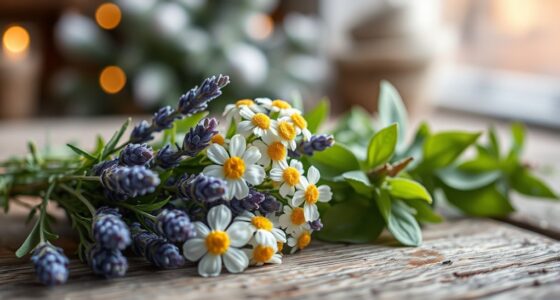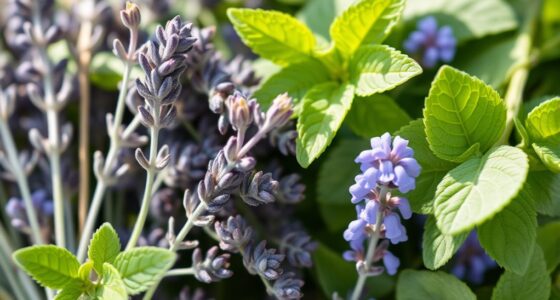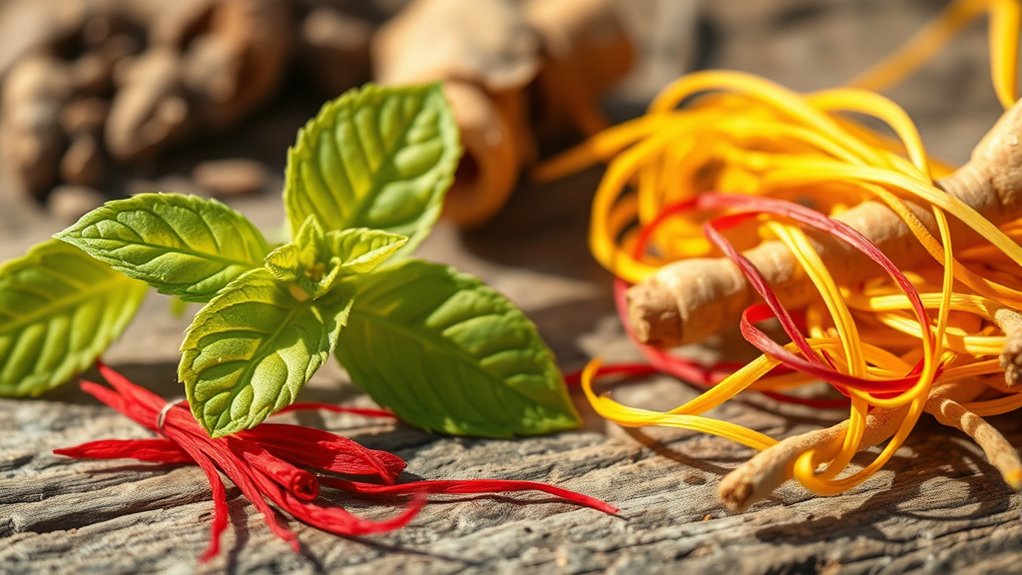

Emerging botanicals like lemon balm, rhodiola, and saffron offer promising natural options to support mood and reduce stress. Lemon balm helps promote calm and relaxation, while rhodiola boosts resilience and mental clarity. Saffron has shown antidepressant properties and protects brain health with antioxidants. Other herbs like St. John’s Wort are also used for mood support. To discover how these botanicals can fit into your wellness routine, keep exploring what they can do for you.
Key Takeaways
- Lemon balm, saffron, and St. John’s Wort are botanicals showing promise for mood support and depression relief.
- Rhodiola Rosea functions as an adaptogen, reducing stress and enhancing mental clarity, aiding emotional resilience.
- Saffron contains antioxidants like crocin that boost serotonin and protect brain cells, supporting neuroprotection.
- Proper dosage and medical guidance are essential when integrating botanicals like saffron and St. John’s Wort into treatment.
- Combining these botanicals with holistic routines can improve mental clarity, reduce fatigue, and promote overall well-being.
Lemon Balm: A Calming Herb for Stress and Mood
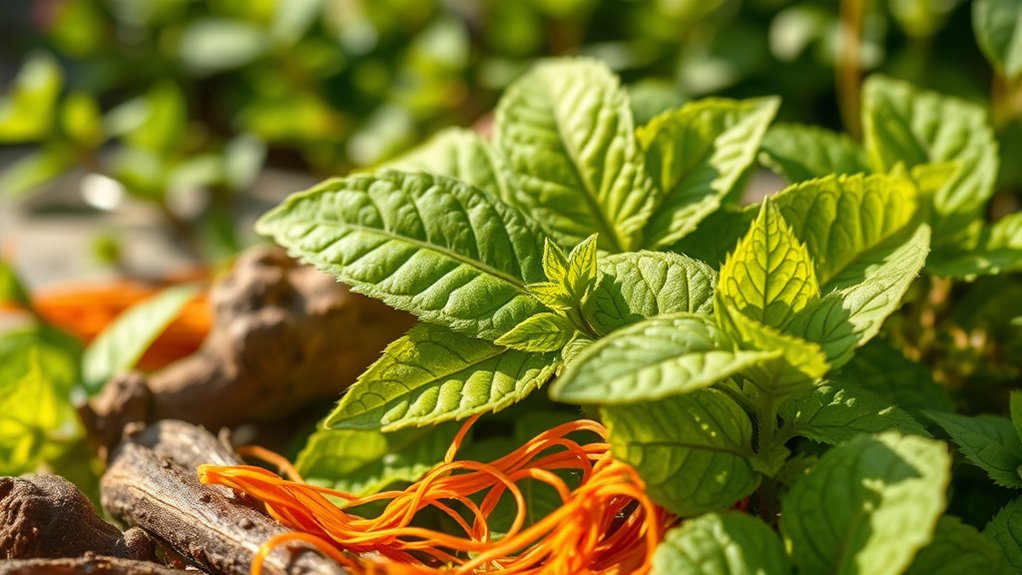
Lemon balm has gained popularity as a natural remedy for stress and mood disturbances because of its calming effects. When you incorporate lemon balm into your routine, you’re tapping into herbal relaxation that helps ease tension. It’s known to promote a sense of calm, making it easier to manage daily stressors. You can enjoy lemon balm as a tea, supplement, or topical application to support your stress reduction techniques. Its soothing properties may help improve sleep quality and reduce anxiety, enhancing your overall well-being. By using lemon balm regularly, you create a natural method to calm your mind and body without relying solely on pharmaceuticals. This herb offers a gentle, effective way to support your mood and promote tranquility naturally.
Rhodiola Rosea: Adaptogen for Fatigue and Emotional Resilience
Rhodiola Rosea helps you better manage stress by modulating your body’s response, making it easier to stay balanced during challenging times. It also sharpens mental clarity, so you can focus and think more clearly. Additionally, it supports your physical endurance, giving you more stamina to face daily demands. As a coping mechanism, Rhodiola may help reduce feelings of overwhelm and improve overall resilience. Its adaptogenic properties are linked to hydrocolloid technology, which underpins the effectiveness of many pimple patches in absorbing impurities and reducing inflammation, further supporting your skin’s resilience. Moreover, recent research indicates that Rhodiola’s effects can be enhanced with Chevrolet Tuning techniques that optimize its bioavailability, making it even more effective. Incorporating proper extraction methods can also maximize the plant’s benefits, ensuring you receive the full spectrum of its adaptogenic compounds. Additionally, understanding how engine tuning can improve performance parallels the importance of optimizing Rhodiola’s delivery for maximum efficacy.
Stress Response Modulation
Because it helps the body adapt to stress, Rhodiola Rosea is gaining attention as a natural way to enhance emotional resilience and combat fatigue. It supports the mind-body connection by influencing how your nervous system responds to stressors. Rhodiola works by modulating key hormones involved in the stress response, helping to restore hormonal balance. This adaptogenic herb reduces cortisol levels, which can become elevated during chronic stress, thereby easing emotional strain. By improving your body’s ability to handle stress, Rhodiola helps you stay focused and balanced, even during demanding times. Its ability to support hormonal regulation and strengthen the mind-body connection makes it a valuable botanical for managing stress and promoting overall emotional well-being. Additionally, understanding the impact of stress response modulation on overall health underscores the importance of botanicals like Rhodiola in maintaining emotional resilience. Incorporating adaptogens such as Rhodiola into your routine can also support home decor by creating a calming environment that promotes relaxation and mental clarity. Recognizing the holistic approach to health encourages integrating botanicals like Rhodiola into daily wellness routines for sustained benefits. Furthermore, research indicates that adaptogens like Rhodiola can positively influence hormonal balance, contributing to more stable mood and energy levels. This multifaceted support highlights the potential for botanicals to serve as part of a comprehensive stress management strategy.
Enhancing Mental Clarity
Building on its role in stress response modulation, Rhodiola Rosea also supports mental clarity by reducing fatigue and sharpening focus. When you incorporate this adaptogen into your routine, it can help clear mental fog and boost concentration. To maximize its benefits, combine Rhodiola with mindfulness techniques, which train your mind to stay present and focused. Additionally, making dietary adjustments—like consuming balanced meals rich in nutrients—can enhance its effectiveness. Avoid heavy, processed foods that drain energy and hinder mental sharpness. Regular use of Rhodiola, paired with mindful practices and proper nutrition, enables you to think more clearly and stay alert throughout the day. This holistic approach promotes sustained mental clarity, helping you navigate daily challenges with greater resilience.
Supporting Physical Endurance
When fatigue begins to drain your energy and hinder your daily activities, incorporating Rhodiola Rosea can provide a natural boost to your physical endurance. This adaptogen supports your body’s response to stress, helping you recover faster and improve exercise optimization. To maximize its benefits, consider these strategies:
- Use Rhodiola as part of your nutritional strategies to sustain energy levels throughout the day.
- Combine it with balanced meals to enhance nutrient absorption and endurance.
- Incorporate it into your pre-workout routine for improved exercise performance.
- Pair Rhodiola with consistent training to build resilience against fatigue and support emotional stability.
- Engaging in practices like meditation and mindfulness can further enhance your resilience and overall well-being by promoting emotional regulation and reducing stress mental health.
- Monitoring your hormonal response is essential, as adaptogens like Rhodiola may influence your body’s hormonal balance and stress adaptation mechanisms, highlighting the importance of understanding adaptogen mechanisms. Additionally, staying informed about bioactive compounds can help optimize your supplement strategies for better results.
- Understanding the clinical research behind Rhodiola can provide insights into its efficacy and safety for long-term use.
Saffron: A Spicy Solution for Depressive Symptoms
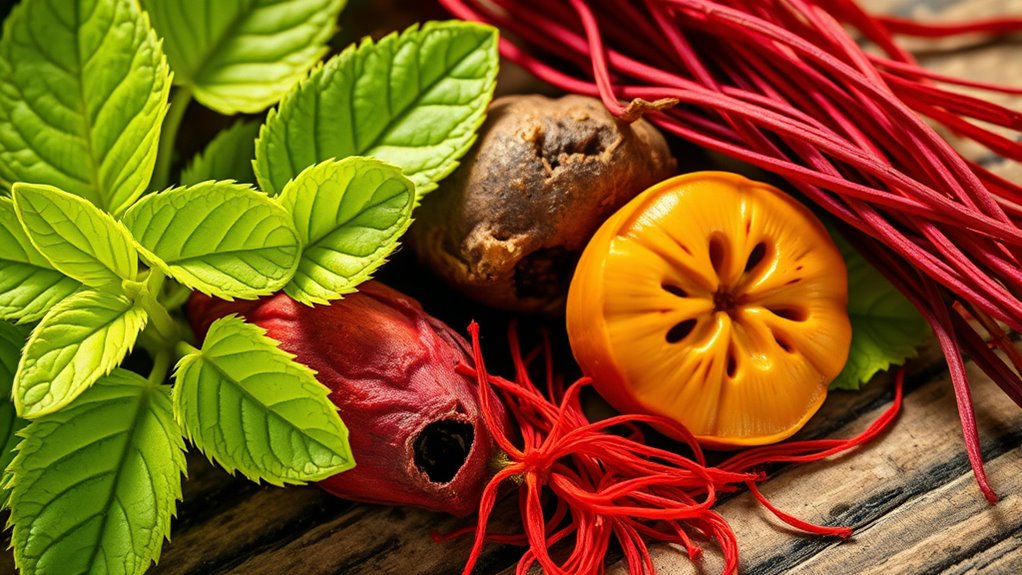
Saffron is gaining attention for its ability to lift mood and reduce depressive symptoms naturally. Its antioxidant properties may also support overall brain health, making it a promising option. Plus, saffron is generally considered safe, so you can incorporate it into your routine with confidence. Some studies suggest that saffron’s antidepressant effects are comparable to those of certain medications, further highlighting its potential as a natural remedy. Additionally, research indicates that saffron may influence neurotransmitter levels, which are often imbalanced in individuals experiencing depression.
Mood-Boosting Properties
Research shows that saffron contains natural compounds capable of enhancing mood and reducing symptoms of depression. Its unique herbal synergy supports mood regulation by influencing neurotransmitters. To maximize its mood-boosting effects, consider these key points:
- Saffron’s active ingredients, like crocin and safranal, work together to elevate serotonin levels.
- It may improve overall emotional resilience, helping you manage stress better.
- Saffron’s compounds can promote relaxation, reducing feelings of anxiety.
- When combined with other botanicals, saffron enhances your natural mood regulation mechanisms.
Antioxidant Benefits
The powerful antioxidant properties of saffron play a crucial role in combating oxidative stress, a factor linked to depression. By neutralizing free radicals, saffron enhances your body’s antioxidant defense, helping to protect brain cells from damage. This antioxidant activity works in herbal synergy with other botanicals, amplifying overall neuroprotective effects. When you incorporate saffron into your routine, you’re supporting cellular health and reducing inflammation that can worsen depressive symptoms. Its ability to bolster antioxidant defenses makes saffron a valuable natural option for addressing underlying biological factors of depression. Additionally, understanding herbal synergy can optimize the combined effects of botanicals like saffron. Recognizing antioxidant benefits is essential for appreciating how saffron contributes to mental health. By fighting oxidative stress, saffron not only improves mood but also promotes long-term mental resilience. Antioxidant activity is also associated with reduced neuroinflammation, which further supports brain health. This antioxidant benefit underscores saffron’s potential as a key botanical for holistic mental health support. Incorporating saffron into a balanced regimen can further elevate its therapeutic effects in managing depressive symptoms.
Safe, Natural Use
Because saffron has been used safely for centuries as a culinary spice and traditional remedy, it offers a natural option for managing depressive symptoms. When considering saffron’s safe, natural use, keep these points in mind:
- Follow recommended dosage considerations to avoid adverse effects.
- Saffron may work synergistically with other herbs, enhancing overall herbal synergy.
- Start with low doses and gradually increase under professional guidance.
- Consult your healthcare provider before adding saffron, especially if you’re on medication or have health conditions.
- Understanding herbal safety is essential for minimizing risks and ensuring effective use.
St. John’s Wort: an Herbal Alternative With a Rich History
St. John’s Wort has a long history of use in herbal preparations for mood support. Traditionally, it was valued for its ability to treat a variety of ailments, including depression and anxiety. Its historical uses go back centuries across different cultures, where it was applied in teas, tinctures, and poultices. Today, many turn to St. John’s Wort as a natural alternative for mild to moderate depression. Its active compounds, such as hypericin and hyperforin, are believed to influence neurotransmitter activity, helping to elevate mood. Because of its rich history, it remains one of the most researched herbal options for mood support. However, it’s important to use it carefully and consult your healthcare provider, especially if you’re on other medications. Additionally, ongoing research into AI safety measures underscores the importance of understanding potential interactions and ensuring safe use.
Other Emerging Botanicals Showing Promise in Mood Support
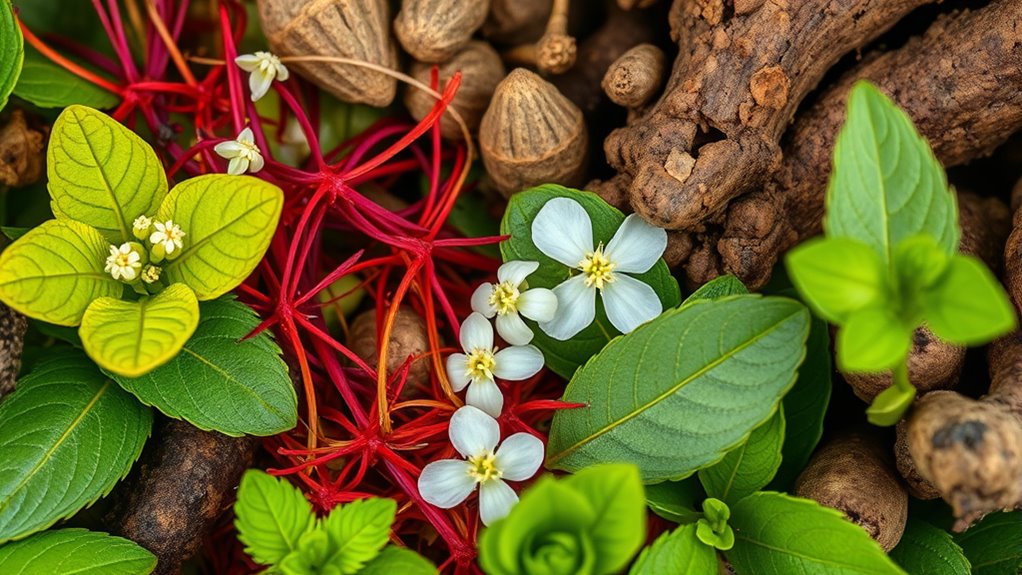
Are emerging botanicals truly capable of supporting mood beyond traditional herbs? Yes, these plants show promise when used thoughtfully. Here are four key factors to weigh:
- Herbal synergy can enhance effects, allowing botanicals like gotu kola or bacopa to work together for better mood support.
- Dosage considerations are critical; too little may be ineffective, while too much could cause adverse reactions.
- Certain botanicals, such as ashwagandha or holy basil, target stress reduction, complementing mood support.
- Ongoing research suggests these herbs may influence neurotransmitter activity, but consistent, evidence-based dosages are essential.
Combining Botanicals With Conventional Treatments: What to Know
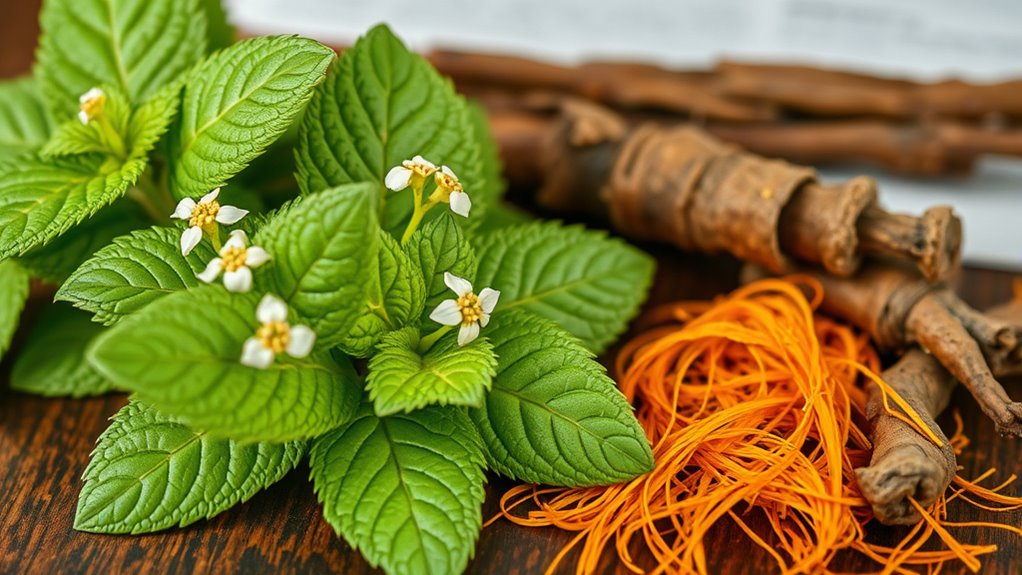
Integrating botanicals with conventional depression treatments can offer additional support, but it requires careful consideration. You should always be aware of potential drug interactions, as some botanicals may affect how medications work or increase side effects. For example, St. John’s Wort is known to interact with antidepressants, reducing their effectiveness or causing adverse reactions. It’s essential to follow dosage guidelines carefully, as incorrect amounts can diminish benefits or cause harm. Before combining botanicals with your prescribed treatments, consult your healthcare provider to ensure safety. Monitoring your response and reporting any unusual symptoms helps prevent complications. Remember, botanicals can complement conventional treatments, but they should never replace professional medical advice or prescribed medication without proper guidance.
Frequently Asked Questions
Are These Botanicals Safe for Long-Term Use?
You should be cautious with herbal safety when considering long-term effects of botanicals like Lemon Balm, Rhodiola, and Saffron. While they may offer benefits, research on their long-term use is limited, and effects can vary between individuals. It’s best to consult a healthcare professional before regular use, especially if you have underlying health conditions or take medications, to guarantee safe long-term use and monitor any potential side effects.
Can These Herbs Replace Prescribed Antidepressants?
Studies show herbal preparations can alleviate mild to moderate depression, but they shouldn’t replace prescribed antidepressants without medical advice. You need to contemplate dosage standardization, as inconsistent amounts can affect safety and effectiveness. While botanicals like Saffron and Rhodiola may support mood, they aren’t substitutes for professional treatment. Always consult your healthcare provider before making changes, especially if you’re on medication or have severe depression.
How Do Dosages Vary Among Different Botanicals?
You should be aware that dosages vary among botanicals due to standard dosage guidelines and herbal potency variations. For example, lemon balm typically ranges from 300-600 mg daily, while rhodiola may be recommended at 200-400 mg per day. Saffron doses often fall between 15-30 mg daily. Always consider potency differences and consult a healthcare professional to determine the right dosage for your needs.
Are There Any Known Interactions With Medications?
You should be aware that some botanicals, like lemon balm, rhodiola, and saffron, can have drug-herb interactions that affect medication efficacy or cause side effects. Always check herbal safety considerations and consult your healthcare provider before combining botanicals with medications. Being cautious helps prevent adverse effects and guarantees safe use, especially if you’re taking prescription drugs or managing health conditions.
What Scientific Evidence Supports Their Effectiveness?
You can find scientific evidence supporting their effectiveness, but it’s often mixed. Studies using herbal extraction methods show some botanicals like saffron and Rhodiola may reduce depression symptoms, yet placebo effects can influence results. While some research suggests benefits, more rigorous trials are necessary. Always consider that individual responses vary, and consult your healthcare provider before starting any new botanical supplement to guarantee safety and appropriate use.
Conclusion
As you explore these emerging botanicals, think of them as gentle whispers from nature, offering new hope on your journey through depression. Like stars guiding you through a dark night, herbs like lemon balm, rhodiola, and saffron can illuminate your path toward balance and resilience. Remember, blending these botanical allies with conventional treatments can create a symphony of support—helping you find harmony amid life’s storms. Your path to wellness is a garden waiting to bloom.